

 By Trends Oraa
 You step into this article to find clear, practical ways to lift your apartment’s look without starting over. It shows 22 chic ideas that balance style and everyday comfort, so you can shape a space that feels both elegant and livable.
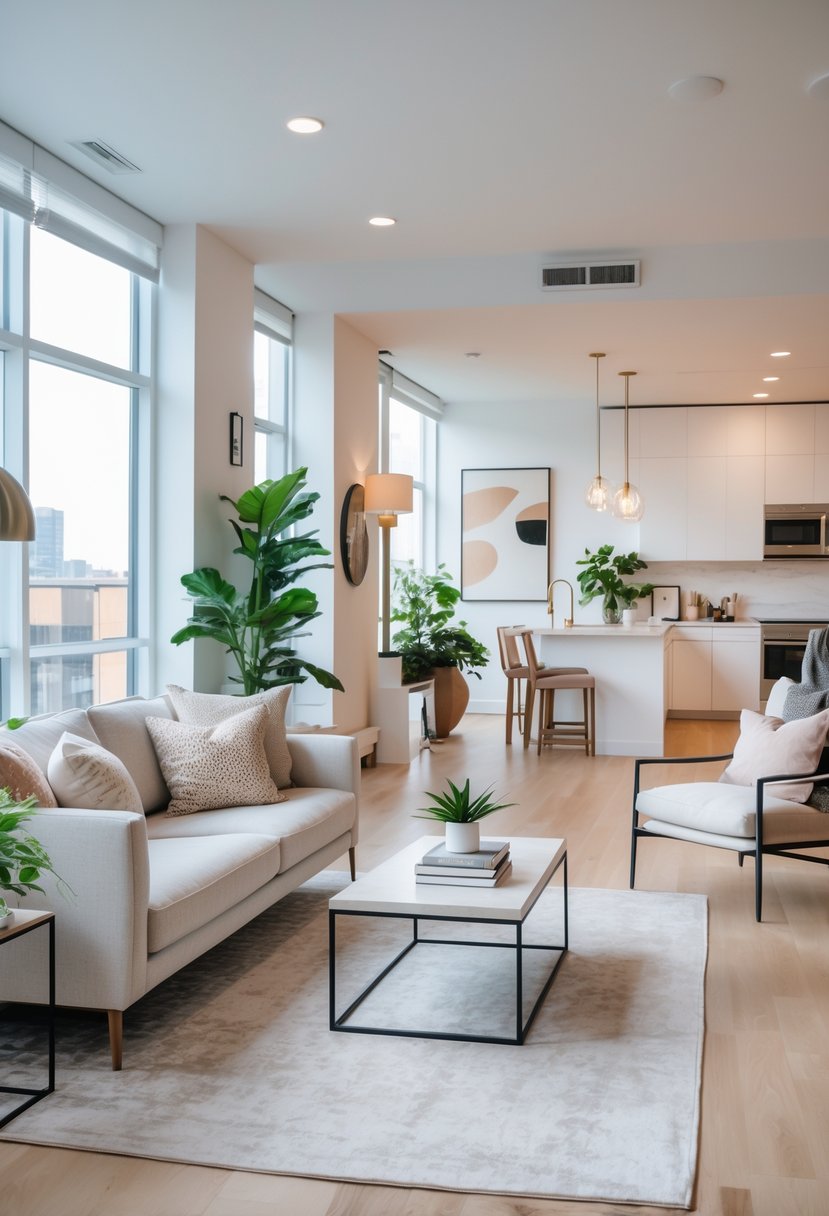
They’ll guide choices like furniture, colors, textures, lighting, and personal touches while keeping budgets and small spaces in mind. Use these ideas to mix modern and vintage pieces, layer soft textiles, add plants, and display meaningful items so the apartment reflects taste and comfort.
1) Sculptural furniture as statement pieces
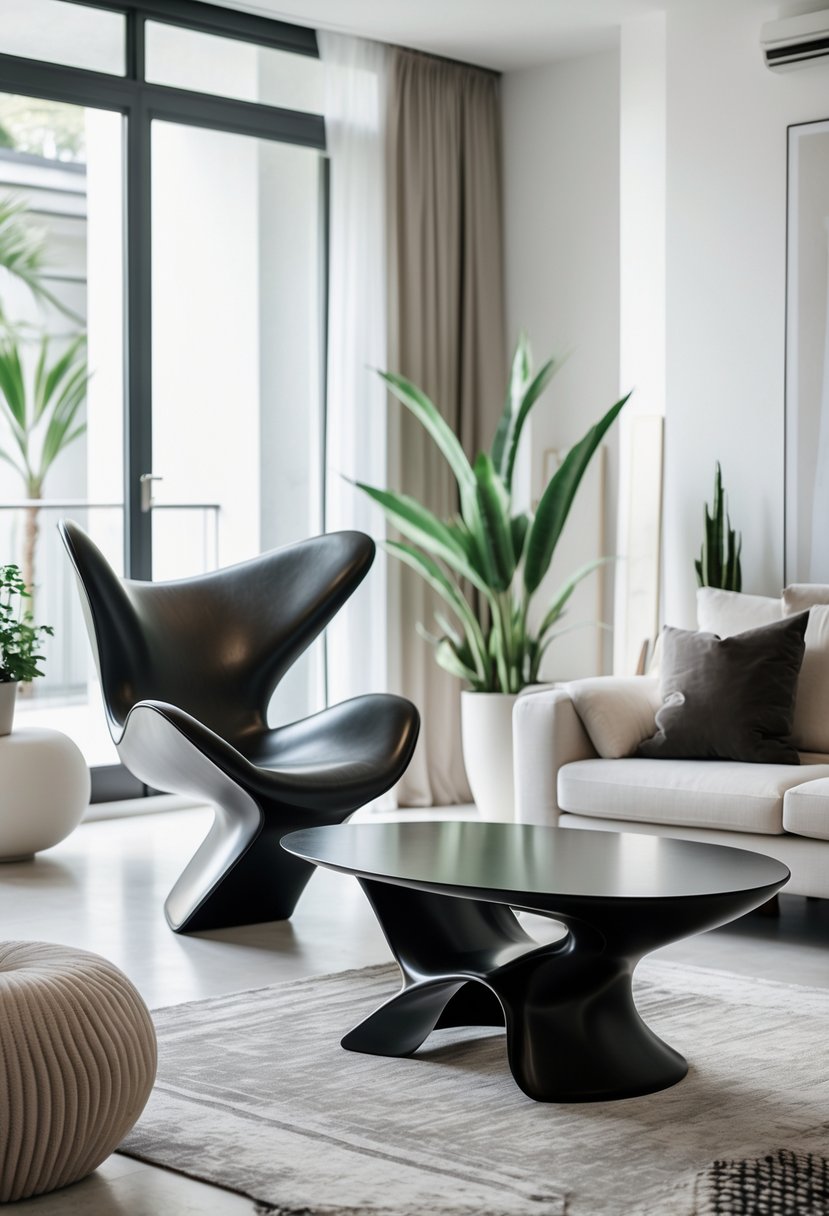
Sculptural furniture acts as both art and function, anchoring a room with bold shapes. It draws the eye and sets a clear design tone without extra decor.
They work well in small apartments because one striking piece can replace several smaller items. Choose warm neutrals or a single accent color to keep the look refined and lived-in.
Materials like wood, metal, and stone add texture and durability. Balance a sculptural item with simple furnishings so the room feels intentional, not cluttered.
2) Warm neutral color palettes
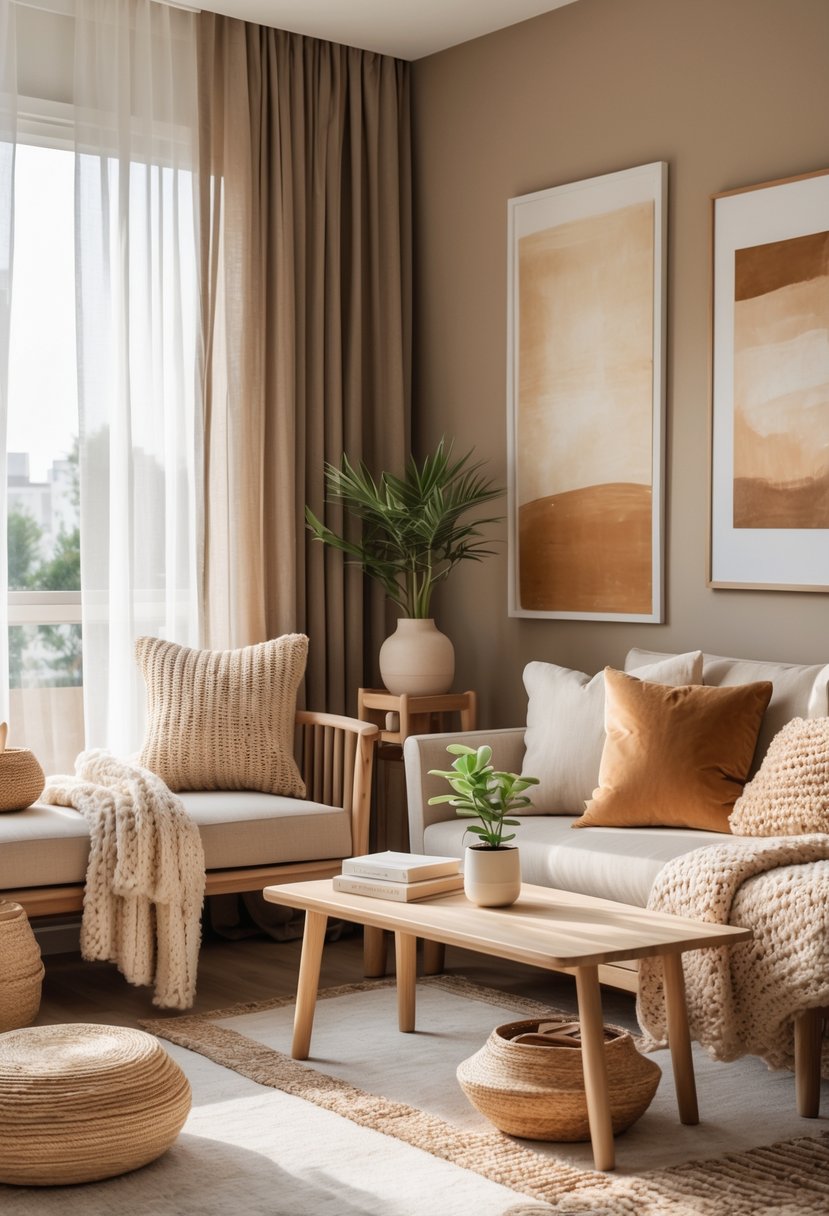
They choose warm neutrals like beige, soft brown, and cream to make spaces feel calm and inviting. These tones layer well and keep a room cohesive without heavy contrast.
They add texture—wood, wool, and matte ceramics—to create depth and interest. Small dark accents, like black metal or deep gray, sharpen the look without breaking the warmth.
3) Layered textures with rugs and throws
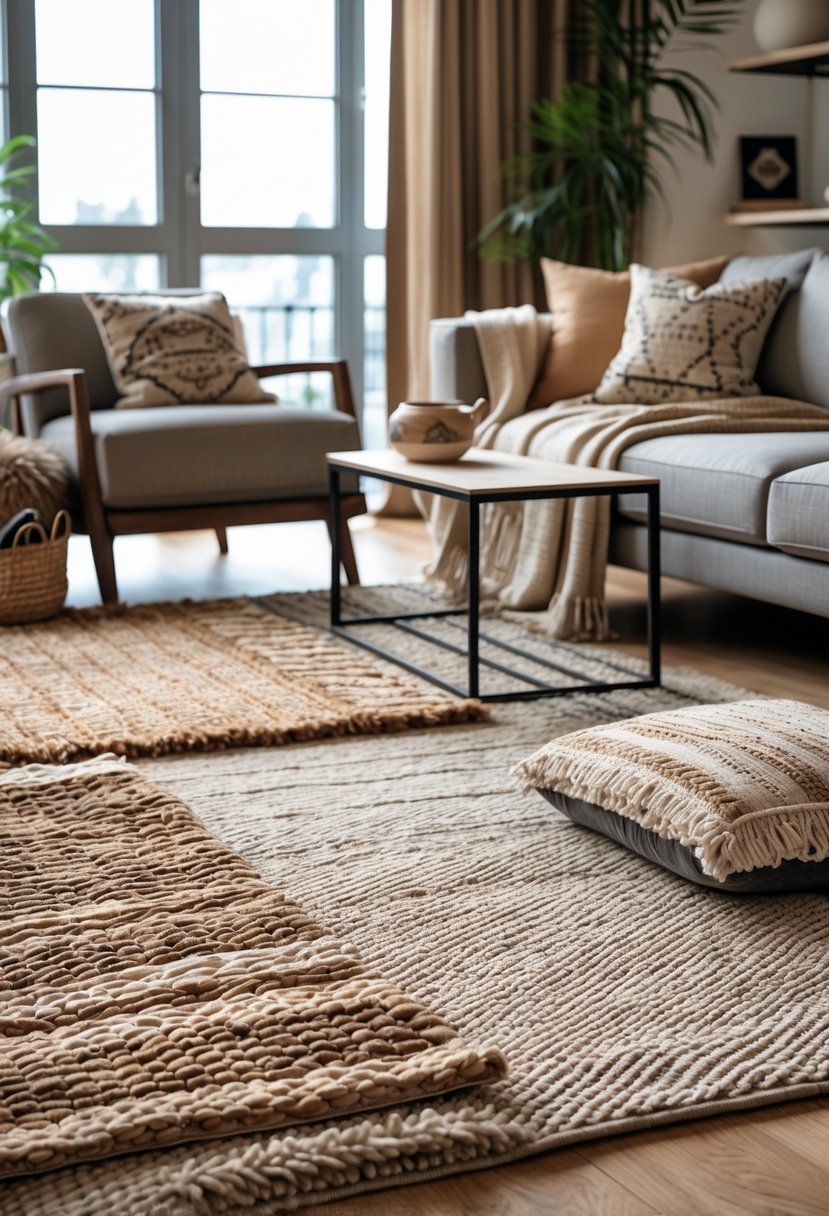
They add warmth and visual depth without crowding a small space. Start with a natural-fiber rug, then layer a softer, plush rug on top for contrast.
Throws and cushions bring color and comfort while tying the scheme together. Mix textures—wool, linen, and faux fur—to keep the look rich but calm.
They also define zones in open-plan apartments, anchoring seating areas and creating a cozy feel. Keep patterns subtle to avoid visual clutter.
4) Subtle personal art and photos
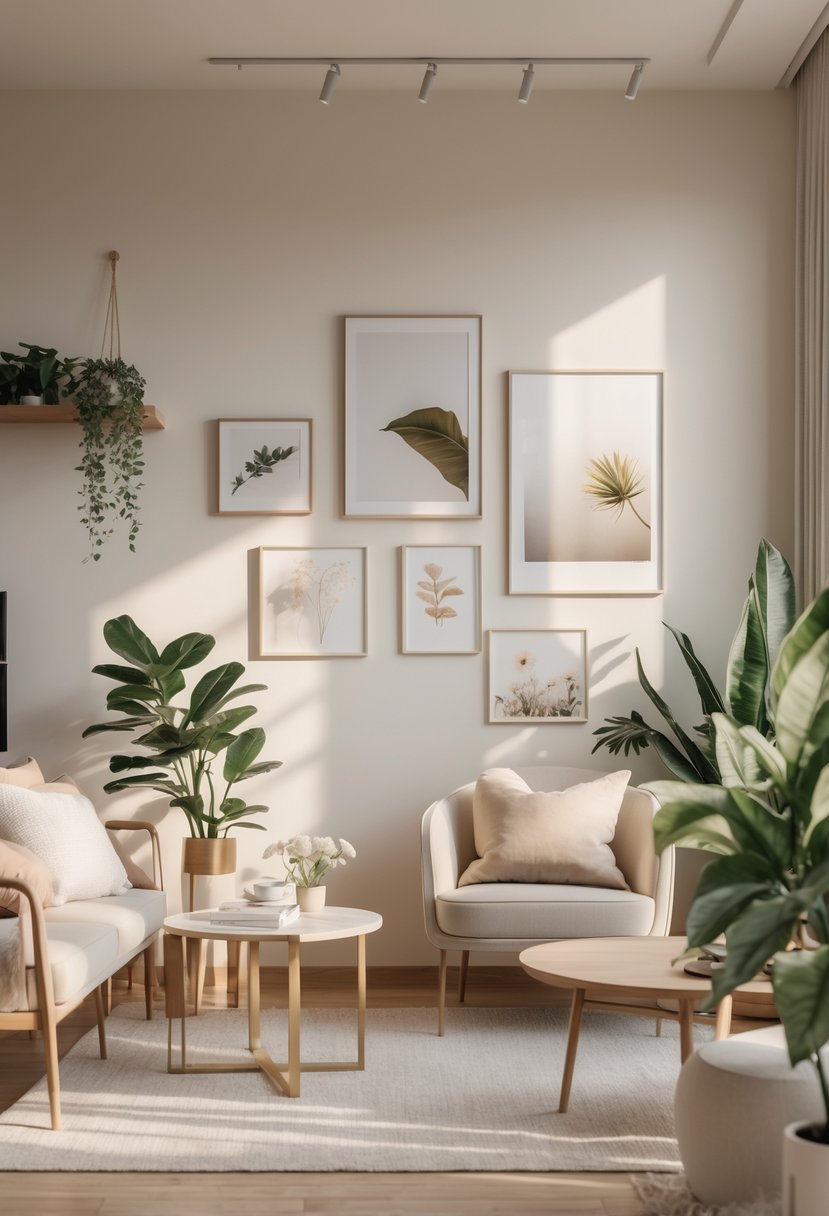
They choose a few meaningful pieces instead of covering every wall. Small frames, muted colors, and simple mats keep the look calm and refined.
Photos and art sit with space around them to feel intentional. Mixing one or two personal images with abstract or found art balances private memory and polished style.
They avoid clutter by rotating pieces seasonally. This keeps the apartment fresh without overwhelming the design.
5) Minimalist lighting fixtures
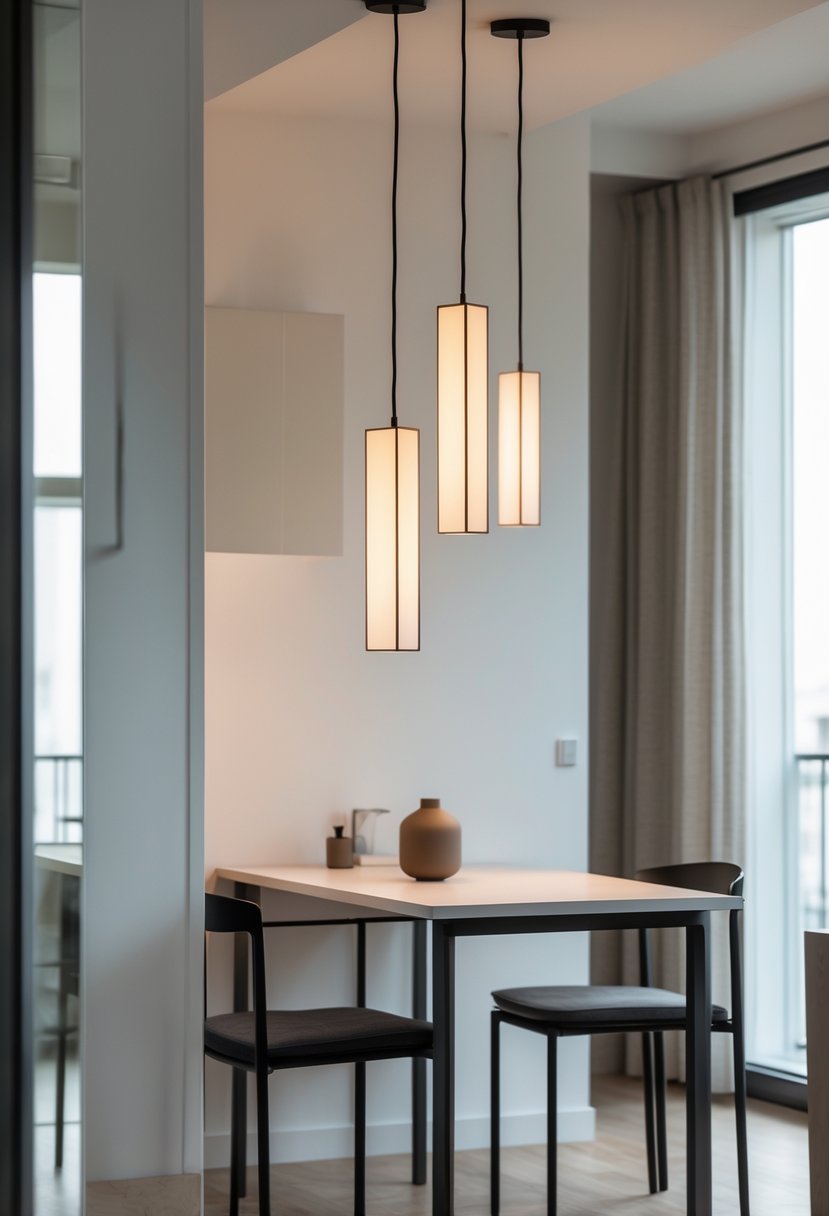
They choose fixtures with clean lines and simple shapes to keep rooms calm and uncluttered. A slim pendant or a wall sconce provides focused light without drawing too much attention.
They balance function and form by using warm, dimmable bulbs for mood and bright task lighting where needed. Neutral finishes like matte black, white, or brushed metal blend with most palettes.
6) Mix of modern and vintage decor
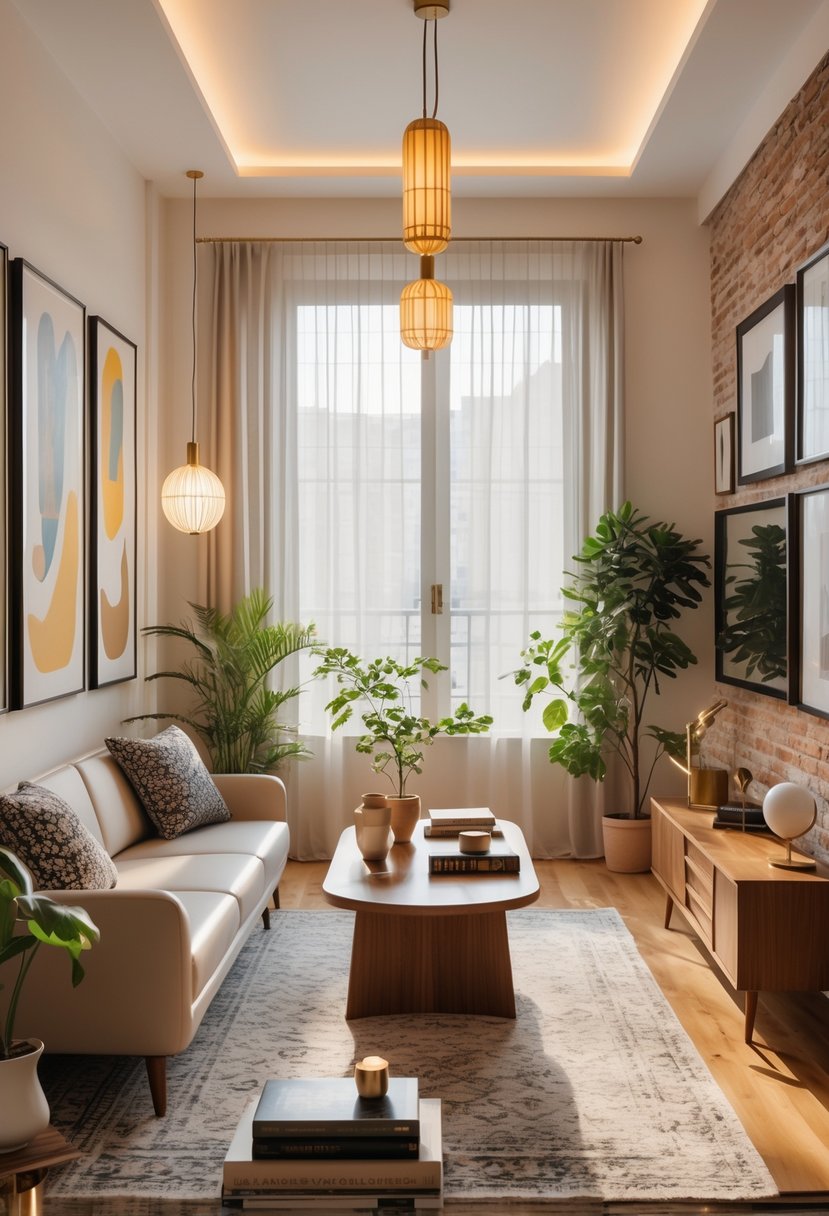
They pair clean, simple modern pieces with one or two vintage items to add character. A sleek sofa and a mid-century armchair create contrast without clutter.
They balance colors and textures, using neutral walls to let a bold vintage lamp or rug stand out. Small vintage accents like posters or ceramics keep the look curated and intentional.
They place statement vintage pieces where they can be seen and appreciated. That approach blends history with today’s comfort in a calm, stylish way.
7) Plants to add natural warmth
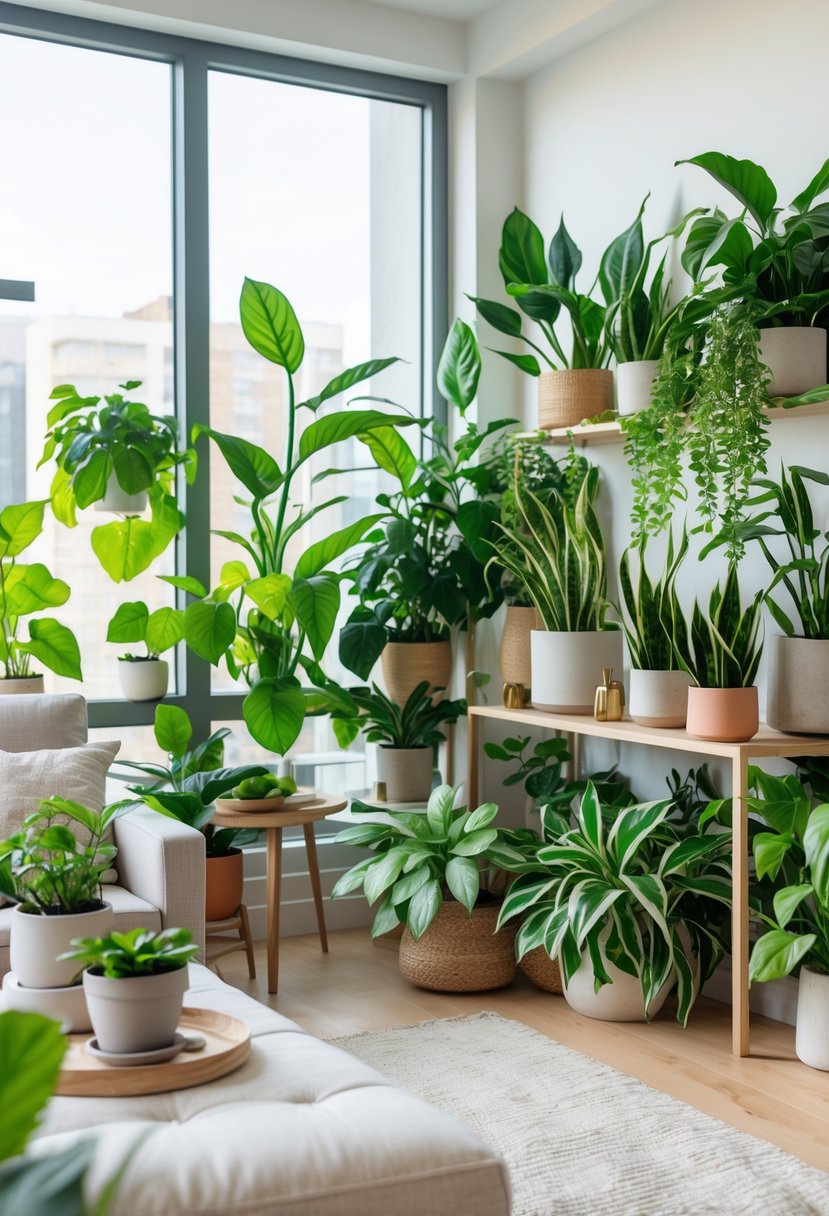
They choose plants with warm tones and soft shapes to make the room feel inviting. Snake plants, rubber plants, and fiddle-leaf figs bring deep greens and strong silhouettes without clutter.
Potted olive trees or small citrus trees add a subtle Mediterranean glow and a light, pleasant scent. Grouping plants at varying heights creates a cozy, layered look that feels lived-in and calm.
8) Open shelving for display
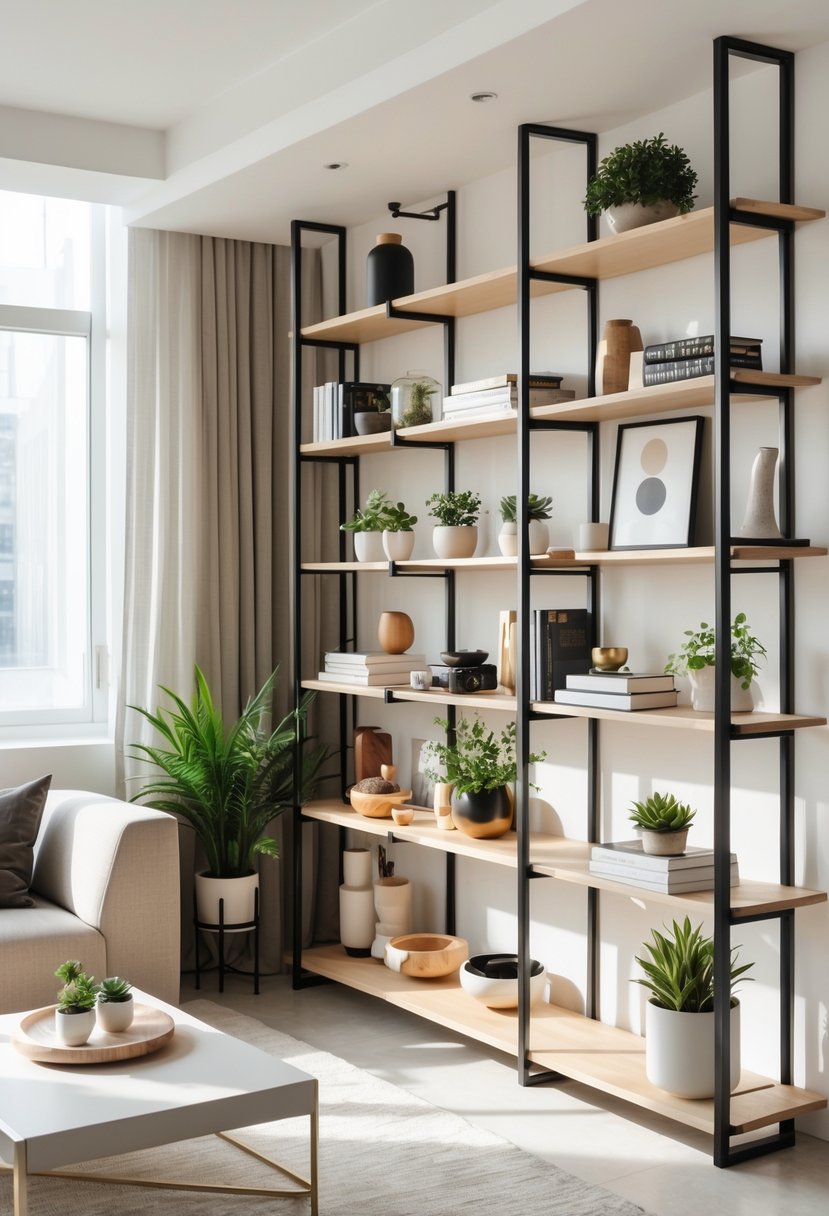
Open shelving lets them show favorite objects and keep things within reach. It works well in kitchens, living rooms, or hallways where style meets function.
They should mix books, bowls, and plants to avoid clutter and add texture. Vary heights and leave open space so shelves look curated, not crowded.
9) Velvet or suede cushions
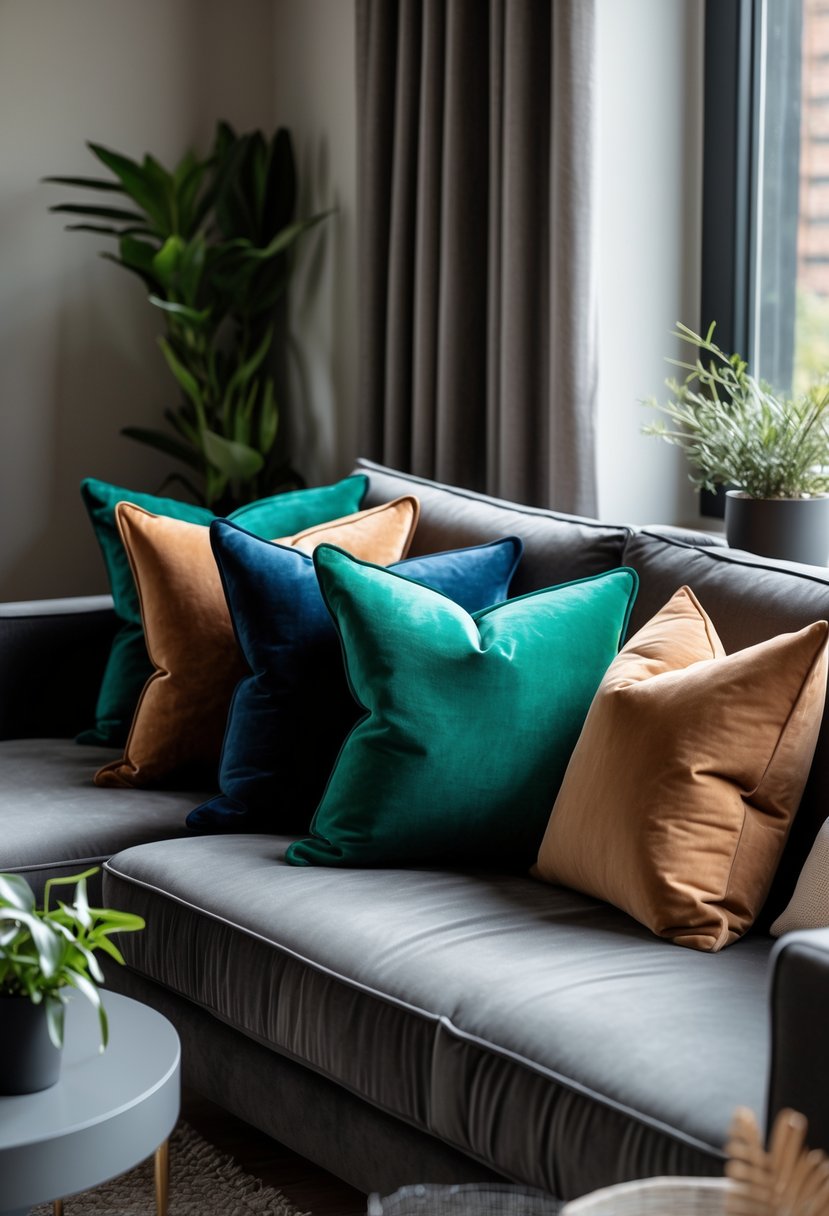
Velvet and suede cushions add soft, tactile layers that lift a room without overpowering it. They catch light differently, giving sofas and chairs subtle depth and richness.
Choose muted tones for a refined look or jewel colors as focused accents. Mix textures—linen or wool—with velvet to keep the arrangement balanced and lived-in.
Place cushions in odd numbers for a natural feel. Rotate them occasionally to keep wear even and the color consistent.
10) Matte black hardware accents
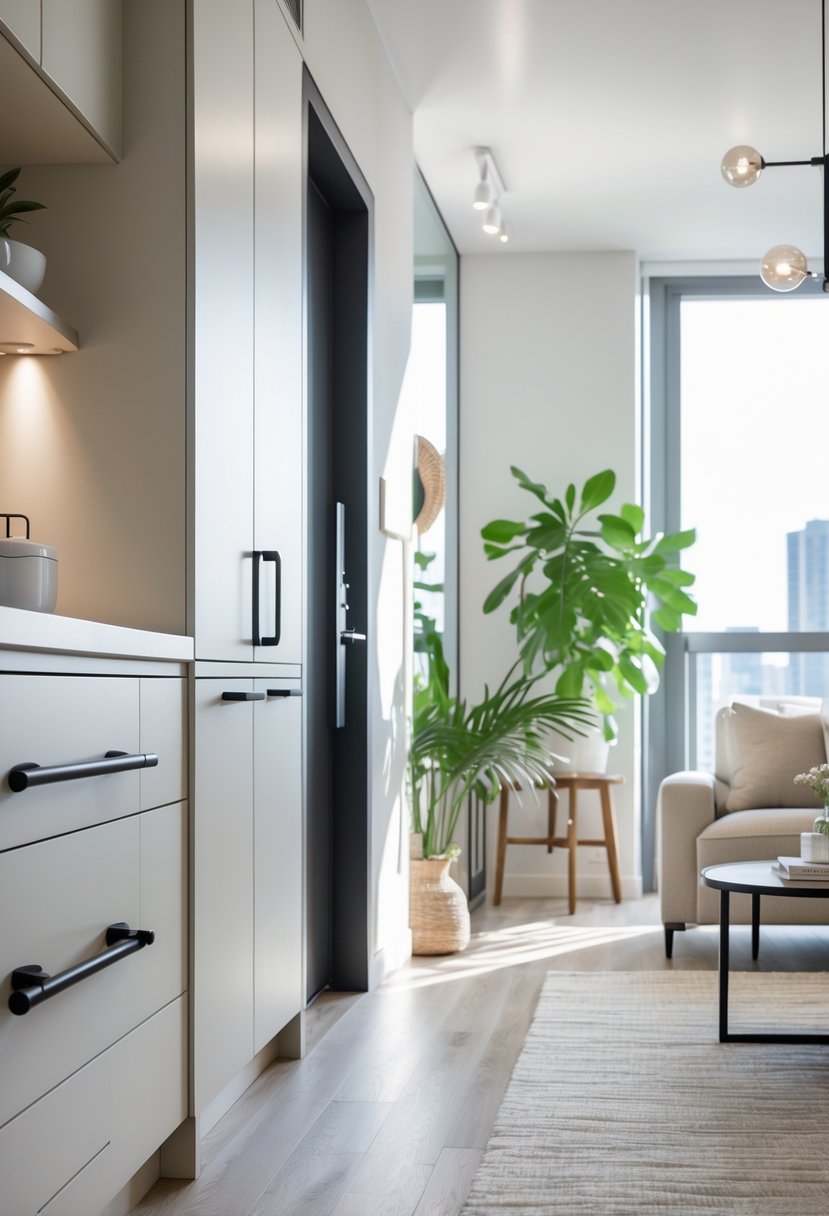
Matte black hardware gives an apartment a clean, modern edge without changing major finishes. It works well on cabinet pulls, door handles, and faucets to tie a room together.
They resist glare and hide fingerprints better than shiny metals. Mixing matte black with wood or light colors creates clear contrast and a polished look.
Exploring the Core Elements of Apartment Aesthetics
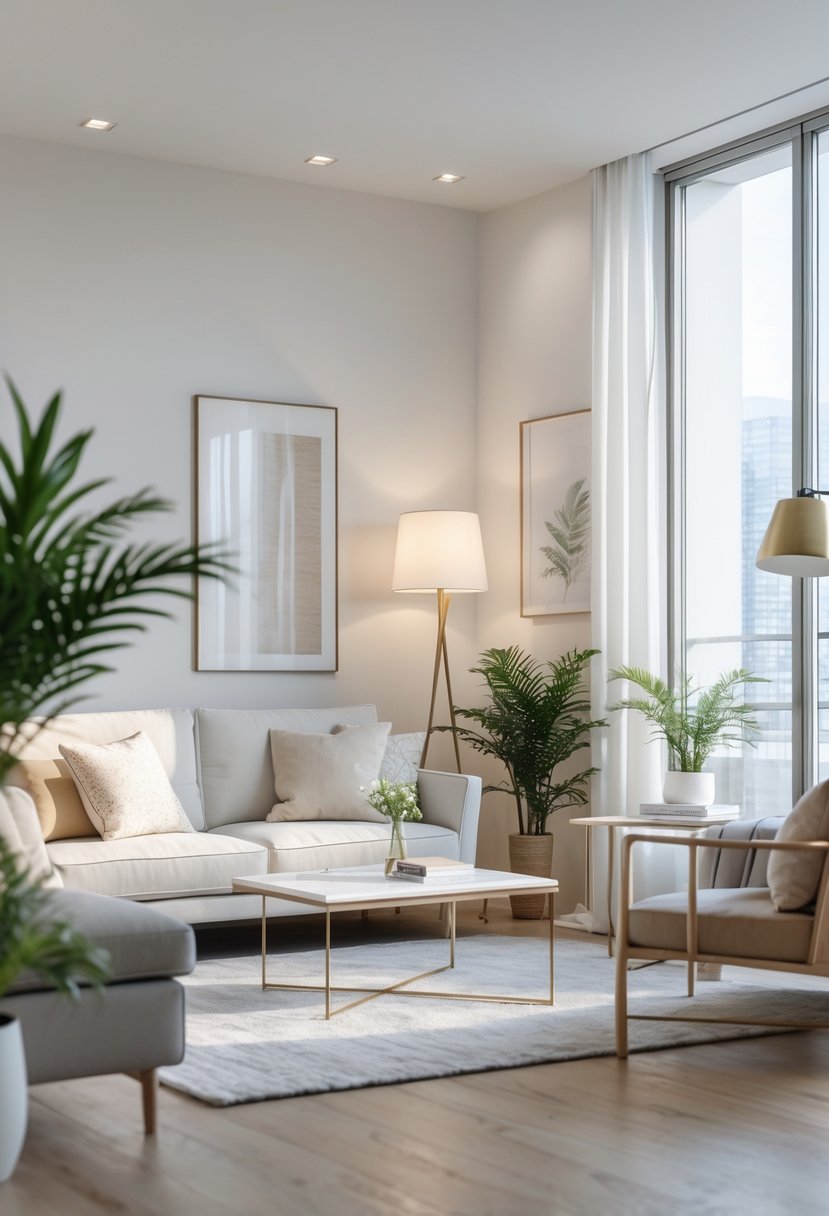
This section highlights how materials, color choices, and light shape a cohesive, livable apartment. It explains practical steps for pairing finishes, choosing a palette that expands small rooms, and using layered lighting for function and mood.
Understanding Visual Cohesion
Visual cohesion ties furniture, textiles, and decor into a clear look. She should start by picking 2–3 main materials (wood, metal, stone) and repeat them across the room. Repeating one texture and one finish in each zone helps the eye move smoothly.
A simple rule: one dominant style, one supporting style, and one accent style. For example, modern sofa (dominant), rustic wood table (supporting), and brass lamps (accent). Group items by scale and color to avoid a cluttered feel.
Use consistent proportions. Low furniture keeps sightlines open, tall shelving anchors corners. Finally, keep surfaces edited — a few curated objects on a shelf beat many small items that read as visual noise.
Color Theory in Small Spaces
Color affects perceived size and mood. Light, neutral bases like soft beige or cool gray make walls recede. She can then add one saturated color as a focal point — a teal pillow or an ochre rug — to create interest without overwhelming.
Use a three-tier palette: base (60%), secondary (30%), accent (10%). This balance keeps the room coherent. Warm tones make a space feel cozier; cool tones feel airier and more modern.
Consider finish and undertone. A “white” with a pink undertone can clash with cool grays. Test paint and textiles in real light before committing. Small doses of pattern—striped cushions or a geometric throw—give depth while preserving openness.
The Role of Lighting
Lighting defines function and ambiance. Layer three types for best results: ambient (ceiling or a central lamp), task (reading lamp, under-cabinet), and accent (picture lights, LED strips). Each type serves a purpose and dims independently if possible.
Place task lights where people read, cook, or work—near a sofa, over a desk, and under kitchen cabinets. Choose warm bulbs (2700–3000K) in living areas to feel inviting, and cooler light (3500K) for work zones if needed.
Use reflective surfaces and mirrors to amplify natural light. She should mount mirrors across from windows and pick glass or glossy finishes for small accessories. Smart dimmers and layered switches make it easy to change mood and function quickly.
Design Inspiration and Personalization Tips
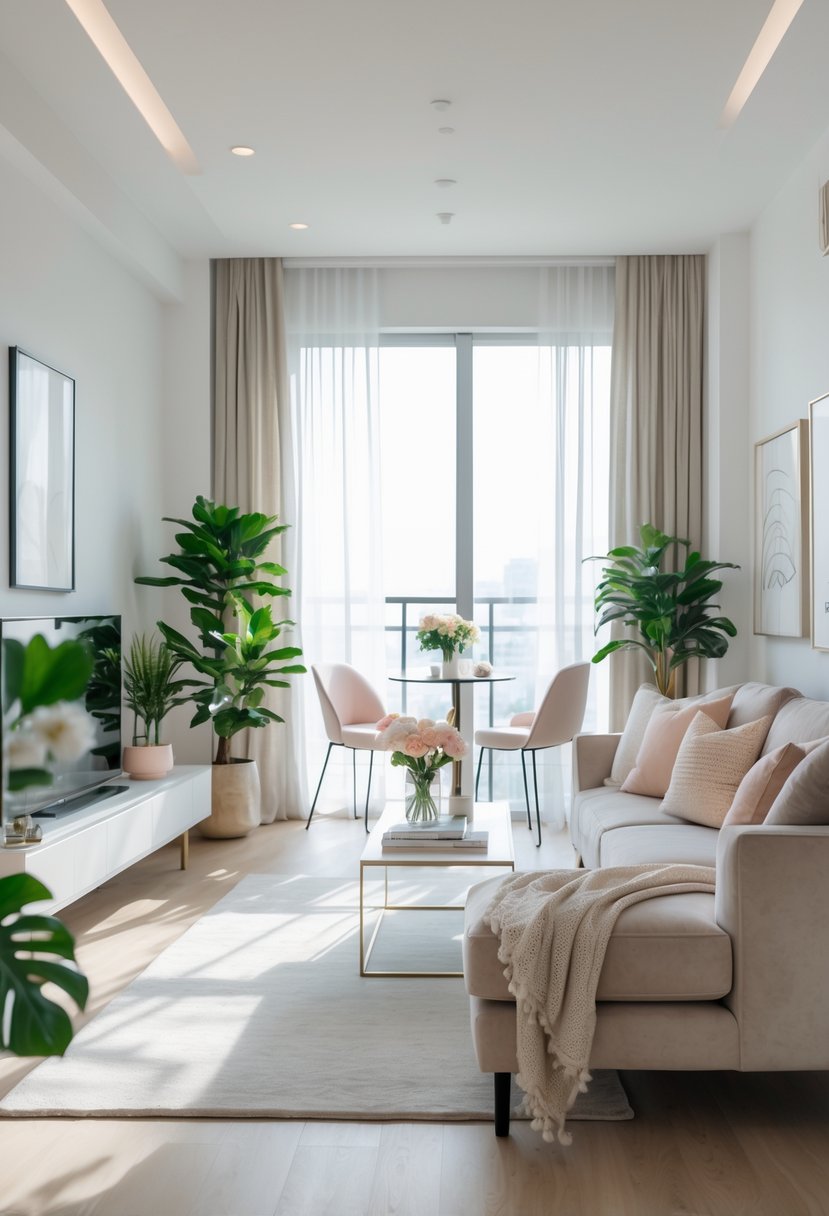
Focus on choosing art, fabrics, and decor that reflect daily routines and favorite colors. Prioritize pieces that fit the room’s scale, support function, and create a consistent mood.
Incorporating Art and Textiles
They should pick art and textiles that set a clear mood—calm, bold, or cozy—and repeat that mood through the room. Start with a single large artwork or a three-piece trio above the sofa to anchor the space. Use a color from the art as a unifying accent in pillows, a throw, or a rug.
Layer textiles for depth: a low-pile rug for traffic areas, a textured throw on the armchair, and linen or cotton curtains to soften light. Keep scale in mind: large patterns need bigger furniture planes, while small prints work best on cushions and accessories. Rotate smaller artworks seasonally to refresh the look without big expense.
Practical tip: choose machine-washable pillow covers and stain-resistant rugs in high-traffic spots. Use simple frames and consistent matting for a gallery wall to avoid visual clutter.
Mixing Vintage and Modern Decor
They should balance eras by matching color, material, or scale between vintage and modern pieces. Pair a mid-century sofa with a contemporary metal coffee table, or place an antique mirror above a sleek console to blend character with clean lines.
Use three simple rules: limit vintage statement pieces to one or two per room; repeat a material (wood, brass, or leather) across items to tie them together; keep proportions compatible so small vintage finds don’t vanish next to large modern furniture. Group smaller vintage accessories on a single shelf or tray to create one curated vignette rather than scattering them.
Practical swaps: refinish or reupholster an heirloom chair in a neutral fabric for longevity. Add modern lighting to highlight vintage work and ensure the room stays functional and well-lit.
Frequently Asked Questions
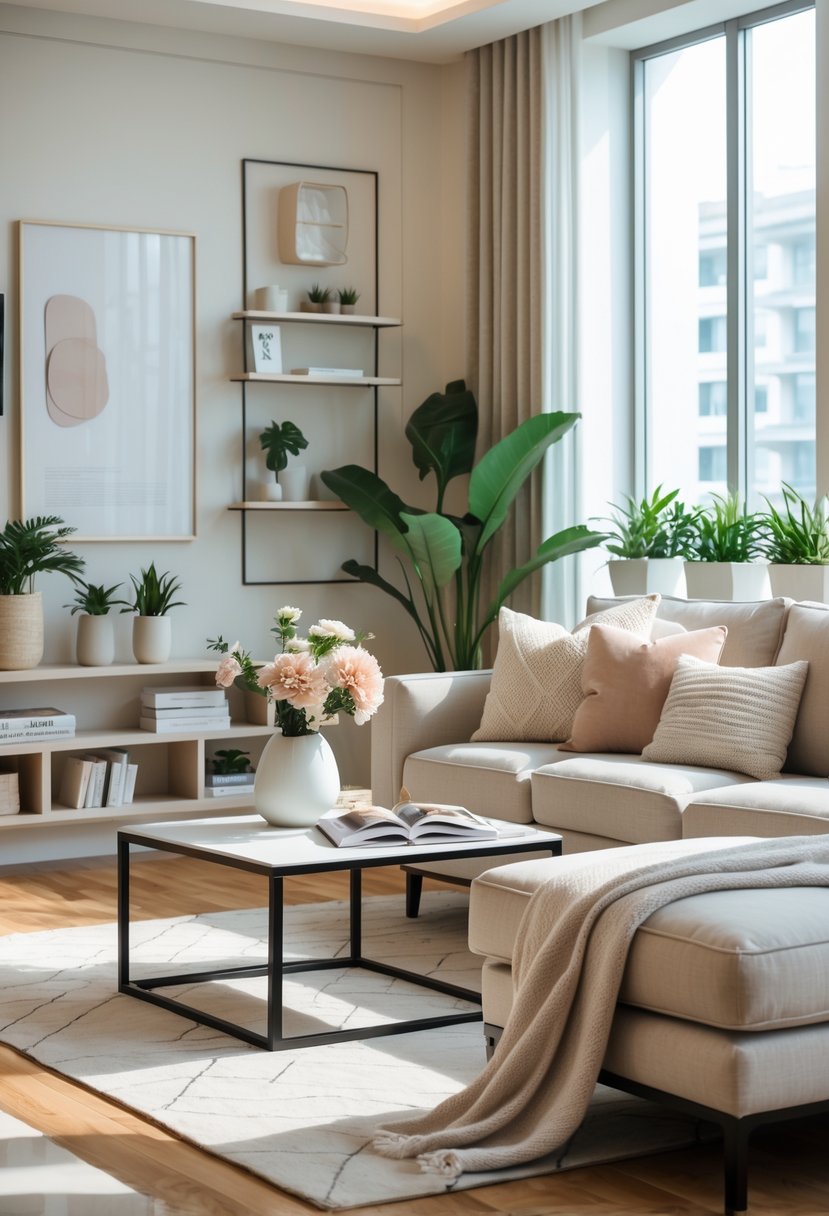
This section covers practical steps for using sculptural furniture, warm neutral palettes, layered textures, subtle personal art, and minimalist lighting to make an apartment feel chic and lived-in. Each answer gives clear, actionable tips for design and layout.
What are the key elements to create a chic apartment aesthetic?
They should choose sculptural furniture as focal pieces to anchor a room. A sofa with clean lines or a curved accent chair creates instant shape and style.
They should use a warm neutral color palette—soft beiges, greiges, and muted ochres—to keep the space calm and cohesive. Paint, large textiles, and window treatments should stick to that range.
They should layer textures with rugs, throws, and pillows to add depth. Mix boucle, linen, and low-pile rugs for contrast.
They should include subtle personal art and photos to make the space feel lived in. One or two well-placed pieces tell a story without clutter.
How can I incorporate color and texture while maintaining a sophisticated look?
They should start with a neutral base on walls and large furniture. That base lets accent colors and textures shine without overwhelming the room.
They should add color in small doses: a single accent chair, art, or vases in muted tones like dusty rose or sage. Keep saturation low for a refined feel.
They should combine textures—velvet cushions, a wool throw, and a woven rug—to create visual interest. Vary scale so textures don’t compete.
What furniture pieces are essential for a stylish yet functional apartment space?
They should include one sculptural statement piece, like a curved sofa or sculpted armchair. That item defines the room’s character.
They should choose a versatile coffee table and a slim console with storage for function. Look for pieces with hidden storage or multiuse surfaces.
They should add a small dining table that doubles as a work surface in a studio or small apartment. Foldable or extendable designs save space and stay elegant.
How do I choose the perfect lighting to enhance my chic apartment design?
They should use minimalist lighting fixtures with clean shapes to match the aesthetic. Think pendant lights and slim floor lamps.
They should layer lighting: ambient (overhead), task (reading or work), and accent (art or displays). Use dimmers to control mood.
They should pick warm LED bulbs (2700K–3000K) for cozy, flattering light. Matte metal or frosted glass fixtures blend with warm neutrals.
What are some tips for integrating art and decor to elevate my apartment’s style?
They should pick a limited number of art pieces and give each room one focal artwork. A single large piece looks cleaner than many small ones.
They should display personal photos in simple frames and group them with books or sculptural objects. Keep frames consistent in color and scale.
They should add subtle decor accents like a ceramic vase, a sculptural lamp, or a textured throw. These items add character without clutter.
Can you suggest ways to maximize space without compromising on elegance in a small apartment?
They should choose multi-functional furniture: ottomans with storage, beds with drawers, and nesting tables. These pieces keep the look tidy.
They should use vertical space—shelves and tall bookcases—to free floor area. Open shelving with curated items keeps the room light.
They should keep most surfaces clear and style small groupings only. A few well-chosen objects maintain elegance and make the space feel intentional.