

 By Trends Oraa
 You can turn a small balcony into a useful, peaceful outdoor space that fits your life and style. This article shows ways to add plants, save space, and make care easier so your balcony feels like a true extension of your home.
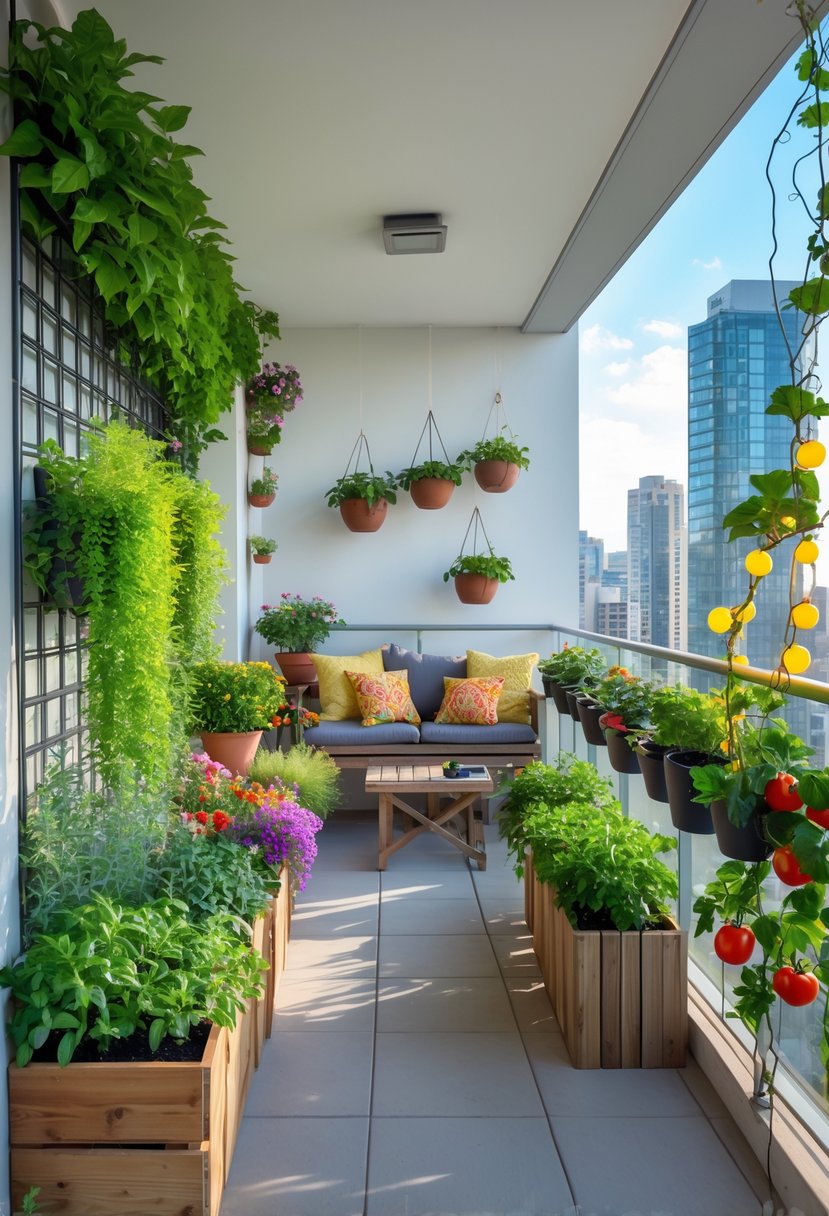
You will learn simple, practical ideas that work for tiny balconies, sunny terraces, and everything between. The article covers space-saving setups, plant choices, and low-effort options so you can pick ideas that match your schedule and climate.
1) Vertical Garden Planters
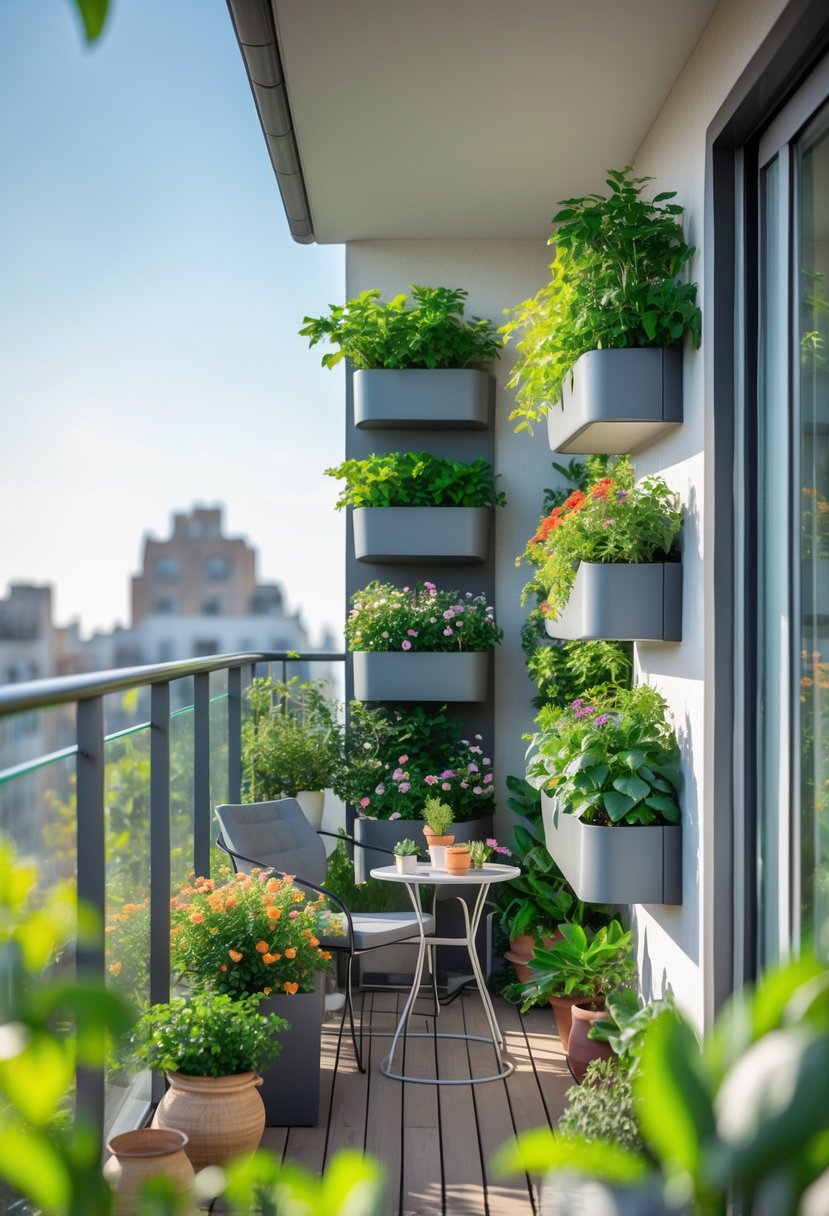
They stack pots or hang pockets to use wall space instead of the floor. This lets them grow herbs, lettuces, and small flowers on a small balcony.
They can choose modular towers, pallet planters, or recycled shoe organizers to fit style and budget. Proper drainage and lightweight soil keep plants healthy and the structure safe.
Regular watering and occasional fertilizer help plants thrive in vertical setups. Sunlight exposure guides plant placement for best results.
2) Hanging Railing Flower Pots
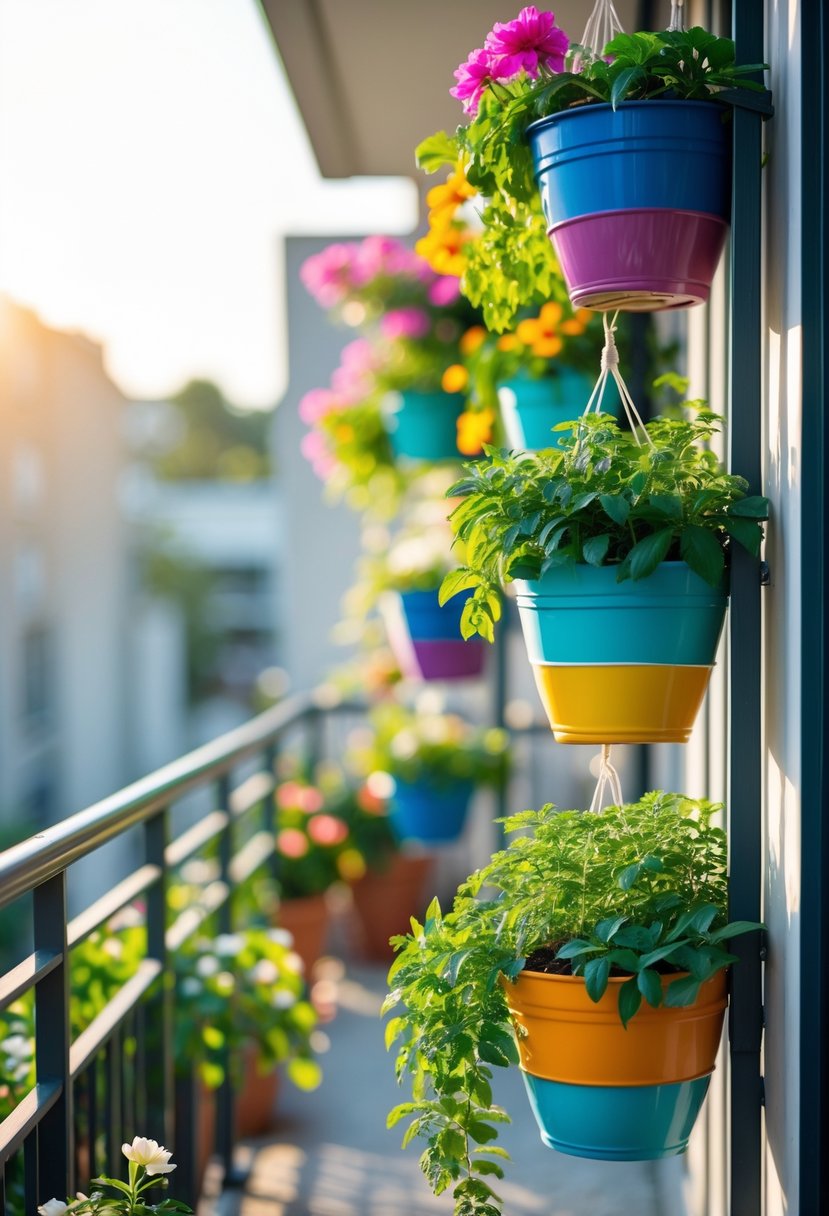
They mount pots directly to the railing to save floor space and add color at eye level.
They work well for flowers, herbs, and small vegetables that need good drainage and sun.
Choose sturdy hooks or brackets rated for outdoor use and the pot weight.
Mix trailing plants with upright ones for depth and easier watering access.
3) Compact Herb Garden Boxes
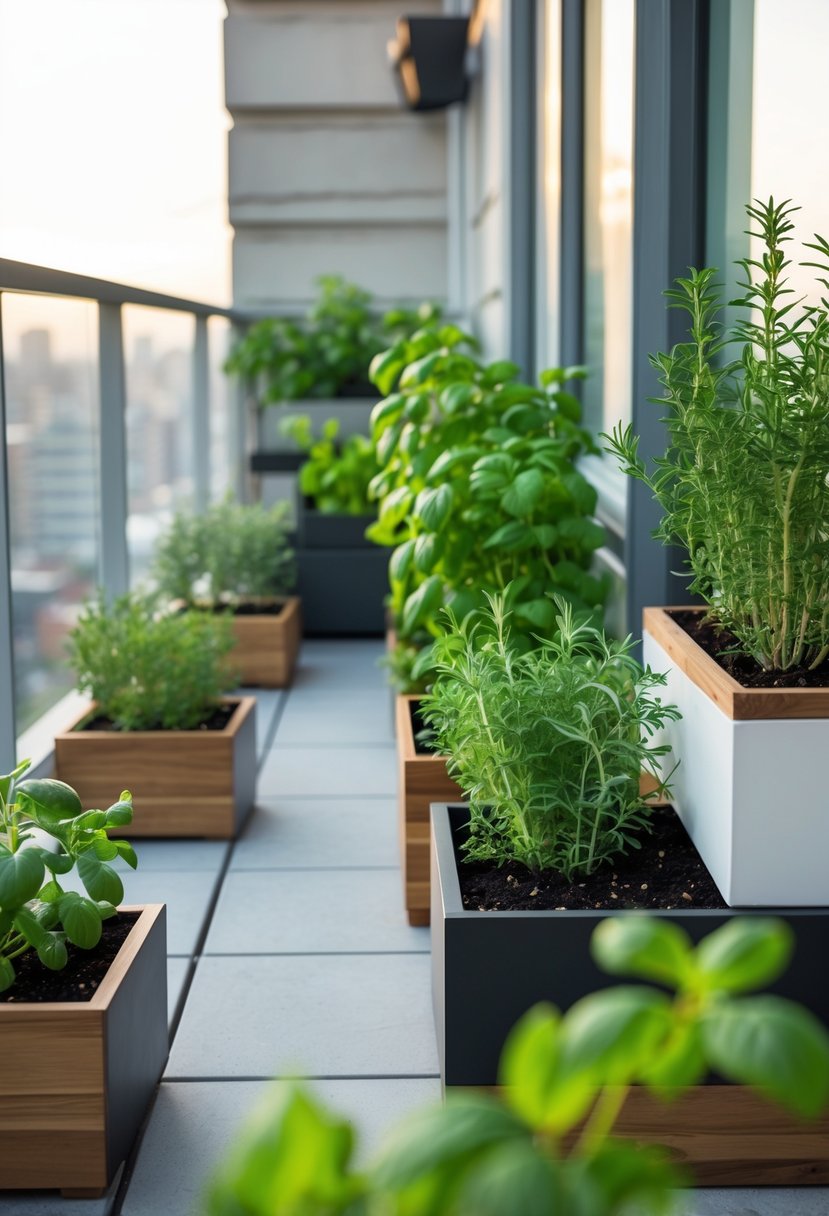
They fit neatly on railings, ledges, or narrow shelves, making use of small balcony space. A box lets herbs grow close together while keeping roots healthy with good drainage.
Choose shallow boxes for herbs like parsley and basil, and deeper ones for rosemary or chives. Rotate plants for even sun exposure and water when the top inch of soil feels dry.
Label each box and space plants by water needs to avoid overwatering. Box gardens stay tidy and make harvesting quick and simple.
4) Trellises for Climbing Plants
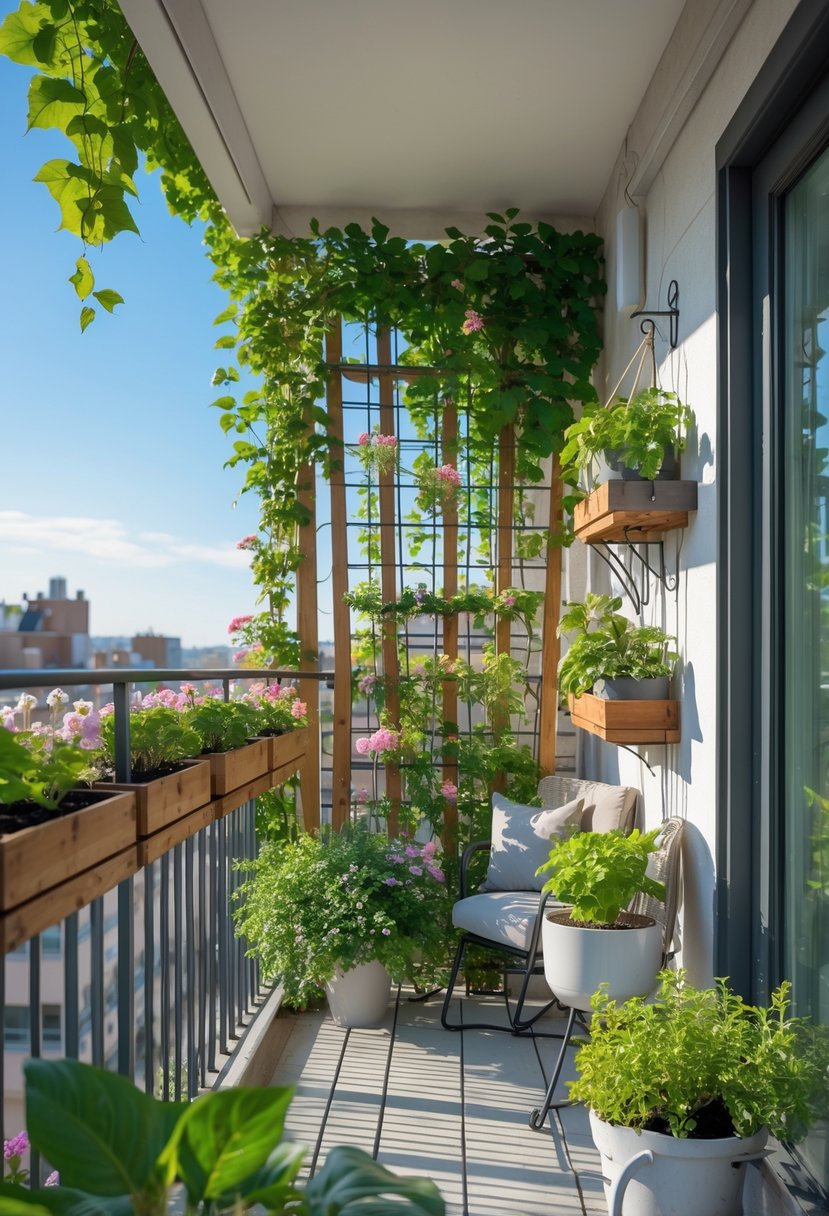
Trellises give climbing plants solid support and save floor space on a balcony. They let vines, peas, and tomatoes grow upward, creating a green wall without taking much room.
They can be simple bamboo poles, wooden lattices, or metal grids. Choosing a sturdy, weatherproof material helps plants climb safely through the season.
Trellises also add privacy and visual interest. They make a small balcony feel taller and more planted while keeping vines tidy.
5) Stackable Plant Shelves
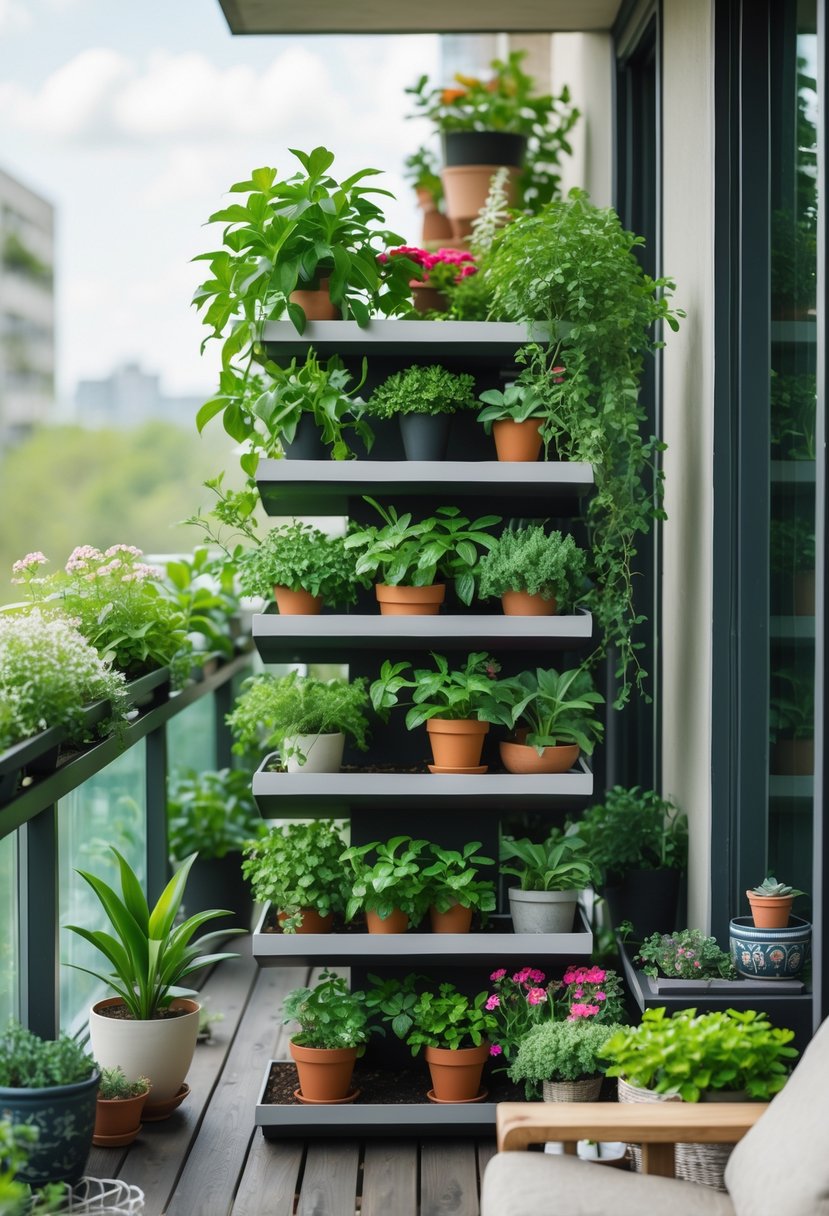
They save floor space by building upward, fitting many pots in a small balcony. The shelves come in wood, metal, or plastic to suit different styles and budgets.
Stackable units let gardeners change the layout easily. They can add or remove tiers as plants grow or seasons change.
Locking wheels or modular grids add flexibility and stability. Proper drainage and weight limits keep the structure safe and long-lasting.
6) Self-Watering Containers
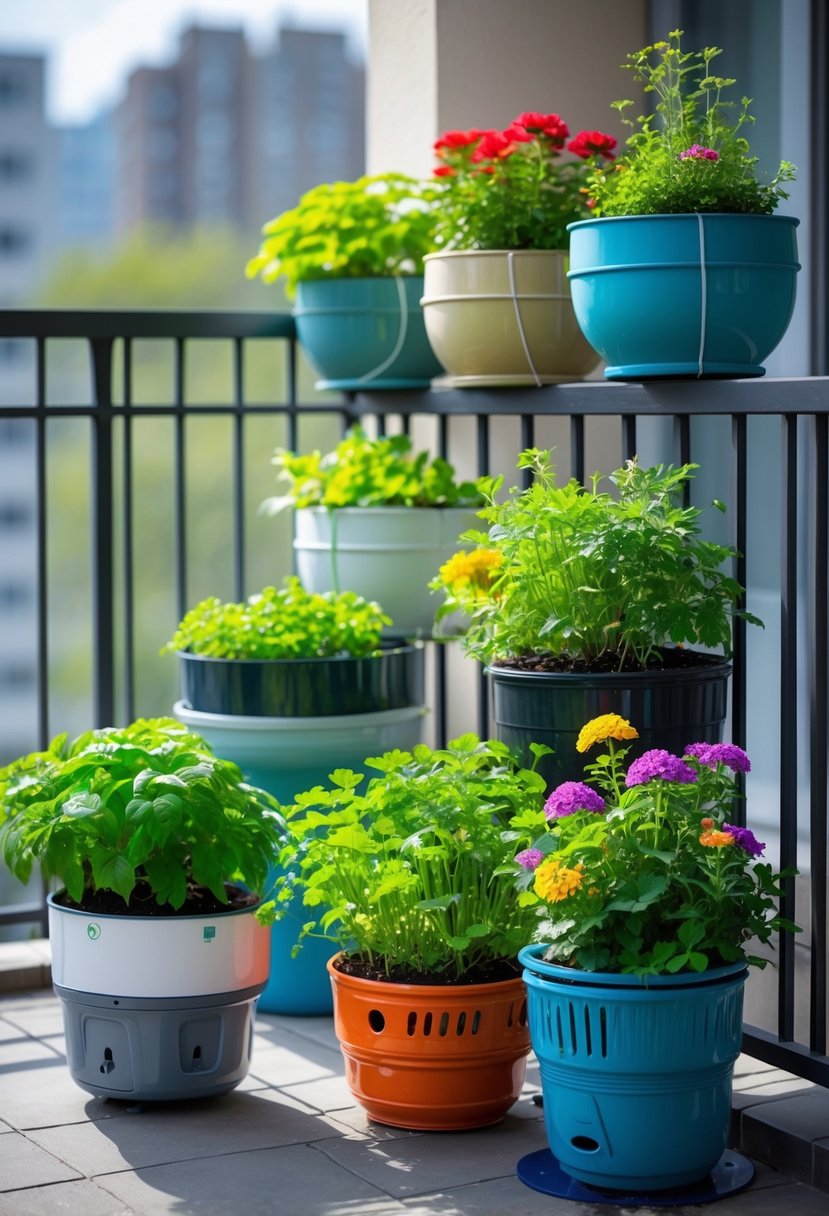
They hold a reservoir under the soil so plants drink as needed. This cuts down on daily watering and helps during hot spells or busy weeks.
They work well for herbs, lettuces, and small vegetables. Many designs fit balconies and save space while keeping roots evenly moist.
Choose a size that matches the plant’s water use. Check reservoirs weekly and flush the soil occasionally to avoid salt buildup.
7) Succulent Wall Frames
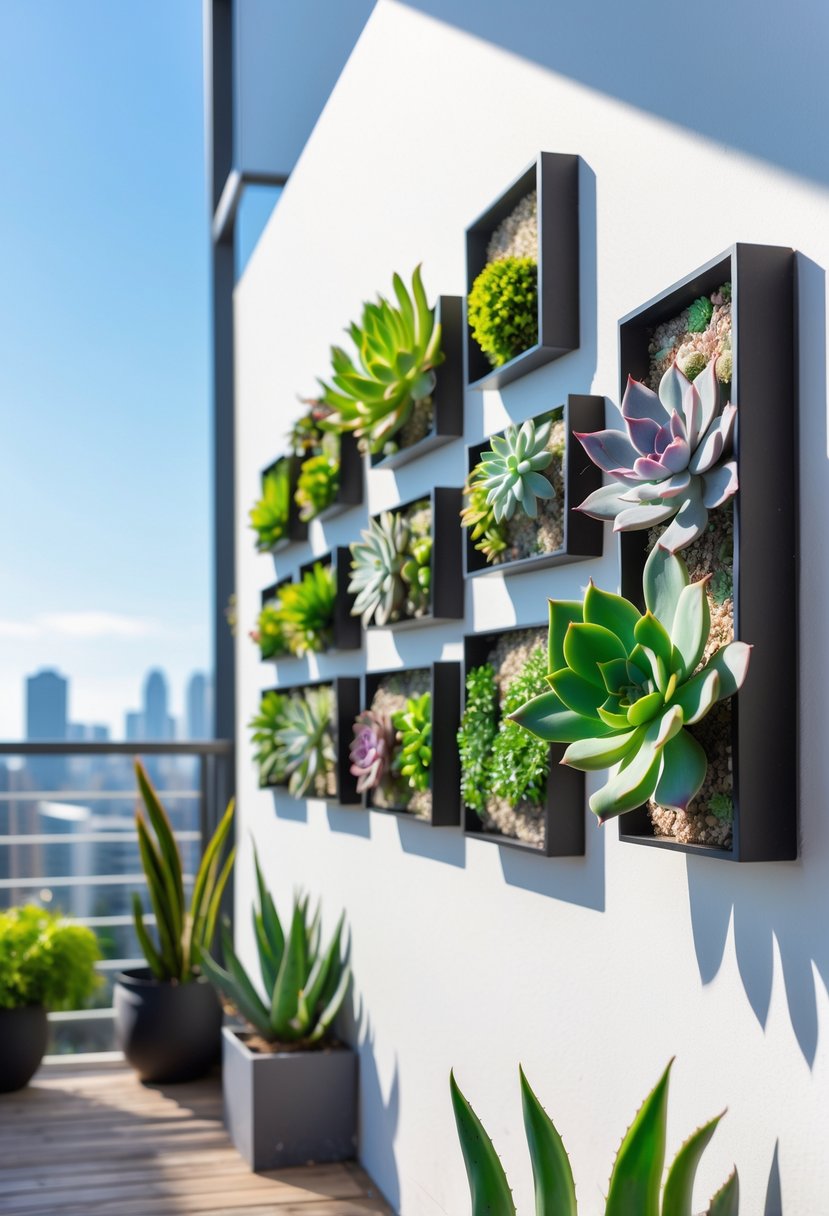
They turn a blank wall into a living display that fits small balconies. Frames work with shallow soil and well-draining mixes, so succulents stay healthy.
They can use repurposed window frames, wooden grids, or modular panels for easy mounting. Regular checking for drainage and sun exposure keeps plants thriving.
They offer low maintenance and strong visual impact. He or she can change arrangements seasonally without heavy work.
8) Mini Greenhouses
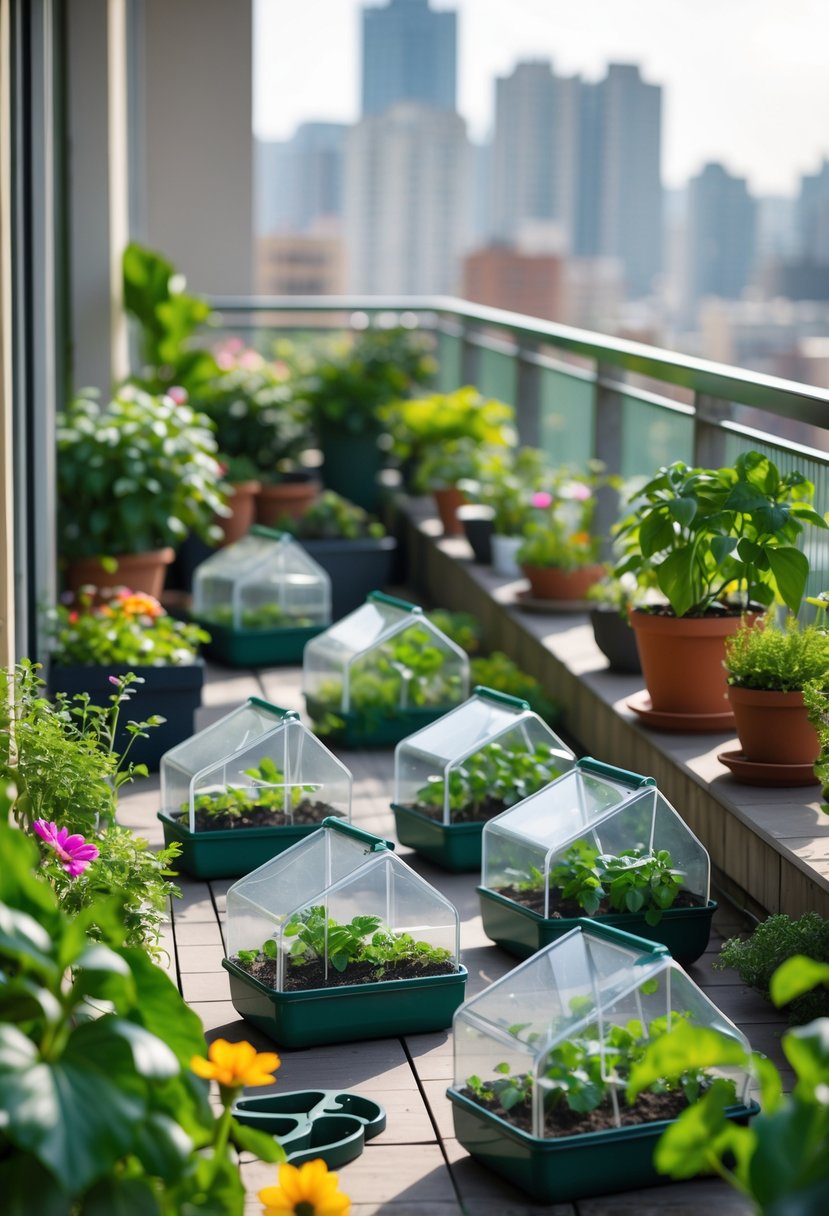
A mini greenhouse gives a balcony a controlled space for plants. It protects from wind and cold while extending the growing season.
They fit small areas and come as kits or DIY projects. People use them for herbs, seedlings, and tender flowers.
Lightweight frames and clear panels keep sunlight in and stay easy to move. Regular ventilation prevents mold and keeps plants healthy.
9) Decorative Solar Garden Lights
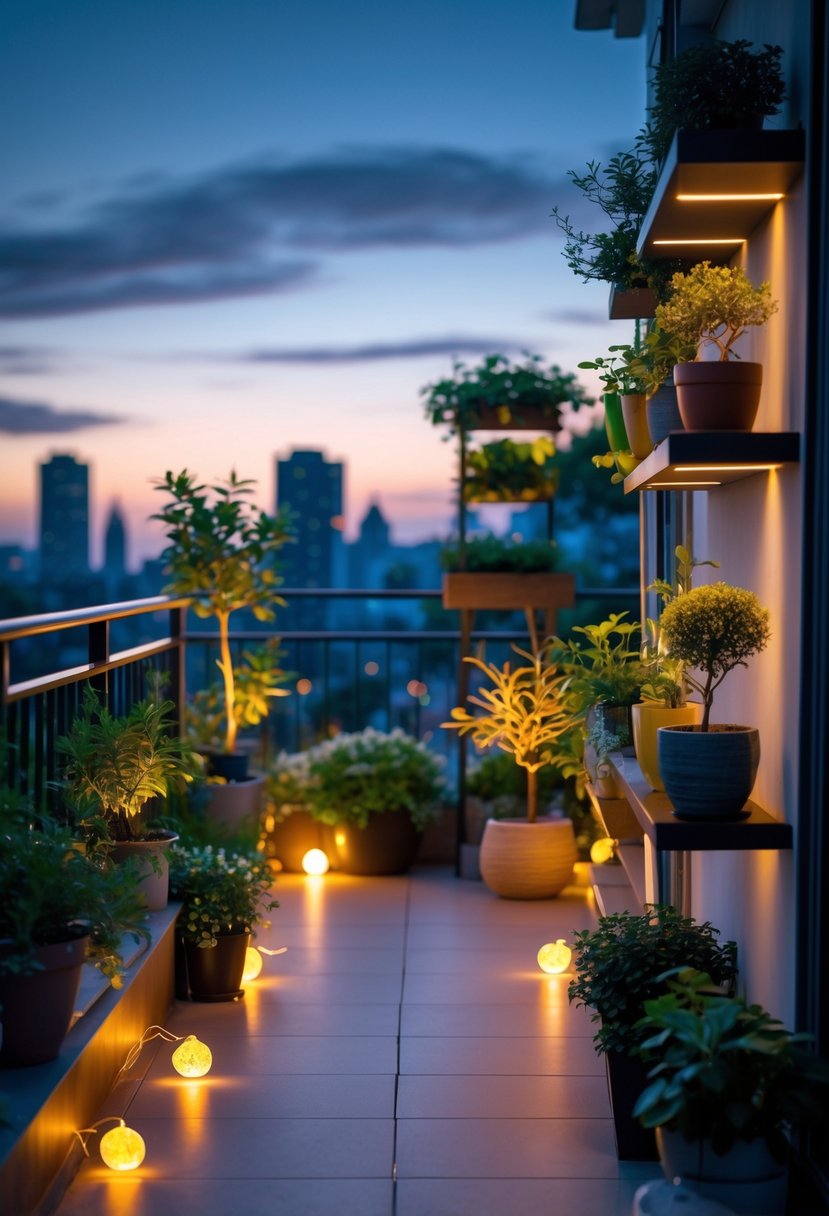
They add soft light without wiring and run on sunlight, so they stay cheap to operate.
Place string lights along railings or hang lanterns from hooks to create layers of glow.
She can use stake lights to mark paths or small potted fixtures to highlight plants.
Choose warm LEDs and weatherproof materials for longer life and a cozy feel.
10) Colorful Ceramic Plant Pots
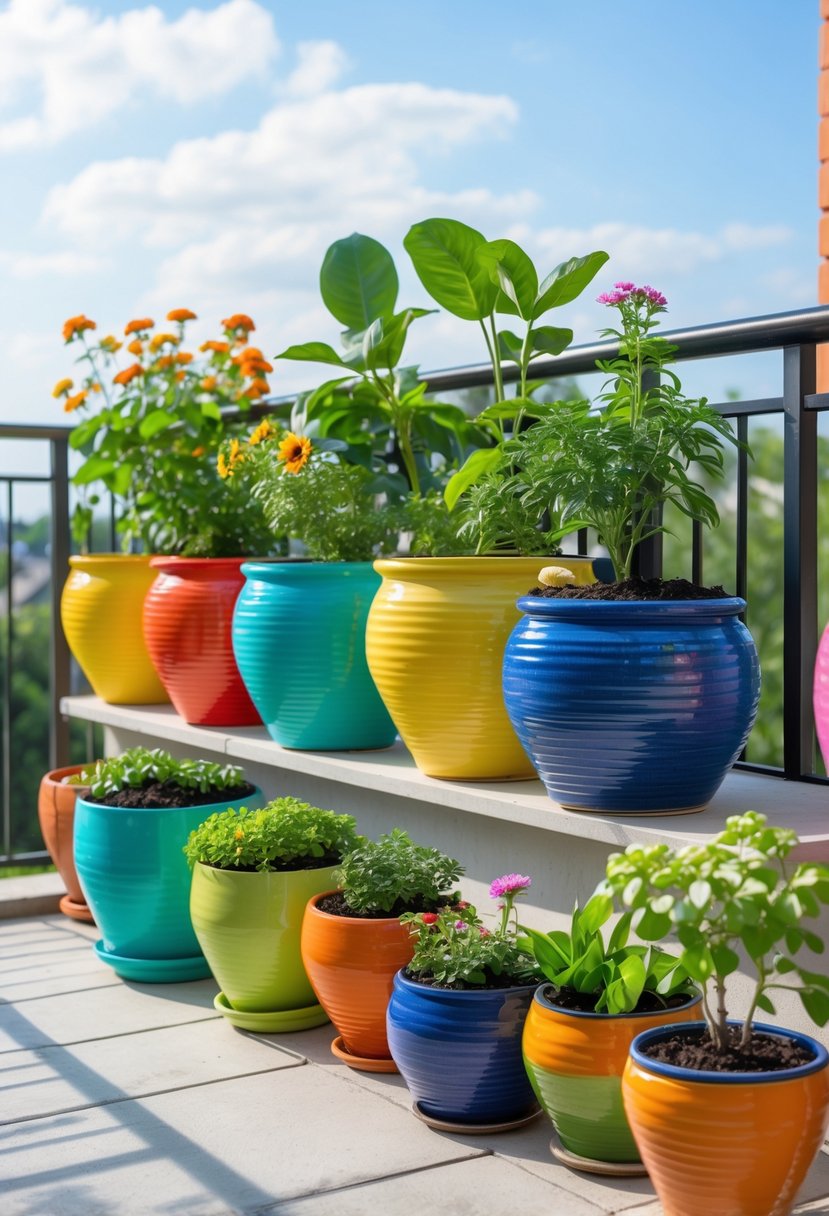
They brighten small balconies with bold hues and clean shapes. Bright ceramic pots pair well with green foliage and simple flowering plants.
They hold moisture well but need drainage holes to prevent root rot. Lighter colors reflect heat and protect sensitive roots on sunny days.
They work for single statement plants or grouped displays. Mixing sizes and colors creates visual rhythm without crowding the space.
Choosing the Right Plants for Your Balcony
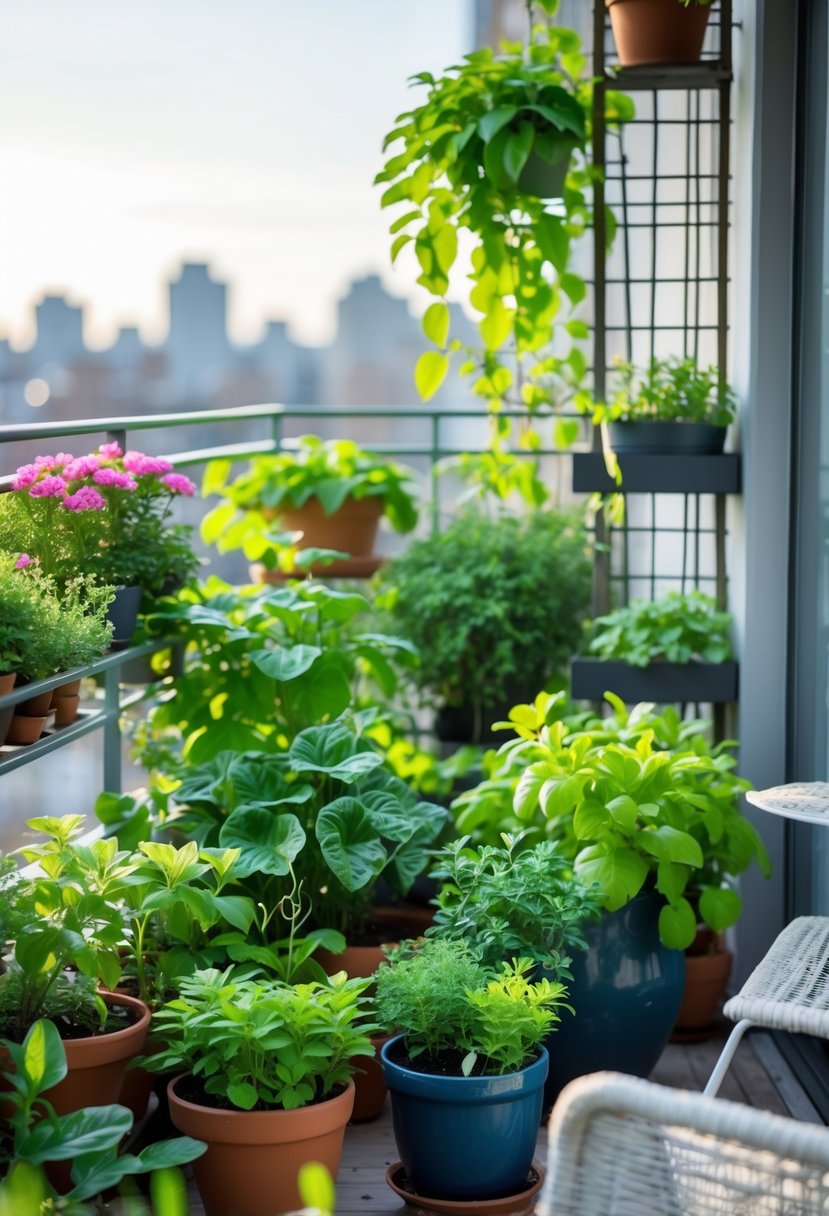
Pick plants that match the light, wind, and space the balcony offers. Think about container size, watering needs, and whether plants will get full sun, partial shade, or strong winds.
Assessing Sunlight and Space
They should measure daily sun hours in each area of the balcony for one week. Full sun means 6+ hours of direct light, good for tomatoes, lavender, and rosemary. Partial sun/shade (3–6 hours) suits pansies, basil, and lettuces. Full shade (<3 hours) works for ferns, begonias, and caladiums.
They must note where light shifts during the day. South- or west-facing spots get the hottest light; north-facing spots stay cooler. Track obstructions like neighboring buildings or overhangs that cast afternoon shade.
Space limits root depth and pot size. Use a rule: small railing planters = shallow-root plants; 10–15″ pots = medium shrubs or vegetables; 20″+ pots = small fruit trees or large herbs. Measure the balcony floor and railing width before buying pots.
Climate Considerations
They should check local hardiness and heat zones before choosing tender or hardy species. In hot, dry cities, pick drought-tolerant plants like succulents, lavender, and sage. In humid, wet climates, choose plants that resist rot and fungal issues, such as cannas and ligularia.
Wind exposure matters. High balconies often face strong gusts that dry and damage leaves. Use sturdy containers, windbreaks, or plant wind-tolerant species like ornamental grasses and rosemary. Grouping pots together also reduces wind stress.
Seasonal care varies by climate. In colder zones, choose overwintering strategies: move pots indoors, use frost cloths, or plant perennials rated for local lows. In warm zones, plan for summer heat by providing afternoon shade and more frequent watering.
Maximizing Small Balcony Spaces
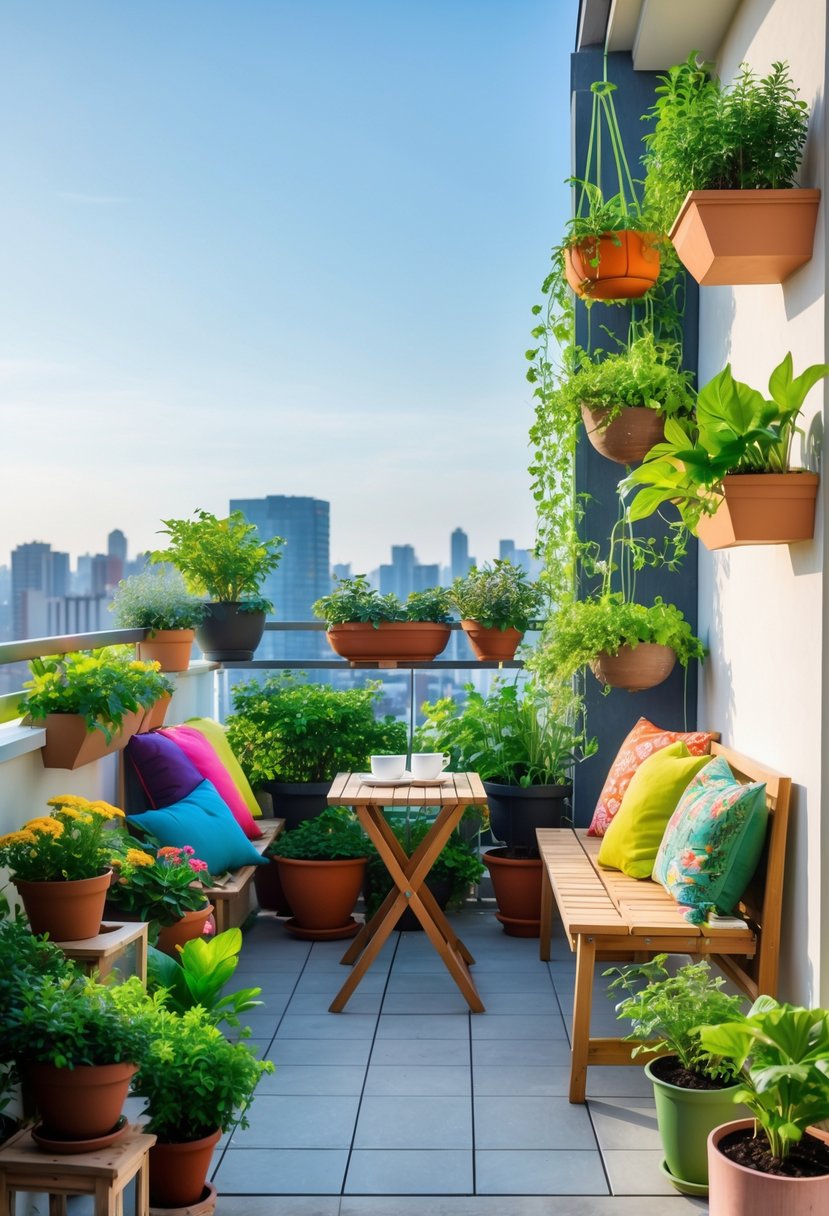
Make every inch count by using the walls, railings, and floor wisely. Choose systems that fit the balcony’s weight limits, sun exposure, and access for watering.
Vertical Gardening Solutions
They should use vertical systems that attach to walls or stand free to save floor area. Examples include modular pocket planters, trellis frames, and tiered shelving. For weight safety, mount lightweight plastic pockets or fabric planters to studs or use freestanding metal racks when anchors aren’t available.
Select plants by light: sun-loving herbs and peppers on the top rows, shade-tolerant ferns or ivy lower down. Use a drip line or wick system to water multiple pockets at once and reduce runoff. Ensure good drainage by choosing containers with holes and adding a drainage tray or saucer to protect the balcony surface.
Rotate plants seasonally so vegetables and annuals don’t crowd out perennials. Use vertical elements for privacy screens by training climbers like clematis or morning glory on a trellis. Label pockets or rows to track watering and feeding needs.
Container and Hanging Planters
Pick containers sized to plant root needs: 6–8 inch pots for herbs, 12–16 inch for small vegetables, and larger tubs for compact shrubs. Use lightweight materials such as resin, fabric pots, or thin-walled plastic to reduce load on the floor and railings.
Hanging planters free up floor space and create layers of greenery. Secure hooks into structural beams or use railing-mounted brackets rated for the planter weight. For balcony rail planters, choose spill-proof designs with built-in reservoirs to extend time between waterings.
Group containers by watering needs to avoid over- or under-watering. Add a simple mix: one part potting soil, one part compost, and one part perlite for drainage. Place heavier pots on the floor near the building edge and lighter or hanging pots toward the outer railing to balance weight and sight lines.
Frequently Asked Questions
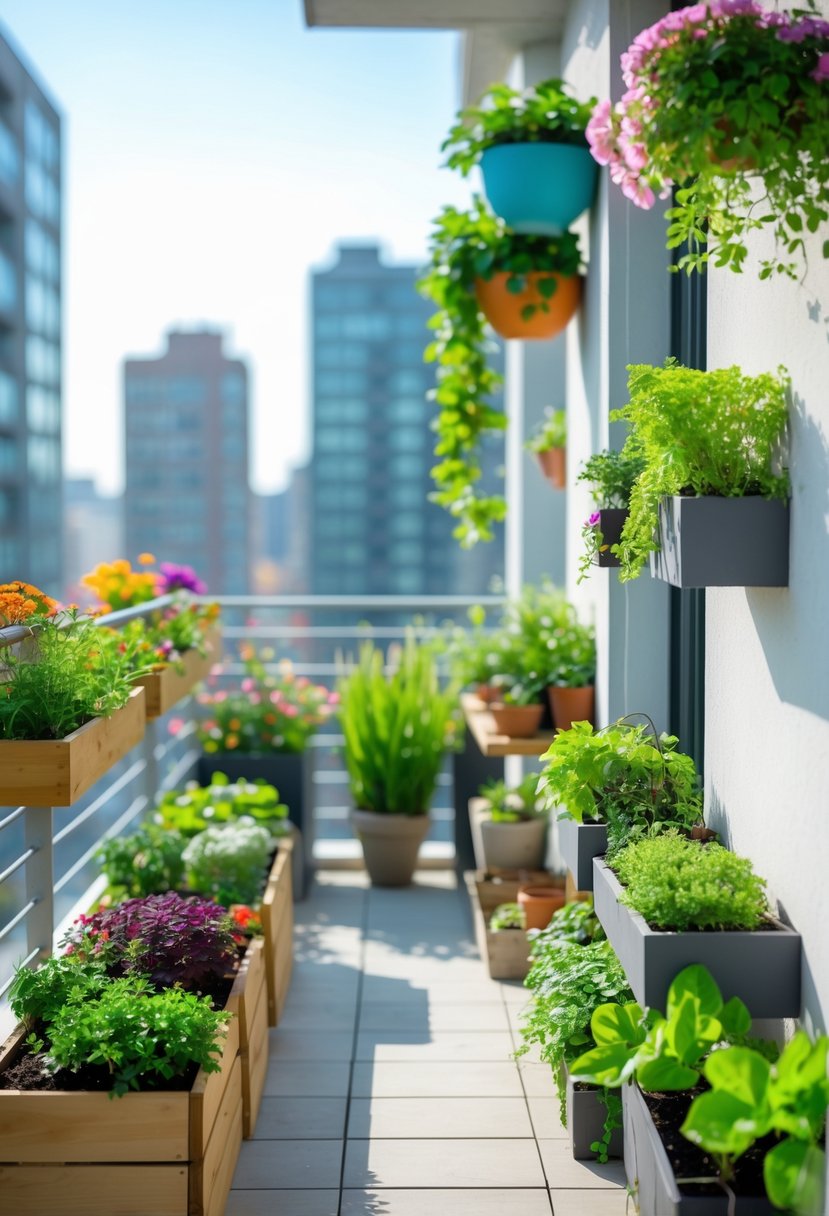
This section gives clear, practical answers about plant choices, privacy, space-saving setups, containers, weather protection, and routine care. It focuses on using vertical planters, hanging railing pots, herb boxes, trellises, and stackable shelves to fit small balconies.
What are the best plants for a small balcony garden?
Choose compact, slow-growing, or trailing plants that fit containers. Herbs like basil, parsley, and chives work well in herb boxes.
Flowering annuals such as petunias and pansies fit hanging railing pots. For vertical planters and trellises, use climbing plants like sweet peas or compact clematis.
For low light, pick snake plant, pothos, or ferns. For full sun, choose rosemary, lavender, or dwarf tomatoes.
How can I create privacy on my balcony with plants?
Use tall plants in narrow containers along the railing for instant screening. Bamboo in deep pots or fast-growing potted grasses block views without heavy structures.
Install a trellis with climbing vines like jasmine or clematis to add height and fragrance. Vertical garden planters also form a green wall when layered on the balcony side.
What are some space-saving solutions for growing a garden on a balcony?
Stackable plant shelves increase growing area without taking floor space. Place compact herb garden boxes on railings or shelves to keep walkways clear.
Hanging railing flower pots and vertical garden planters use vertical space. Trellises let climbing plants grow upward instead of outward.
Which type of containers should I use for a balcony garden?
Choose lightweight containers for easy moving, such as plastic, resin, or fabric grow bags. Use self-watering pots for herbs and plants that need steady moisture.
Pick deep containers for root vegetables and larger shrubs. Make sure every container has drainage holes to prevent waterlogging.
How do I protect my balcony garden from harsh weather conditions?
Move lightweight pots to a sheltered spot when strong winds or storms arrive. Use windbreaks like temporary screens or secure trellises to hold taller plants steady.
For cold snaps, cover plants with frost cloths or bring frost-sensitive pots indoors. In extreme sun, add shade cloth or position shelves to block midday sun.
What are the essential tips for maintaining a healthy balcony garden?
Water consistently but avoid overwatering; check soil moisture before watering. Fertilize regularly with a balanced container fertilizer to replace nutrients lost through frequent watering.
Prune dead growth and harvest herbs often to encourage new growth. Rotate plants seasonally and inspect for pests to keep the garden productive.