10 Chic Dreamy Bedroom Ideas: Confident Styling Tips for a Serene, Luxurious Sleep Space
They will find fresh yet simple ways to turn a bedroom into a calm, stylish retreat that feels both modern and personal. This article shows ten chic, dreamy bedroom ideas that make a space more inviting, comfortable, and visually striking.
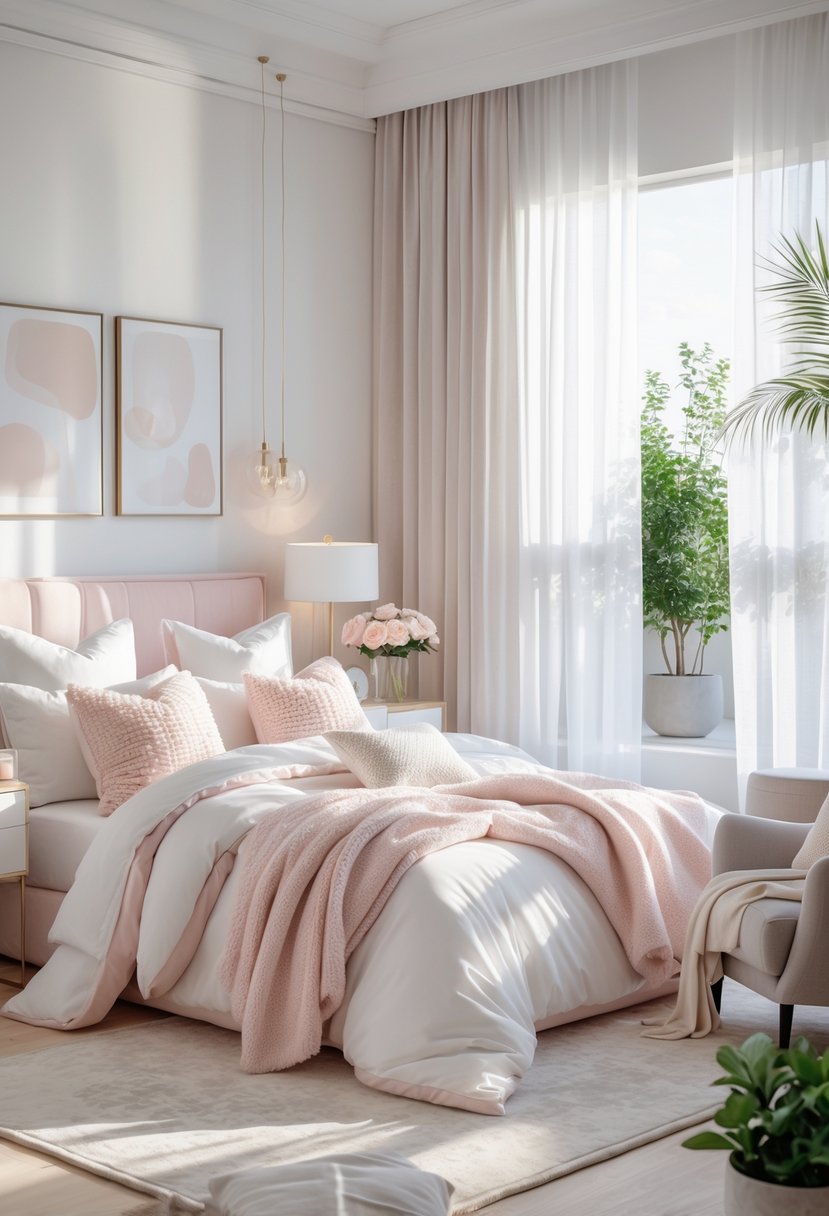
Each idea links to clear design choices—from soft pastels and textured textiles to smart lighting and thoughtful furniture—that anyone can use to shape their own cozy sanctuary. The tips balance style and function so the space looks beautiful and supports better rest.
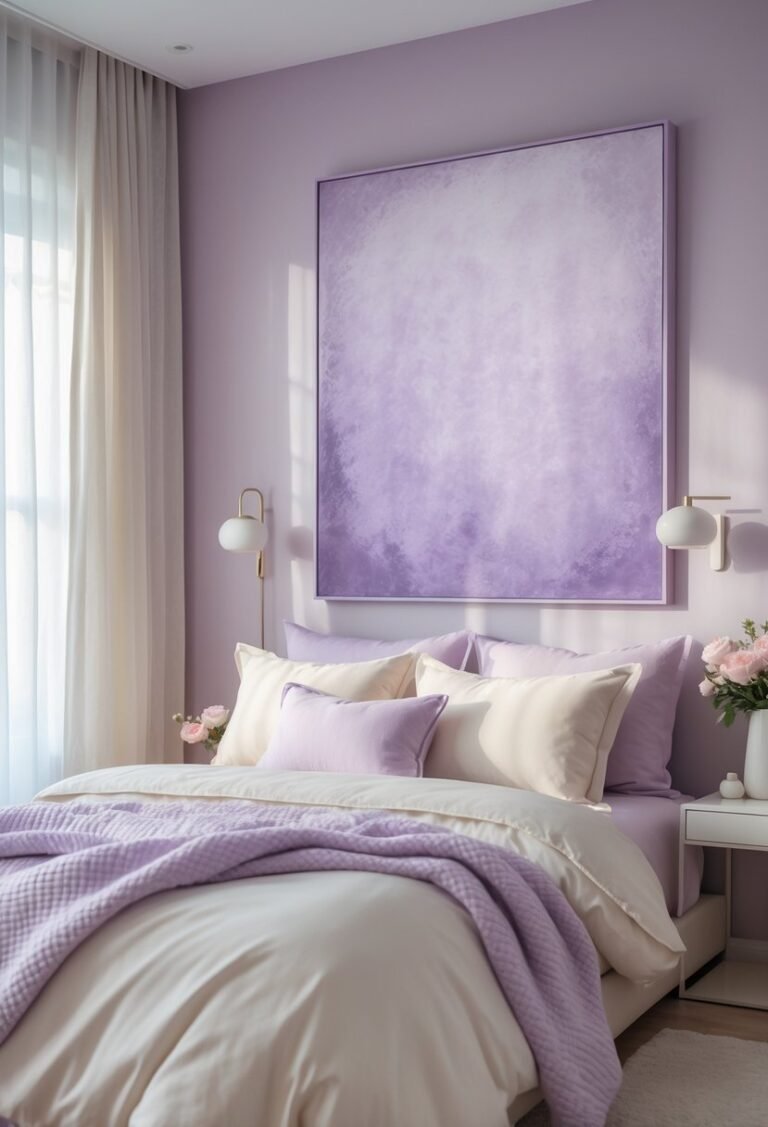
1) Soft pastel walls with mint green accents
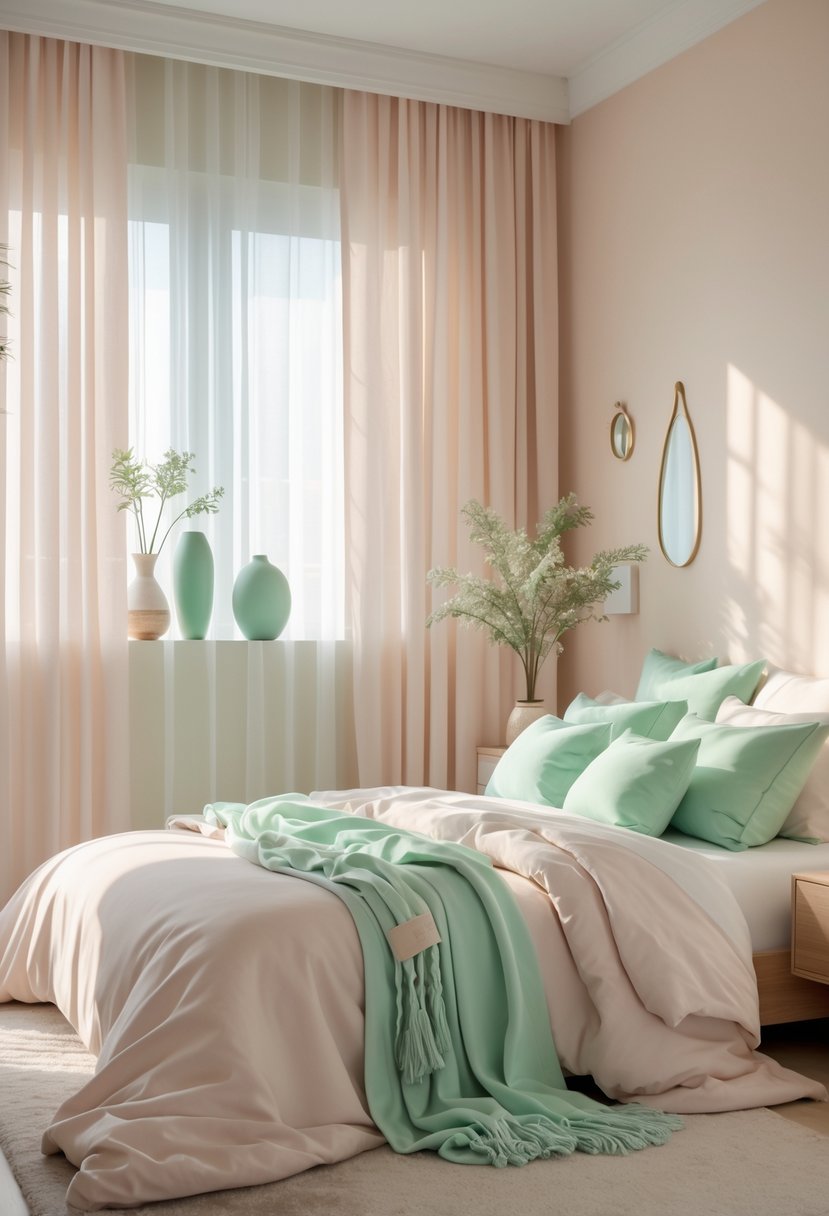
They paint the room in soft pastels like pale blush, cream, or light gray to keep the base calm. Mint green appears in pillows, a throw, or a single accent wall for a fresh pop.
The mint accents add brightness without overwhelming the space. Natural wood and white linens balance the palette and keep the look grounded.
2) Mid-century modern walnut platform bed
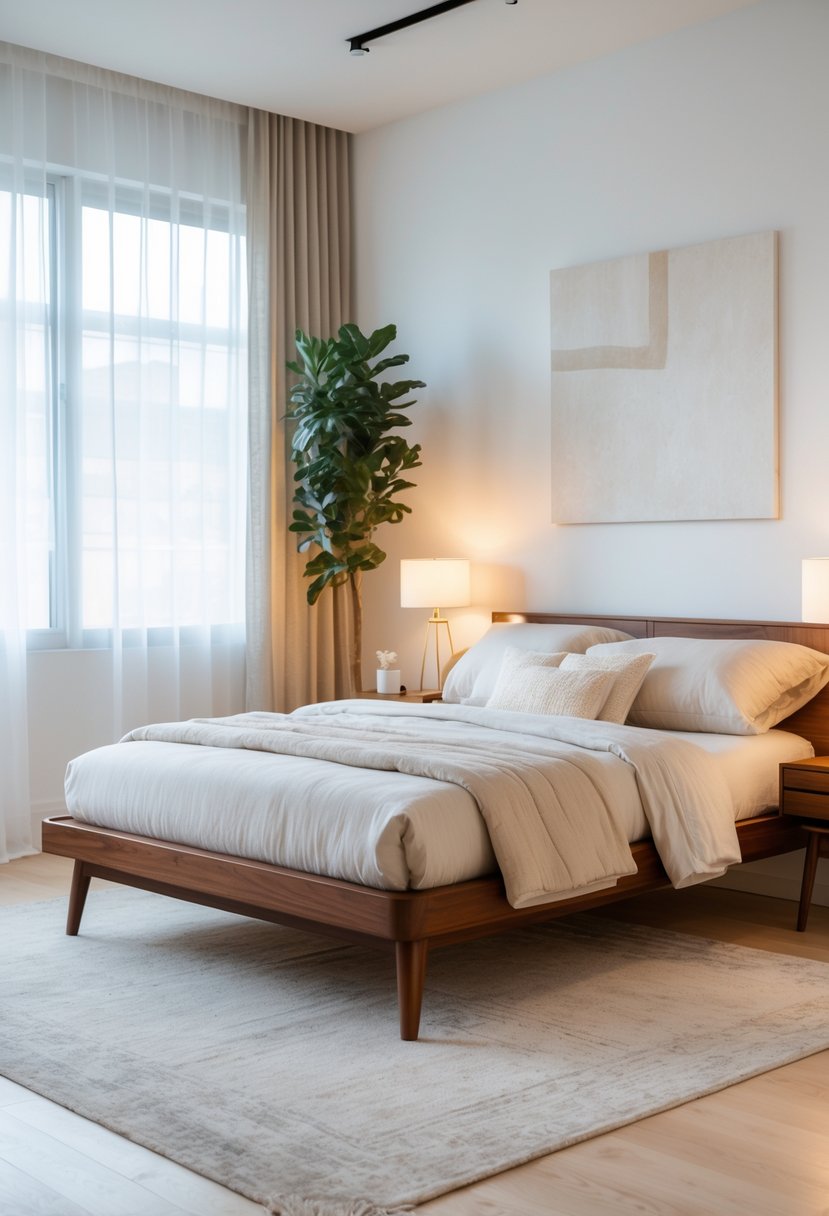
A walnut platform bed brings clean lines and warm wood tones to a bedroom. It anchors the space with a low profile, tapered legs, and a simple headboard.
They pair well with neutral linens and a single bold accent color. Nightstands with matching wood or matte finishes complete the mid-century look.
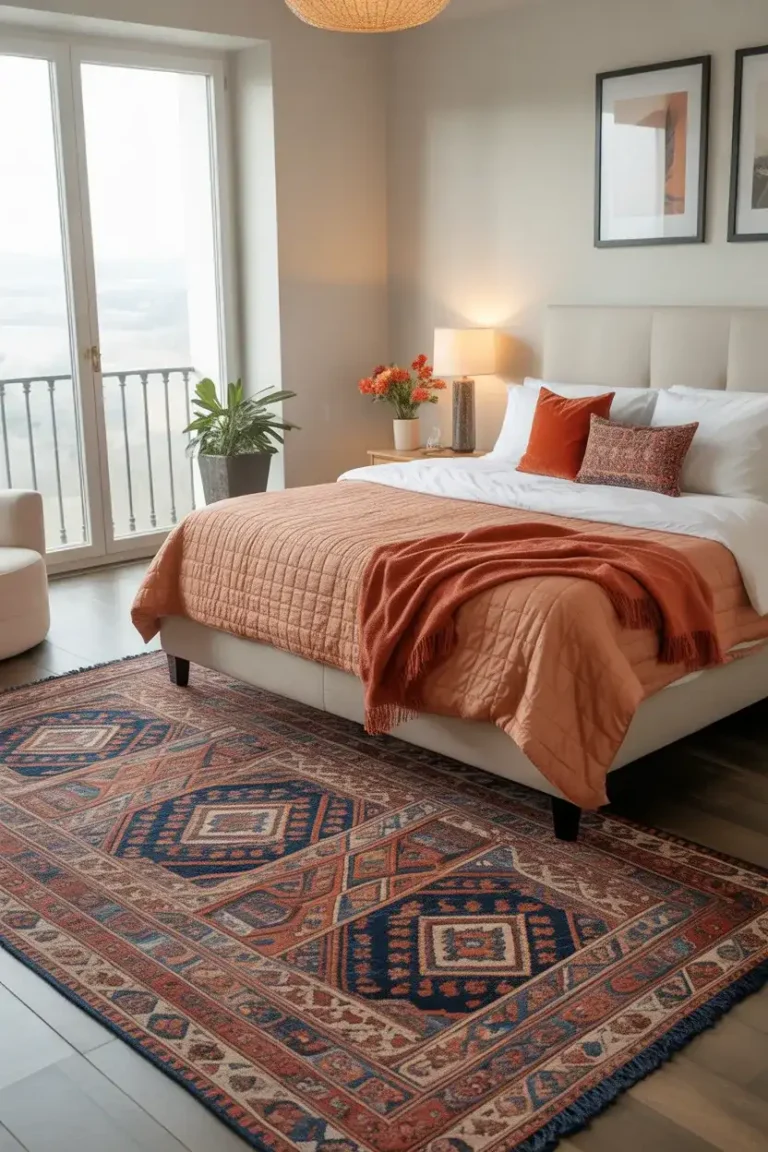
3) Geometric patterned area rugs in muted tones
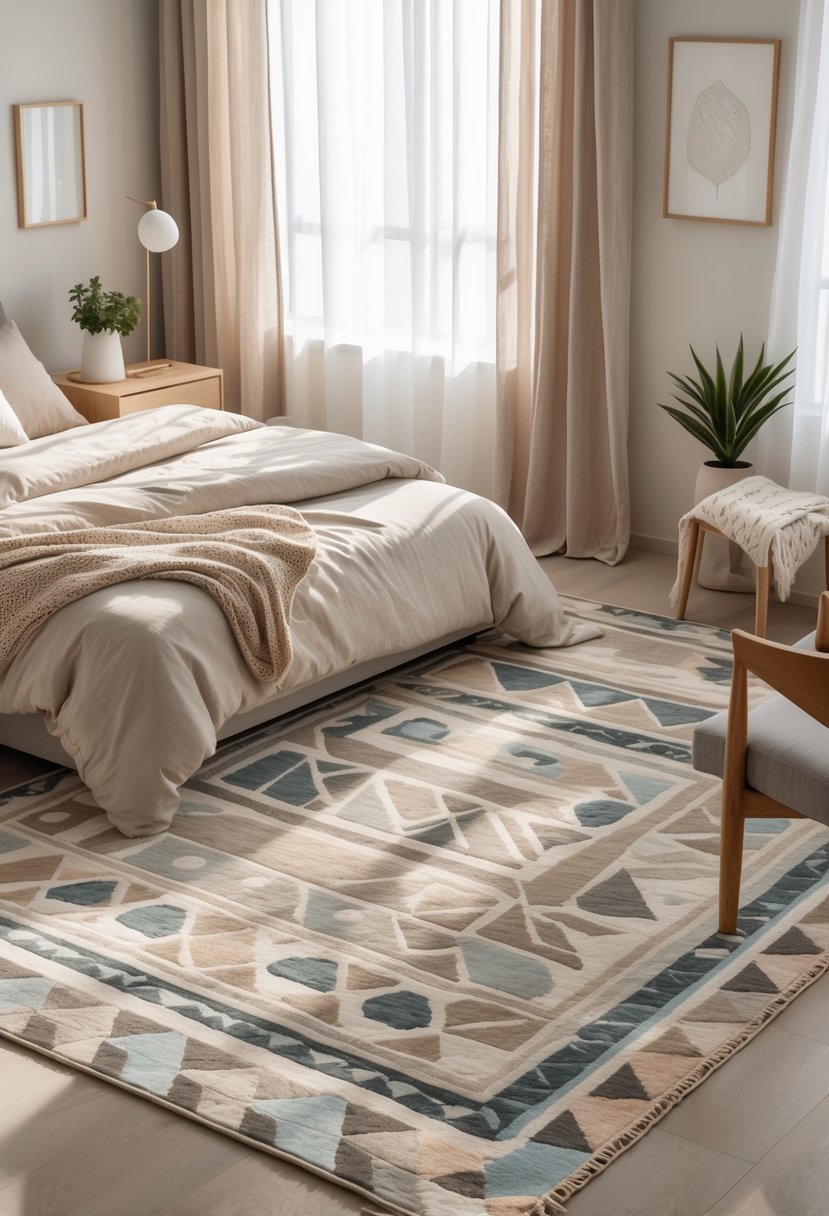
They anchor a bedroom with calm shapes and soft colors. Muted blues, greys, and warm neutrals keep the look serene while the pattern adds subtle interest.
They work under a bed or beside it to define the sleeping area. Choose low-pile, durable materials for easy cleaning and long wear.
Pair with simple bedding and a few textured pillows to avoid visual clutter. The rug becomes a quiet focal point that ties the room together.
4) Sunburst mirrors as focal wall decor
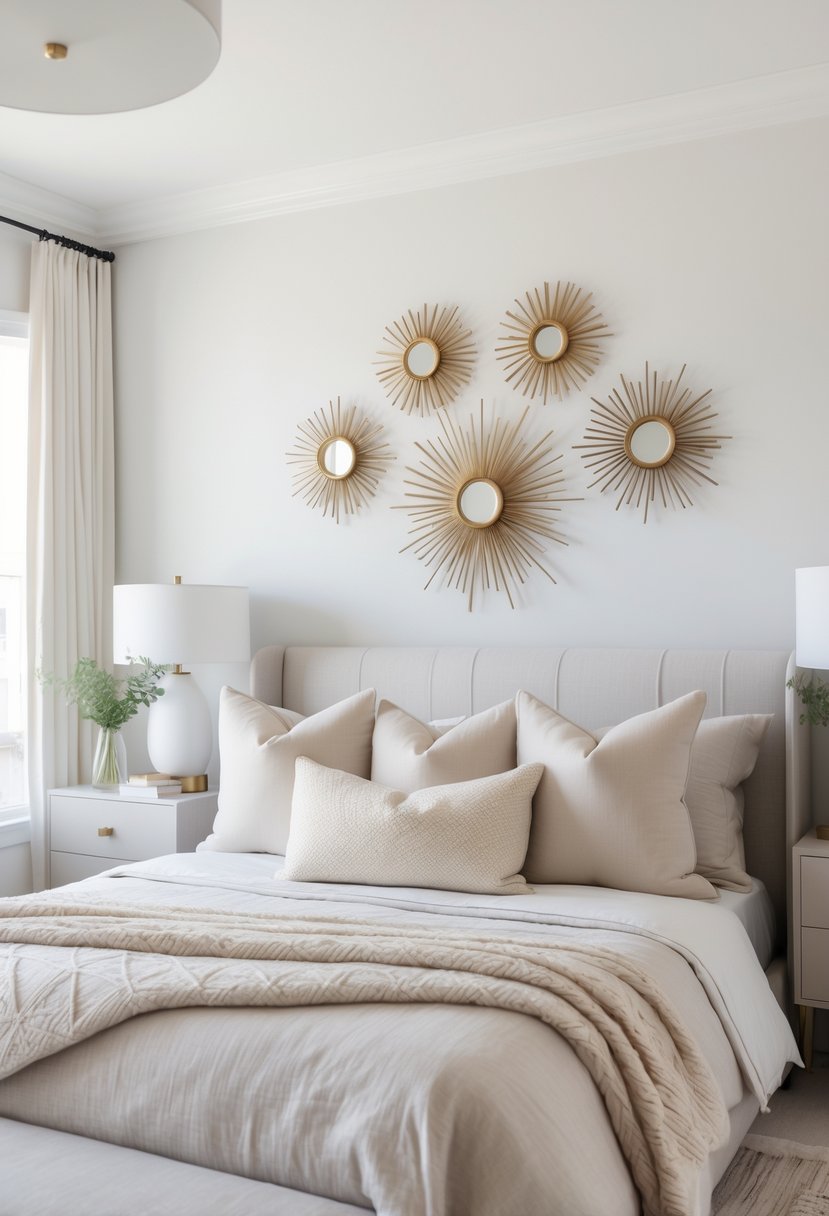
A sunburst mirror gives a bedroom a clear focal point. It reflects light and makes the space feel brighter without extra lamps.
They work well above dressers or beds and suit both modern and mid-century looks. Gold or brass frames add warmth, while painted finishes soften the effect.
Choose a size that balances the wall and nearby furniture. Layer with simple sconces or leave it alone for a bold, uncluttered statement.
5) Layered organic textiles for texture
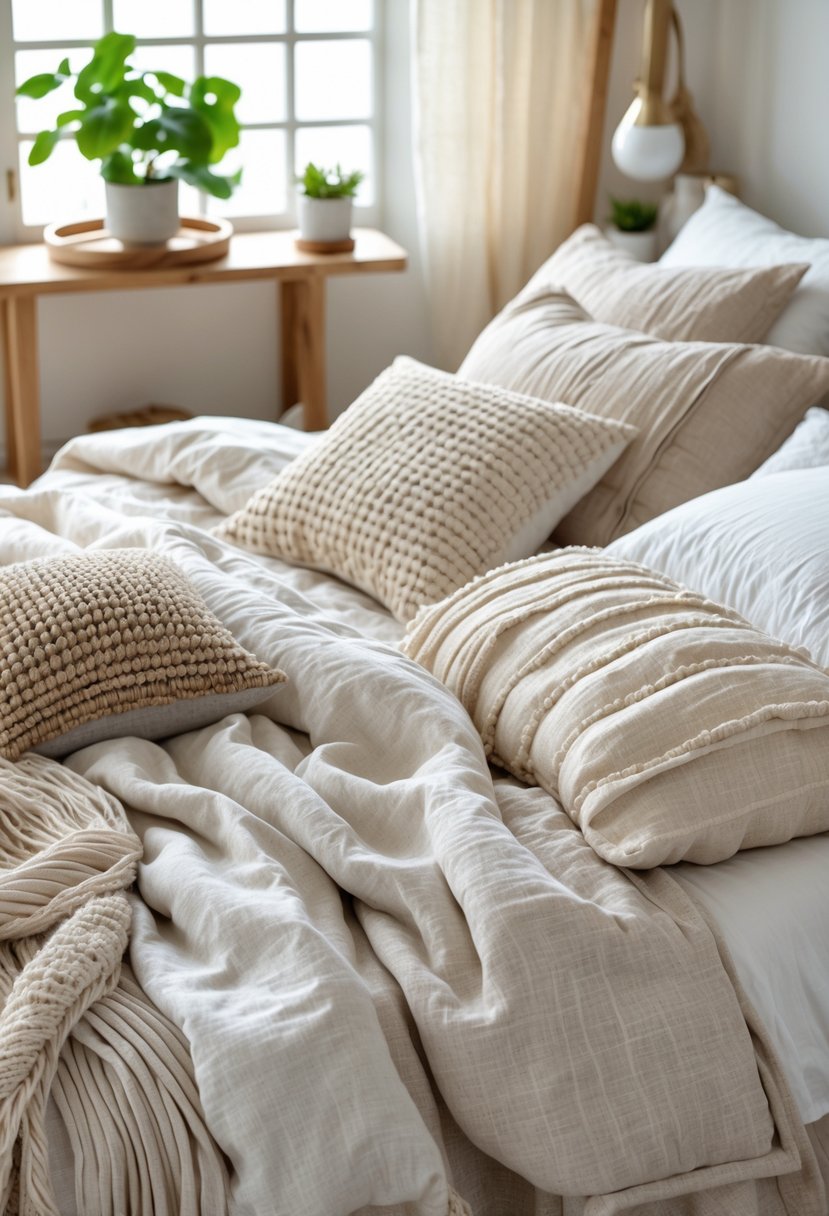
They choose natural fibers like linen, cotton, wool, and jute to build depth. These materials add warmth without heavy patterns.
Layer throws, quilts, and pillows in varying weights and weaves. The mix of smooth linen and chunky knit gives visual interest and comfort.
They keep colors muted—earth tones and soft pastels—to let texture stand out. Small accents, like a woven rug or hemp floor pillow, finish the layered look.
6) Built-in ambient LED lighting
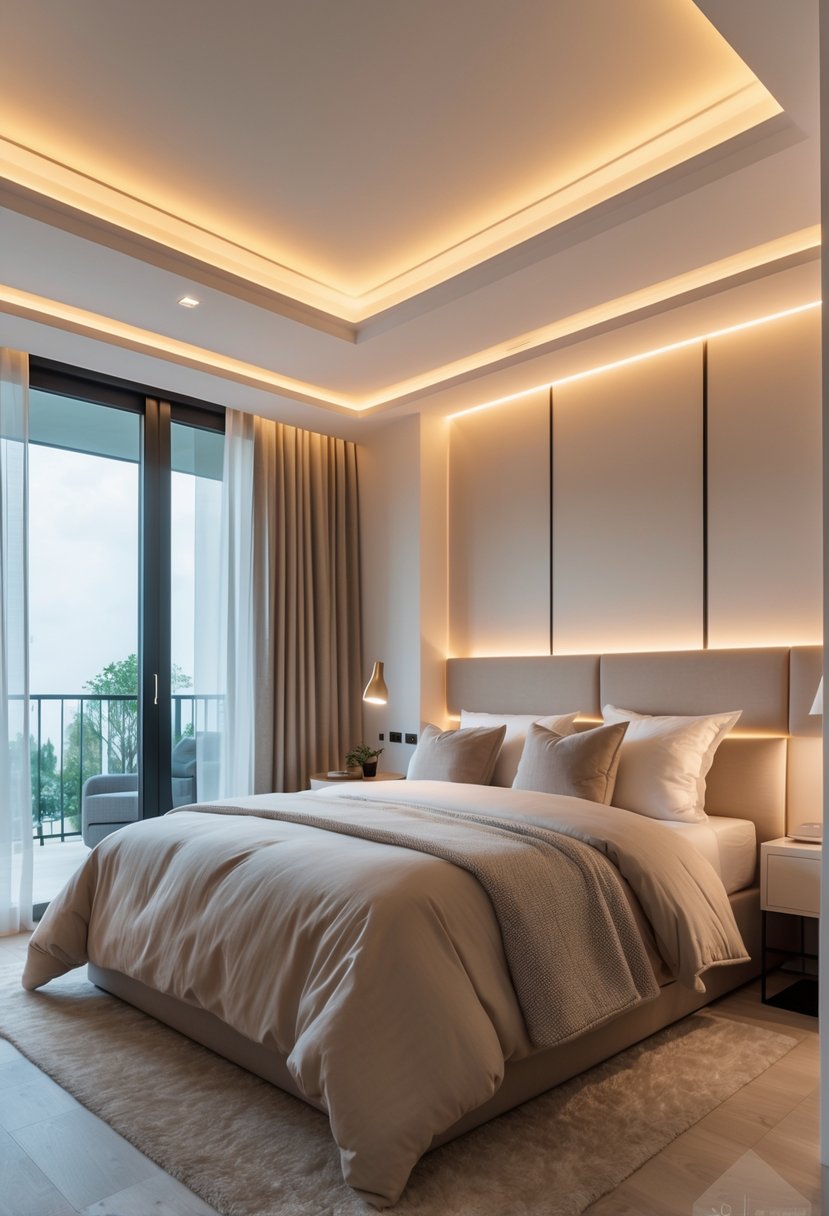
Built-in LED lighting adds soft, even light without visible fixtures. It can sit behind headboards, in coves, or under shelves to create a calm, layered glow.
Designers suggest warm color temperatures for bedrooms to support relaxation. They can dim or change color by remote or app for flexible mood control.
7) Velvet upholstered headboards in jewel tones
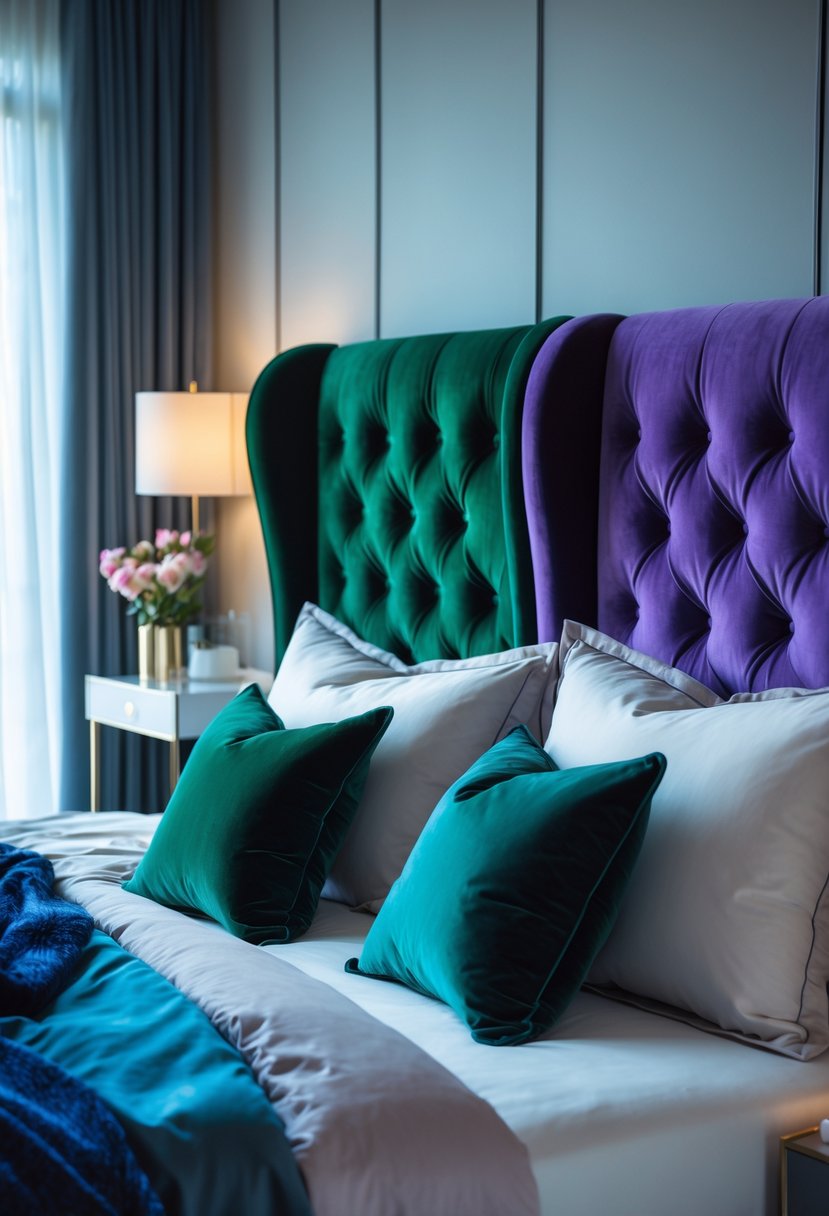
Velvet headboards in jewel tones add rich color and soft texture to a bedroom. They create a focal point without much effort.
They support sitting up to read or watch shows comfortably. Deep sapphire, emerald, and ruby shades pair well with neutral sheets and brass accents.
They work with modern or classic decor and come in tufted or smooth styles. Choose a size that fits the bed and room scale.
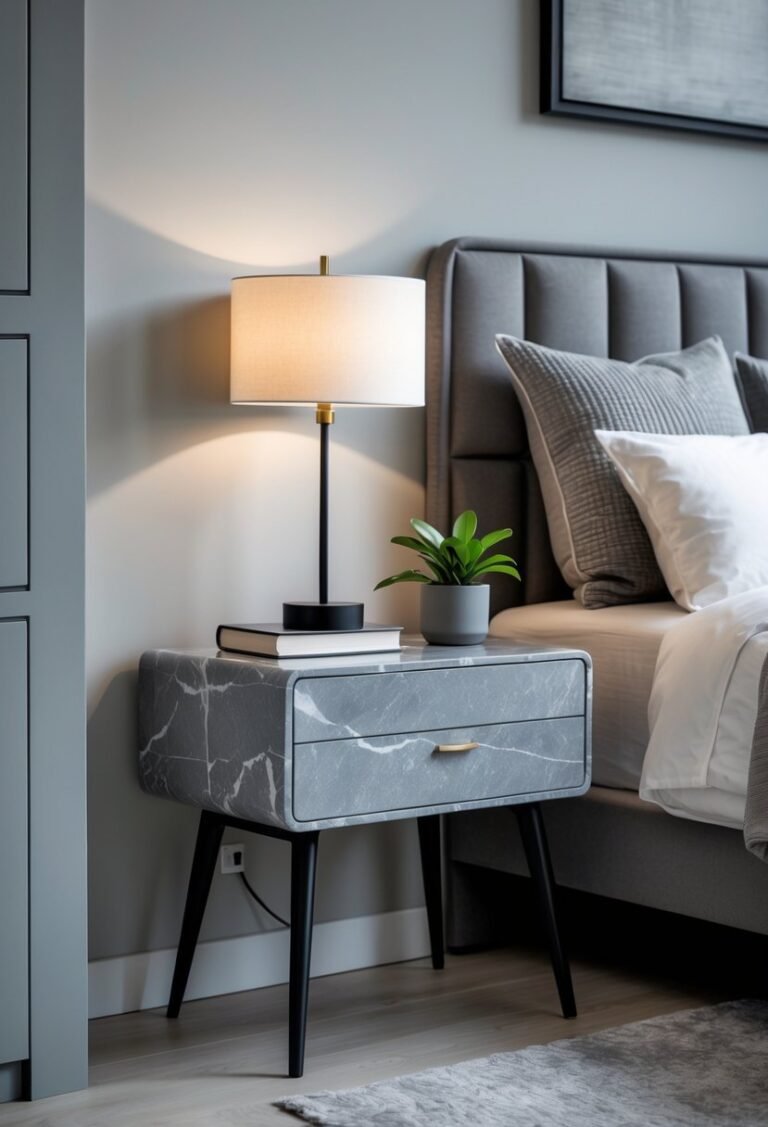
8) Minimalist floating nightstands
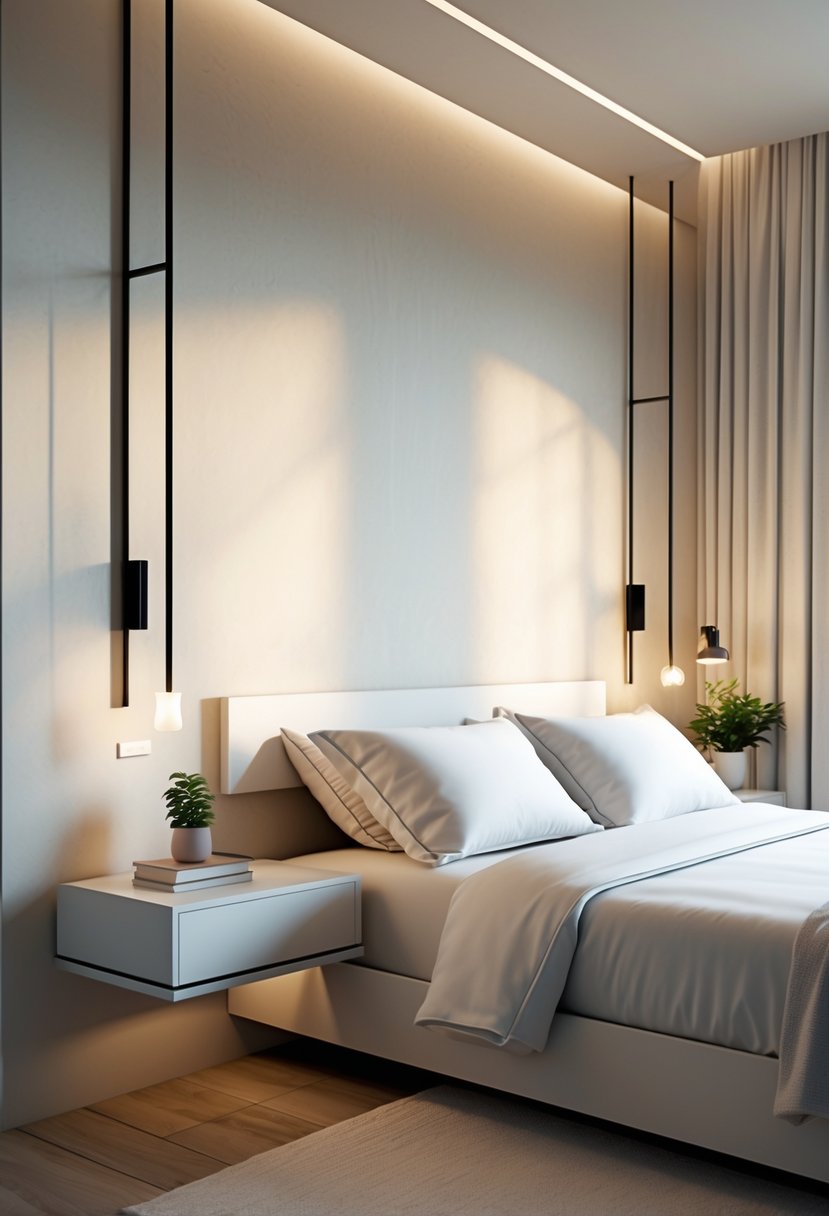
They free up floor space and give the room a cleaner look. A single shelf or drawer keeps essentials close without visual clutter.
They suit small bedrooms and modern decor. Wall-mounted designs can include hidden storage or a slot for a charger.
They pair well with neutral tones and simple bedding. The result feels airy, practical, and quietly stylish.
9) Large indoor plants for natural serenity
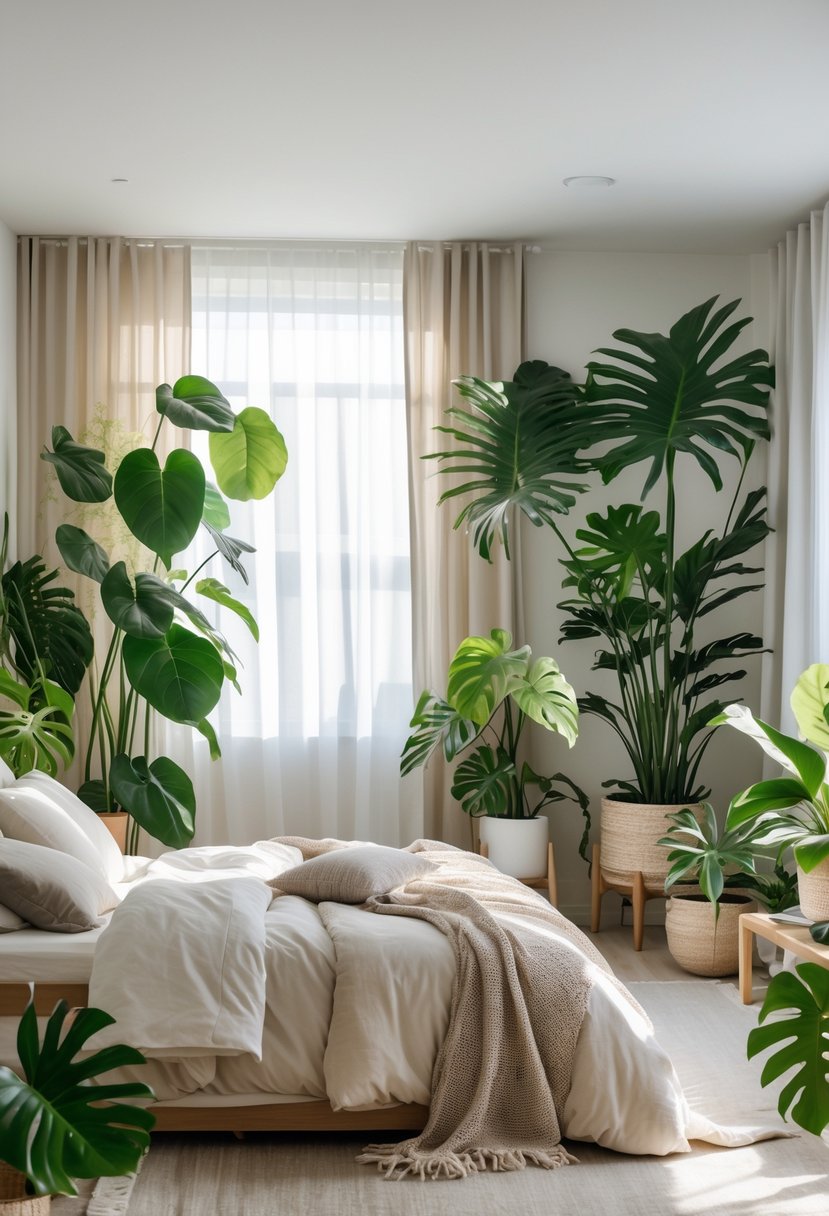
They place a tall plant in a corner to add calm and height without clutter. Big-leaf varieties like fiddle-leaf figs or monsteras bring soft texture and a natural focal point.
A large plant can improve air quality modestly and create a soothing visual anchor. It pairs well with neutral bedding and simple furniture to keep the room serene.
Choose a pot with drainage and spot the plant near bright, indirect light. Rotate it occasionally and water according to its needs to keep it healthy and attractive.
10) Sheer linen curtains for soft light diffusion
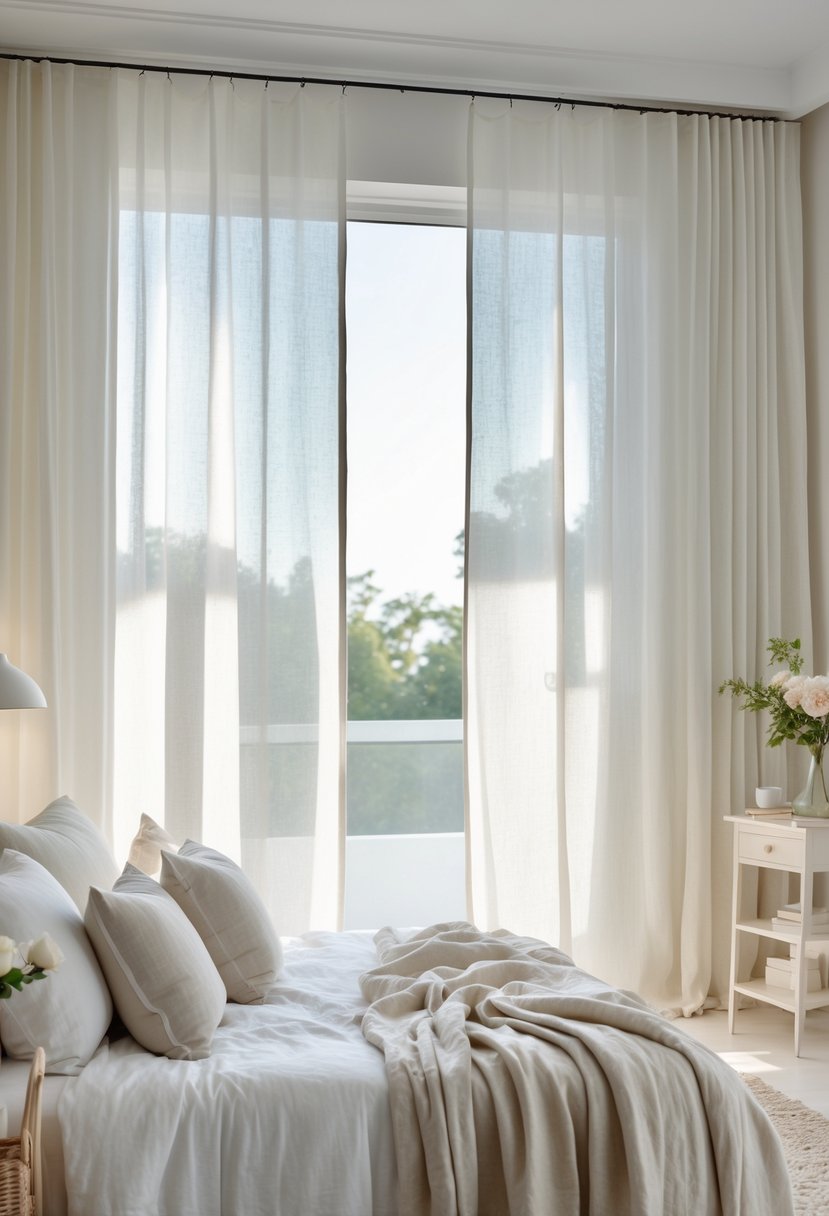
They filter sunlight gently, turning harsh rays into a warm, even glow. This soft light makes the room feel calm and airy without blocking the view.
Sheer linen offers subtle texture that complements many styles, from minimalist to rustic. It layers well with heavier drapes for privacy at night.
They are easy to care for and often machine washable. Choose neutral shades to keep the focus on light and texture.
Design Principles for a Chic Dreamy Bedroom
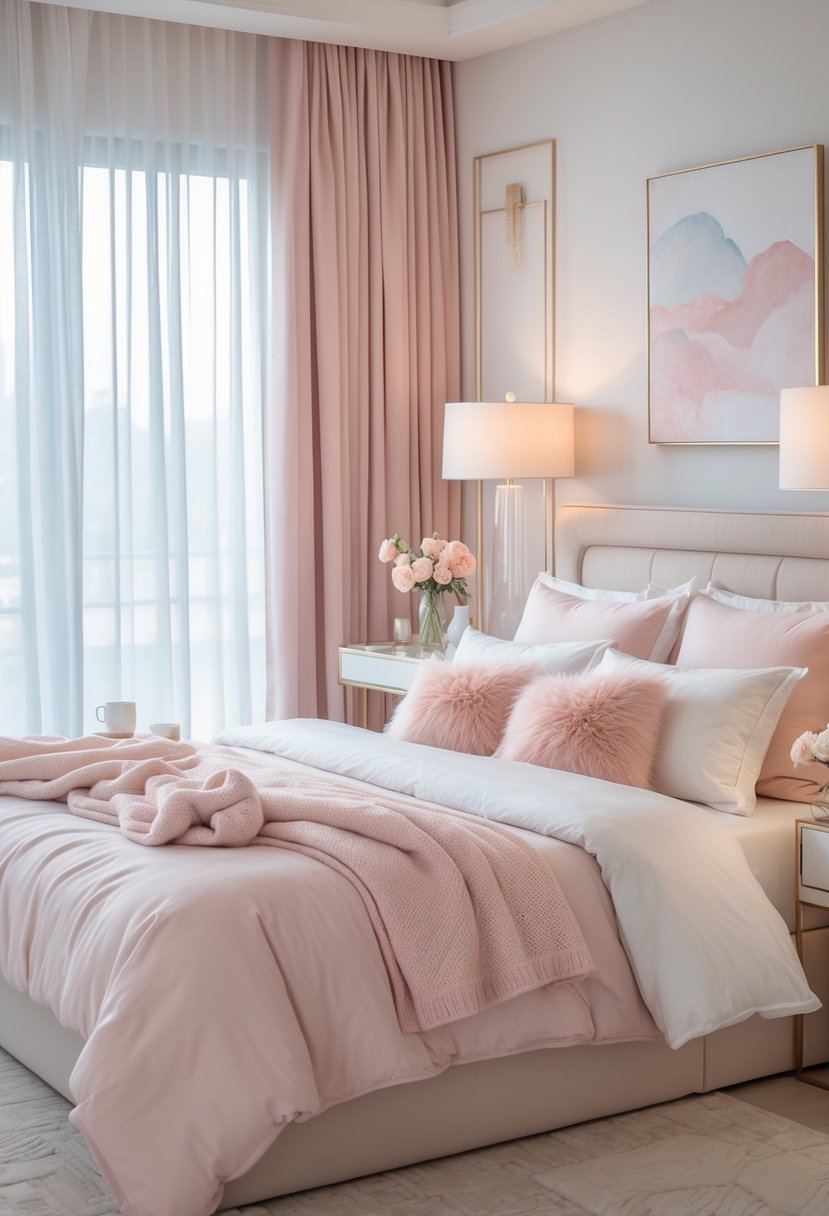
The room should feel calm, work for daily routines, and look polished. Focus on comfortable layout, soft neutral tones with one accent, and tactile materials that reduce glare and noise.
Balancing Aesthetics and Function
They start by placing the bed as the visual anchor and keep circulation clear. Leave at least 24 inches of walking space on either side of the bed when possible. Position nightstands so lamps and essentials are within easy reach without crowding.
Lighting must serve tasks and mood. Use layered lighting: a bright overhead source for dressing, adjustable bedside lamps for reading, and dimmable accent lights for evenings. Install switches near the door and bedside for convenience.
Storage should hide clutter and support daily habits. Use under-bed drawers, a low dresser that doubles as a bench, and built-in closets with sections for hanging, folded clothes, and shoes. Keep frequently used items at eye level.
Choosing the Right Color Palette
They pick a base of two to three neutral hues such as warm beige, soft gray, or muted ivory. This creates a calm backdrop that works with varied textures and finishes. Limit bright or highly saturated colors to a single accent element like a throw pillow or an art piece.
Consider undertones; cool-grays read blue under daylight, while warm-beiges pick up yellow light. Test paint samples on walls and view them at morning and evening times. Small rooms benefit from lighter hues to reflect light, while larger rooms can handle deeper, dusty shades for more intimacy.
Balance matte and subtle sheen. Matte paint hides flaws and feels soft, while satin or eggshell finishes on trim add a gentle contrast. Keep trim and ceiling one shade lighter than walls for a polished look.
Material Selection for Serenity
They choose materials that feel soft underhand and absorb sound. Linen or cotton bedding, wool rugs, and upholstered headboards create a quiet, cozy atmosphere. Avoid slippery synthetics that can amplify noise or static.
Wood tones add warmth and should match at least two pieces in the room for cohesion. Opt for solid wood or high-quality veneer for bedside tables and dressers to ensure durability. Metal finishes like brushed brass or matte black work as small accents on lamps and hardware.
For window treatments, use layered options: a blackout lining for sleep paired with light-filtering curtains for daytime privacy. Add a low-pile area rug under the bed to anchor the space and reduce footstep noise.
Personalizing Your Dreamy Bedroom
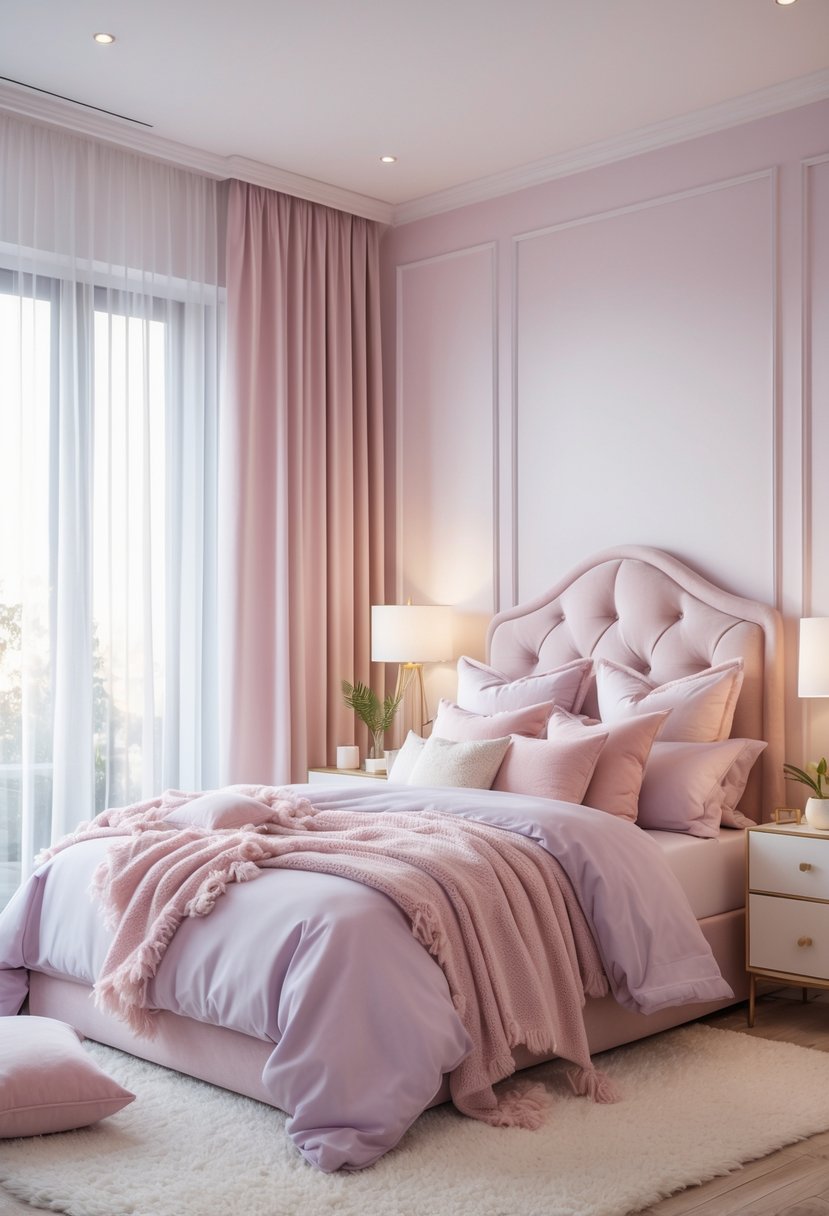
Personal touches and smart lighting turn a pretty room into one that feels uniquely comforting. Choose accents that remind the occupant of happy moments and layered light that supports reading, relaxing, and dressing.
Incorporating Meaningful Accents
They should start with three to five items that spark joy or memory. Examples: a framed travel photo over the nightstand, a vintage clock from a relative, a handmade quilt at the foot of the bed. Placing these items in sight lines—on a shelf, mantel, or above the headboard—keeps them part of daily life.
Textures count as accents too. A woven throw, a velvet pillow, and a small potted plant add touch and contrast without clutter. Use a consistent color accent (for example, muted sage or warm terracotta) across textiles and art to create cohesion.
Limit mass-produced decor to one area and feature one or two handcrafted pieces to keep the space personal. Rotate small items seasonally so the room feels fresh without major changes.
Lighting Strategies for Ambience
Layer three types of light: ambient, task, and accent. Ambient light comes from an overhead fixture or a soft ceiling lamp. Task lighting includes bedside lamps for reading and a focused vanity light for dressing.
Use dimmers or smart bulbs to adjust brightness for different needs. Warm-white bulbs (2700–3000 K) make the room feel cozy in the evening. Position bedside lamps at about eye level when seated for comfortable reading.
Add accent lighting to highlight meaningful accents: a picture light above art, LED strips behind a headboard, or a small spotlight on a shelf. This creates depth and draws attention to the curated items without raising overall brightness.
Frequently Asked Questions
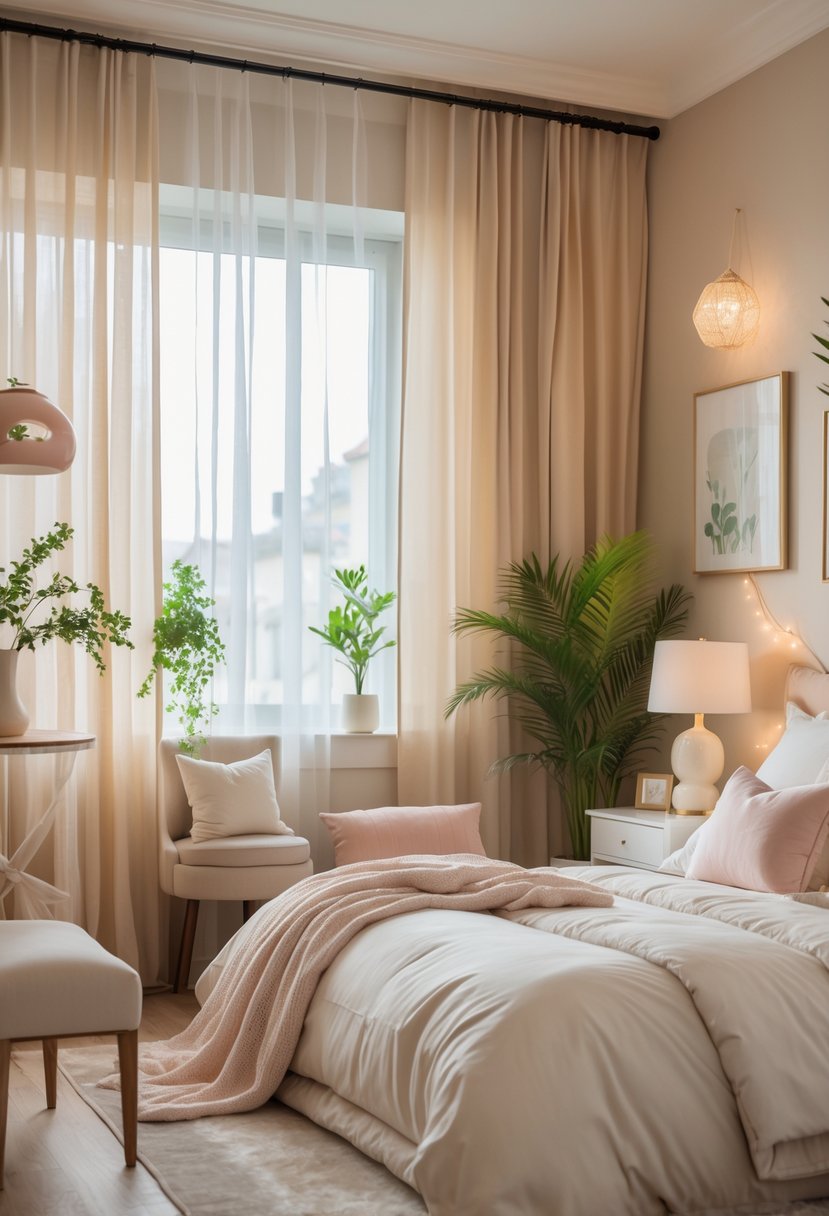
This section answers practical design questions about scale, color, furniture, textures, and current trends. It focuses on clear steps like using light colors, choosing scaled furniture, adding layered textiles, and picking focal pieces such as a sunburst mirror or a mid-century walnut bed.
How can I create a dreamy aesthetic in a small bedroom space?
Use soft pastel walls, like mint green, to make the room feel larger and calm. Add a geometric patterned rug in muted tones to define the sleeping area without overwhelming the floor.
Choose a low-profile bed, such as a mid-century walnut platform, to keep sightlines open. Layer organic textiles—lightweight linen and thin knit throws—to add texture without bulk.
Use vertical storage and slim nightstands to save floor space. Place a sunburst mirror above the bed to reflect light and create a focal point.
What are some elegant bedroom design ideas for women?
Combine soft pastels with metallic accents for a refined look. A mint green wall paired with brass hardware and a sunburst mirror creates a polished, feminine mix.
Pick a platform bed in walnut or another warm wood for a grounded, elegant base. Add layered organic textiles—silk pillowcases, cotton sheets, and a wool throw—for a rich, tactile feel.
Incorporate curated decor like a small vanity, sculptural lamps, and art in muted tones. Keep patterns minimal; use geometric rugs or subtle florals to add interest without clutter.
What elements define a modern classic bedroom style?
A modern classic bedroom blends clean lines with timeless materials. It uses mid-century or shaker furniture forms—like a walnut platform bed—with neutral or soft pastel walls.
Balance texture and pattern by pairing geometric rugs in muted tones with layered organic textiles. Add one statement decorative piece, such as a sunburst mirror, to bridge modern and traditional aesthetics.
Keep a restrained color palette: two main colors plus an accent. This approach preserves a calm, elegant atmosphere and ensures longevity in style.
How do you design a simple yet modern bedroom?
Start with a light, neutral base and one soft accent color, such as mint green. Choose streamlined furniture—low platform beds and minimal nightstands—to reduce visual clutter.
Limit decor to functional, high-impact pieces like a geometric rug and a single focal mirror. Use layered organic textiles for warmth without complexity.
Keep lighting simple and adjustable: bedside lamps and a dimmable overhead fixture provide both task and mood light.
What are some modern master bedroom design trends for 2025?
Expect continued use of natural materials and warm woods, especially walnut. Mid-century platform beds remain popular for their clean silhouettes and low profiles.
Muted geometric patterns will appear in area rugs and textiles, paired with soft pastel accents like mint green. Layered organic textures—linen, cotton, and wool—will emphasize comfort and sustainability.
Decor will favor singular bold focal pieces, for example a large sunburst mirror or an oversized upholstered headboard, rather than many small accessories.
What are the best bedroom design ideas for couples?
Choose a neutral base with one shared accent color to keep the room cohesive. A mid-century walnut platform bed provides a sturdy, stylish center piece both can agree on.
Use two coordinated nightstands and separate reading lights to allow personal convenience. Layer organic textiles with different weights so each partner can adjust bedding to their comfort.
Add a large geometric rug in muted tones to unify the room. Include shared storage solutions like drawers under the bed or a double dresser to keep belongings organized.