

 By Trends Oraa
 You want a balcony grill that keeps your space safe and stylish while matching your home’s look. This article guides you through ten practical design options and the key factors that help you pick the right one for size, safety, and upkeep.
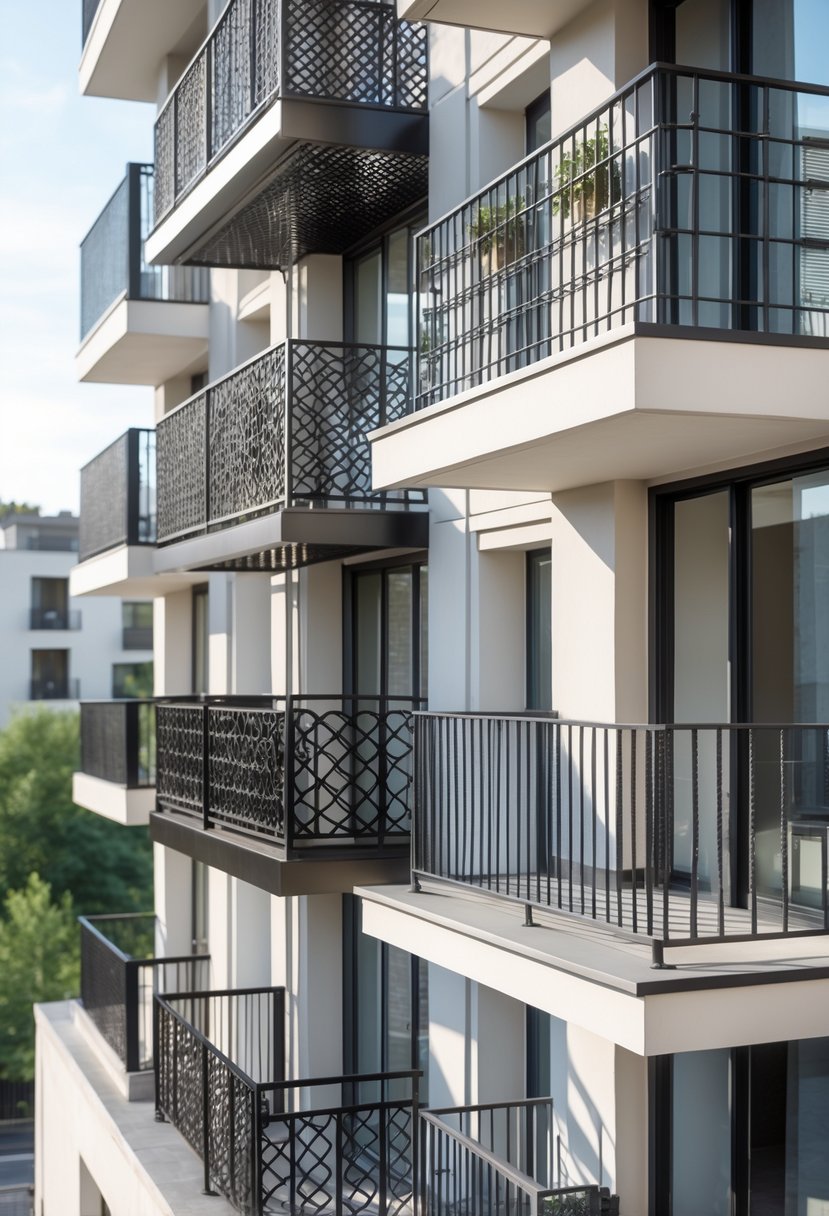
You will learn simple design choices that improve safety, fit your balcony, and stay low-maintenance.
It also points to materials, finishes, and features—like planters or frosted glass—that shape comfort and long-term value, so you can choose with confidence.
1) Minimalist Metal Vertical Bars
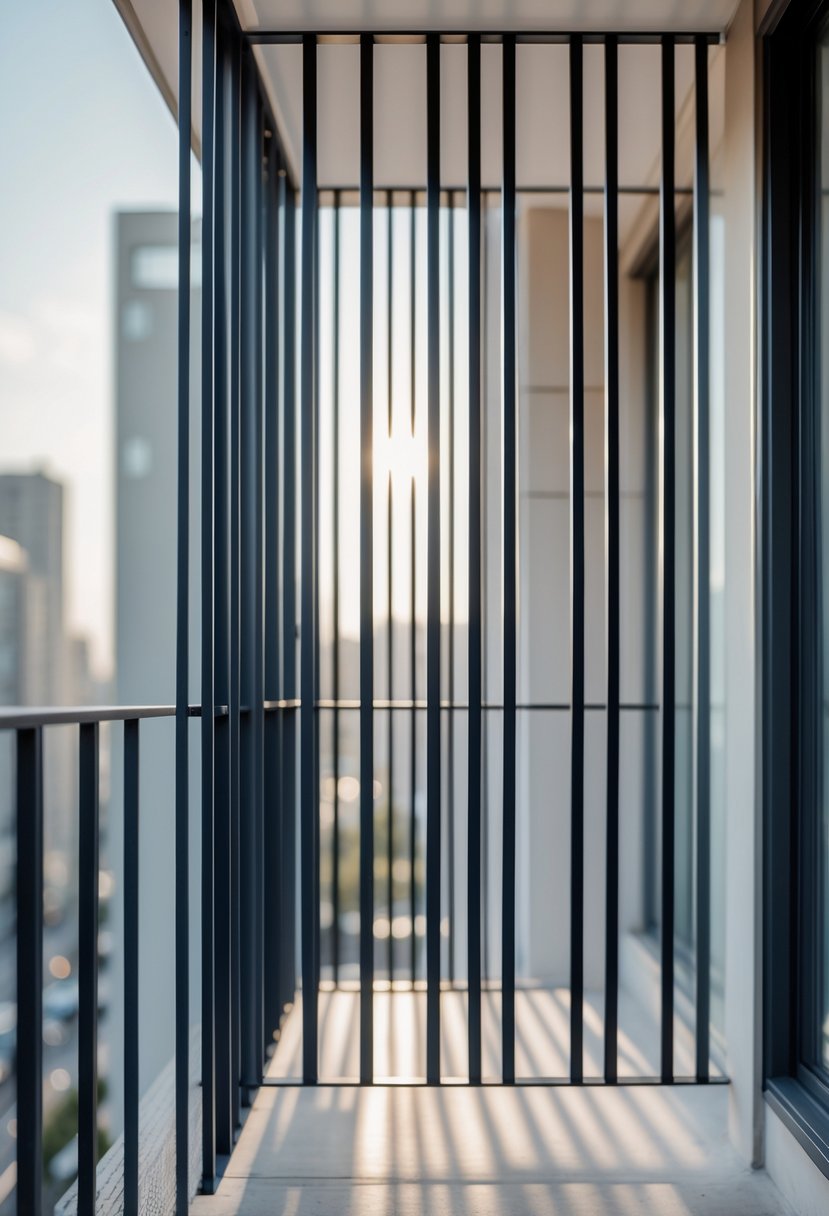
Minimalist metal vertical bars give a clean, modern look that fits many building styles. They use thin steel or aluminum rods placed evenly for a neat appearance.
They provide good visibility and airflow while still acting as a safety barrier. Maintenance is low; a wipe and occasional rust check keep them durable.
Designers can vary spacing, rod thickness, and finish to match a facade. Powder-coated colors and matte blacks are common choices for a sleek result.
2) Horizontal Stainless Steel Rods
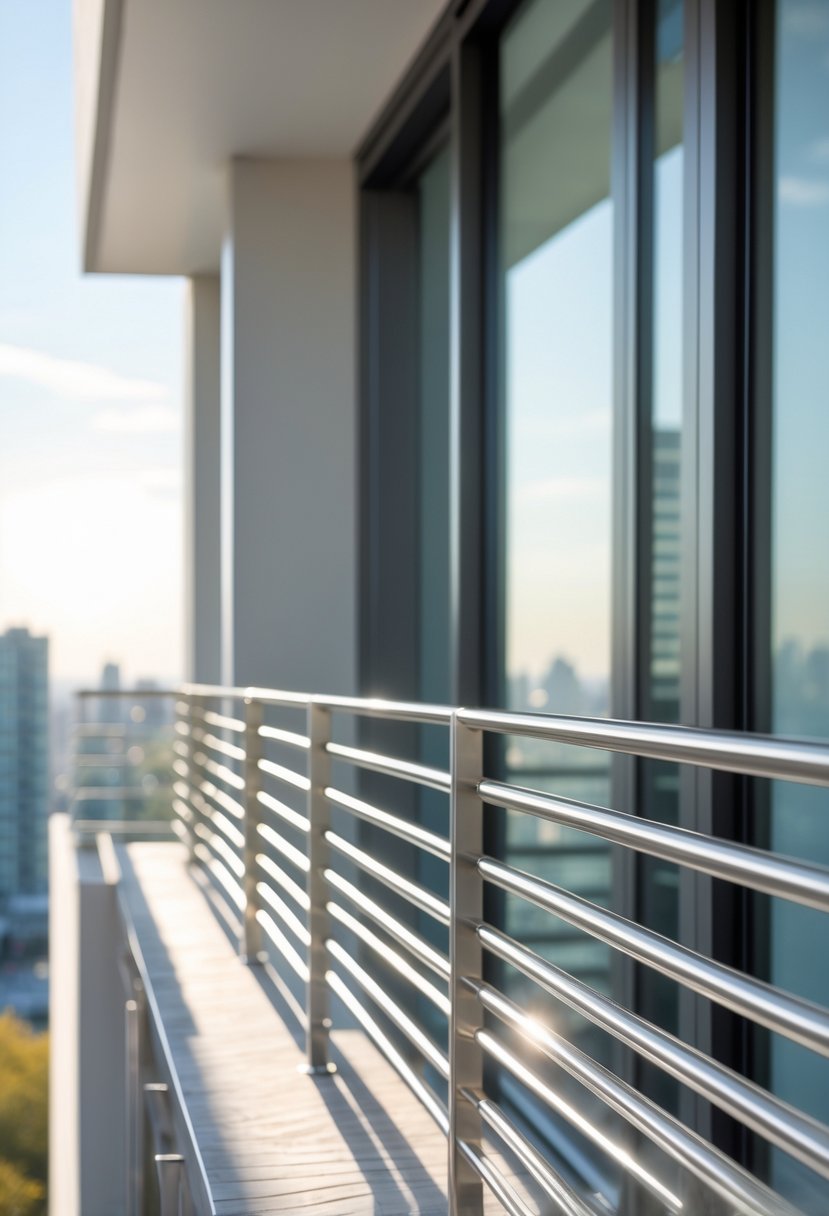
They offer a clean, modern look that suits contemporary homes. The slim rods keep views open while still providing a safe barrier.
Stainless steel resists rust and needs little upkeep. Installers can space rods closer for child safety or wider for better sightlines.
They work well with wood or glass accents to soften the metal. The design fits balconies of many sizes and styles.
3) Laser-Cut Artistic Panels
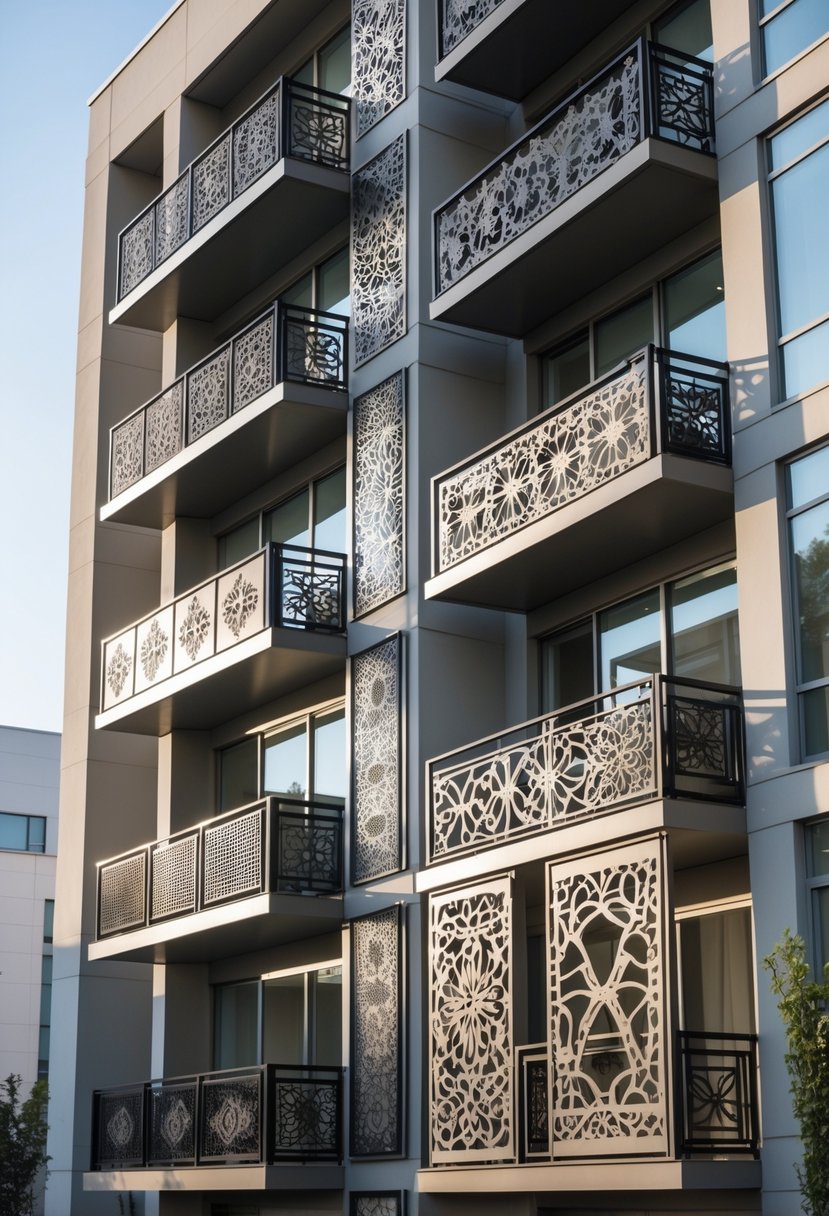
Laser-cut panels offer precise, repeatable patterns that add modern style to a balcony. They balance decoration with airflow and light, so spaces feel open without losing privacy.
Designs range from geometric grids to nature-inspired motifs, and materials include steel and aluminum for durability. They can be powder-coated in many colors to match a home’s palette.
Installers can custom-cut patterns to size, letting owners create a unique look that still meets safety rules. Panels require minimal maintenance and resist rust when finished properly.
4) Glass Panels with Metal Frames
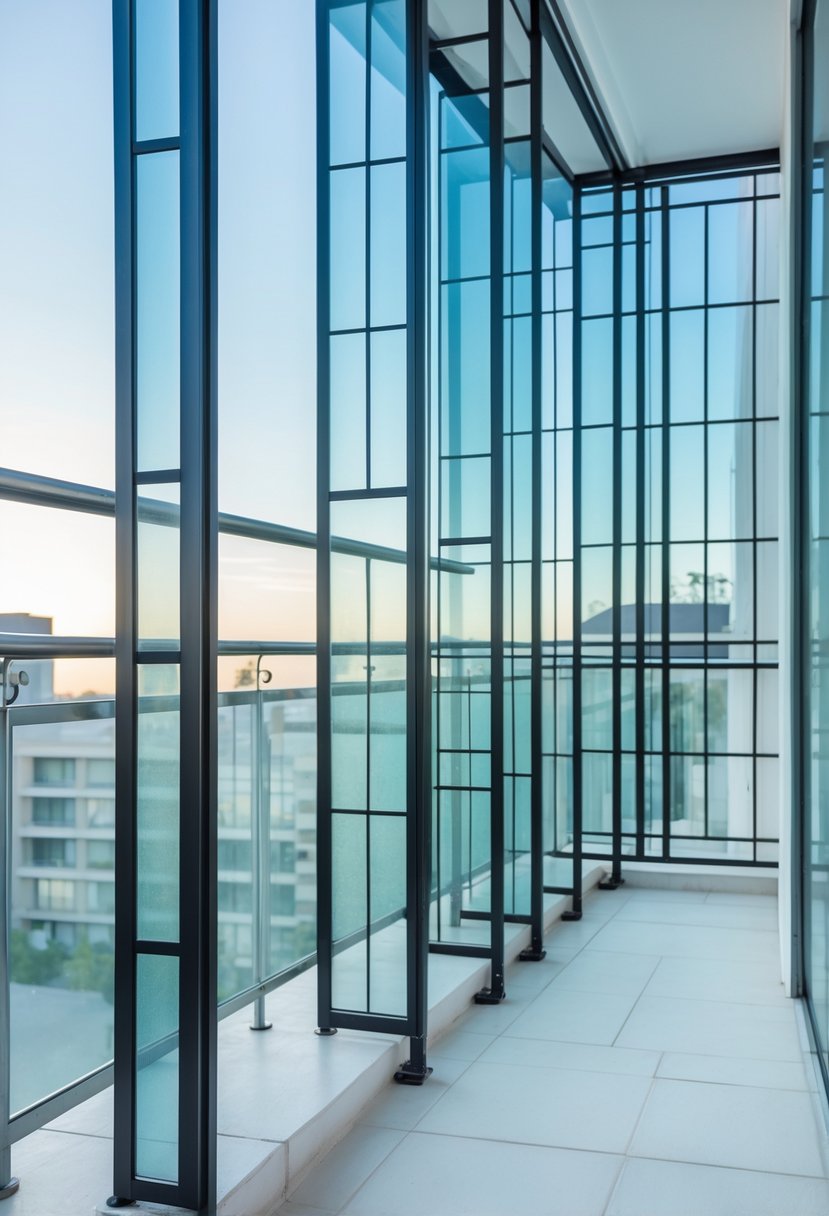
They pair clear tempered glass with steel or aluminum frames for a modern, open look. The glass keeps sightlines while the metal adds strength and low maintenance.
This design fits urban apartments and homes with views. It resists rust when treated and can use frosted panels for privacy.
Installers must ensure secure sealing and quality fittings. Proper drainage and tempered glass reduce safety risks.
5) Integrated Planter Hooks
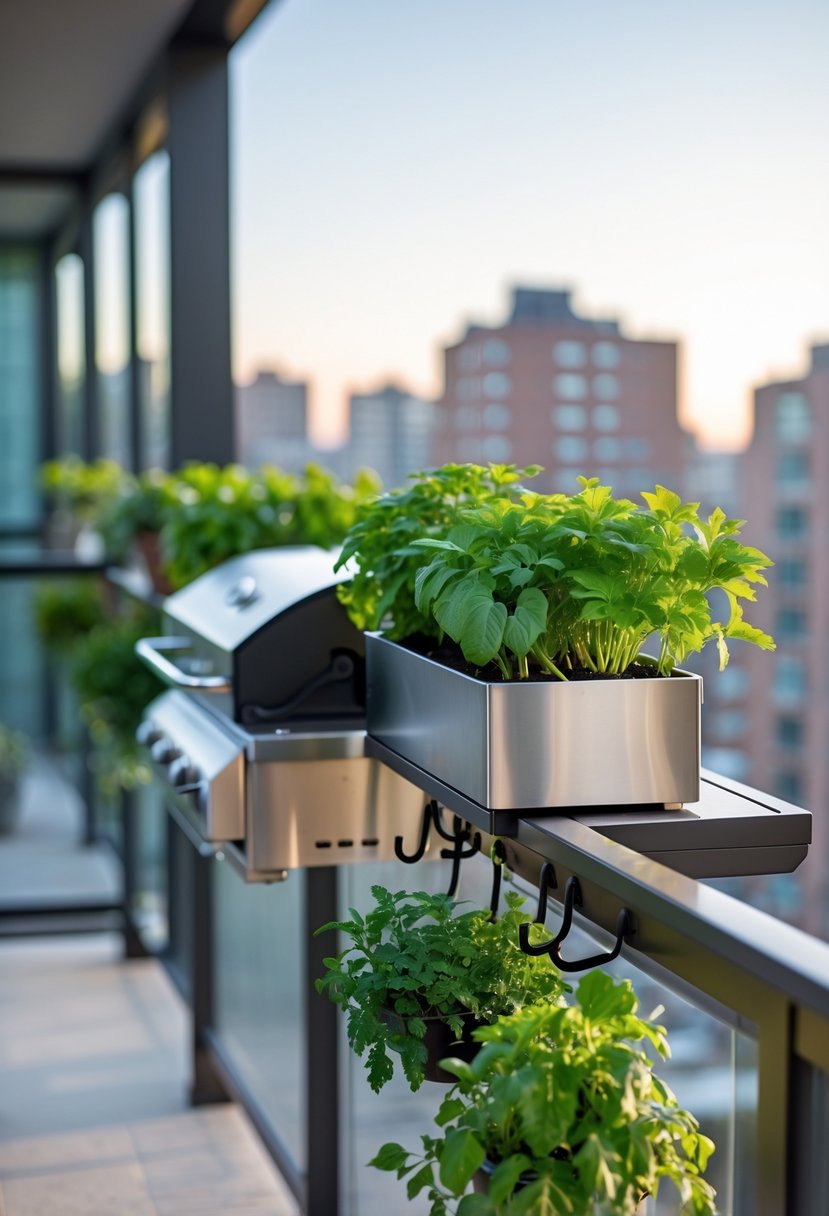
Integrated planter hooks let residents add plants without extra fittings. They attach to the grill and hold pots securely, saving floor space.
This design blends safety and greenery. It keeps plants at railing height, improving privacy and view without blocking light.
They suit small balconies and varied plant types. Sturdy metal hooks resist wind, while removable options make cleaning and rearranging easy.
6) Rustic Wrought Iron Designs
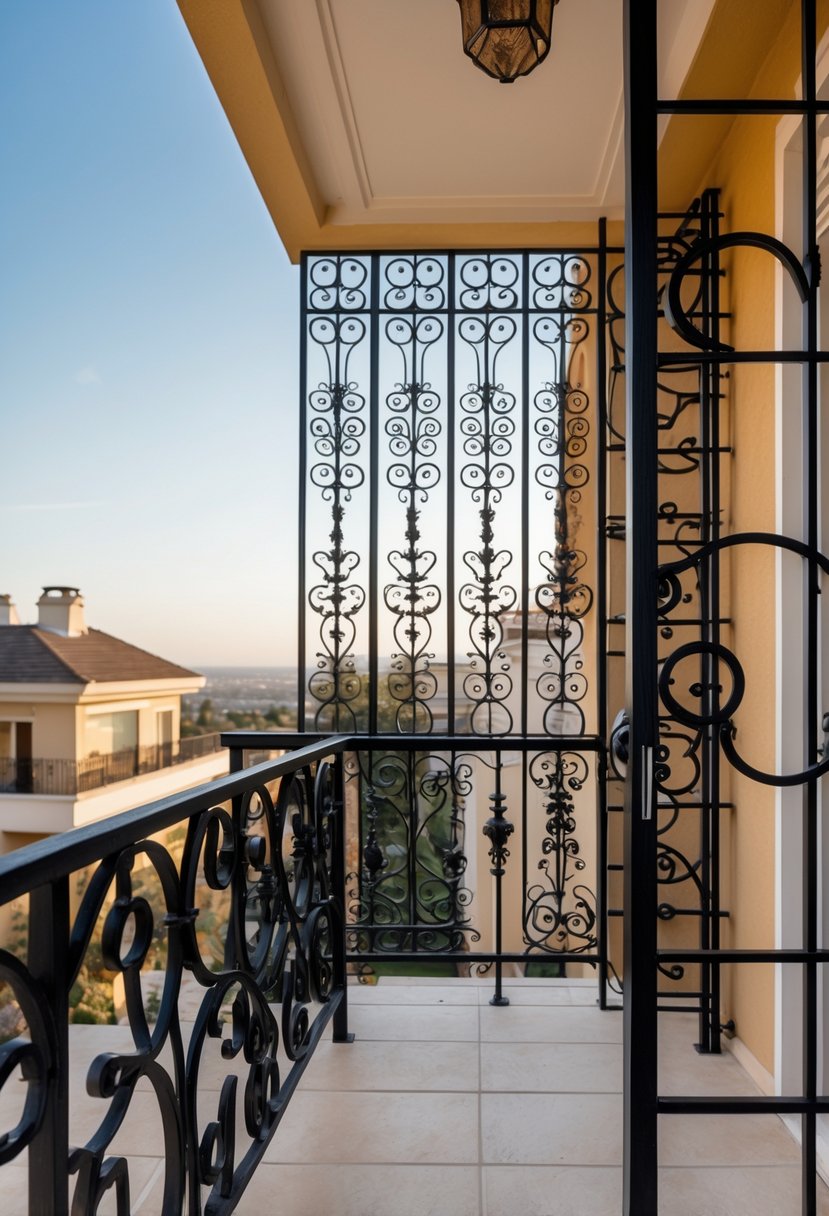
Rustic wrought iron brings a timeless, sturdy look to balconies. It pairs simple scrolls, hammered textures, and matte finishes for a handcrafted feel.
Designs often use darker tones that hide wear and match brick or stone. They focus on durability and low maintenance while adding subtle ornament.
7) Aluminium Pipe Grills
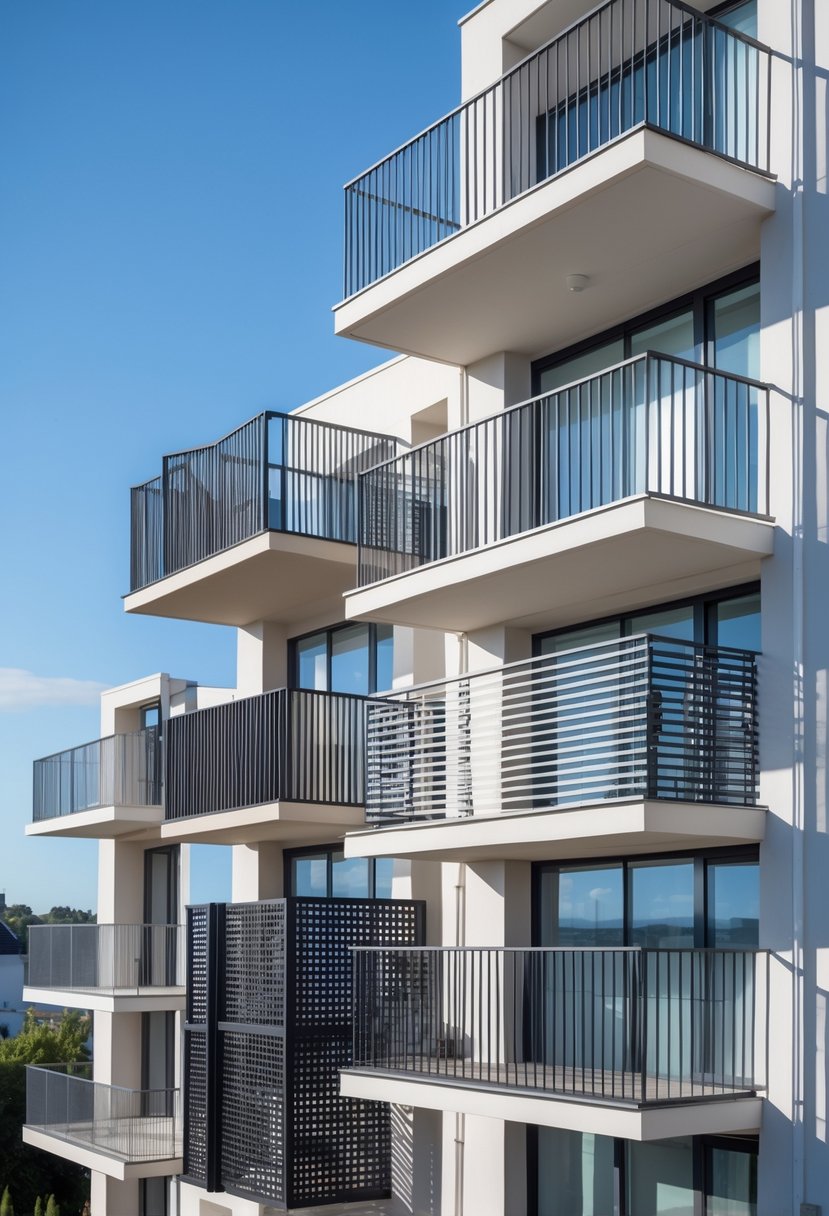
Aluminium pipe grills offer a lightweight, rust-resistant option for balconies. They suit low- and mid-rise buildings where weight matters.
They come in simple or decorative patterns and often have powder-coated finishes for durability. Installation is usually faster than steel and needs less maintenance.
They provide good airflow and preserve views better than heavy wrought iron. They work well with plants and modern outdoor furniture.
8) CNC Cut Geometric Patterns
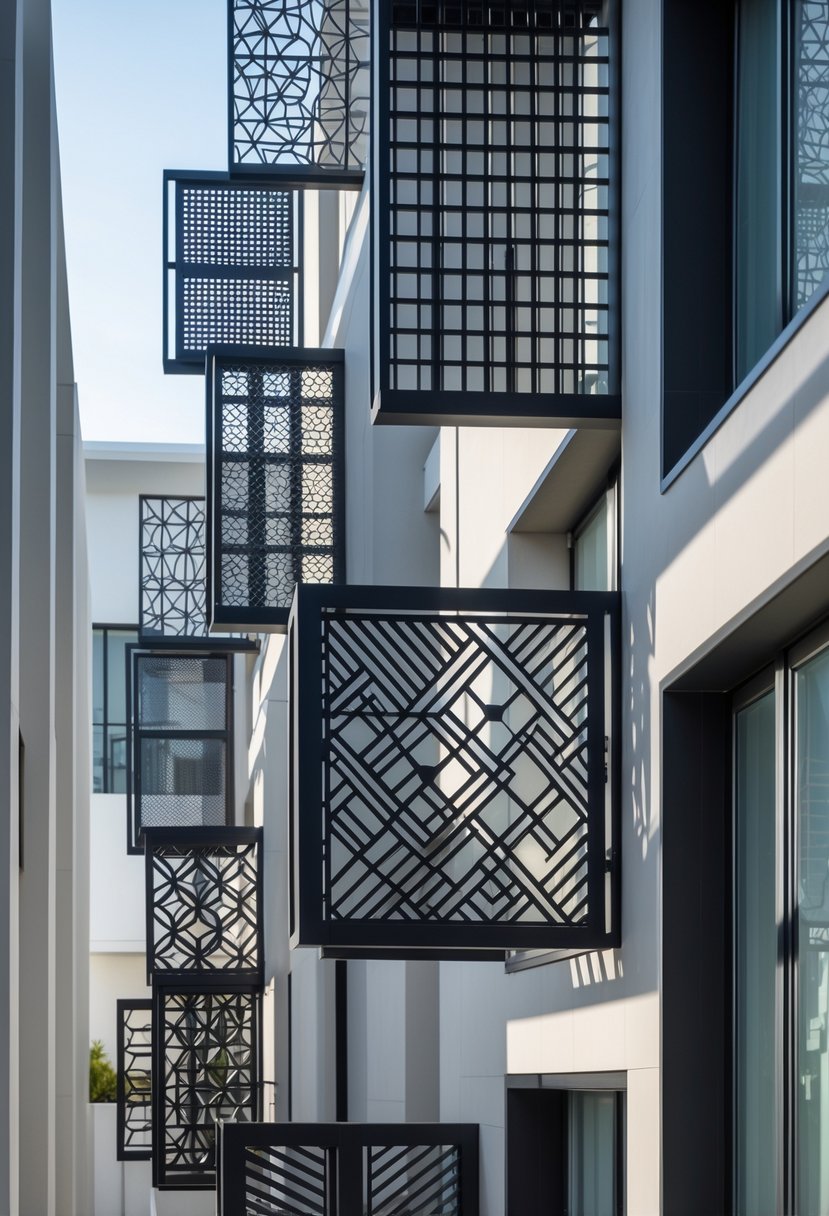
They use precise, repeating shapes to create a clean, modern look. CNC machines cut patterns from metal, wood, or acrylic with tight tolerances.
Designs range from simple grids to complex tessellations, so clients can match style and privacy needs. Files like DXF or SVG make the process fast and repeatable.
Patterns work well for balconies because they balance airflow and screening. They also allow for custom sizes and finishes for durability and easy installation.
9) Combination of Wood and Metal
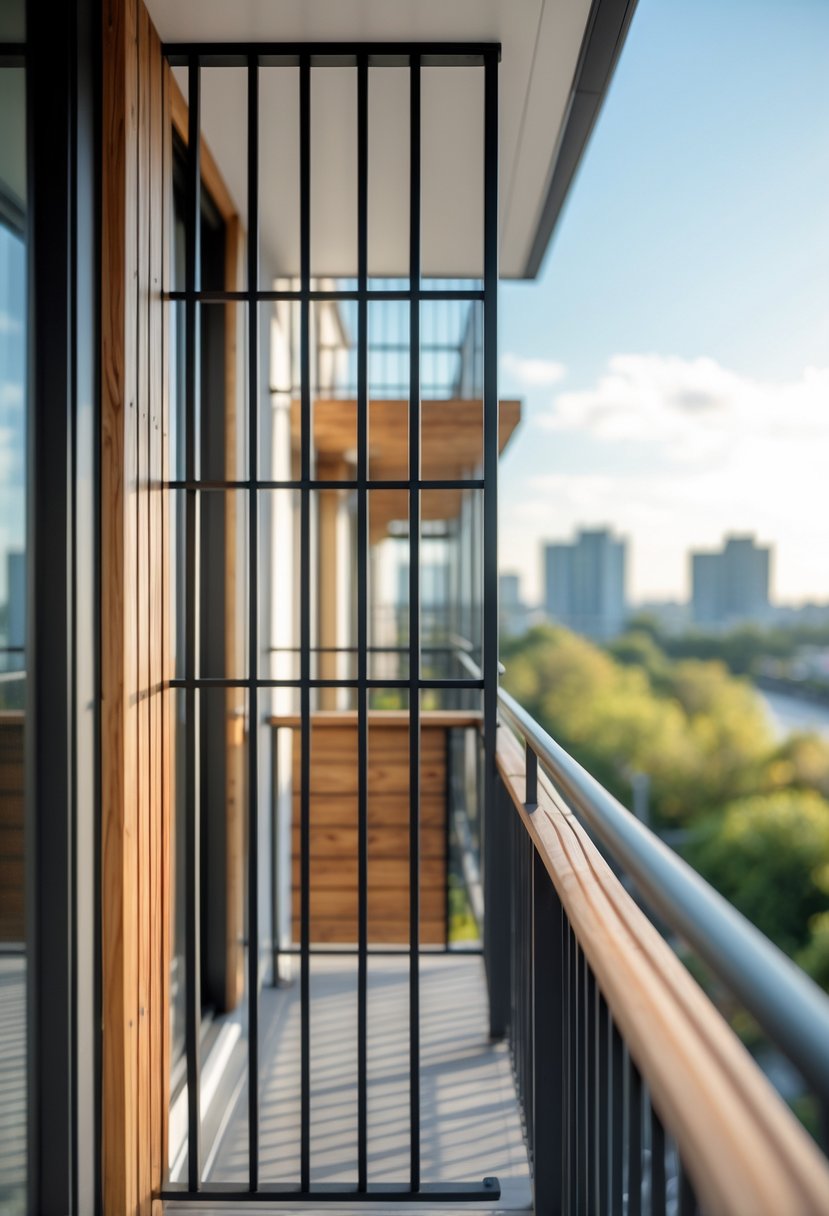
They pair warm wood with strong metal to balance beauty and safety. The wood softens the look while metal adds structure and durability.
This mix fits modern and classic homes. It works well for railings, panels, and overhead canopies.
They should choose weather-treated wood and rust-resistant metal. Proper maintenance keeps the grill looking good and lasting longer.
10) Frosted Glass with Steel Frame
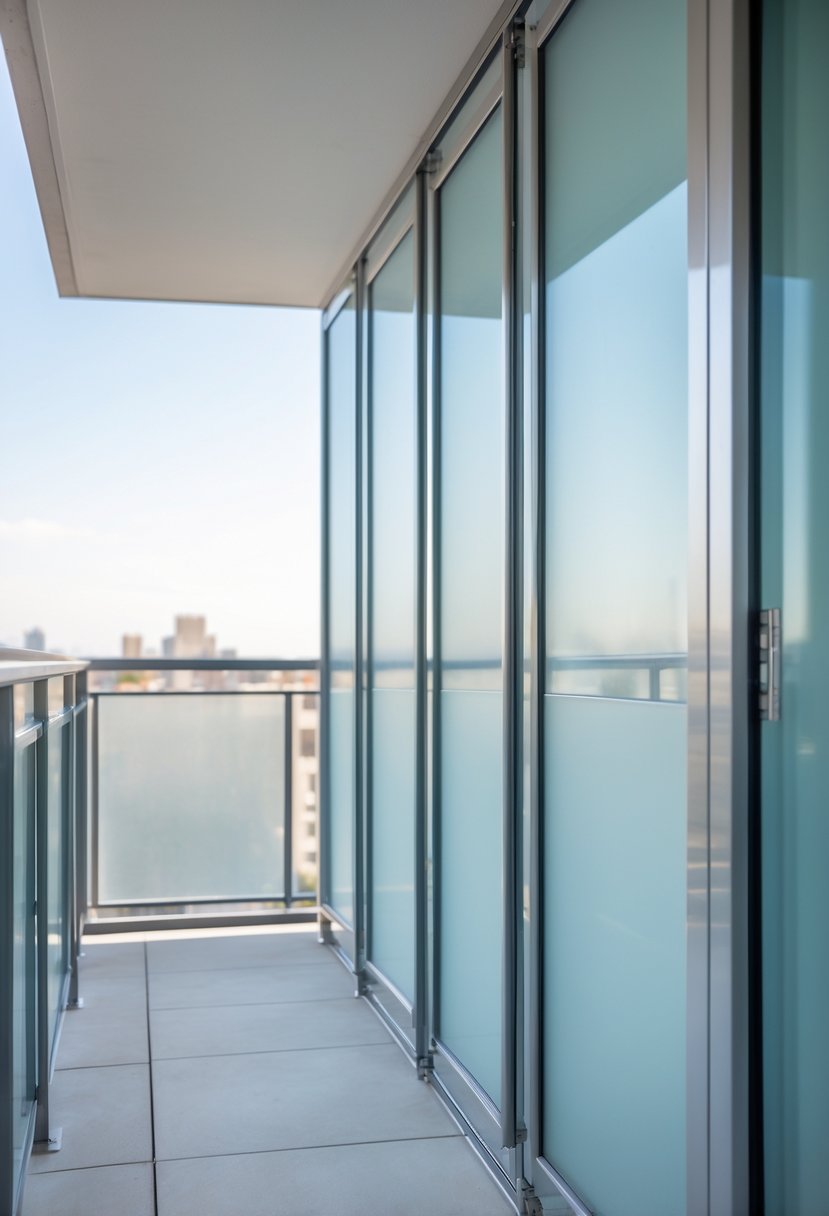
This design pairs frosted glass panels with a slim steel frame for a clean, modern look. It gives privacy while still letting in soft, diffused light.
The steel frame adds strength and a neat border that resists rust if stainless or properly treated. It suits apartments and homes that need a balance of safety, style, and low visual clutter.
Balcony Grill Design Factors
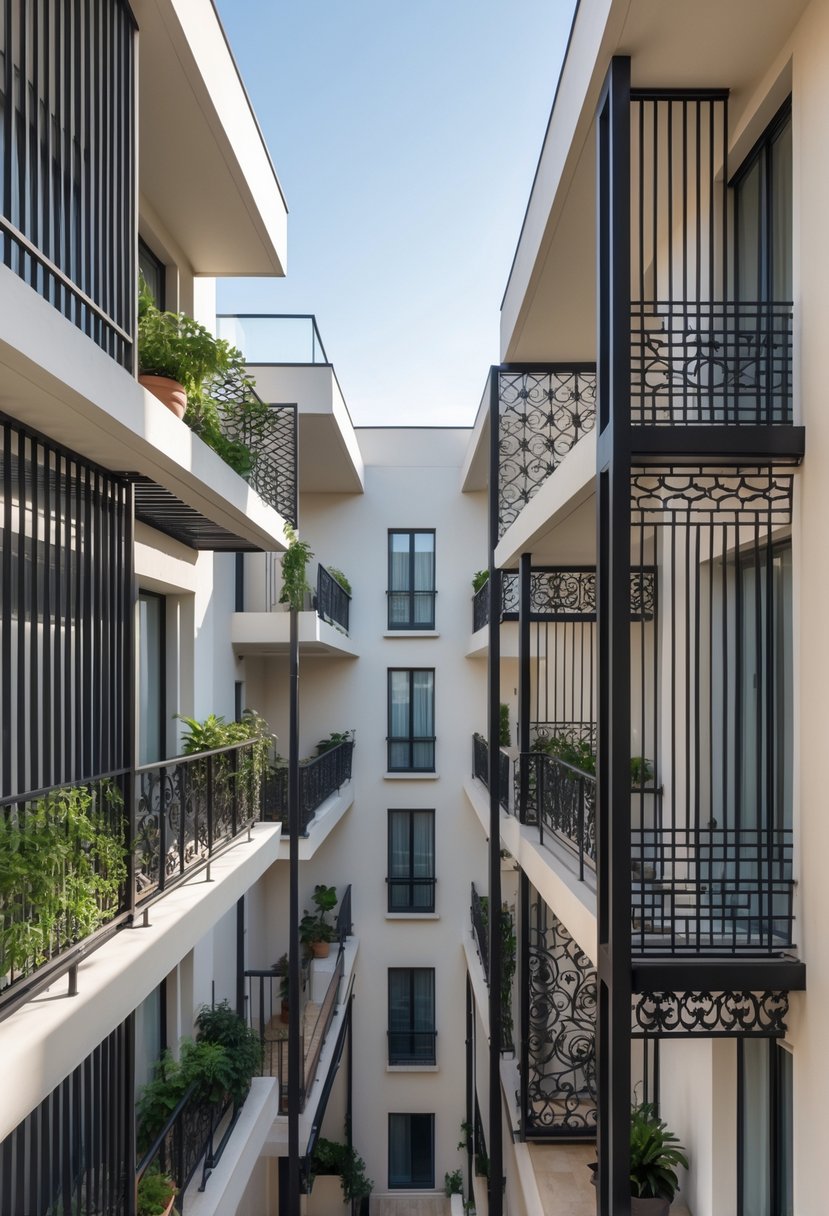
This section explains the most important choices for a balcony grill: how to keep people safe, which materials last and look good, and how to use tight spaces without crowding the balcony.
Safety Considerations
They must meet local building codes and any apartment or HOA rules. Height, bar spacing, and anchoring matter most. A typical guardrail height is around 42 inches; spacing between vertical bars should be no more than 4 inches to prevent a child from slipping through.
Anchors should be through structural elements (concrete or steel frame), not just on thin cladding. Bolts rated for outdoor use and chemical anchors for masonry reduce pull-out risk.
Wind and load limits matter for panels and decorative inserts. Solid panels catch wind and require stronger fixing; designers often add vents or gaps to lower wind pressure. For climb-resistance, avoid horizontal bars within easy foothold range or add vertical elements to break the ladder effect.
Corrosion and maintenance affect safety over time. Inspect welds, anchors, and paint every 1–2 years. Replace any rusted or loose part immediately to maintain structural integrity.
Material Selection
Steel, aluminum, and glass are common choices. Steel (mild or stainless) gives high strength; mild steel needs good paint or powder-coat to avoid rust, while stainless resists corrosion but costs more. Aluminum is lightweight, resists rust, and suits modern thin-frame looks, but it bends more easily under impact.
Glass panels add light and visibility. Tempered laminated glass resists breakage and limits fall risk if it cracks. Pair glass with a sturdy frame and proper drainage to avoid trapped moisture that can corrode metal supports.
Wood and composite materials offer warmth and texture for balustrades or decorative inserts. Use treated hardwoods or exterior-rated composites to reduce rot and insect damage. Match fasteners and finishes to the primary material to prevent galvanic corrosion.
Space Optimization
Measure usable floor area and clear a 30–36 inch path for movement. Keep planters, furniture, and grills aligned to one side so the safety railing remains accessible for inspection and cleaning. They should leave at least 18 inches from the guard for pots to avoid overloading the edge.
Choose slim-profile grills or glass to increase perceived space and sightlines. Foldable or stackable furniture helps when the balcony serves multiple purposes. For storage, use vertical racks or hanging planters attached to the grill rather than bulky floor units.
Balance openness and privacy with partial panels or perforated screens. Perforated metal or laser-cut panels can block sightlines while allowing light and airflow, reducing the need to crowd the balcony with extra screening furniture.
Maintenance and Longevity
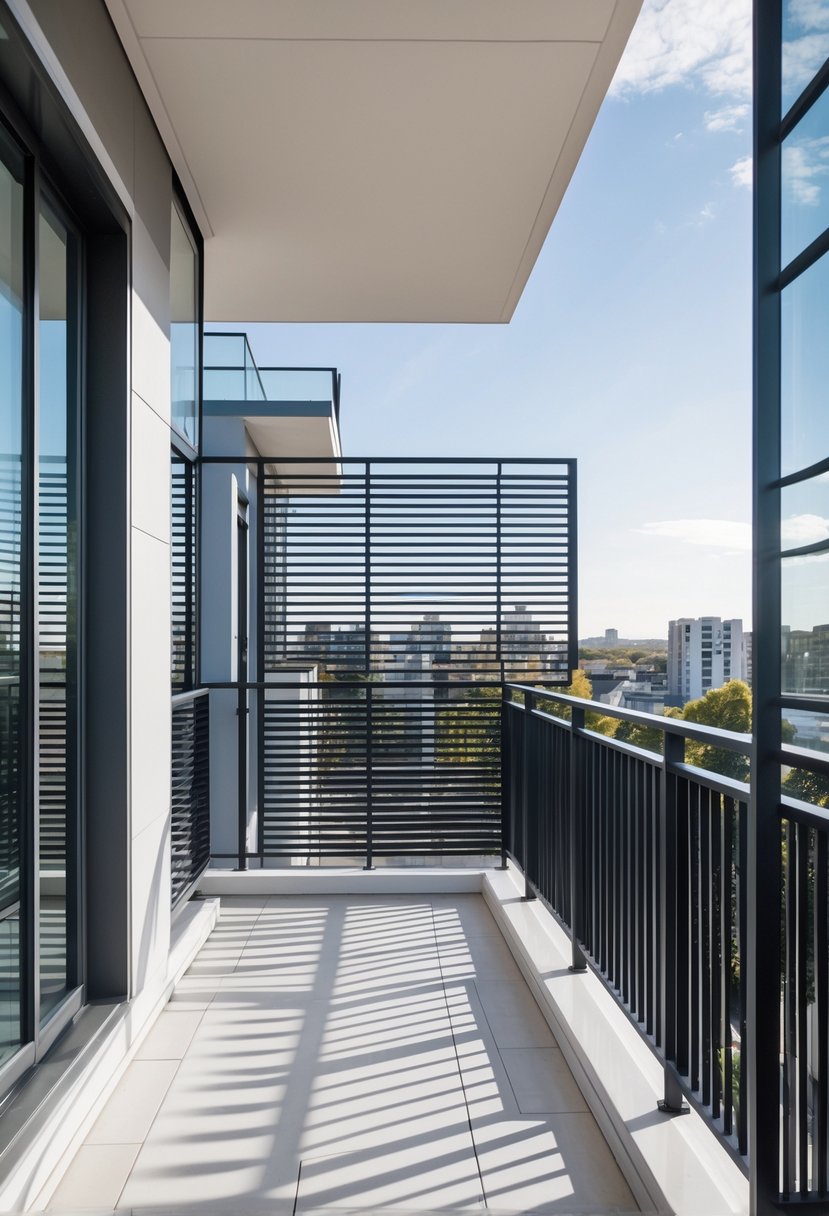
Regular checks, timely cleaning, and the right protective products keep grills safe and looking new. Small fixes now prevent rust, loose fittings, and costly replacements later.
Weather Resistance
Choose materials that match local conditions. Stainless steel resists rust in humid or coastal areas but can pit over time; grade 316 is best near the sea. Powder-coated steel offers strong corrosion protection; touch up chips with matching paint to stop rust from spreading. Aluminium won’t rust and stays light, though it can dent more easily.
Seal joints and base plates with marine-grade silicone to keep water out of connections. For wood elements, apply exterior-grade sealant or oil every 12 months. Fasteners should be stainless or galvanized; replace any corroded bolts immediately to keep structural integrity.
Cleaning Tips
Clean at least twice a year, more often in salty or polluted areas. Use a soft brush and mild detergent for metal grills; avoid wire wheels that remove protective finishes. Rinse thoroughly and dry with a cloth to prevent water spots and early corrosion.
For glass panels, use a non-abrasive glass cleaner and a microfiber cloth. Remove and inspect removable infill panels or mesh annually; clear debris and check for pinholes or wear. Apply a thin coat of wax or metal protector to finished surfaces after cleaning to extend the life of coatings.
Frequently Asked Questions
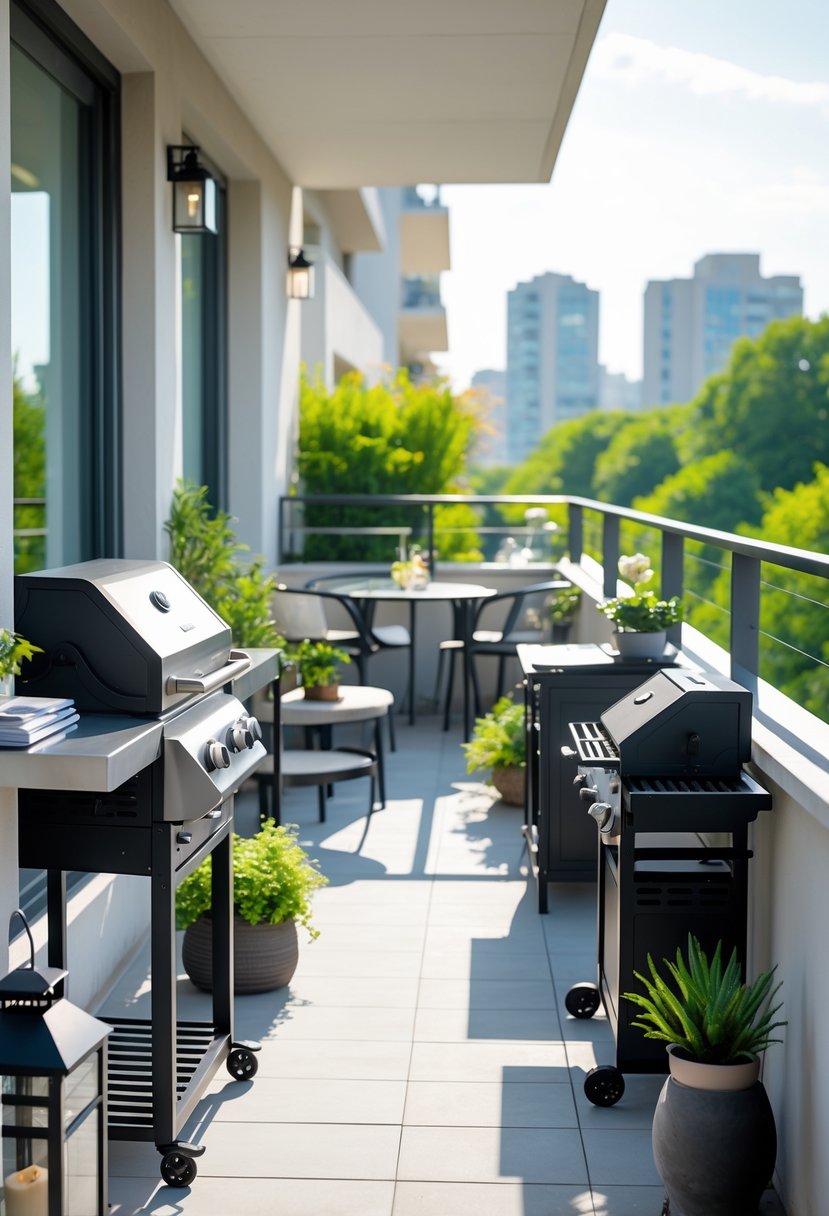
These answers cover safety, materials, space-saving layouts, code compliance, popular styles, and customization factors. They reference specific grill types like vertical metal bars, stainless steel rods, laser-cut panels, glass with metal frames, and integrated planter hooks where helpful.
What are the top safety considerations when choosing a grill design for a balcony?
They should pick a design that keeps flames and heat away from walls and railings. Designs with open airflow, such as vertical bars or horizontal rods, help prevent heat buildup.
They must ensure the grill has a stable base or mount to stop tipping. Fixed mounts or heavy, low-profile electric grills work best on small balconies.
They should avoid flammable materials near the grill. Integrated planter hooks or nearby wood decking must be placed well clear of the cooking area.
How does the choice of material impact the maintenance and durability of balcony grills?
Stainless steel resists rust and needs only occasional cleaning with soapy water. Horizontal stainless steel rods hold up well in humid or coastal areas.
Powder-coated metal offers a range of colors and resists chipping but can corrode if scratched. Minimalist metal vertical bars are strong but need touch-up paint if the coating wears.
Glass panels with metal frames look modern but require frequent cleaning to remove soot and grease. Laser-cut panels made from corrosion-resistant metals offer low maintenance and long life when properly finished.
What design features are recommended for small balconies to maximize space?
Compact, wall-mounted grills save floor area and free up walking space. Fold-down tables or side shelves provide prep surface only when needed.
Integrated planter hooks combine greenery with rail safety and keep pots off the floor. Slim profiles like vertical bars or narrow stainless-steel rods maintain sightlines and make the balcony feel larger.
Choose grills with built-in storage or magnetic tool holders to reduce clutter. Electric or small gas units are better than full-size grills for tight spaces.
How can I ensure my balcony grill is compliant with building codes and regulations?
They should check the building’s lease, HOA rules, and local fire codes before buying. Many buildings ban open-flame charcoal grills but allow electric or certain small gas grills.
They must obtain written approval if the building requires it, and keep records of any permits. If a permit is needed, install only grills and mounts that meet the listed specifications.
Consult the local fire department or building manager for exact clearance distances and allowed fuel types. Follow manufacturer instructions for ventilation and distance from combustible surfaces.
What are the most popular styles for balcony grills that enhance aesthetic appeal?
Minimalist metal vertical bars create a clean, modern look and blend with many balcony layouts. Horizontal stainless steel rods feel sleek and work well with glass or metal framing.
Laser-cut artistic panels add visual interest and can act as partial windbreaks. Glass panels with metal frames keep views open while giving a contemporary finish.
Integrated planter hooks mix form and function, allowing plants to soften the metal elements and improve curb appeal.
Can balcony grill designs be customized, and what factors should be considered?
Yes, they can customize size, finish, and pattern to match the balcony’s style and load limits. Laser-cut panels allow unique motifs, while powder-coating offers custom colors.
They must factor in weight limits, mounting method, and local rules before ordering custom pieces. Weather exposure, maintenance needs, and clearance for fire safety should guide material and finish choices.