

 By Trends Oraa
 This article was created in line with Trends Oraa’s research and content standards.
They want a dining space that feels both useful and stylish, and this article shows ways to make that happen. You will find clear ideas to change the room’s look, layout, and mood so it fits how you live and dine.
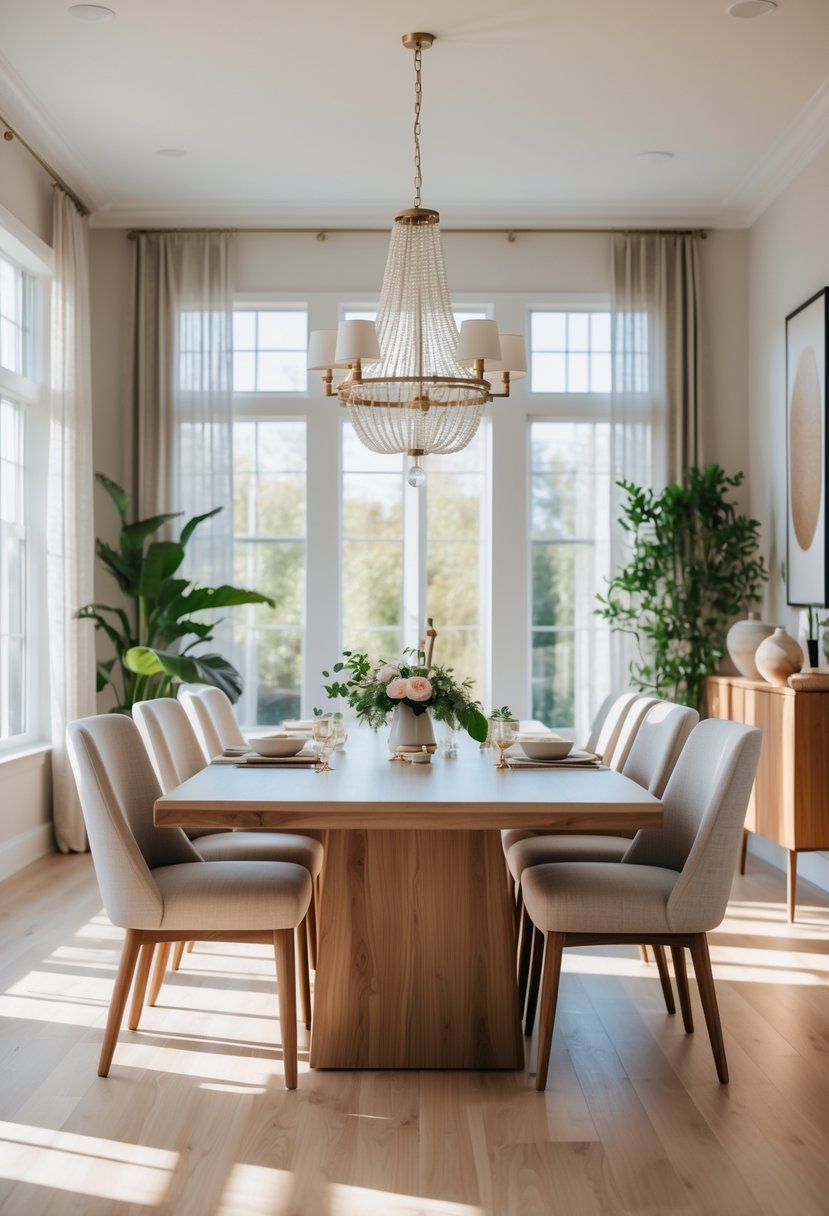
They can pick from classic choices like a statement chandelier or vintage sideboard, or try modern touches such as a glass-top table or mix-and-match chairs. The suggestions also cover smart storage, seating layouts, and simple decor moves like a bold wallpaper wall or gallery art to tie the room together.
1) Statement chandelier
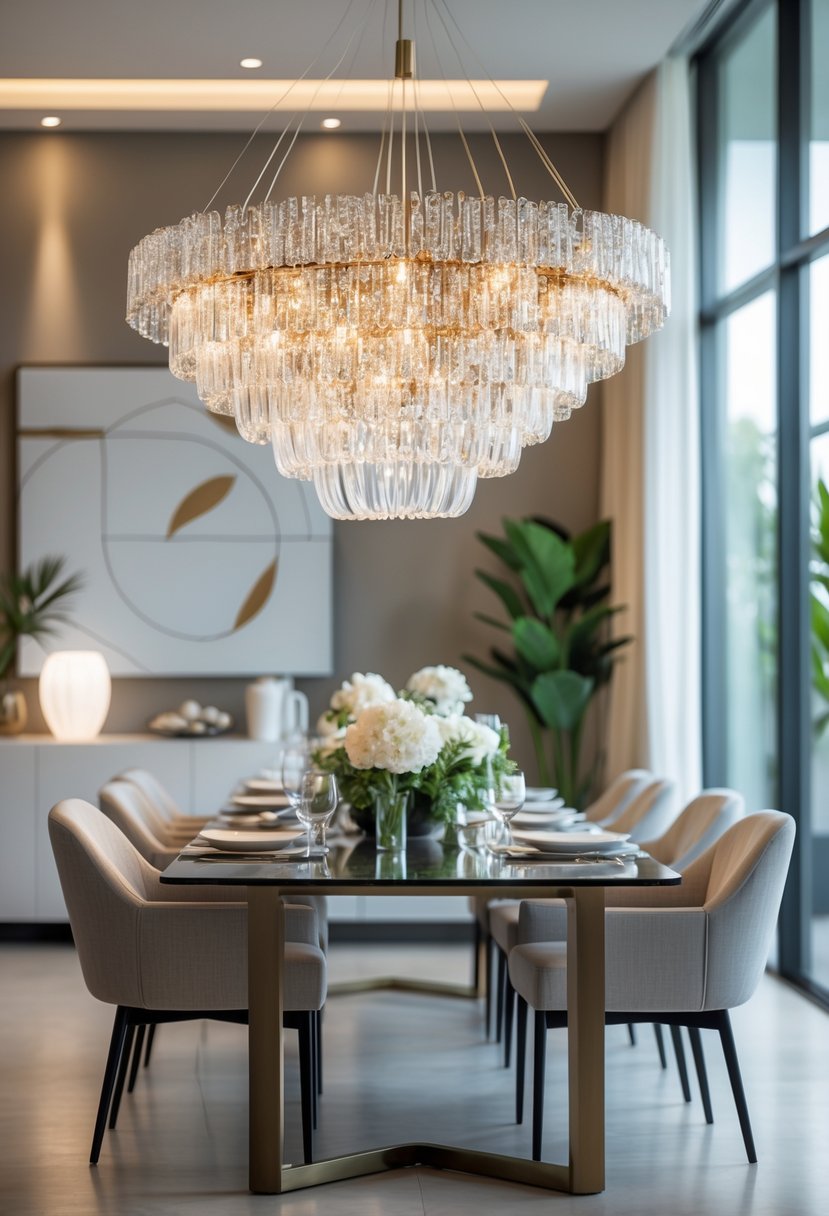
A statement chandelier draws attention and sets the tone for the dining room. It acts as a focal point above the table and helps define the room’s style.
They come in many shapes and sizes — modern glass, rustic metal, or classic crystal. Choose a size that fits the table: wider than the table’s width by about 6–12 inches on each side for balance.
Height matters for sightlines and comfort. Hang it 30–36 inches above a standard dining table so people can see each other without glare.
Lighting finish and bulb type change the mood. Warm LEDs give a cozy feel while dimmable fixtures add control for different meals and gatherings.
A statement chandelier can be a single purchase that lifts the whole room. It pairs well with simple walls and an uncluttered table to keep the look intentional and strong.
2) Round pedestal dining table
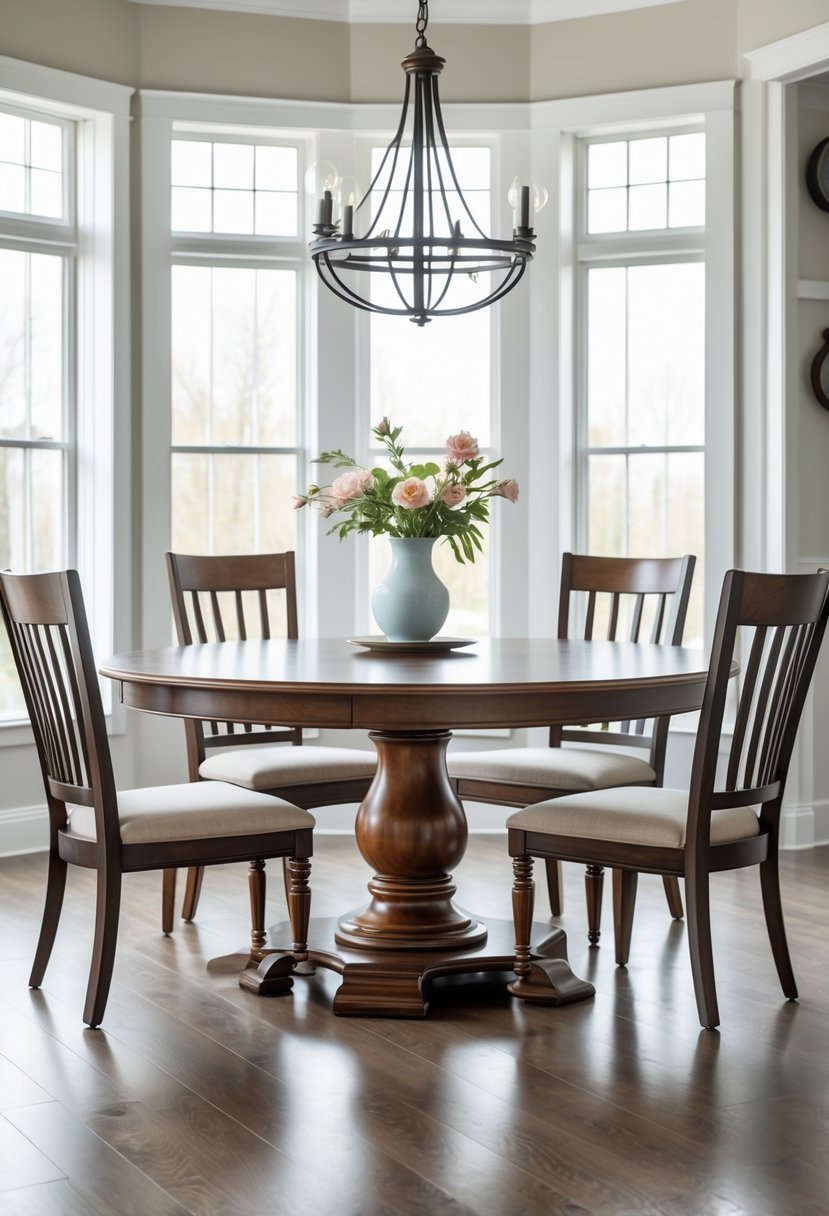
A round pedestal dining table saves space and creates a casual, friendly feel. It has no legs at the corners, so chairs slide in easily and people can move around without bumping knees.
The pedestal base can be slim or chunky, and materials range from wood to metal and glass. A wood pedestal suits a warm, traditional look, while a metal or glass base fits a modern or minimalist room.
Round tables fit small to medium rooms well, and they work for square or open-plan spaces. They often seat four to six people comfortably, depending on the table diameter.
A round pedestal table can act as a focal point. Adding a simple centerpiece and balanced lighting helps it stand out without crowding the room.
3) Mix-and-match dining chairs
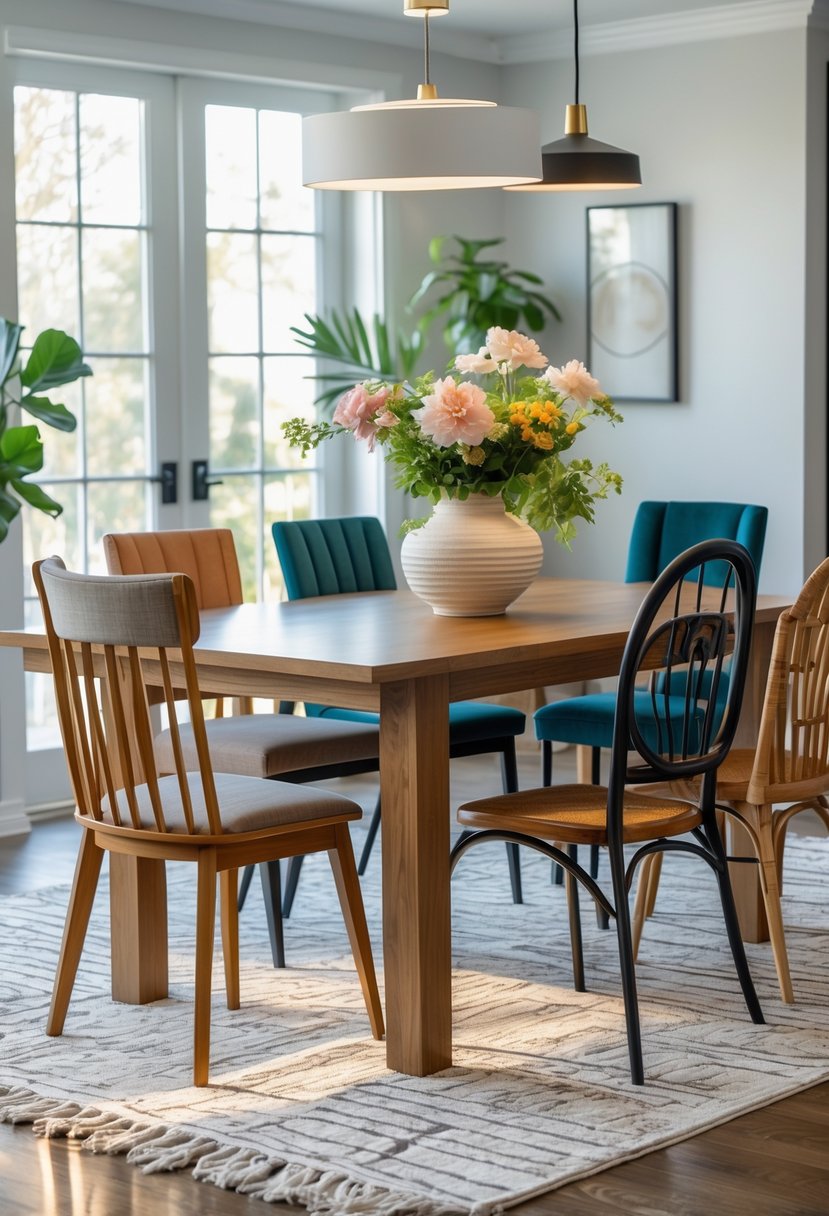
They pair different chair styles around one table to add character without clutter. Mixing wood, metal, and upholstered seats gives the room texture and depth.
They can match by color, height, or material to keep balance. For example, use two armchairs at the ends and simpler side chairs along the sides.
They let a homeowner reuse existing chairs instead of buying a full new set. That saves money and reduces waste while still creating a fresh look.
They work well with neutral walls or a simple rug to avoid visual overload. Small repeats—like a common finish or a shared cushion color—help the arrangement feel intentional.
4) Built-in buffet cabinet
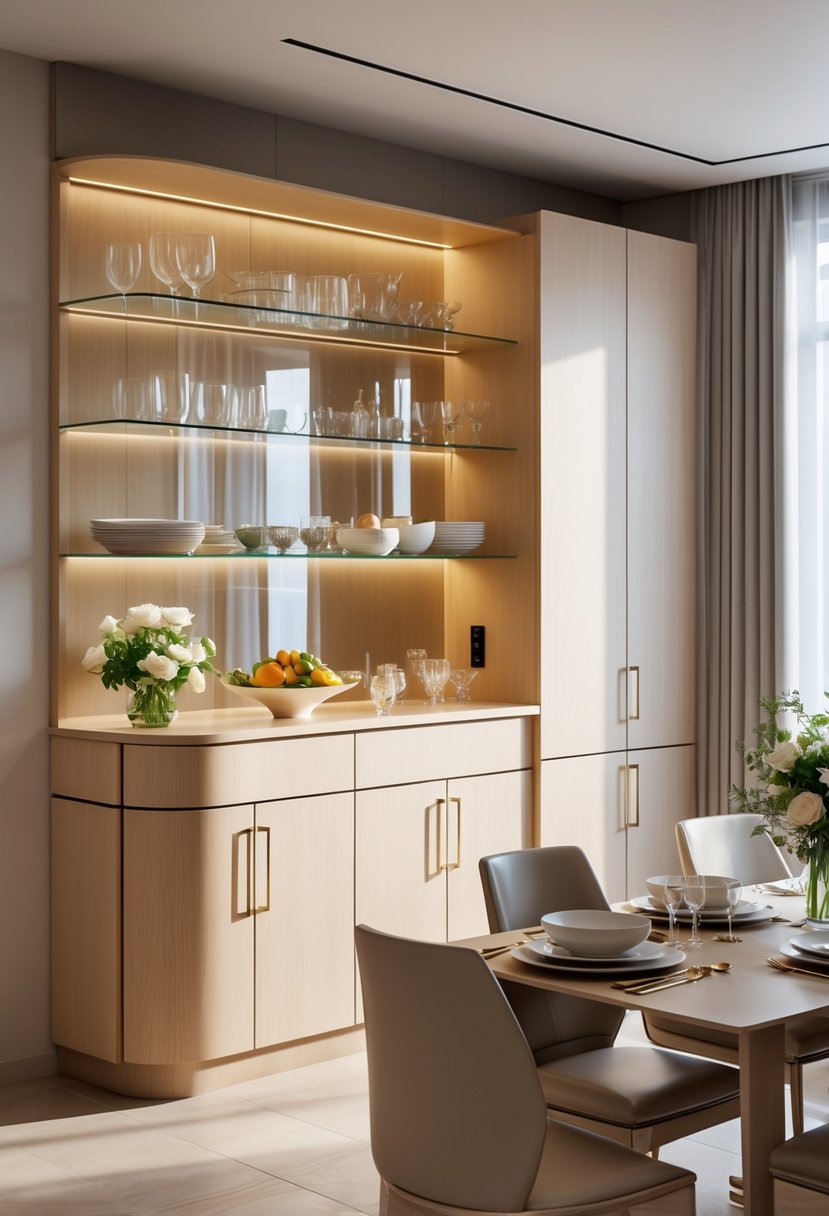
A built-in buffet cabinet adds storage and style to the dining room. It fits into a wall niche or runs along one wall, keeping dishes, linens, and serving pieces out of sight but easy to reach.
Choose a simple design for a clean look, or add glass doors to display favorite pieces. Built-ins can include open shelving, drawers, and closed cabinets to meet different storage needs.
Finish the cabinet to match trim or contrast with the walls for a focal point. Adding under-cabinet lighting highlights dinnerware and helps when setting the table.
A built-in buffet also makes serving easier during meals. It creates a dedicated place for drinks, platters, and extra plates without cluttering the dining table.
5) Large area rug under table
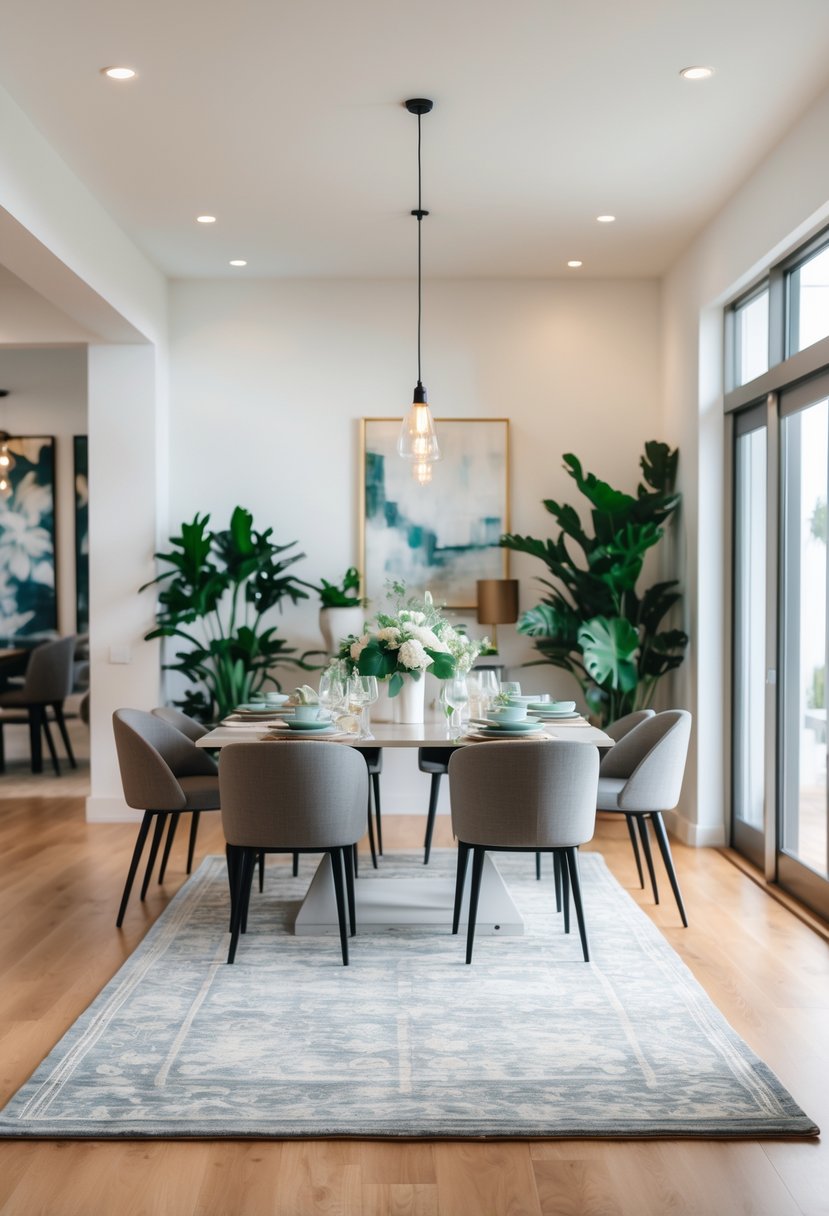
A large area rug helps define the dining space and ties the room together. It creates a clear boundary for the table and chairs, making the layout feel intentional.
Choose a rug that extends at least 24 inches beyond the table on all sides. This allows chairs to remain on the rug when pulled out, preventing uneven footing and protecting floors.
Pick a durable, easy-to-clean material for a dining rug. Low-pile wool, indoor-outdoor synthetic fibers, or flatweave cotton work well and resist spills and wear.
Match the rug color and pattern to the room’s style. Neutral tones calm the space, while a bold pattern adds personality without needing extra decor.
Measure the room before buying to ensure proper scale. Too small a rug will look lost; too large can overwhelm. Ambition should favor function and proportion.
6) Vintage sideboard
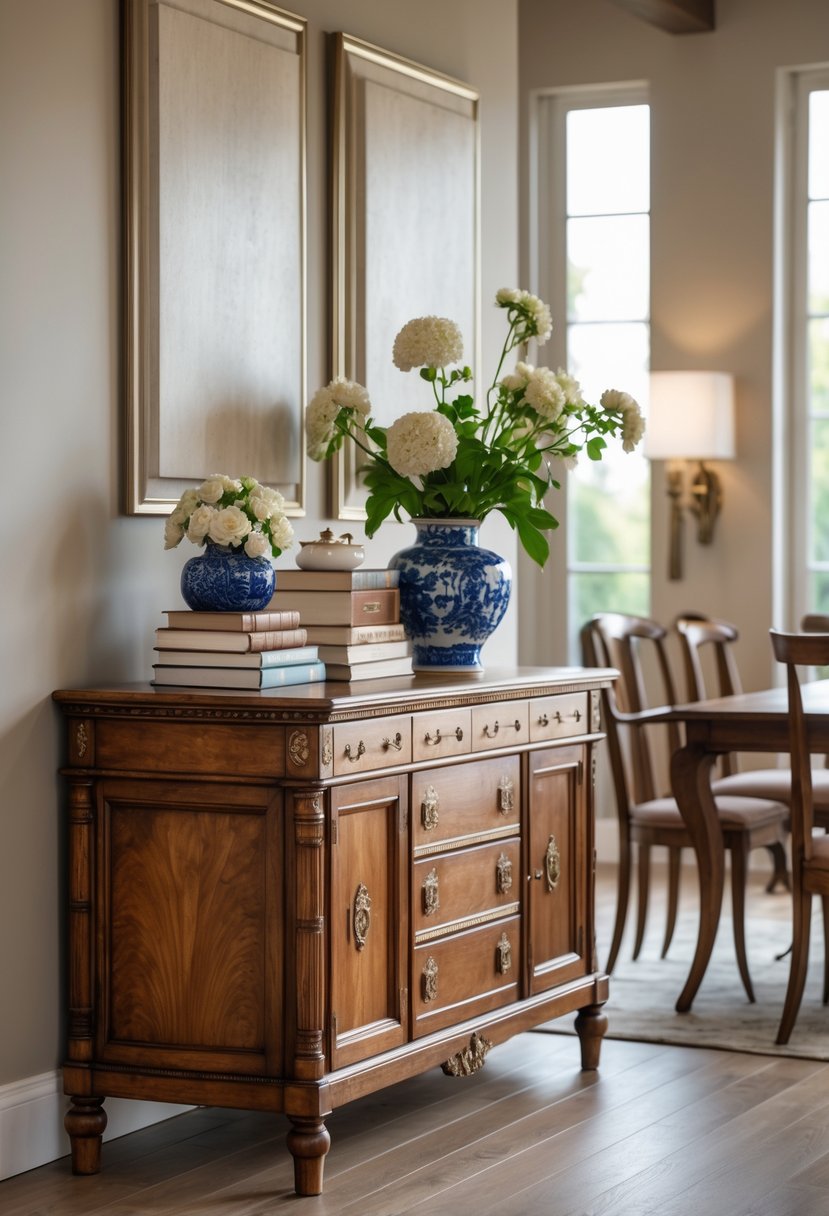
A vintage sideboard adds character and storage to the dining room. It often shows wood grain, patina, or original hardware that brings a lived-in feel without clutter.
They work well against a blank wall beneath art or a mirror. A sideboard can hold dishes, table linens, or barware while keeping surfaces tidy.
Pair it with modern chairs or a simple table to balance old and new. Lightly sanded or refinished pieces keep charm but improve function, like smoother drawers and secure hinges.
Choose a size that leaves room for traffic and chair movement. They vary from narrow console styles to wider buffets; measuring first prevents a cramped layout.
7) Gallery wall with artwork
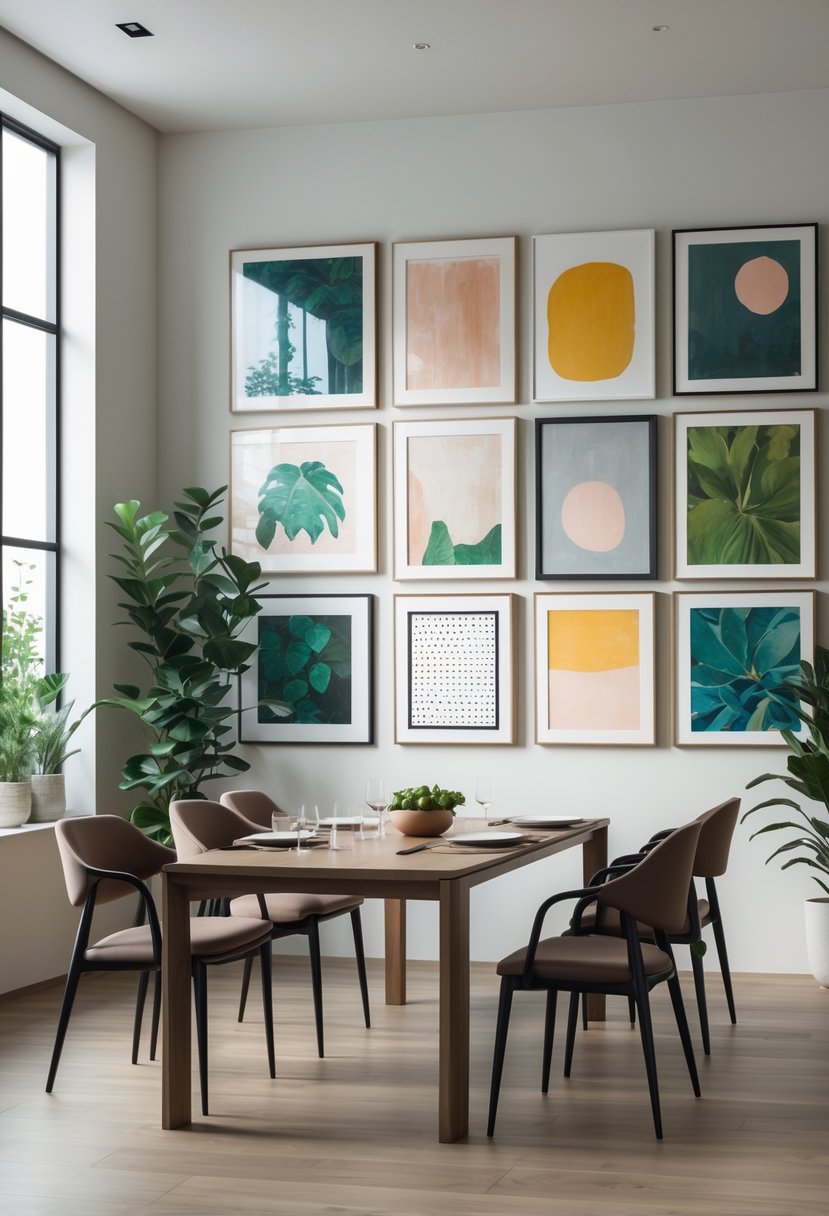
A gallery wall adds personality and color to a dining room without taking up floor space. They can mix photos, prints, and small mirrors for visual interest.
They work well above a buffet or sofa and draw eyes upward, which makes the room feel taller. Group pieces by theme, color, or frame style to keep the display cohesive.
Start by laying the arrangement on the floor or using paper templates on the wall to test spacing. Keep consistent spacing between frames—about 2 to 4 inches—so the layout reads as one installation.
Rotate artwork seasonally or after special events to keep the space fresh. Lighting matters: pair the wall with a picture light or adjustable ceiling fixtures to highlight key pieces.
8) Bold wallpaper accent wall
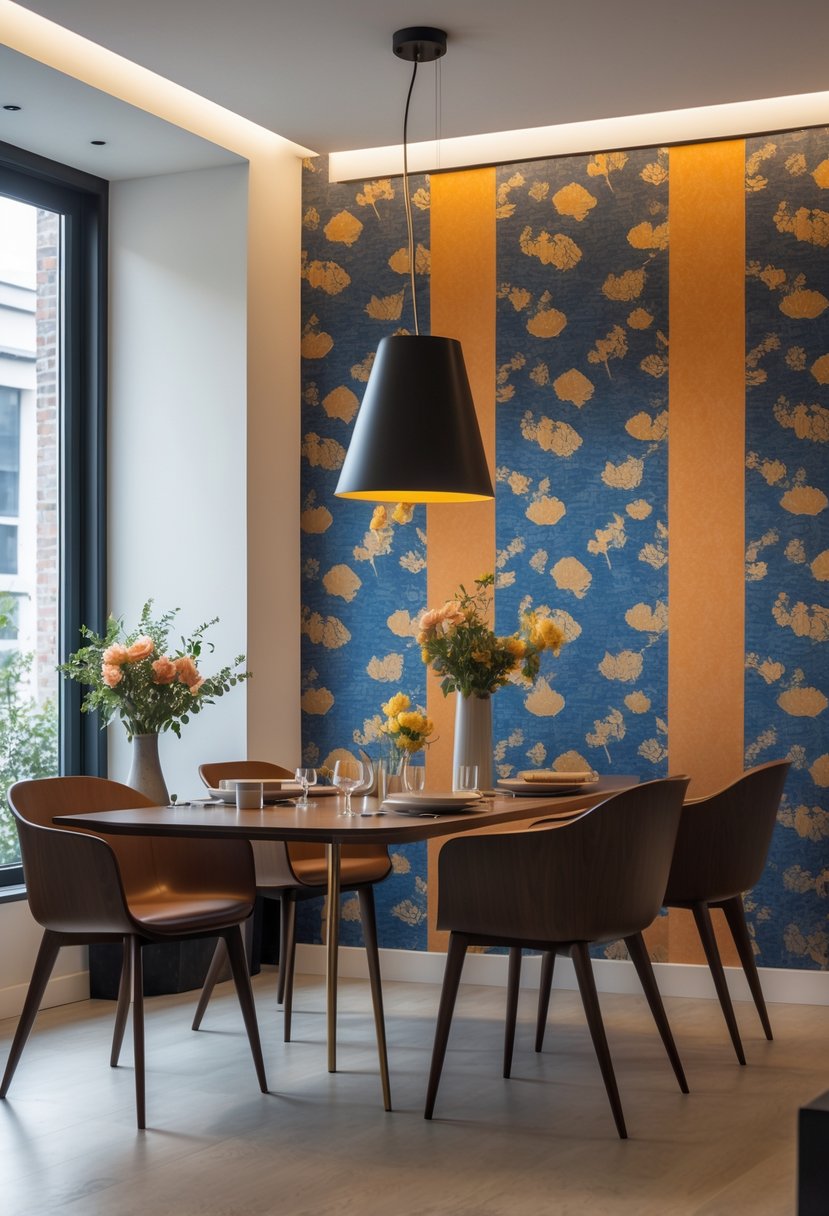
They choose a bold wallpaper to give the dining room a clear focal point. A patterned or dark-colored wall draws the eye and adds personality without cluttering the space.
They place the wallpaper on one wall behind a dining table or buffet. This keeps the room balanced and makes the bold design feel intentional.
They pick patterns that match the room’s style, like geometric prints for modern rooms or floral motifs for traditional spaces. Texture or metallic accents can add depth without overwhelming the room.
They keep other walls and furnishings simple so the accent wall stands out. Neutral paint, plain curtains, and minimal decor let the wallpaper shine.
They use durable, washable wallpaper near dining areas to handle spills and cleaning. Removable wallpaper works well for renters or people who like to change styles often.
9) Glass-top dining table
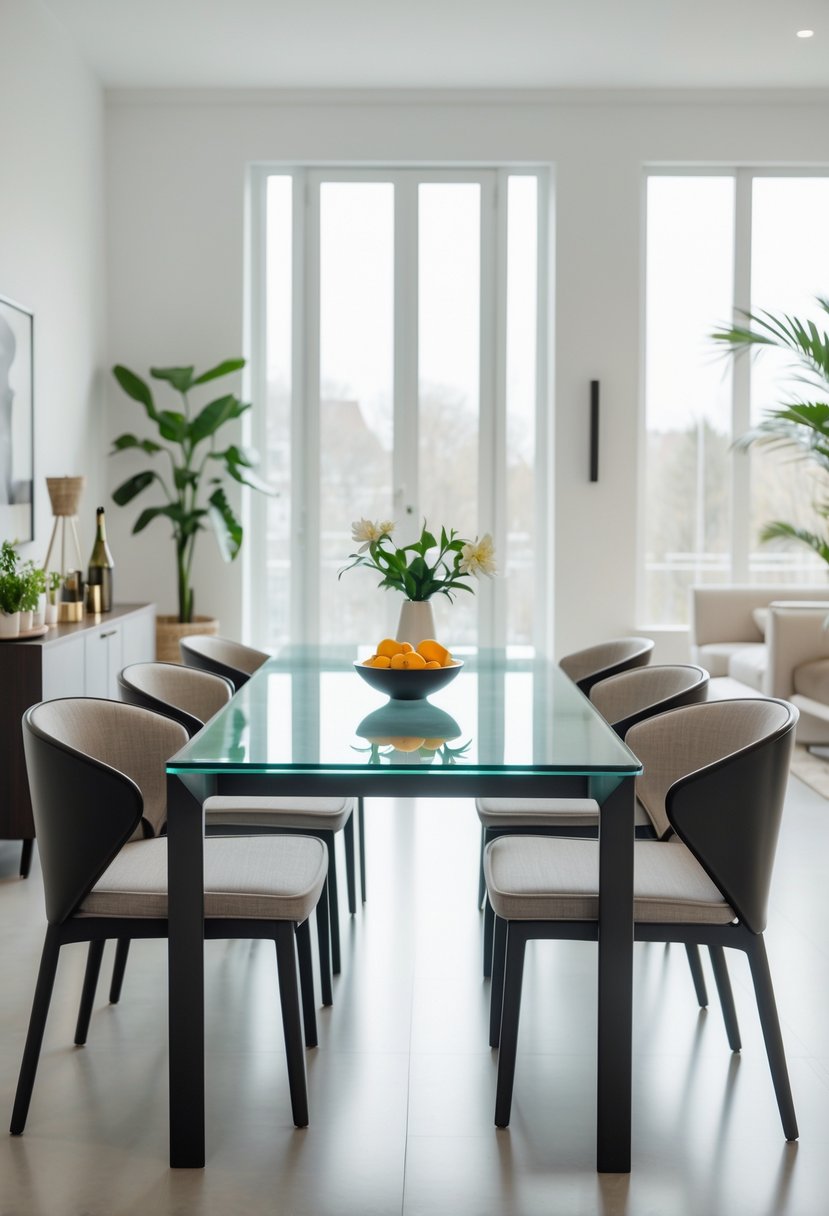
A glass-top dining table keeps the room feeling open and light. It helps small spaces look larger by letting sightlines pass through the table.
They pair well with many chair styles, from metal and wood to upholstered seats. The transparency lets chairs and rugs show through, adding layers without clutter.
Tempered glass is safer and more durable than regular glass. It resists scratches and can handle daily use, though it still needs care to avoid chips.
Glass tops are easy to clean with a soft cloth and mild cleaner. Fingerprints show more, so quick wipe-downs keep the table looking neat.
10) Bench seating on one side
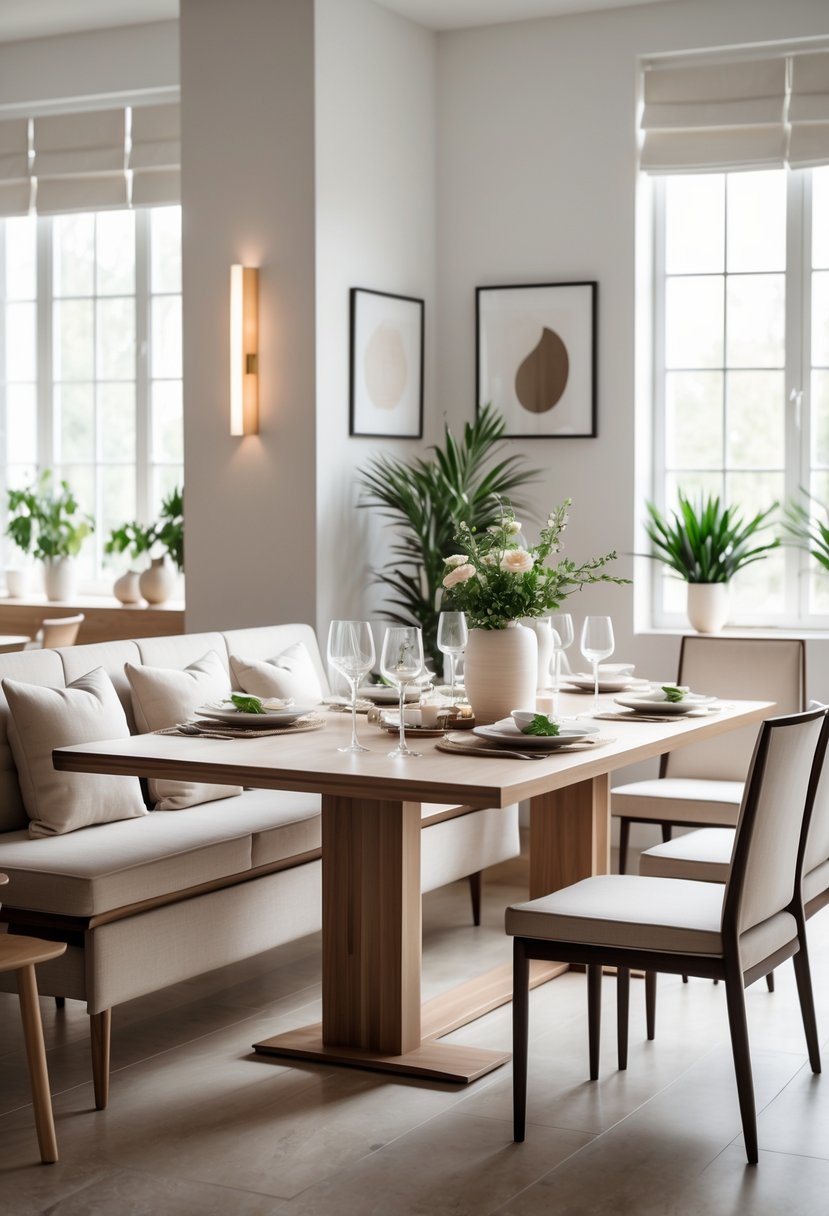
Bench seating on one side saves space and creates a clean look. It fits well against a wall or window and frees up floor area on the opposite side.
A bench can be built-in or movable. A built-in bench gives a polished, custom feel while a movable bench adds flexibility.
Cushions and throw pillows make the bench more comfortable and add color. Storage under the bench helps hide table linens, toys, or seasonal items.
Mix a bench with chairs on the other side to keep seating balanced. This mix keeps the room from feeling too formal and makes it easier to slide in and out.