

 By Trends Oraa
 This article was created in line with Trends Oraa’s research and content standards.
You can turn a small patch of land into a simple diy roadside farm stand that attracts neighbors and passersby. It shows easy ways to pick a visible spot, build a neat stand with reclaimed materials, protect goods from weather, and set up clear pricing and a payment box so sales run smoothly.
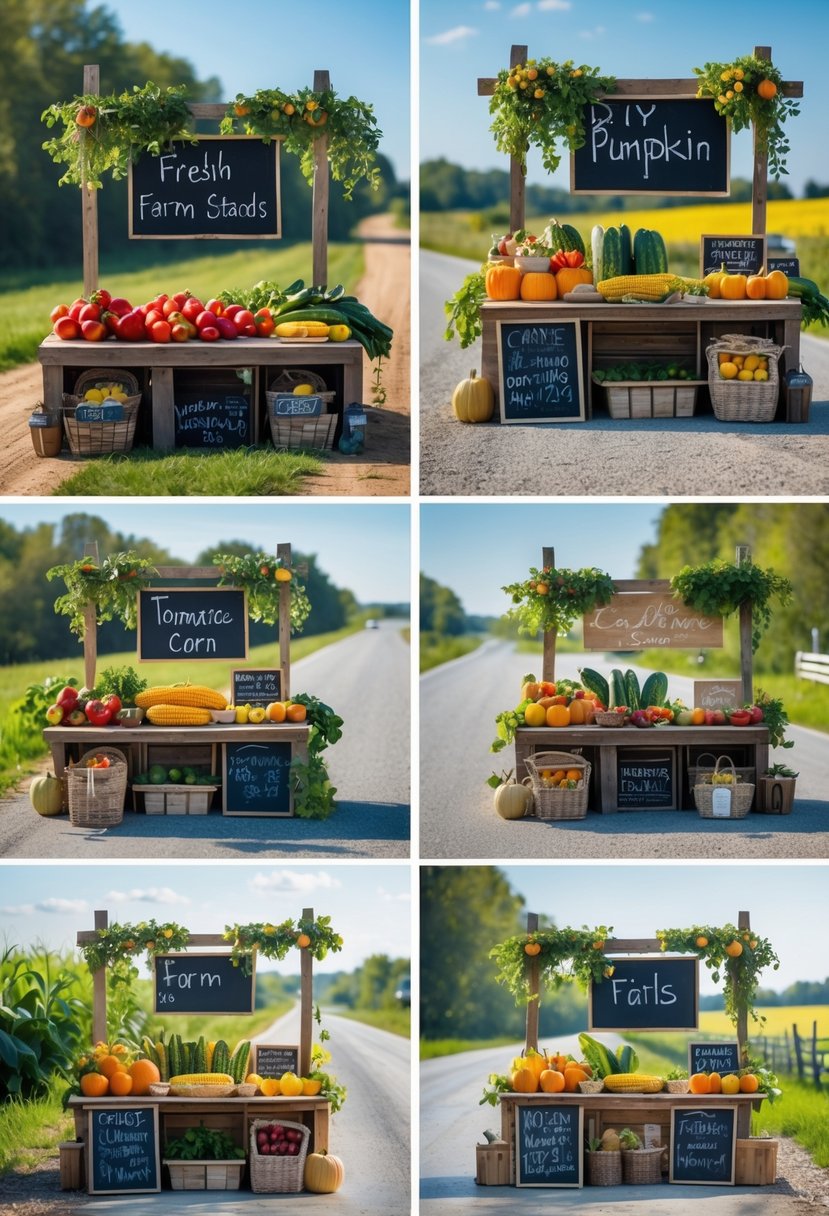
They will learn practical ideas for shelves, a cooler for perishables, and signs that highlight seasonal fruits and local honey. The article keeps steps simple and doable so you can start selling homegrown produce with confidence.
1) Choosing a high-visibility location
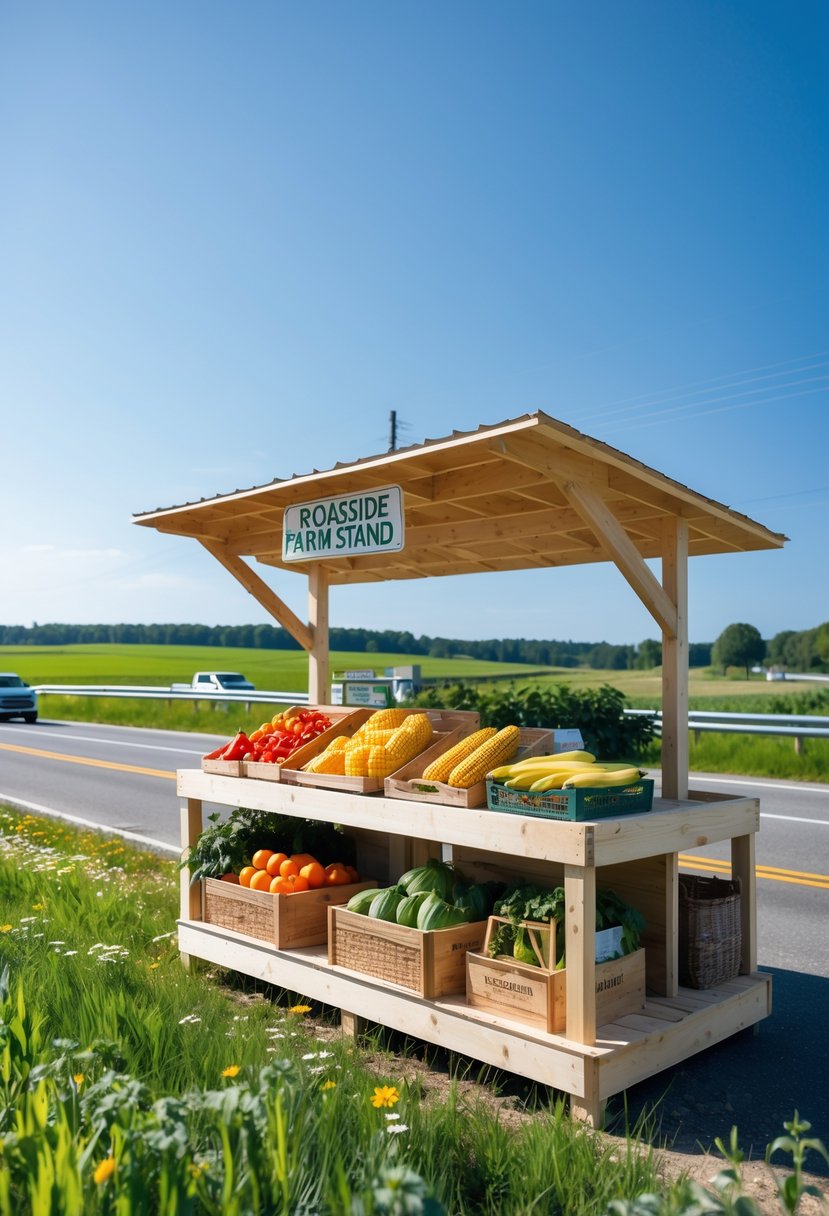
They pick a spot that drivers can see from the road and slow down safely. Visibility increases walk-up sales and makes the stand easier to find.
They avoid sharp curves, blind hills, and areas with heavy roadside clutter. A clear line of sight and good signage matter more than a scenic view.
They check local rules for setbacks, parking, and permits before setting up. Compliance prevents fines and keeps the stand open.
2) Designing a simple but attractive stand
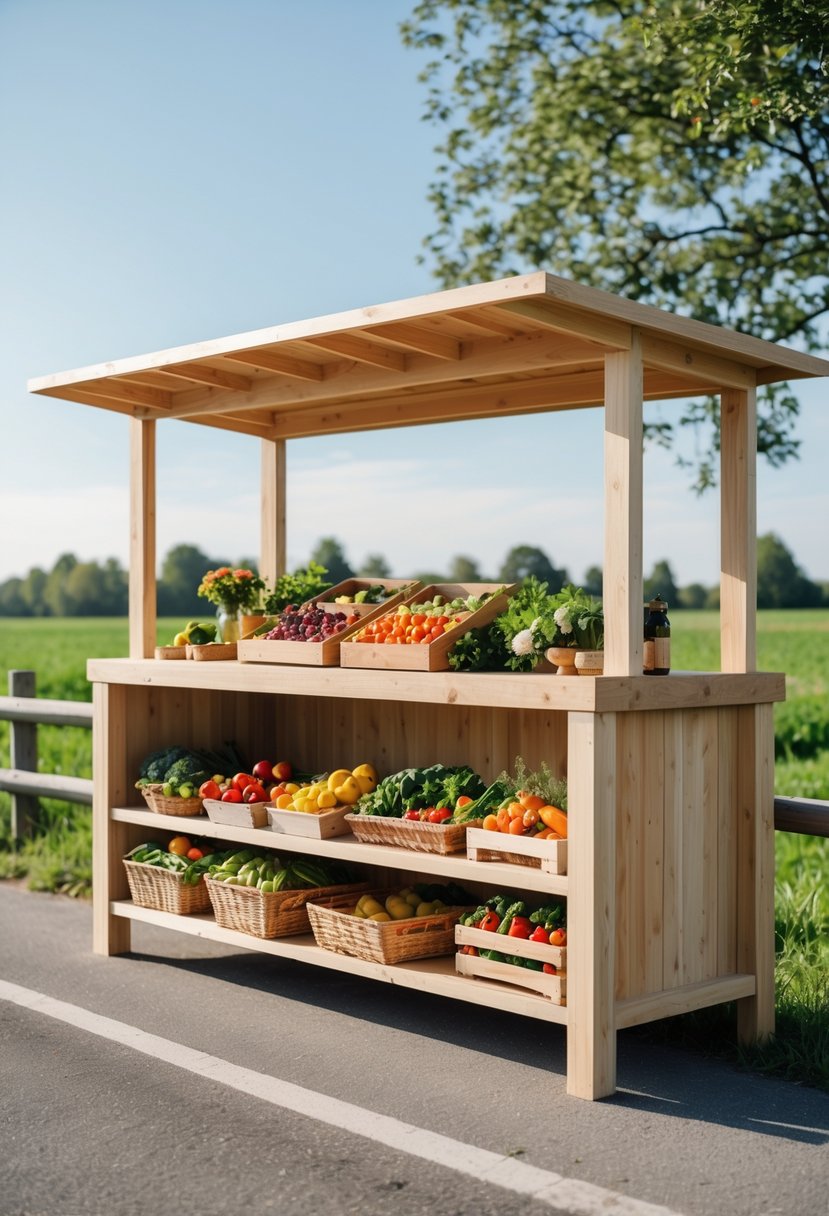
They pick a clean layout with clear sightlines so products are easy to see. A basic frame, a flat roof, and open sides work well and keep costs low.
They choose natural colors and simple signage to look tidy and welcoming. Good lighting and neat baskets make produce appear fresh without overdoing decoration.
They add a small covered counter for transactions and a weatherproof box for cash. Plants or a chalkboard sign give charm without extra expense.
3) Using reclaimed wood for construction
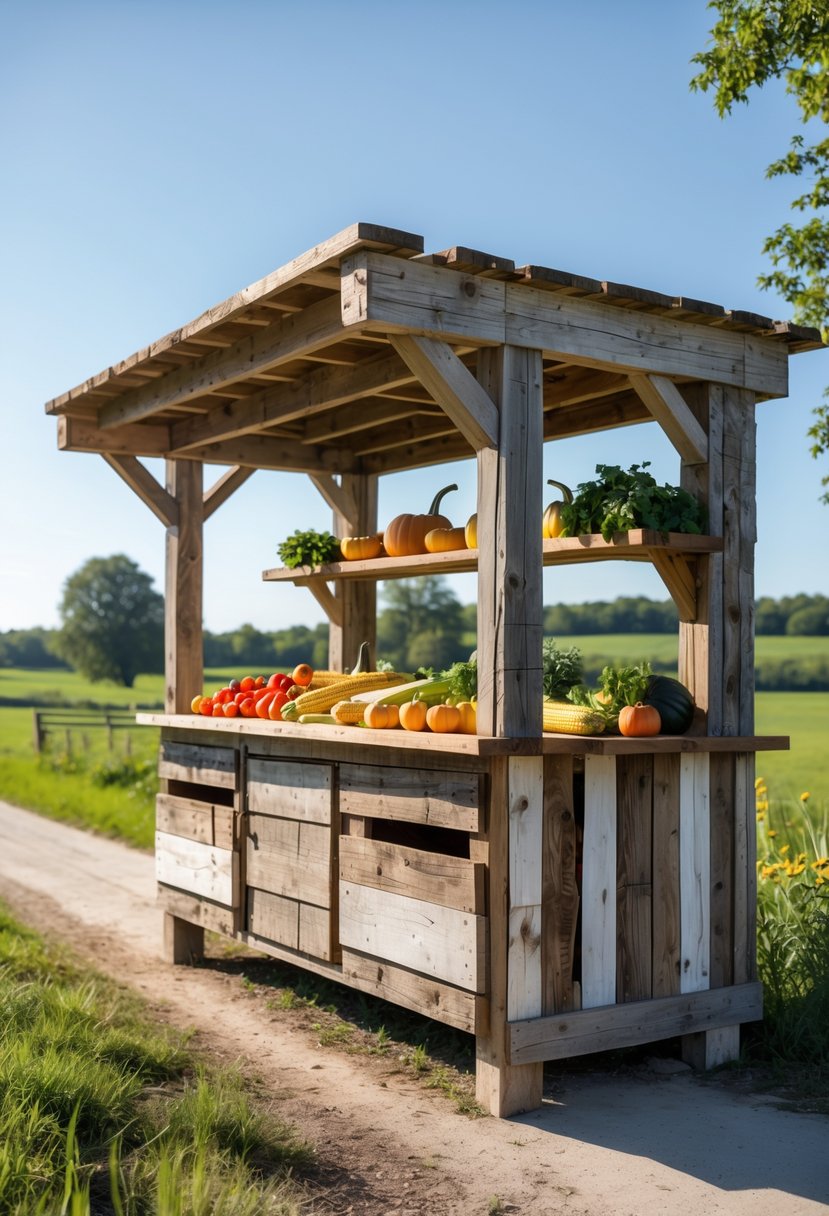
They choose reclaimed wood to give the stand character and save money. Old boards often have tight grain and nail holes that add charm without costing much.
They should check for rot, insect damage, and embedded metal before use. Sanding and sealing make the wood safe for food items and weather.
They can mix reclaimed wood with new framing for strength. Proper fasteners and protective finishes extend the life of the stand.
4) Installing a weatherproof roof
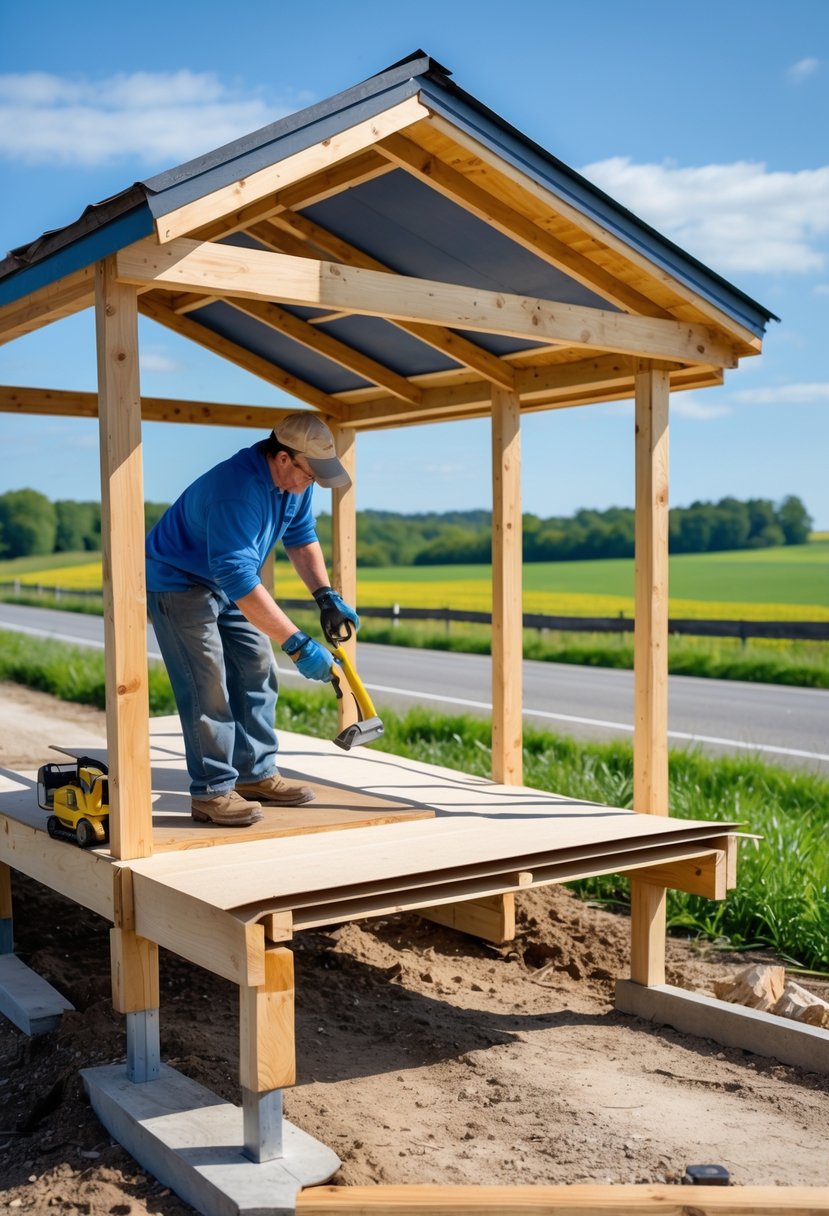
They measure the stand and cut roof panels to fit. Common choices are corrugated metal or polycarbonate for light weight and water resistance.
They add a slight slope so rain runs off. Flashing and sealed seams stop leaks at joints and around posts.
They fasten panels with neoprene-washer screws to prevent water entry. Regularly check and tighten fasteners and replace damaged panels when needed.
5) Incorporating clear signage with prices
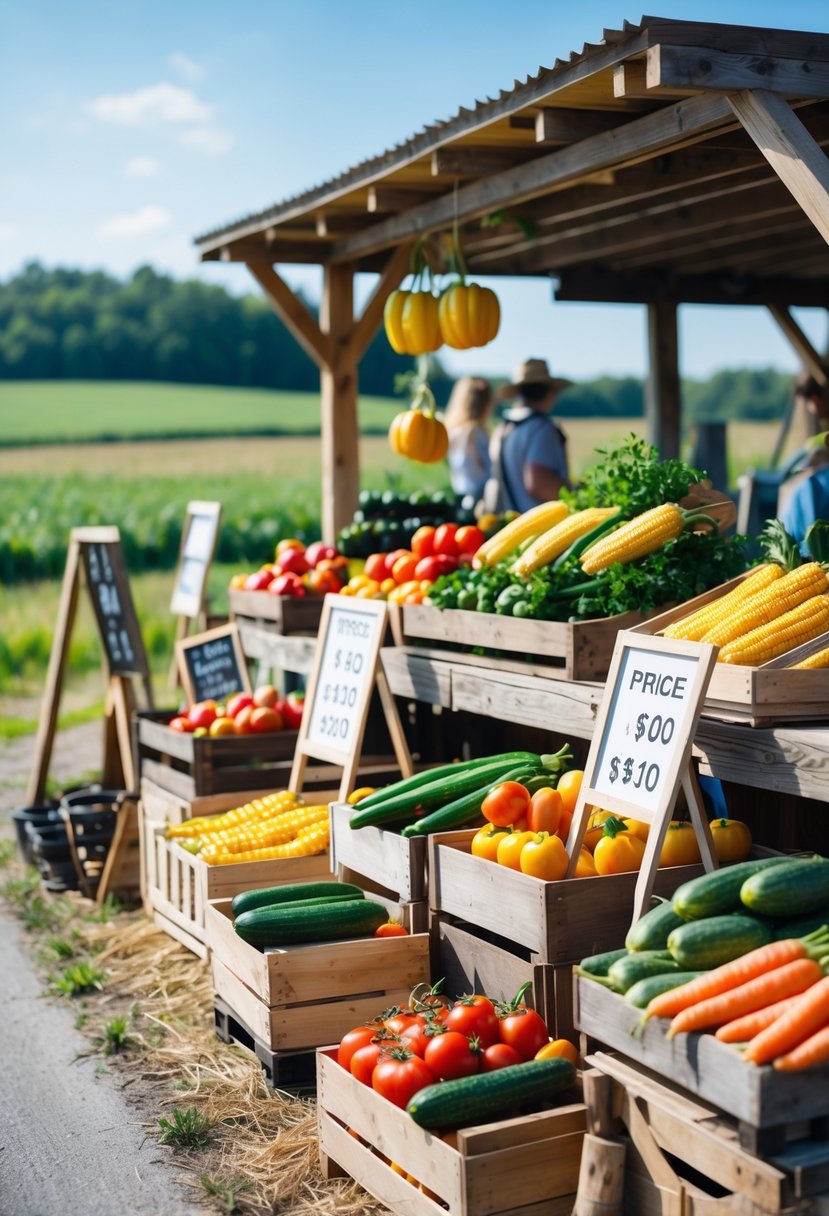
They should use large, readable fonts so drivers can see prices at a glance. High-contrast colors like black on white help legibility in sun or shade.
Signs must list item names, unit sizes, and prices to avoid confusion. They can include simple icons for items like eggs or tomatoes for quick recognition.
Use weatherproof materials and secure mounting to keep signs readable over time. Update prices promptly to match stock and avoid customer disputes.
6) Building sturdy shelving for produce
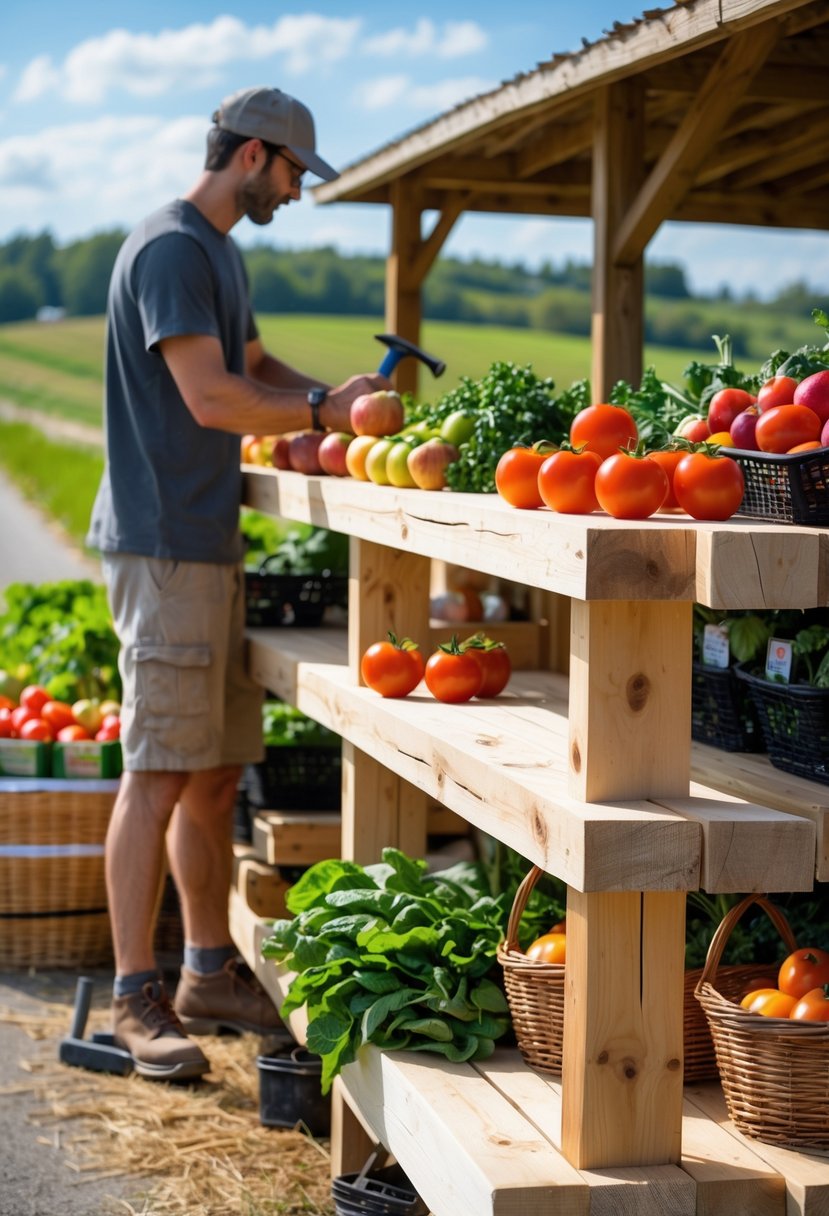
They pick strong, rot-resistant wood like cedar or pressure-treated pine for frames. Shelves need solid joinery—screws and brackets work better than nails.
They space shelves to allow air flow and avoid stacking fruit too high. Slatted shelves help keep produce dry and visible.
They anchor shelving to walls or the ground to prevent tipping. Finish with food-safe sealer and check shelves daily for wear.
7) Adding a payment box with instructions
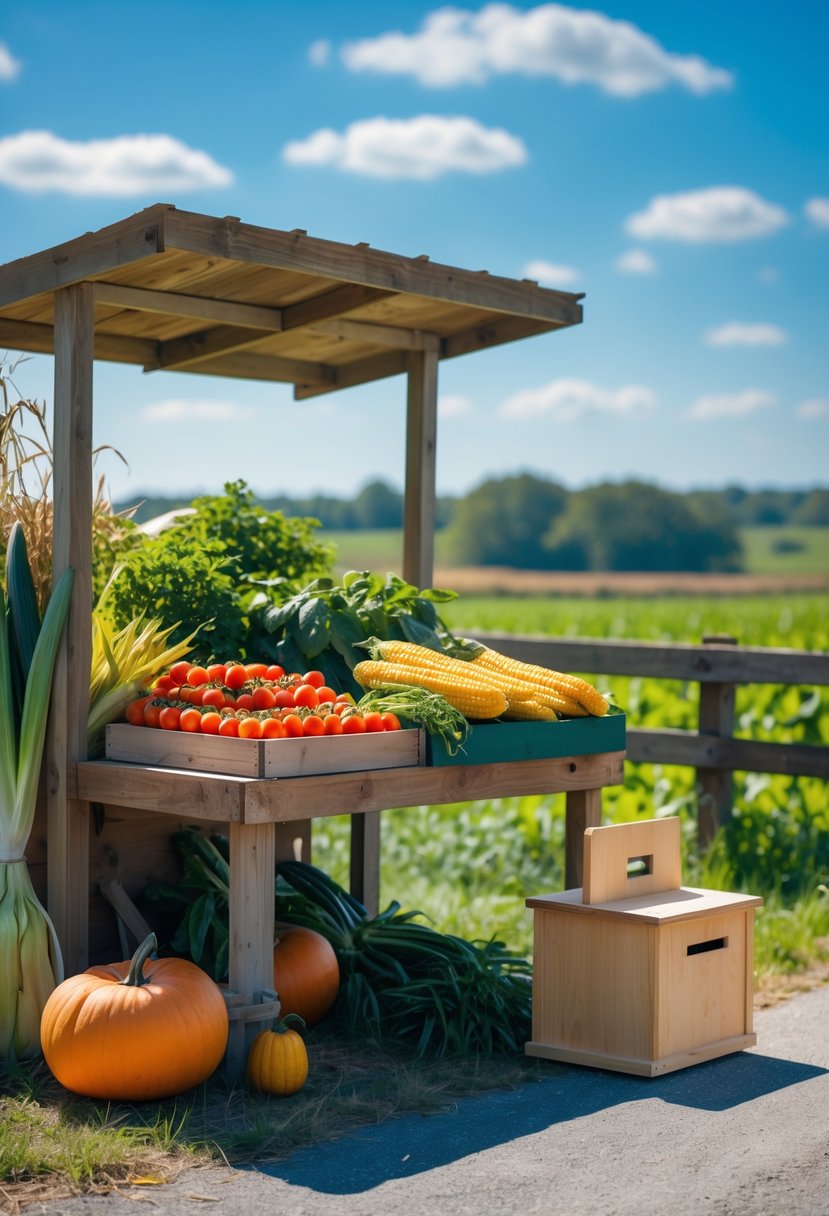
They mount a lockbox or secure payment box near the stand for cash and envelopes. A clear sign shows price list, payment steps, and change policy in simple words.
They place the box at chest height and bolt it down to prevent theft. Weatherproofing and a small tray for coins make transactions easier.
They check the box daily and record payments in a notebook or phone app. Clear instructions help customers pay correctly and reduce confusion.
8) Setting up a small cooler for perishables
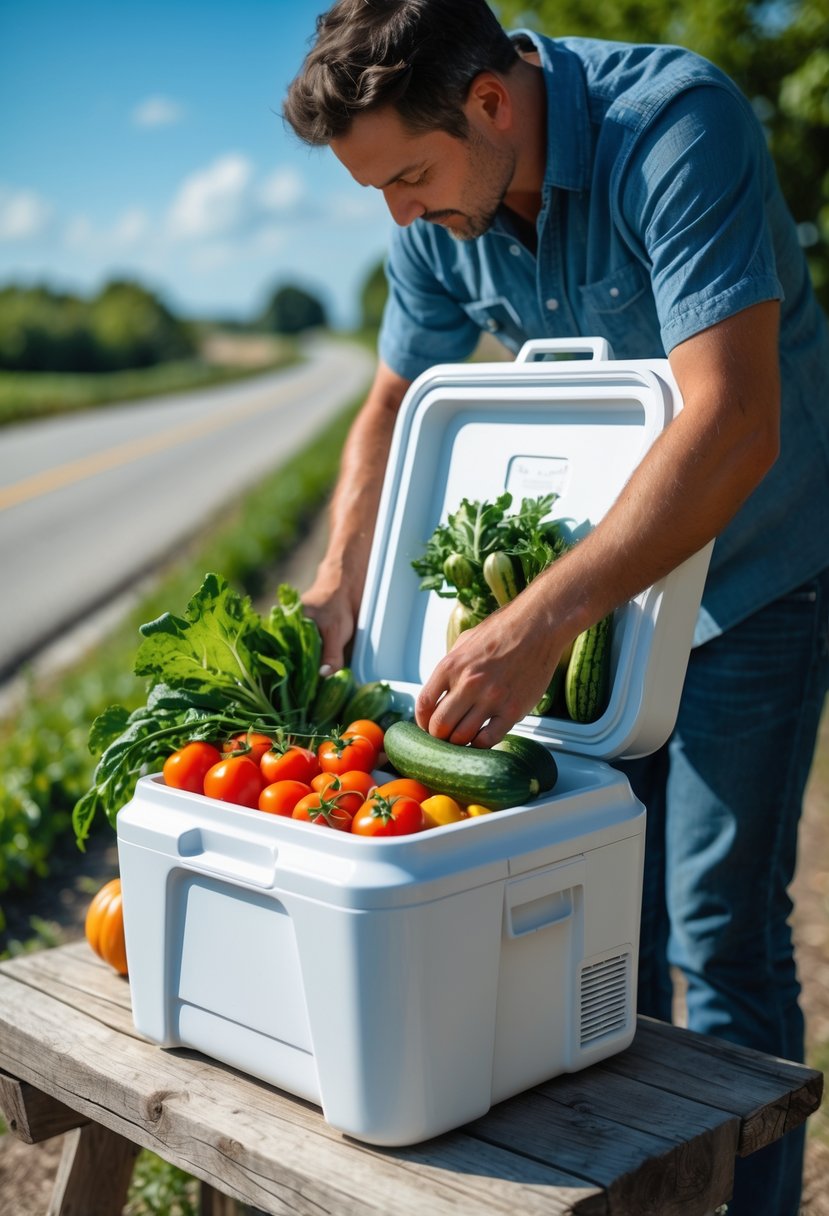
They place a sturdy cooler near the stand to keep milk, eggs, and cut greens cold. Add ice packs or frozen water bottles for steady cooling without messy meltwater.
They check temperatures with a simple thermometer and rotate items so older goods sell first. Shade the cooler and refill ice daily to keep food safe and fresh.
9) Including a variety of seasonal fruits
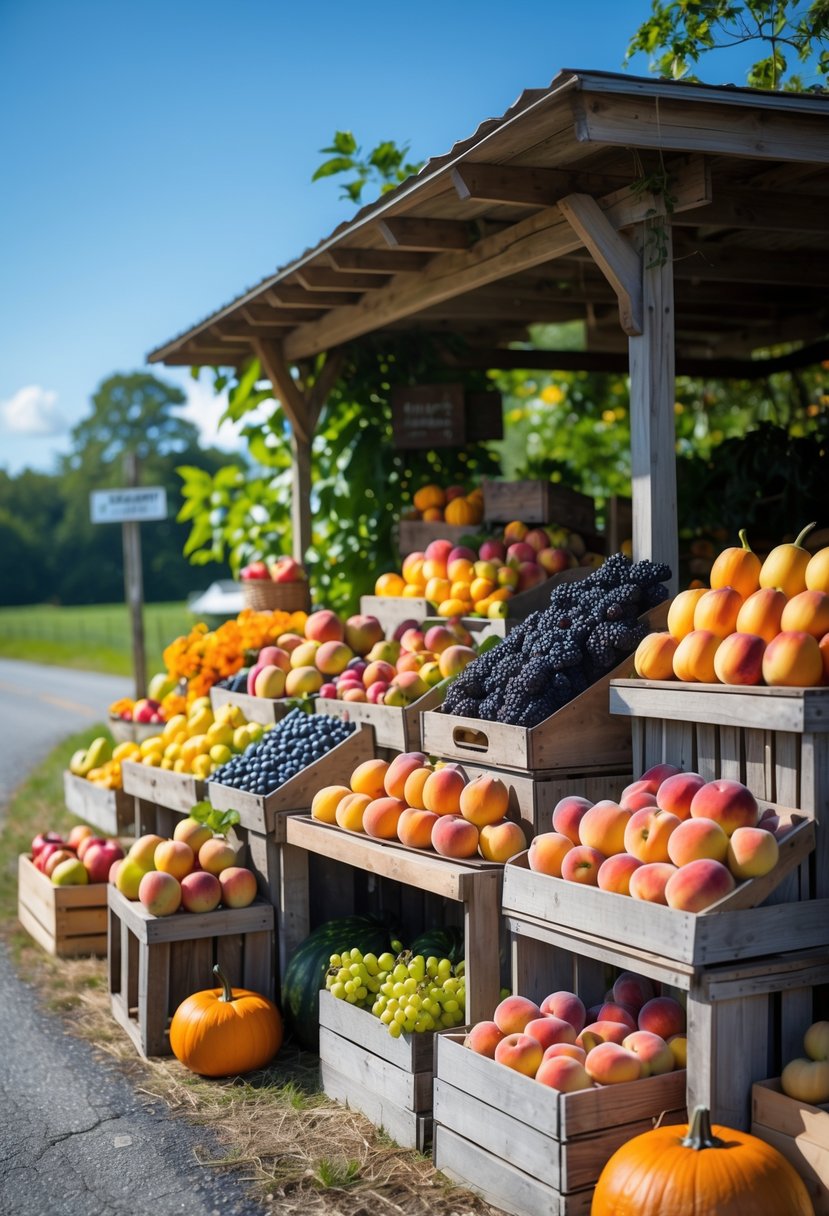
They rotate fruits by season to keep offerings fresh and appealing. Early summer brings berries, midsummer adds peaches and plums, and fall features apples and pears.
They label each fruit with its name and price so customers know what’s ripe. Small signs also note if fruit is organic or locally grown.
They store delicate fruits in shaded, cool spots to prevent bruising. Regularly checking and removing damaged pieces keeps the stand looking tidy.
10) Offering local honey jars
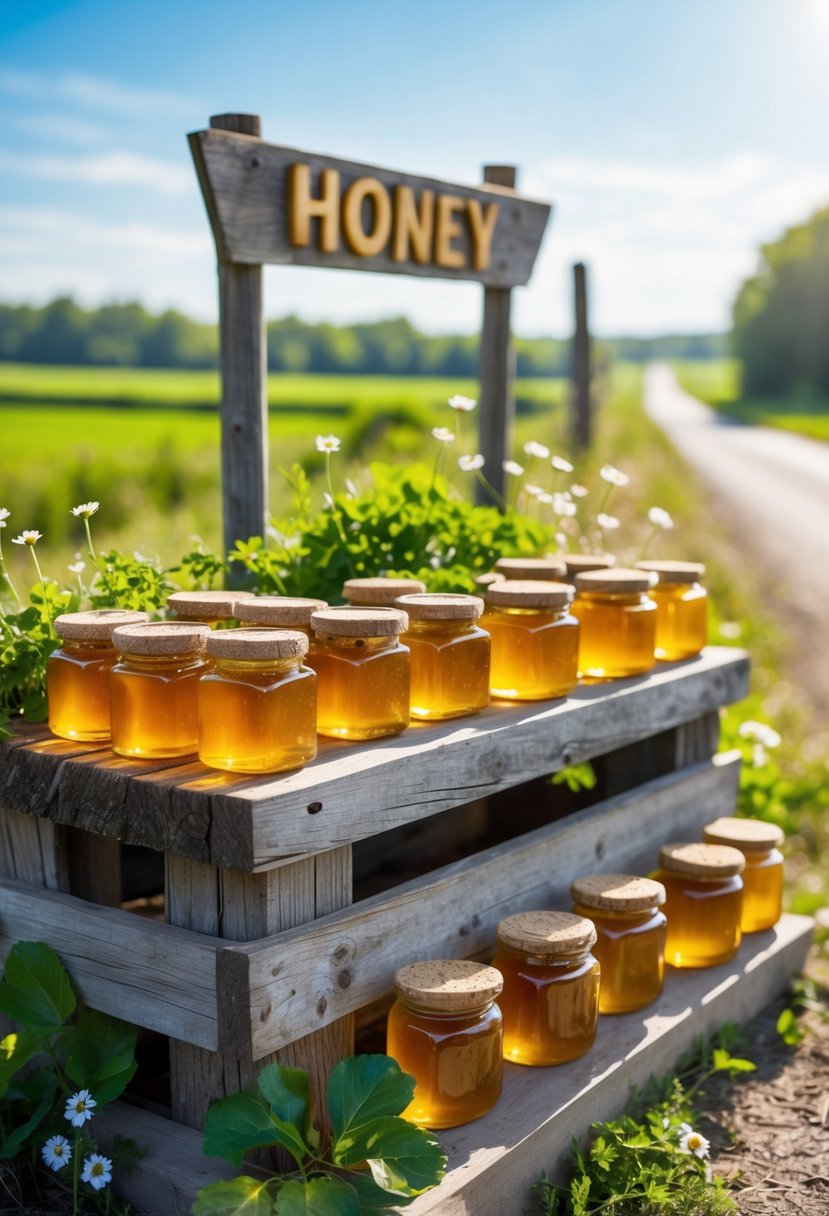
They pack jars of local honey in simple, clean labels that state the source and weight. Customers trust clear labeling and a short note about floral source or harvest month.
They price jars fairly and offer small tastings by the stand. A few sample spoons and toothpicks let buyers try sweet varieties safely.
They keep jars sealed and shaded to protect quality. Cold weather can thicken honey, but it stays safe and still sells well.