

 By Alexa James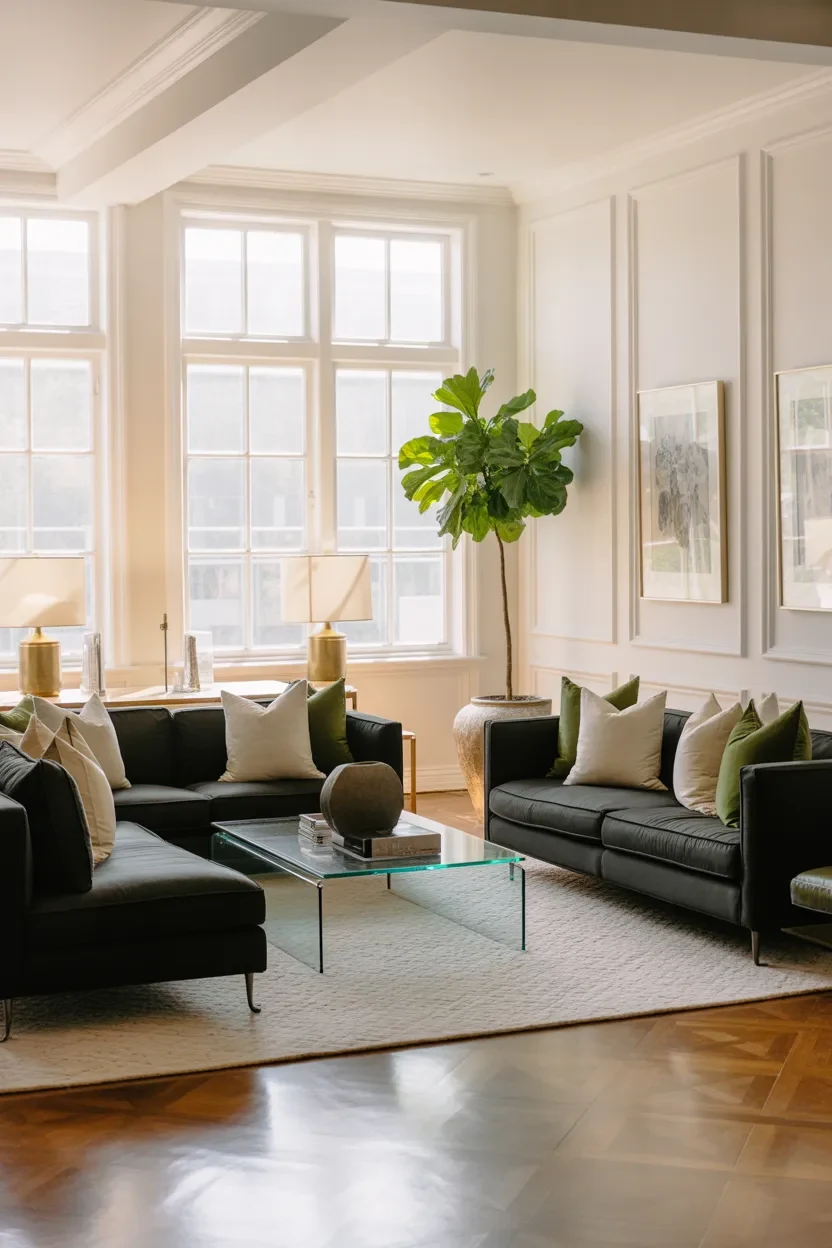
This article was created in line with Trends Oraa’s research and content standards.
Ever walk into your living room and think, “Why does this space still feel off?” You’ve got a sofa, a coffee table, maybe a rug, and yet the room still doesn’t feel finished. That’s super common, and honestly, it’s usually not about buying more stuff. It’s about knowing how to decorate a living room step-by-step so every choice works together.
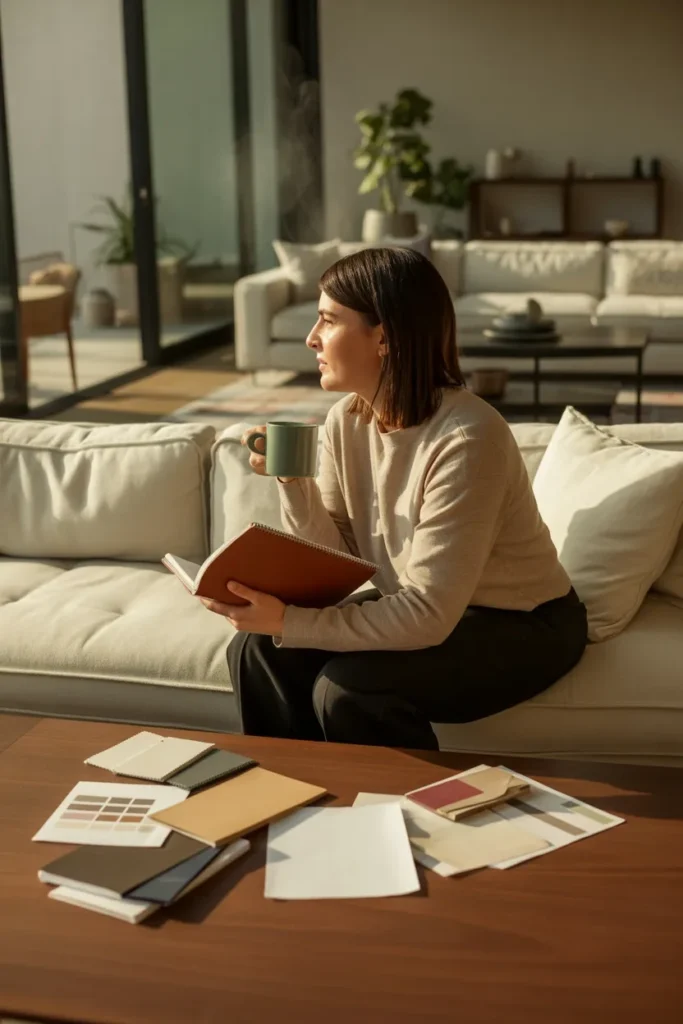
I’ve always loved this part of home design because a living room does a lot of heavy lifting. It’s where you relax, host people, binge your favorite shows, and sometimes even eat takeout on a Tuesday night. I’ve rearranged living rooms more times than I can count, and the biggest lesson is this: when you Decorate a Living Room with a clear plan, the whole process feels easier and way more fun.
Start With the Room’s Purpose
Before you buy pillows or obsess over paint samples, pause for a second. What do you actually want this room to do? That question changes everything.
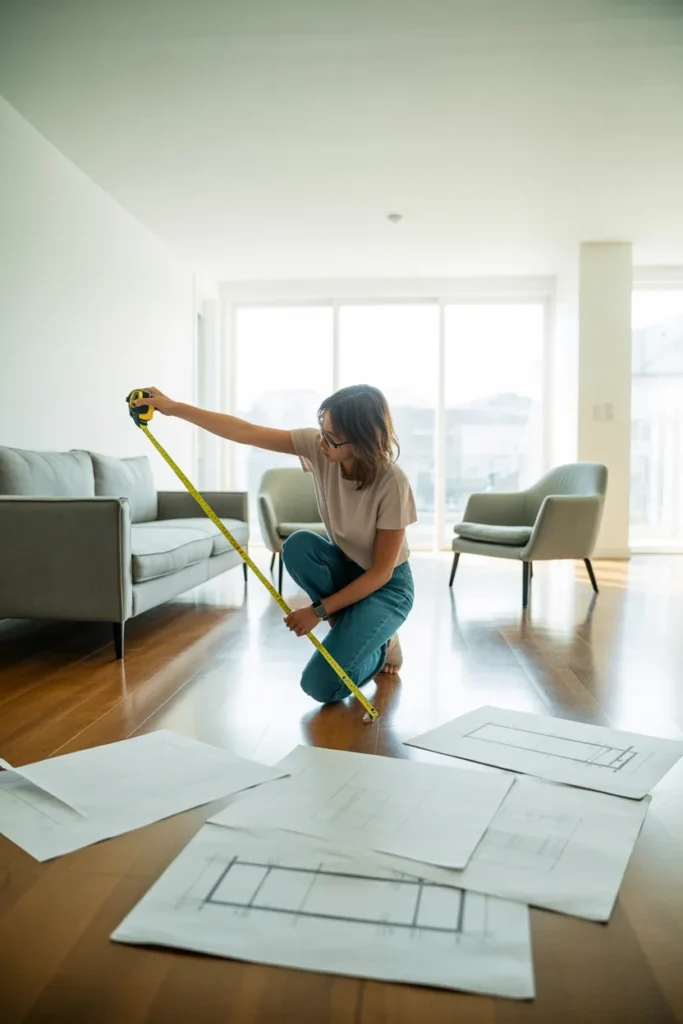
Some living rooms are made for entertaining. Others are all about movie nights, reading, or family hangouts. If you skip this step, you may end up with a room that looks nice but doesn’t fit your life. And what’s the point of that?
Ask Yourself How You Really Use the Space
Be honest here. Are you hosting friends every weekend, or are you mostly curling up with a blanket after work? Do kids play here? Does your dog own the best seat in the house?
Here are a few questions to guide you:
- How many people use the room daily?
- Do you need a TV-focused setup or a conversation area?
- Will the room need extra storage?
- Do you want the vibe to feel cozy, polished, casual, or bold?
Once you answer those, you’ll have a much easier time making smart decorating decisions. This is the first real step if you want to Decorate a Living Room that feels personal instead of random.
Measure First, Then Plan the Layout
I know, measuring isn’t the glamorous part. But skipping it is how people end up with a giant sofa blocking the walkway or a rug that looks like a bath mat in the middle of the room. Not ideal, right?
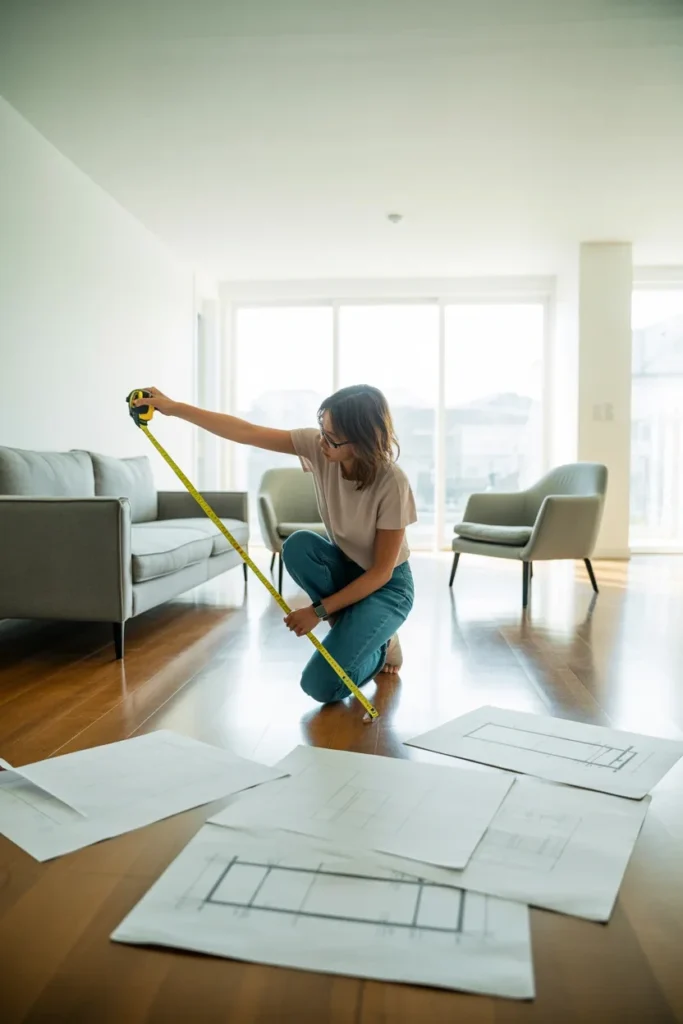
Grab a tape measure and note your room’s length, width, and wall height. Measure doors, windows, and any awkward corners too. Those details matter more than people think.
Choose a Focal Point
Every great living room needs a visual anchor. That’s the thing your eye lands on first when you walk in. Sometimes it’s a fireplace. Sometimes it’s a TV. Sometimes it’s a big window or a statement art piece.
Once you know your focal point, arrange your furniture around it. This creates flow and makes the space feel intentional. Without a focal point, the room can feel scattered.
Follow a Simple Layout Rule
When you plan furniture placement, keep these basics in mind:
- Leave enough walking space between pieces.
- Keep seating close enough for conversation.
- Avoid pushing every piece against the wall.
- Make sure side tables are within easy reach.
- Center the main seating area around the focal point.
FYI, one of the easiest ways to Decorate a Living Room well is to get the layout right before touching anything decorative. A beautiful room with a bad layout still feels wrong.
Pick a Color Palette That Sets the Mood
Color changes everything. It affects the mood, the energy, and even how large the room feels. So before you buy decor, lock in a palette you can repeat throughout the space.
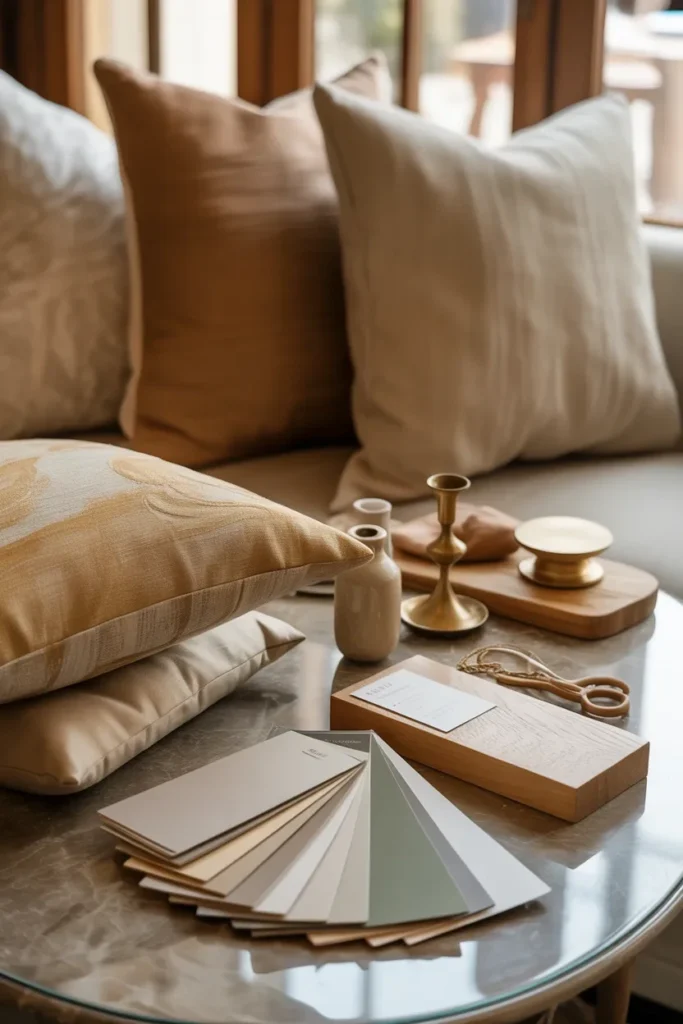
If you want a calm and airy room, lean into soft neutrals, warm whites, sage, or pale gray. If you want more drama, go for deeper shades like navy, charcoal, rust, or forest green. The key is choosing colors that work together instead of fighting for attention.
Use the 60-30-10 Rule
This is one of the easiest decorating formulas out there, and it works. It helps your room feel balanced without looking too matched.
Here’s how it breaks down:
- 60% main color: walls, large furniture, or rug
- 30% secondary color: curtains, chairs, bedding-style textiles, or accent furniture
- 10% accent color: pillows, art, vases, and small decor
This rule keeps your room cohesive while still giving you room to play. If you want to Decorate a Living Room without overthinking every little choice, this is a great framework.
Buy the Big Pieces Before the Small Ones
This is where a lot of people go off track. They buy candles, throw blankets, and cute accessories first, then realize none of it works with the sofa they still need. Start big. Then go smaller.
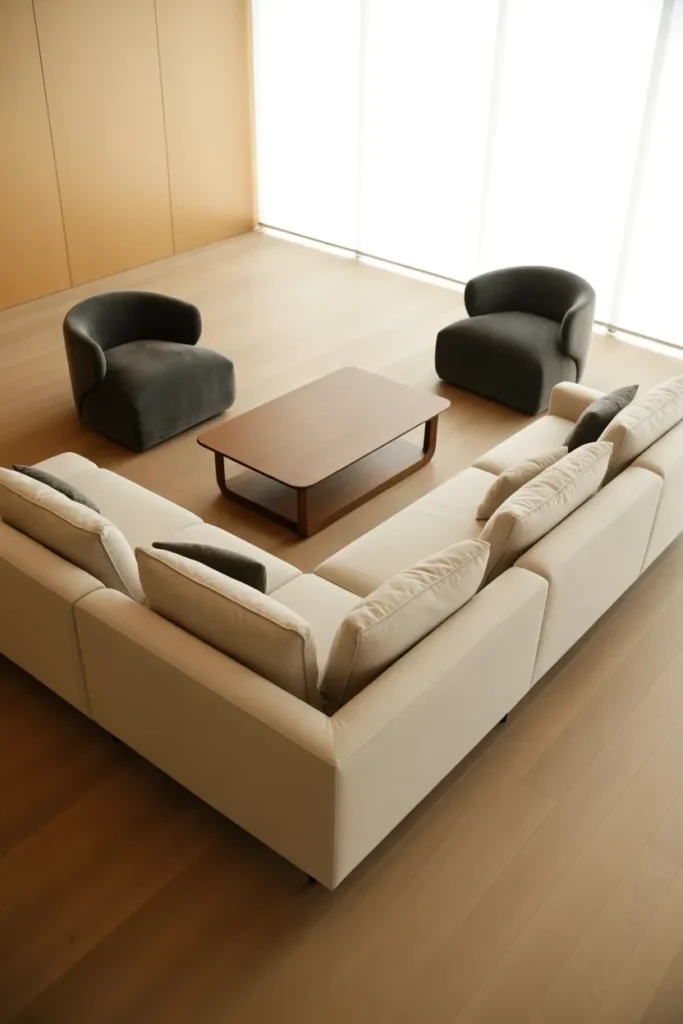
Your main furniture pieces shape the room. They take up the most space, cost the most money, and set the tone for everything else. So focus there first.
Start With the Sofa
The sofa is usually the star of the living room. It affects comfort, scale, and style all at once. Choose one that fits the room and your real life, not just your Pinterest board.
If you have kids or pets, performance fabric is a game changer. If your room is small, keep the sofa lighter in color and avoid overly bulky arms. If your room is large, a sectional can help fill the space in a cozy way.
Add Supporting Furniture
After the sofa, think about the pieces that support how you live:
- Coffee table: anchors the center of the room
- Accent chairs: add seating and shape
- Side tables: make the room practical
- Media console or storage cabinet: keeps clutter under control
- Bookshelf or console table: adds height and personality
IMO, this step makes decorating feel easier because once the major furniture is in place, the rest of the room starts speaking for itself.
Ground the Space With the Right Rug
A rug does more than add softness. It helps define the seating area, pulls colors together, and makes the room feel finished. Without one, even nice furniture can seem like it’s floating.
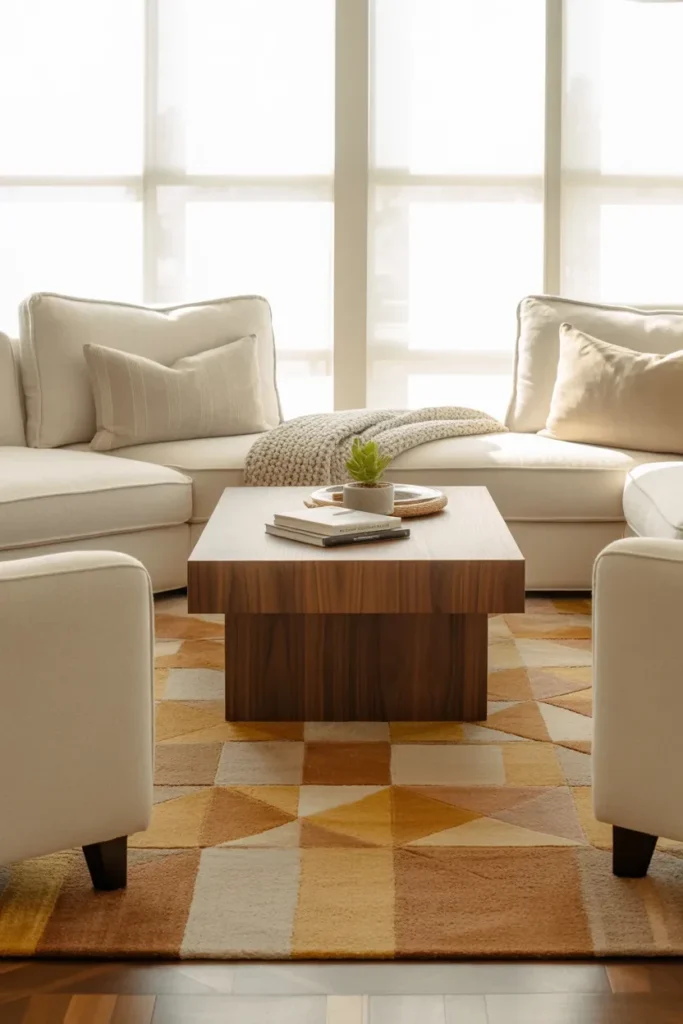
The biggest mistake? Choosing a rug that’s too small. This happens all the time, and it instantly makes the room feel disconnected.
How Big Should the Rug Be?
Use these simple guidelines:
- At least the front legs of your sofa and chairs should sit on the rug.
- In a larger room, try to fit all major furniture legs on it.
- Leave a border of visible floor around the edges of the room.
A good rug adds warmth, texture, and visual structure. If you’re trying to Decorate a Living Room that feels polished, don’t treat the rug as an afterthought.
Layer Your Lighting Like a Pro
Lighting can make a room feel flat or magical. Yes, magical. Ever notice how a room looks better at night with lamps on than it does under one harsh ceiling light? Exactly.
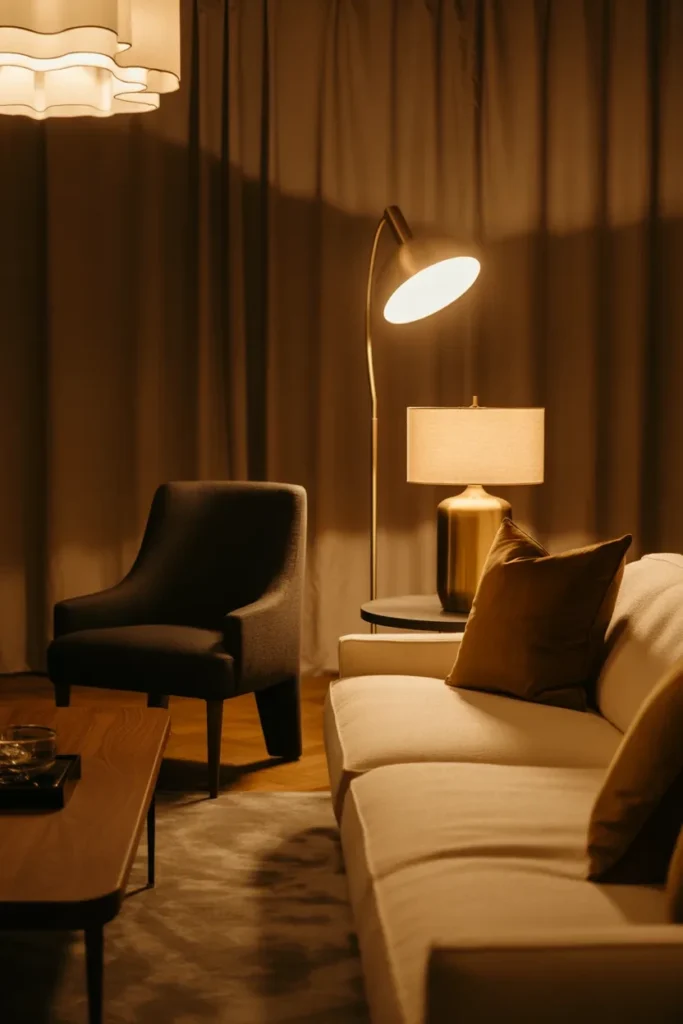
You want layers of light, not just one source from above. That mix creates depth and gives you options for different moods and activities.
Use These Three Types of Lighting
A balanced living room usually includes:
- Ambient lighting – overhead lights, ceiling fixtures, recessed lights
- Task lighting – reading lamps, floor lamps near seating
- Accent lighting – wall sconces, table lamps, candles, picture lights
Try to spread light across the room instead of bunching it in one corner. A floor lamp beside the sofa and a table lamp on the opposite side can instantly make the room feel more balanced.
And please, use warm bulbs. This one tiny change makes such a big difference 🙂
Bring in Texture for a Cozy, Lived-In Feel
Want your living room to feel warm instead of flat? Add texture. This is the secret sauce that makes even simple spaces look layered and inviting.
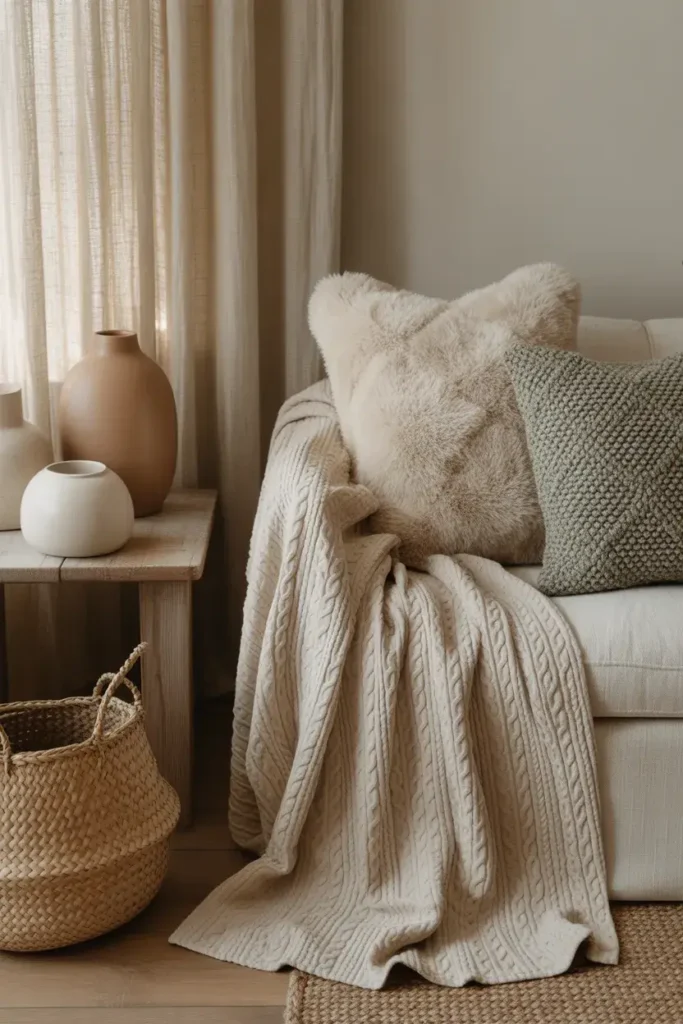
Texture keeps a neutral room from feeling boring. It also makes a colorful room feel richer and more styled. Think of it as the difference between a room that looks okay in a photo and one that feels great in real life.
Easy Ways to Add Texture
Mix materials and finishes like these:
- soft linen curtains
- chunky knit throws
- velvet or boucle pillows
- woven baskets
- wood furniture
- ceramic vases
- leather accents
- natural fiber rugs
The goal is contrast. Smooth next to rough. Soft next to structured. Light next to dark. When you Decorate a Living Room with texture in mind, the room instantly feels more complete.
Style the Walls and Surfaces With Intention
This is where your living room starts showing personality. But there’s a difference between styled and cluttered, right? You want your room to feel collected, not crowded.
Start with the biggest blank spaces first. That usually means walls, the coffee table, and the console or mantel. Treat each area like a mini composition.
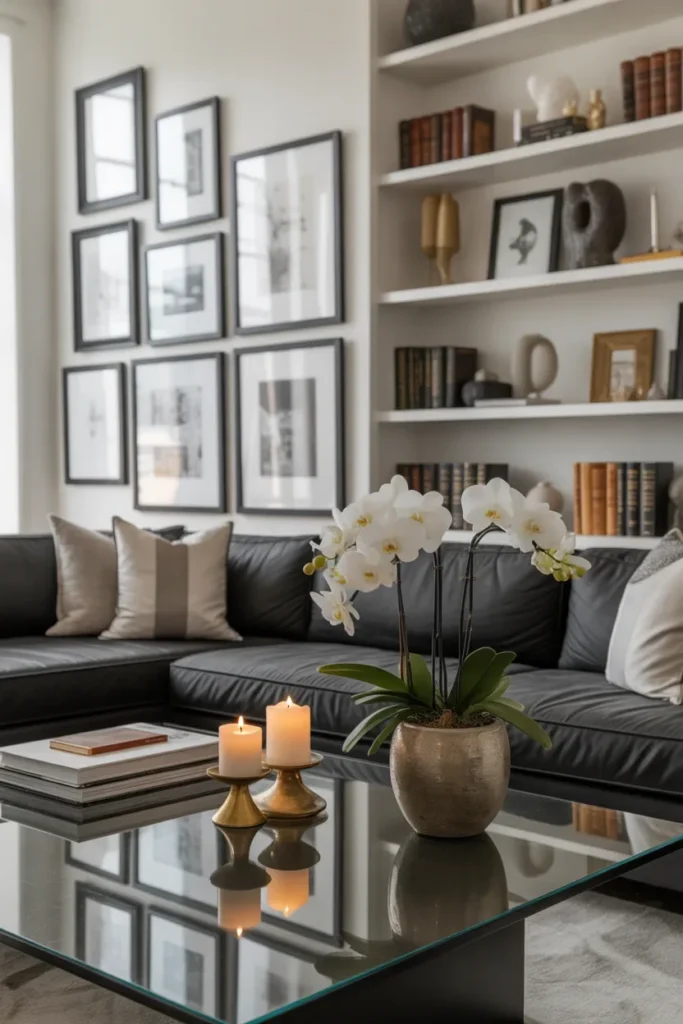
Hang Art at the Right Height
Art should usually hang at eye level. If it’s above a sofa, keep it proportional to the furniture below. A tiny frame floating over a huge sofa can feel awkward.
You can go with one large piece or create a gallery wall. Either works, as long as the scale feels right. Bigger art often looks more modern and less fussy.
Use the Rule of Three on Surfaces
When styling shelves, coffee tables, or consoles, group items in threes. That tends to look balanced and natural.
A simple combo might be:
- something tall like a vase or candleholder
- something organic like a plant or branch
- something personal like a book, framed photo, or object you love
This approach keeps surfaces interesting without turning them into storage zones for random stuff.
Add Life With Plants and Personal Touches
A living room without anything personal can feel like a furniture showroom. Nice to look at, sure, but not very warm. This is your chance to make the room feel like yours.
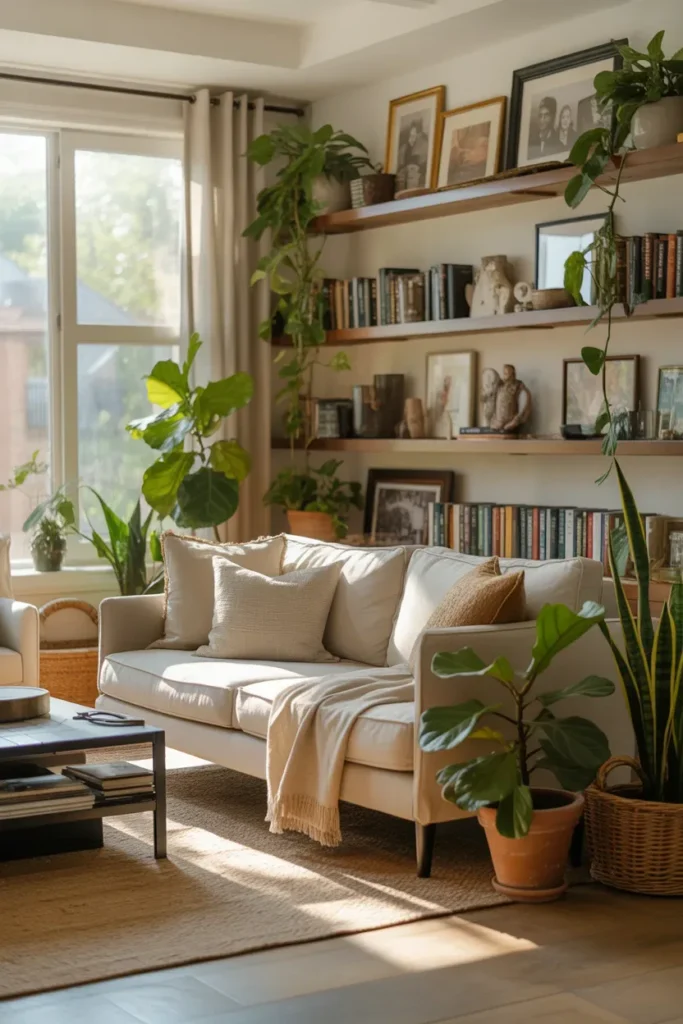
Plants are one of the easiest ways to do that. They bring movement, color, and freshness into the room. Even one leafy plant in a corner can wake up the whole space.
Then add pieces that mean something to you. Maybe it’s travel souvenirs, family photos, favorite books, or a handmade bowl you found at a local market. Those details tell your story, and that’s what makes a room memorable.
Edit the Room Before You Call It Done
Here’s the part nobody talks about enough: editing. Once everything is in place, step back and look at the room with fresh eyes. Does it feel balanced? Is there too much stuff on one side? Are the surfaces overloaded?
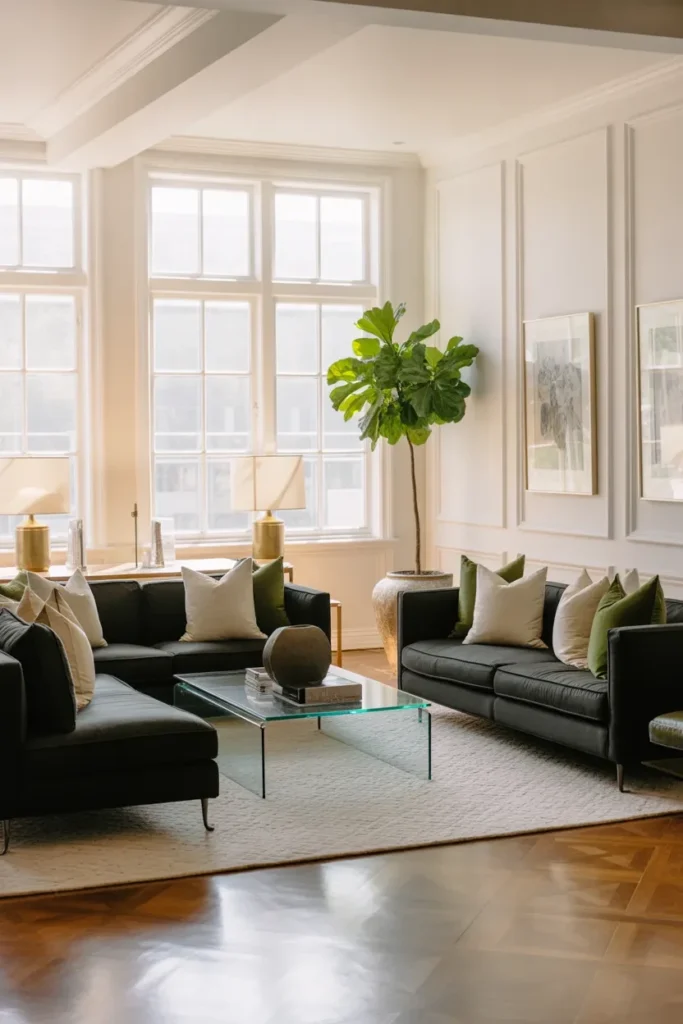
A well-decorated room usually has a little breathing space. Not every wall needs art. Not every table needs decor. Sometimes the best move is removing one thing, not adding another.
Do a Quick Final Check
Before you finish, ask yourself:
- Is the layout easy to move through?
- Do the colors feel connected?
- Is the lighting warm and layered?
- Does the room have both comfort and personality?
- Have I left enough empty space for the room to breathe?
This final pass is what turns “pretty good” into “wow, this really works.”
Conclusion
If you want to Decorate a Living Room step-by-step, the trick is keeping the process simple and intentional. Start with how you use the room, plan the layout, choose a clear color palette, and bring in the big furniture first. Then layer in rugs, lighting, texture, art, and personal details until the space feels both beautiful and lived-in.
The best living rooms aren’t perfect. They’re welcoming, functional, and full of character. So take a look around your space and ask yourself: what’s one small change you can make today? Start there, trust your eye, and have fun with it. Your dream living room is probably a lot closer than you think.
 Trends Oraa