

 By Trends Oraa
 This article was created in line with Trends Oraa’s research and content standards.
You will find fresh ideas to make a small apartment living room feel larger, brighter, and more functional without spending a lot of time or money. This article shows practical design moves—lighting, furniture, color, and decor—that help you shape a comfortable, stylish space that works for everyday life.
Following are the Living Room Designs For Apartments Ideas:
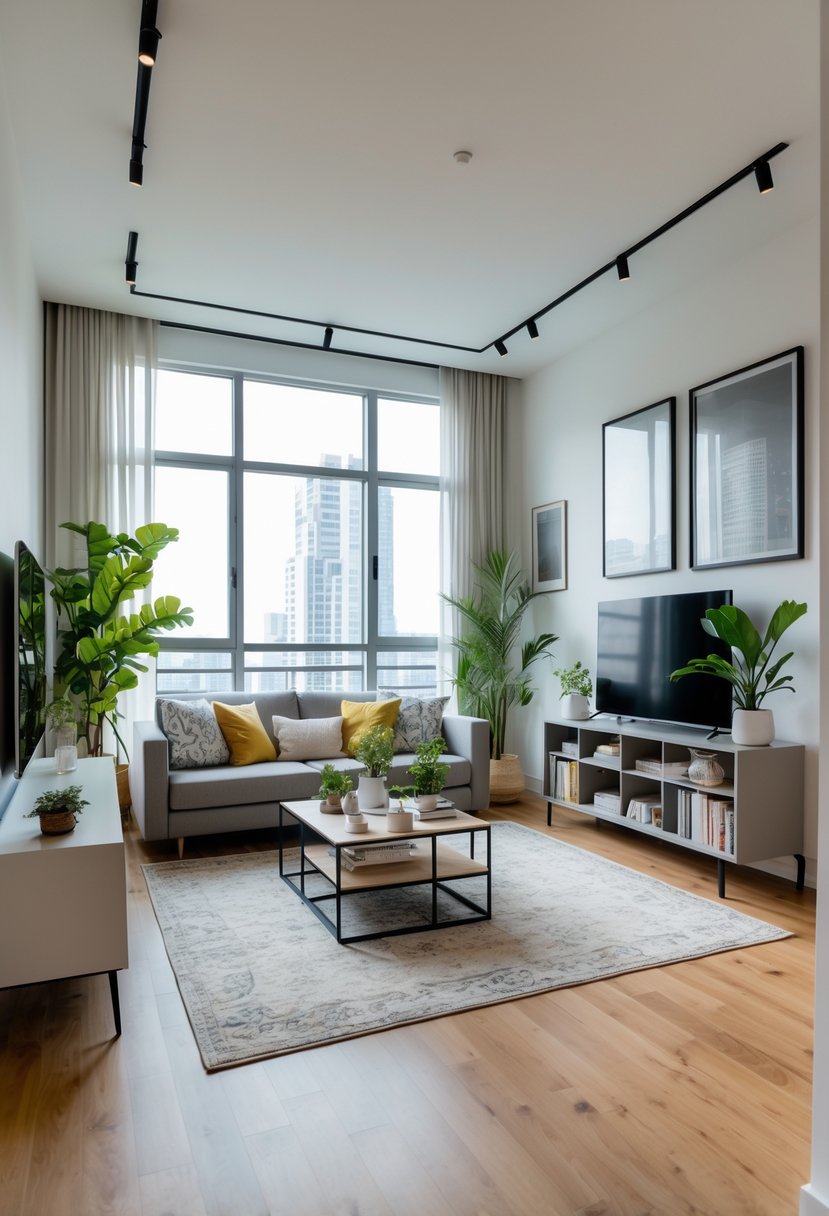
They can try simple changes like swapping heavy curtains, choosing slim furniture, or adding mirrors to open the room up. The pieces that follow focus on smart choices—storage, layout, plants, rugs, and lighting—that help a living room do more while still feeling calm and inviting.
1) Maximize natural light with sheer curtains
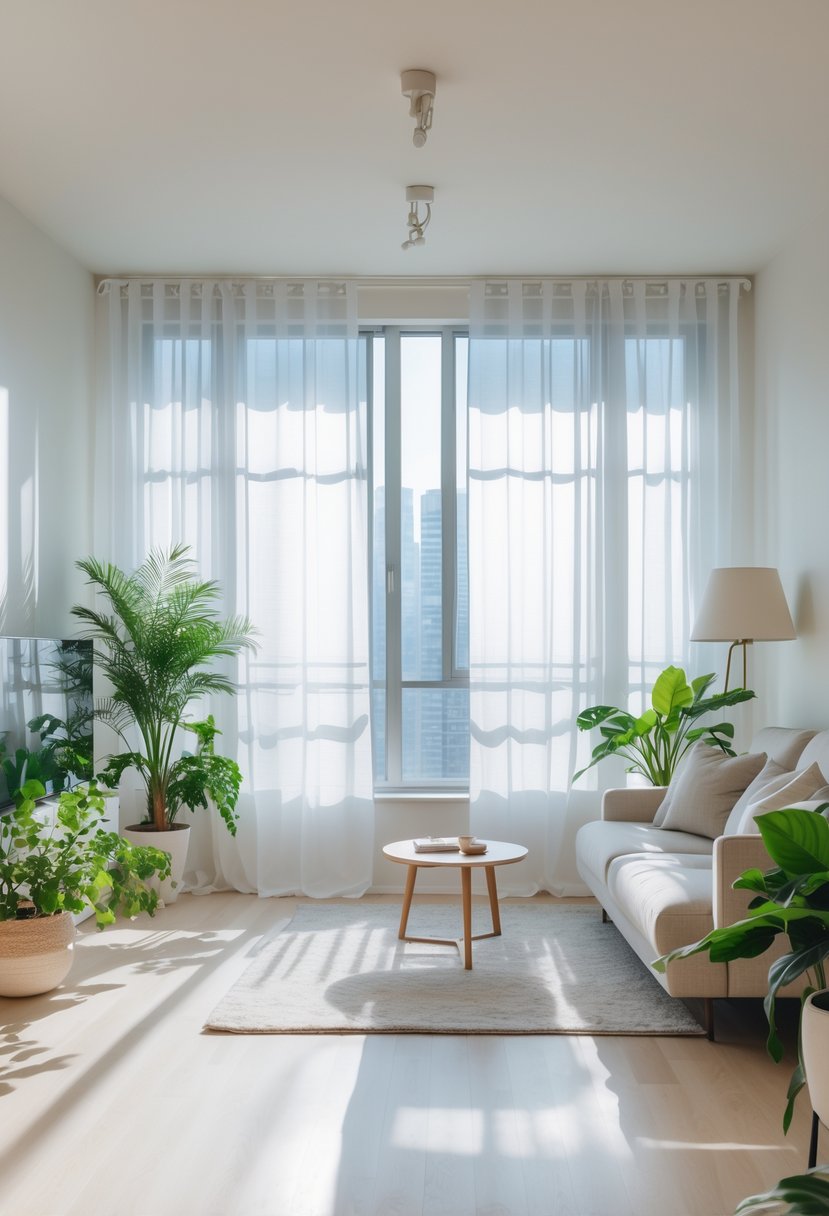
Sheer curtains let sunlight fill the room while keeping privacy. They soften harsh light and make small living rooms feel larger.
Place curtain rods close to the ceiling and extend them past the window frame. This draws the eye upward and brightens the whole space.
Choose light colors and thin fabrics. They reflect light better and work well with layered blinds or heavier drapes for night.
2) Use multifunctional furniture like storage ottomans
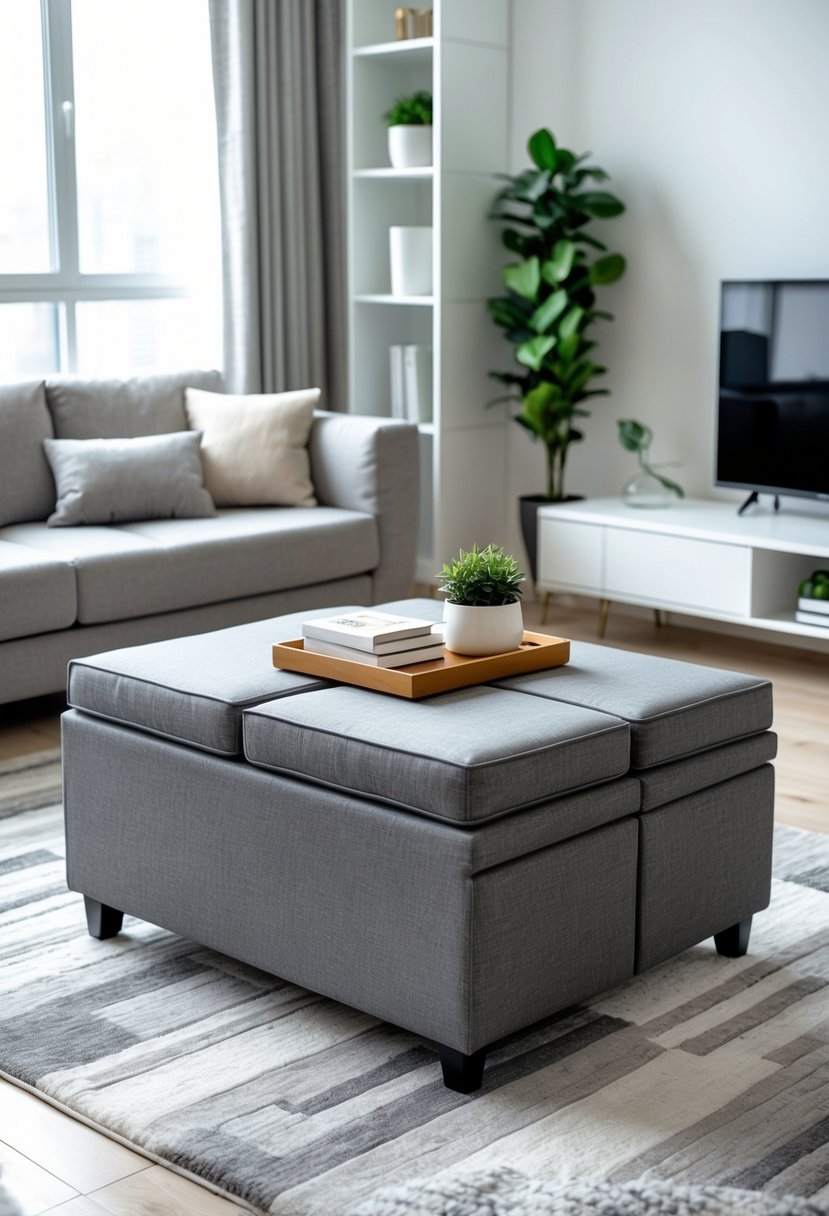
They save space and hide clutter, making small living rooms feel larger. A storage ottoman can serve as extra seating, a coffee table, or a footrest.
Choose durable materials and a lid that opens easily. Neutral colors blend with decor, while patterned pieces add personality.
Place one near the sofa for blankets and remotes. It keeps items handy without crowding the room.
3) Incorporate a statement rug to define space
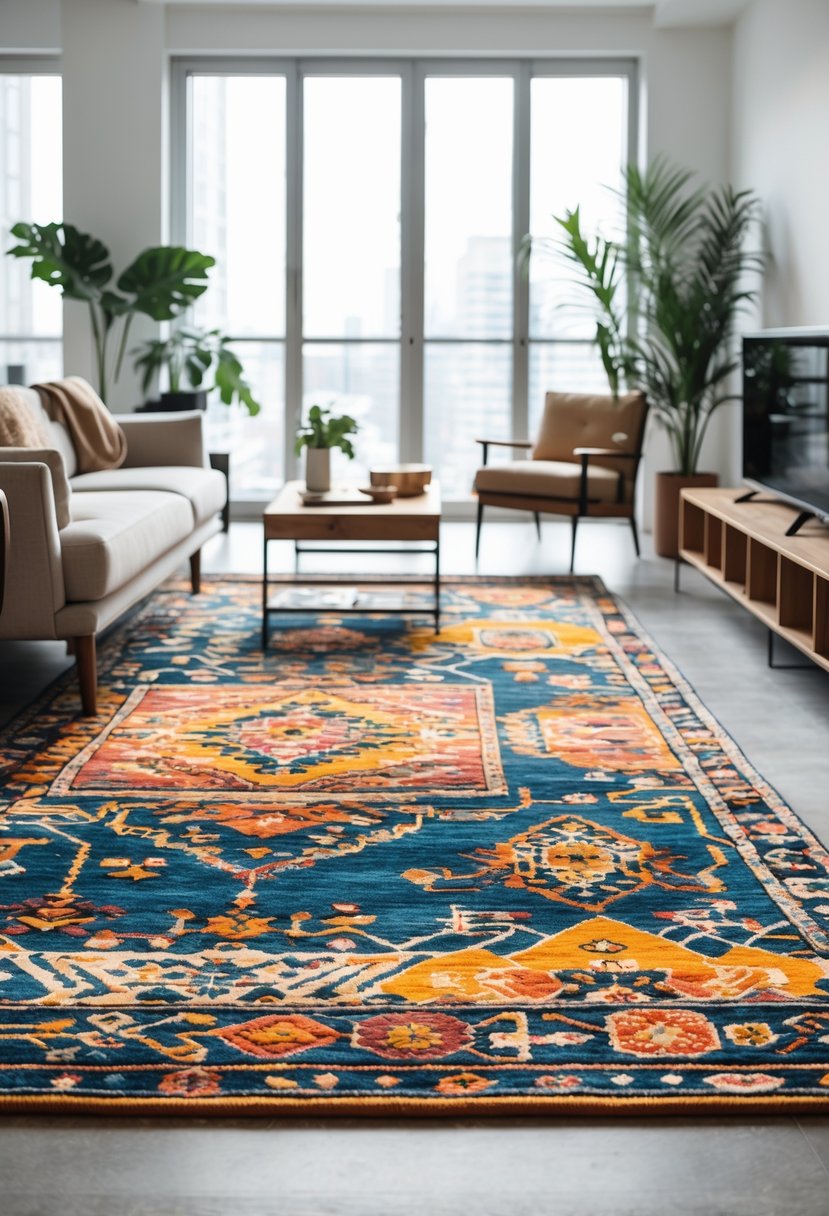
A statement rug anchors the seating area and makes the layout feel intentional. It sets a visual boundary in open-plan apartments and ties colors together.
Choose a rug that fits under front legs of sofas and chairs to unify furniture. Bold patterns or textured weaves add interest without crowding the room.
Pick durable, low-pile materials for high-traffic spaces. A rug pad prevents slipping and protects floors.
4) Opt for floating shelves to save floor area
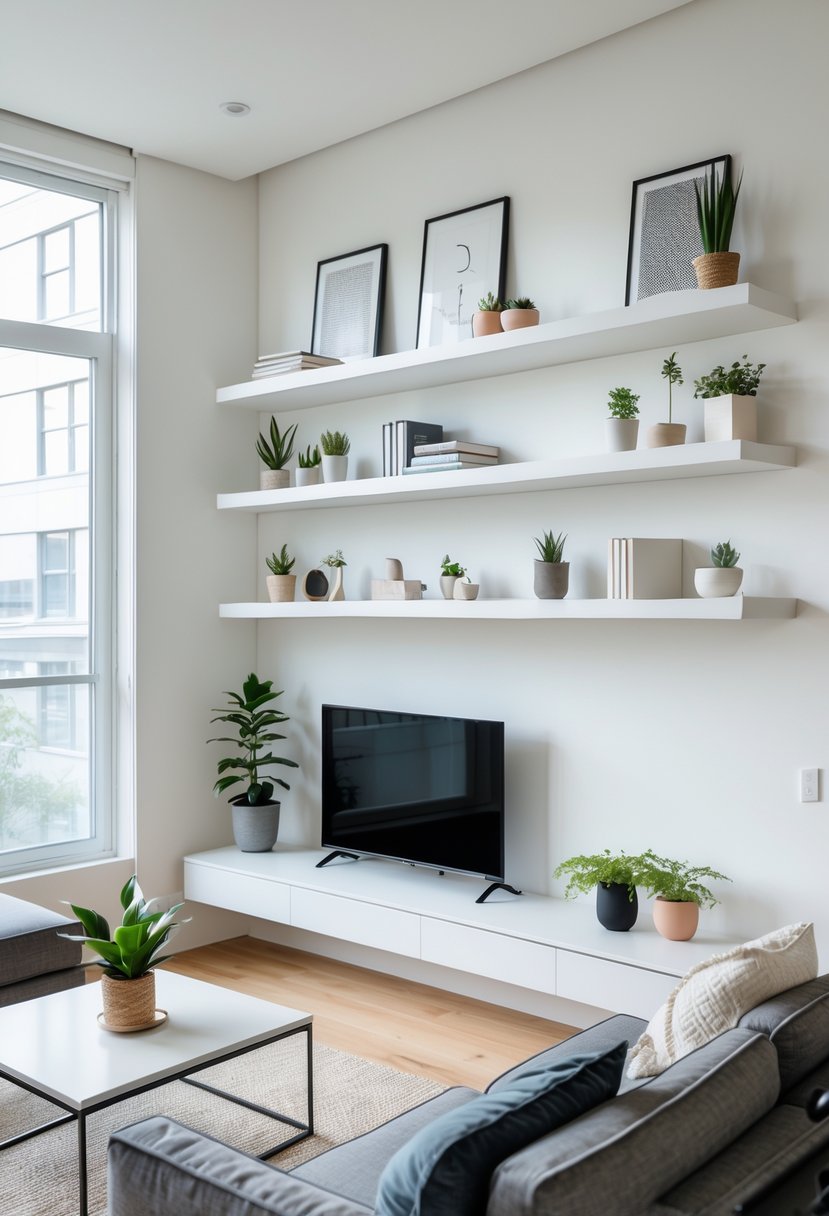
They mount on the wall, freeing up floor space for walking or small furniture. Floating shelves make the room feel less crowded and show items neatly.
They work well above a sofa or TV, placing storage where it won’t block movement. Choose slim profiles for a light look, or wider shelves to hold books and baskets.
Keep spacing even and avoid overloading shelves to stay safe and tidy. Lightweight anchors suit drywall; heavier items need studs.
5) Choose a slim-profile sofa to avoid bulkiness
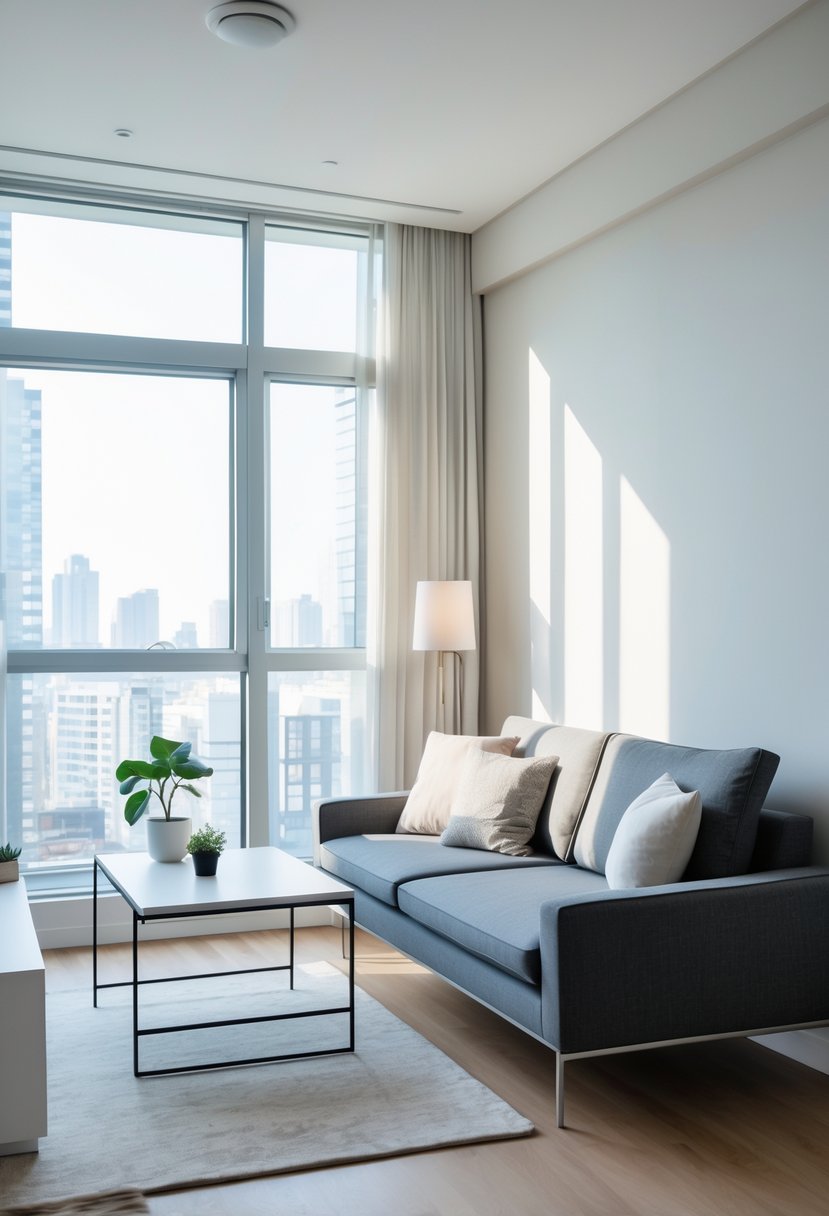
They pick a slim-profile sofa to keep sightlines open and make the room feel larger. Narrow arms, lower backs, and elevated legs reduce visual weight.
A slim sofa still offers comfort but takes up less floor space. It allows for extra pieces like a small side table or floor lamp.
Choose durable fabrics and firm cushions so the sofa stays supportive without needing extra size. Light colors help the piece blend with the room.
6) Add mirrors to visually expand the room
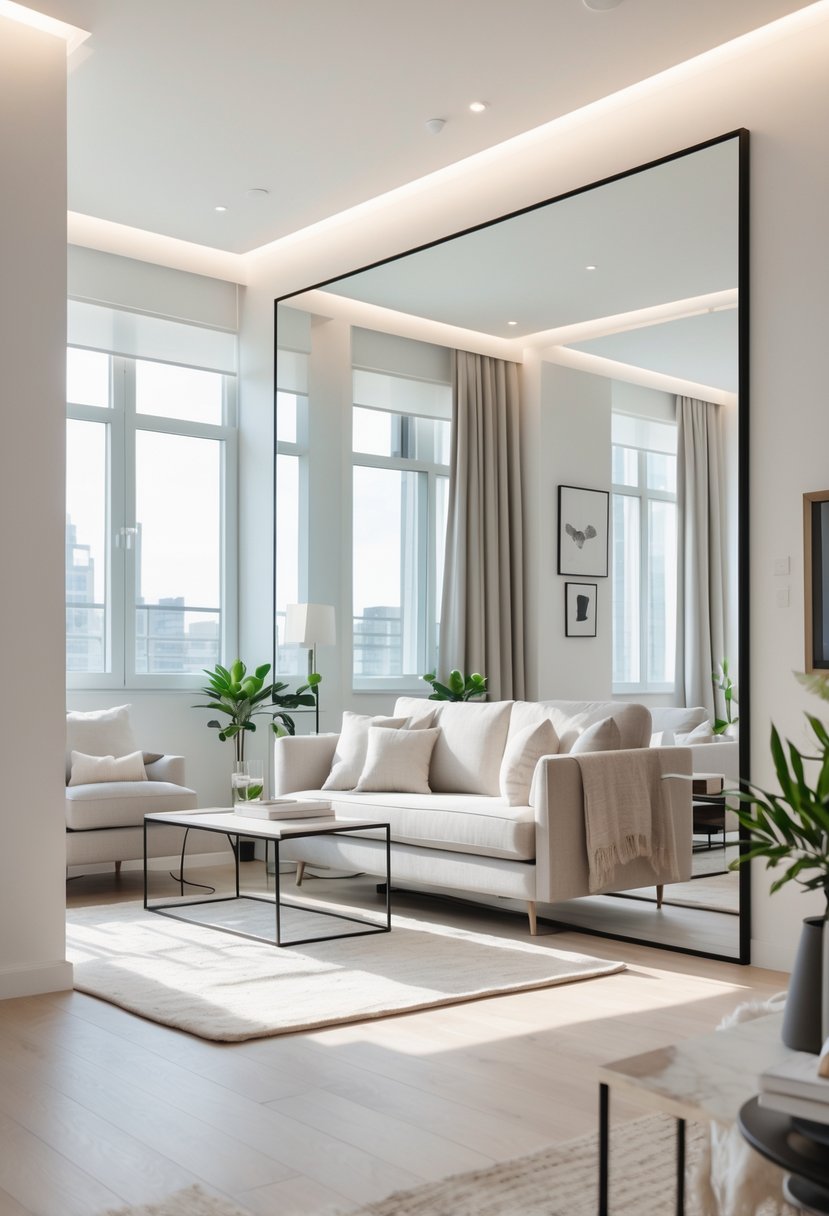
They place mirrors to reflect light and make the space feel larger. A large mirror opposite a window doubles daylight and brightens dark corners.
They choose frames that match the room’s style to keep the look cohesive. Grouped smaller mirrors create depth without overwhelming a compact wall.
They hang mirrors at eye level for the best effect. Leaning a mirror against a wall offers a relaxed, flexible option.
7) Create a gallery wall with diverse frames
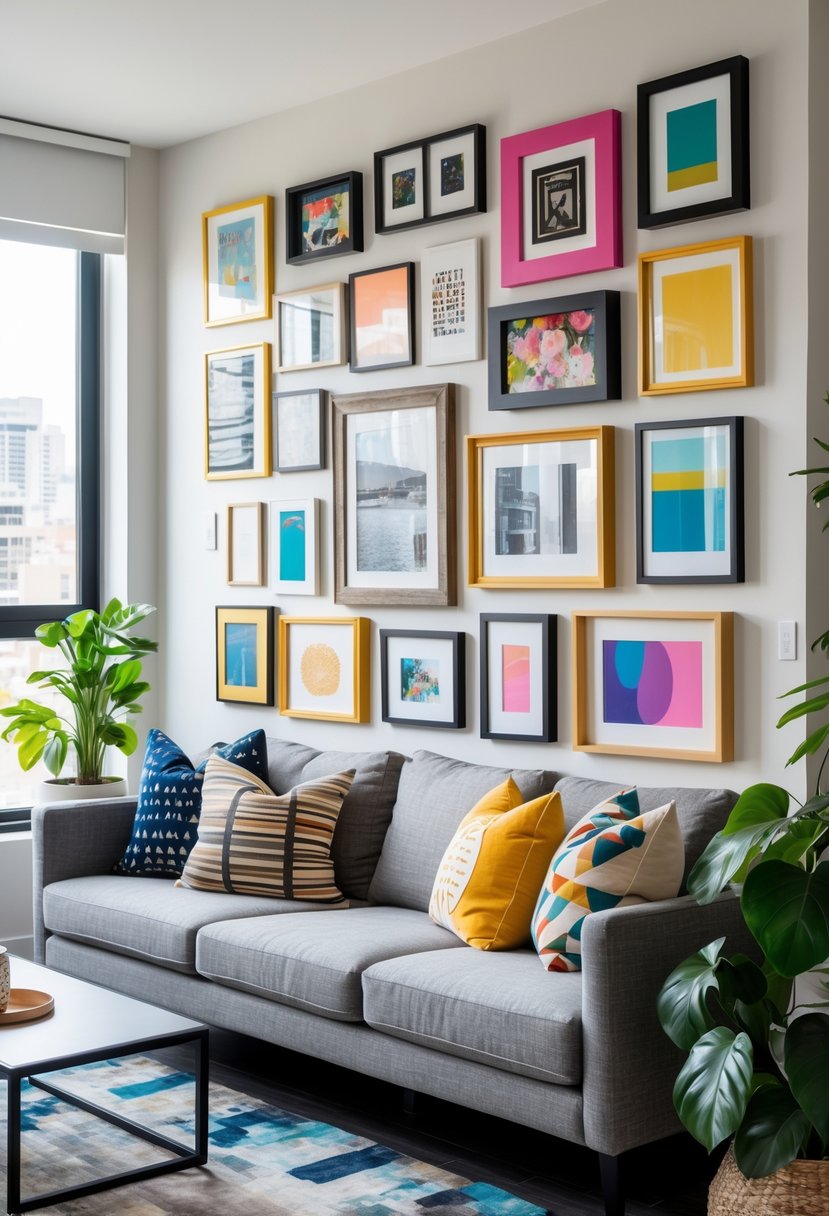
They mix frames of different sizes, colors, and materials to add interest without clutter.
Start with a few key pieces, then fill gaps with smaller prints or photos.
They keep a loose grid or a salon-style layout to fit the wall shape.
Using varied frames helps tie together furniture and textiles in a small space.
8) Use light, neutral colors to open the space
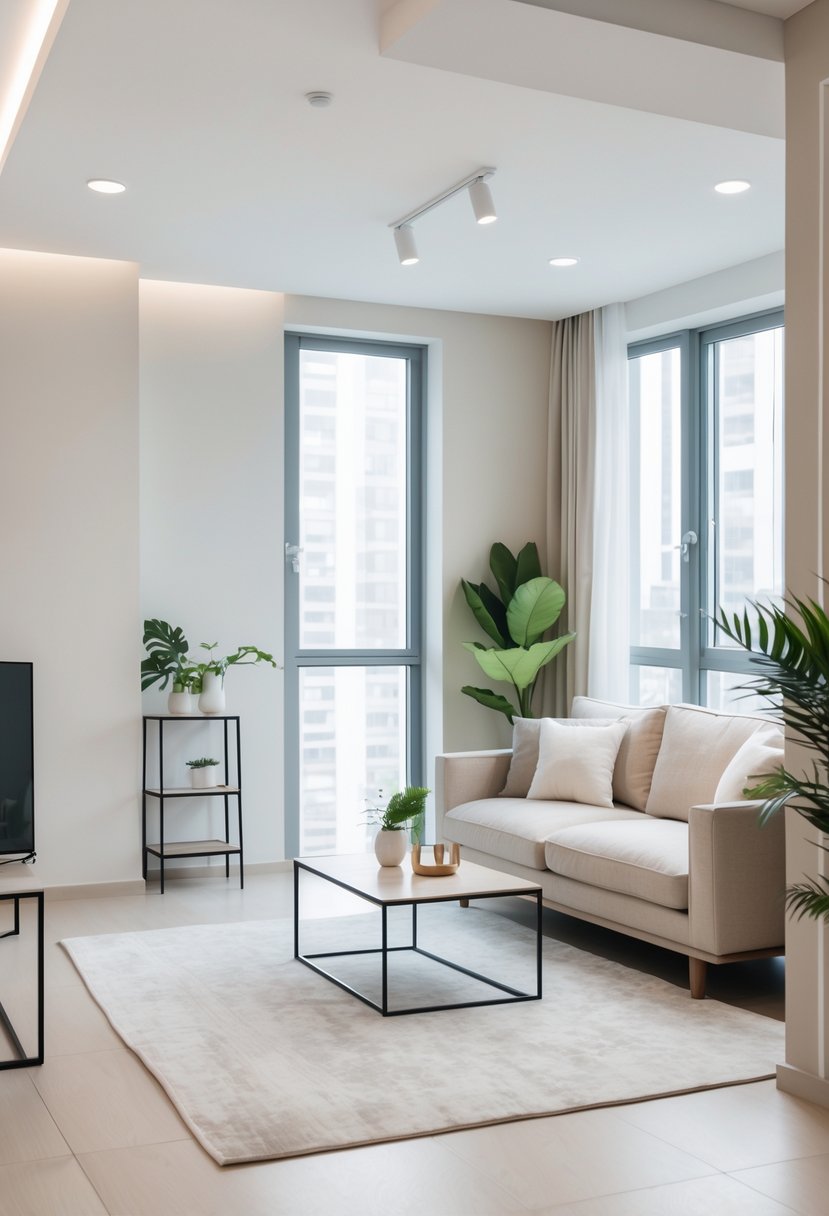
They pick light neutrals like off-white, beige, or soft gray to make the room feel larger and brighter. These colors reflect more light and reduce visual clutter.
A neutral palette gives furniture and art room to stand out without overwhelming the space. It also makes the living room easier to update with small, colorful accents.
9) Place plants strategically to add life and color
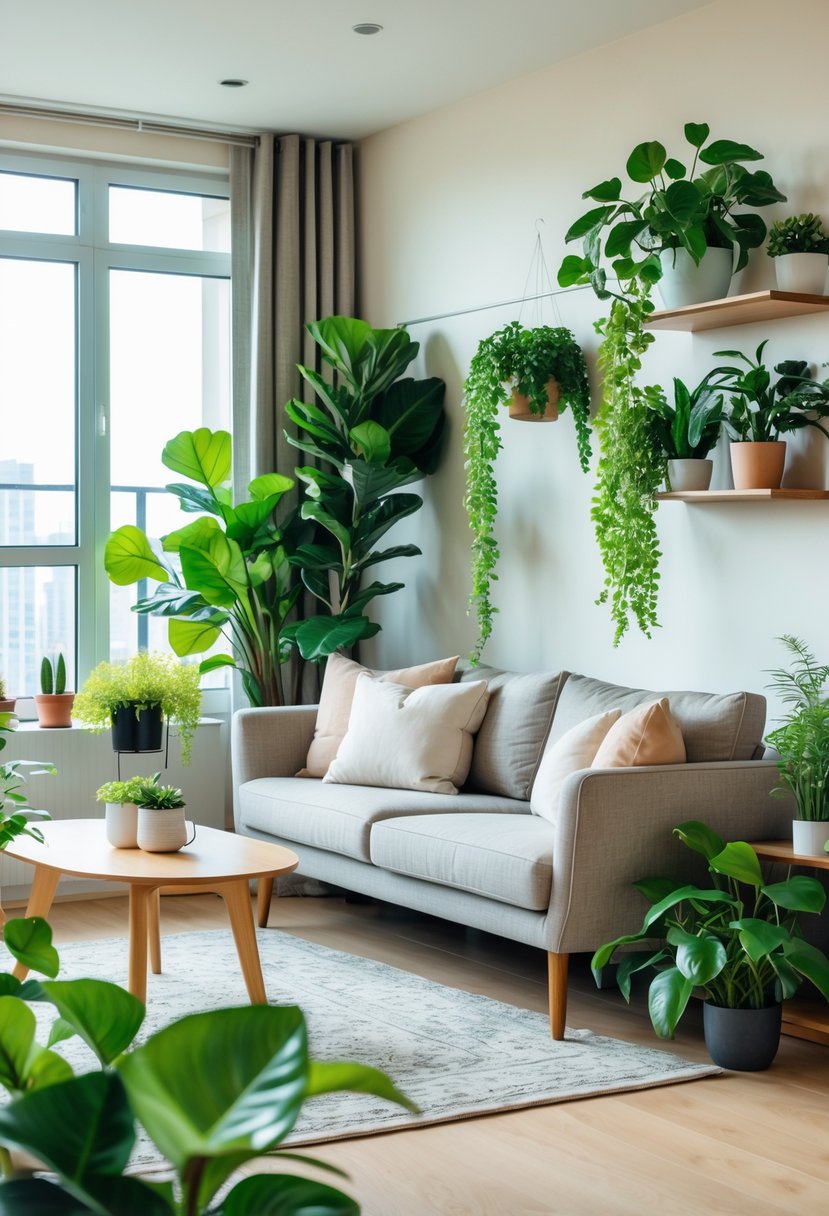
They add color, texture, and fresh air without taking much space. Position taller plants in corners to draw the eye upward and make the room feel taller.
Place small plants on shelves, side tables, or window sills to add pops of green. Group three plants of different sizes for visual interest and easier care.
Choose low-light or low-maintenance varieties if sunlight is limited. Rotate plants occasionally so they grow evenly and stay healthy.
10) Install track lighting for adjustable brightness
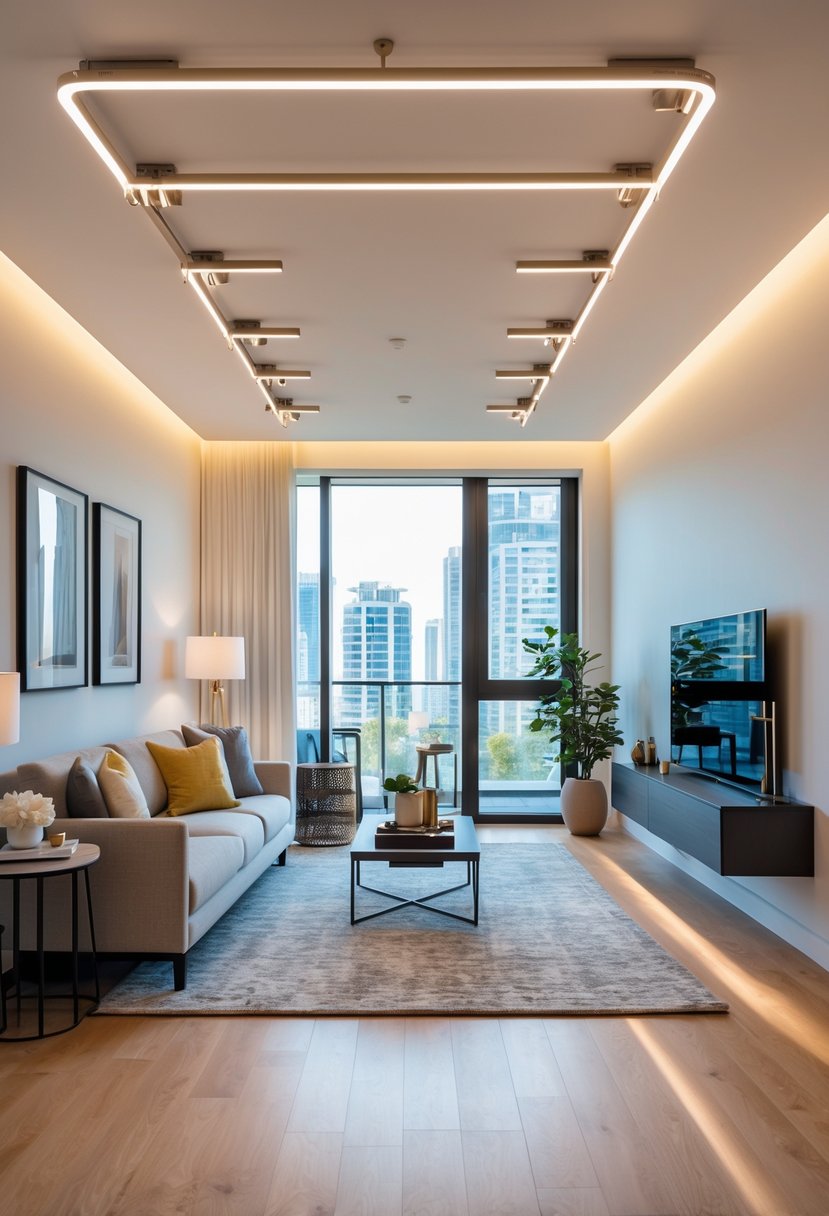
They can aim light where it’s needed most, like seating areas or art. Track lighting lets them change the mood by adding or dimming heads.
A dimmer switch gives control over brightness for different activities. It saves energy and helps create cozy or bright scenes without extra lamps.