

 By Trends Oraa
 This article was created in line with Trends Oraa’s research and content standards.
You want wall paneling ideas that match your style and budget while making rooms feel fresher and more finished. This article shows practical, stylish options—from classic wood and shiplap to modern 3D, PVC, and fabric-covered panels—so you can pick the right look and material for any space.
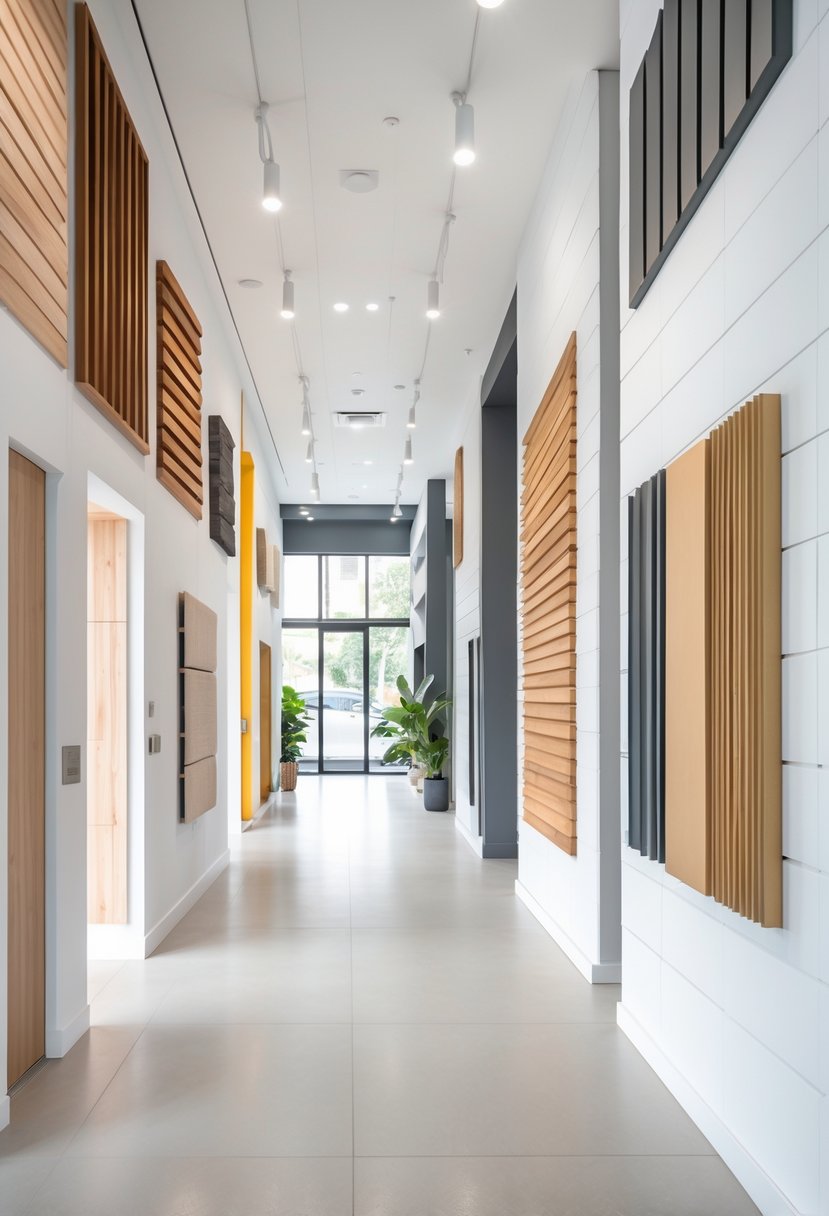
They’ll explain how different panels change a room’s mood, durability, and upkeep, and point out choices that work for walls, wainscoting, or accent features. The examples include budget-friendly and eco-friendly options to help plan a project that fits needs and taste.
1) Shiplap Wall Paneling
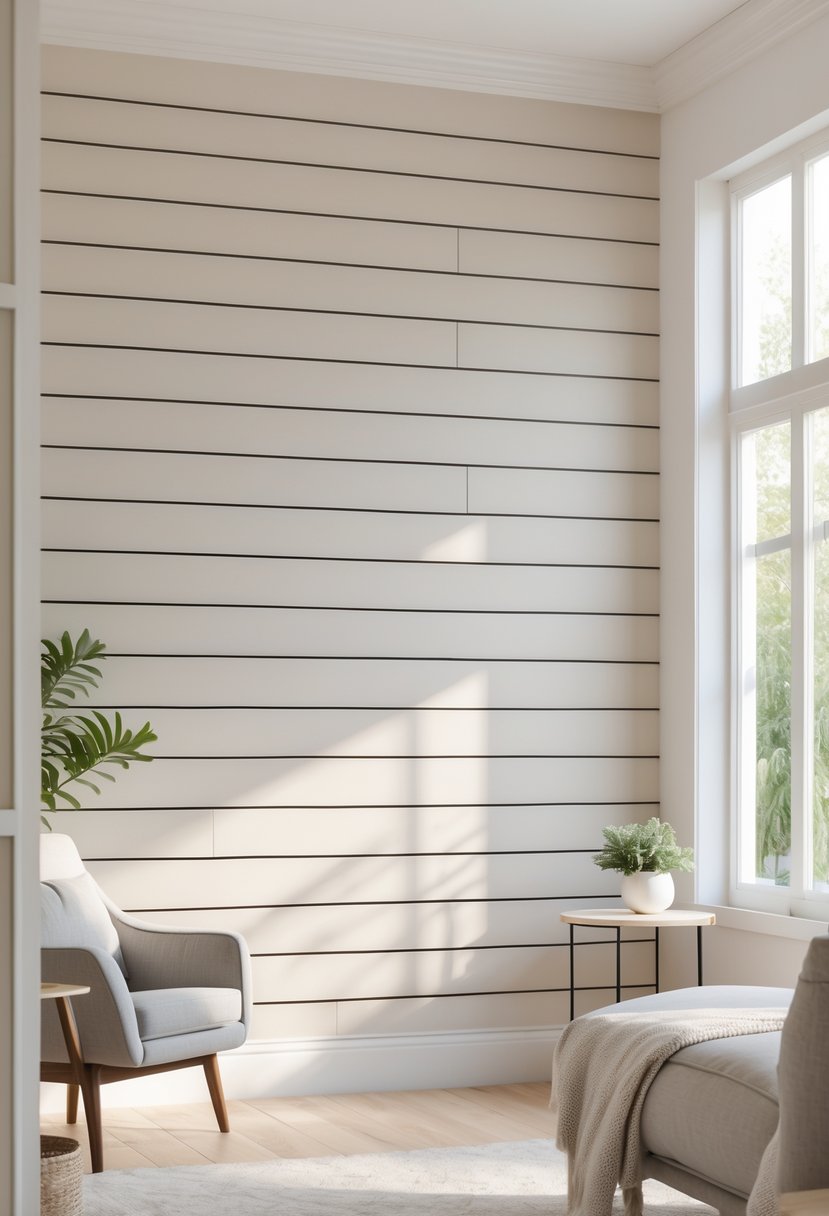
Shiplap uses long, horizontal boards with a small gap or groove between them. It creates clean lines and a simple, layered look on walls.
It fits modern, farmhouse, and coastal styles. Designers often paint shiplap white for brightness, but staining or darker paint adds warmth and depth.
Installation is straightforward for a skilled DIYer or a contractor. Boards can be real wood, MDF, or PVC, which changes cost and moisture resistance.
Shiplap works well on whole rooms or as an accent wall behind a bed or fireplace. It also hides minor wall imperfections and pairs well with trim and shelving.
2) Beadboard Paneling
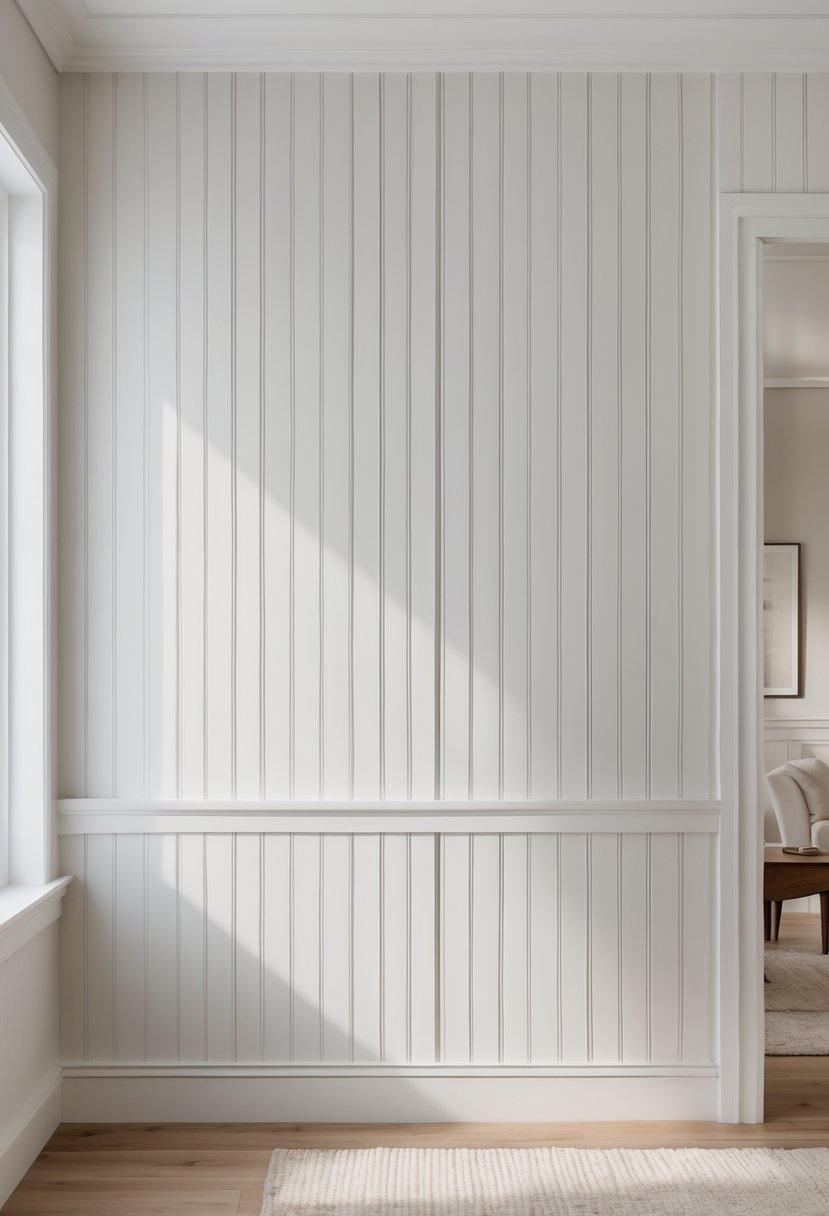
Beadboard paneling has narrow, vertical grooves that create a clean, classic look. It works well in kitchens, bathrooms, and entryways because it feels neat and timeless.
It can be painted or stained to match any decor. White or soft colors brighten small rooms, while dark stains add warmth and depth.
Installation is straightforward for a DIYer or contractor. Panels come in tongue-and-groove boards or sheets, so they fit walls, ceilings, or wainscoting easily.
Beadboard also hides minor wall imperfections without heavy prep work. It resists wear in high-traffic areas and can be sealed for added moisture protection.
3) Raised Wood Paneling
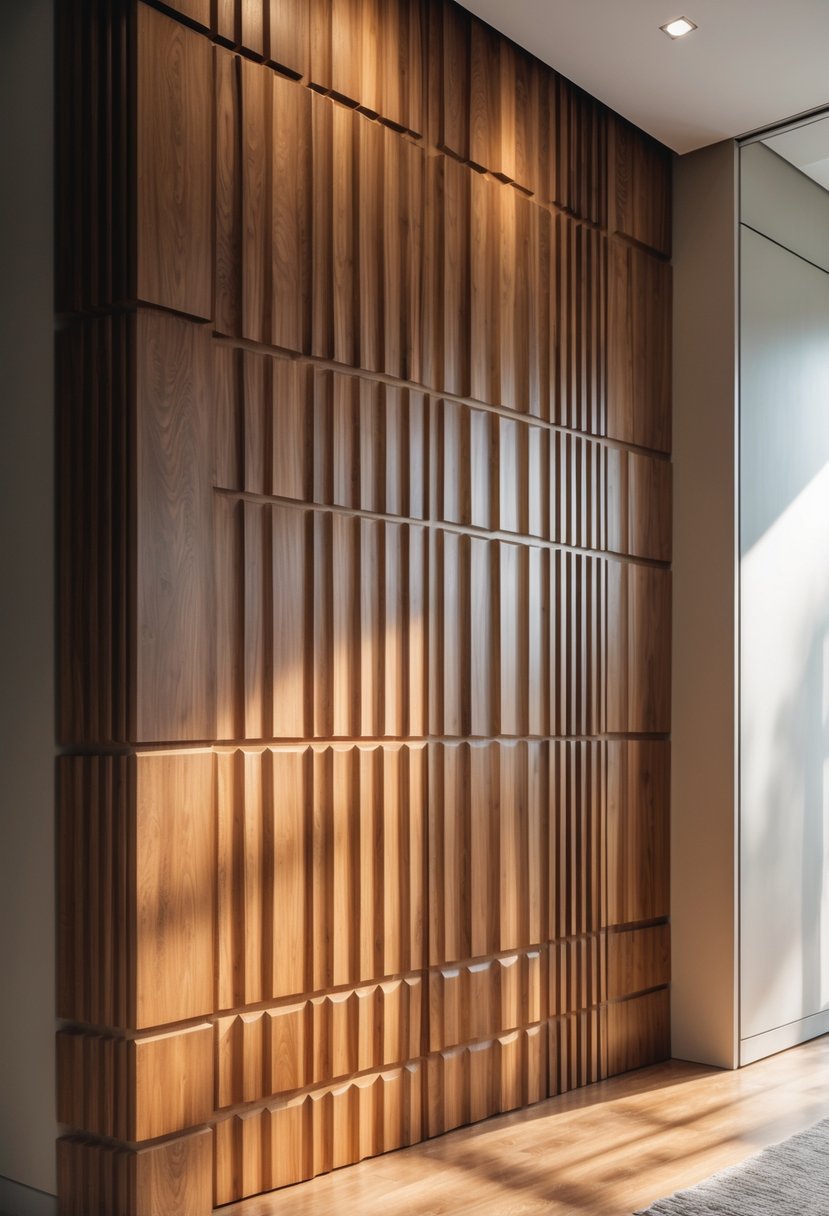
Raised wood paneling adds depth by using boards or moulding that project from the wall surface. It creates shadow lines and texture, which give a room a richer, more structured look.
They can use solid wood, MDF, or engineered boards depending on budget and durability needs. Paint or stain choices change the feel: light paint brightens, while stain highlights grain and warmth.
Installation often involves creating a framework, attaching panels, and finishing with caulk and trim for clean edges. It works well on focal walls, dining rooms, and hallways where a stronger architectural statement is desired.
Maintenance is simple: dust and occasional touch-up paint or stain keep it looking fresh. Raised paneling suits both traditional and modern interiors when proportions and finishes match the room’s scale.
4) Wainscoting Panels
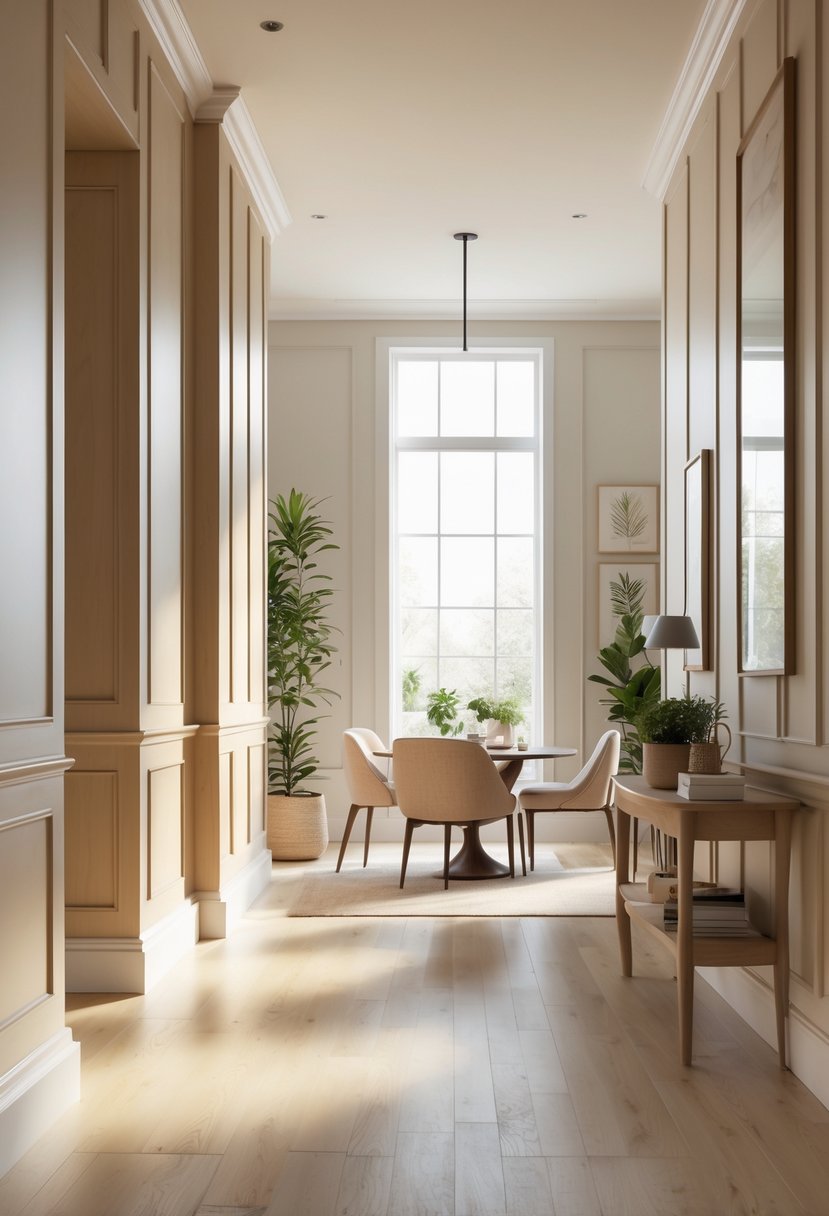
Wainscoting adds classic detail to walls by covering the lower portion with framed panels. It protects the wall from scuffs and gives rooms a tidy, finished look.
They can be simple flat boards or raised panels with molding. Painters often use white or cream for a traditional look, while darker colors make a room feel more formal.
Height varies by room and ceiling height; common options are one-third of wall height or about 36–42 inches. Installing wainscoting can be a DIY weekend project, but complex moldings may need a pro.
Materials include MDF, plywood, and solid wood, each with different costs and durability. Wainscoting works well in dining rooms, hallways, and bathrooms to add texture without overwhelming the space.
5) PVC Wall Panels
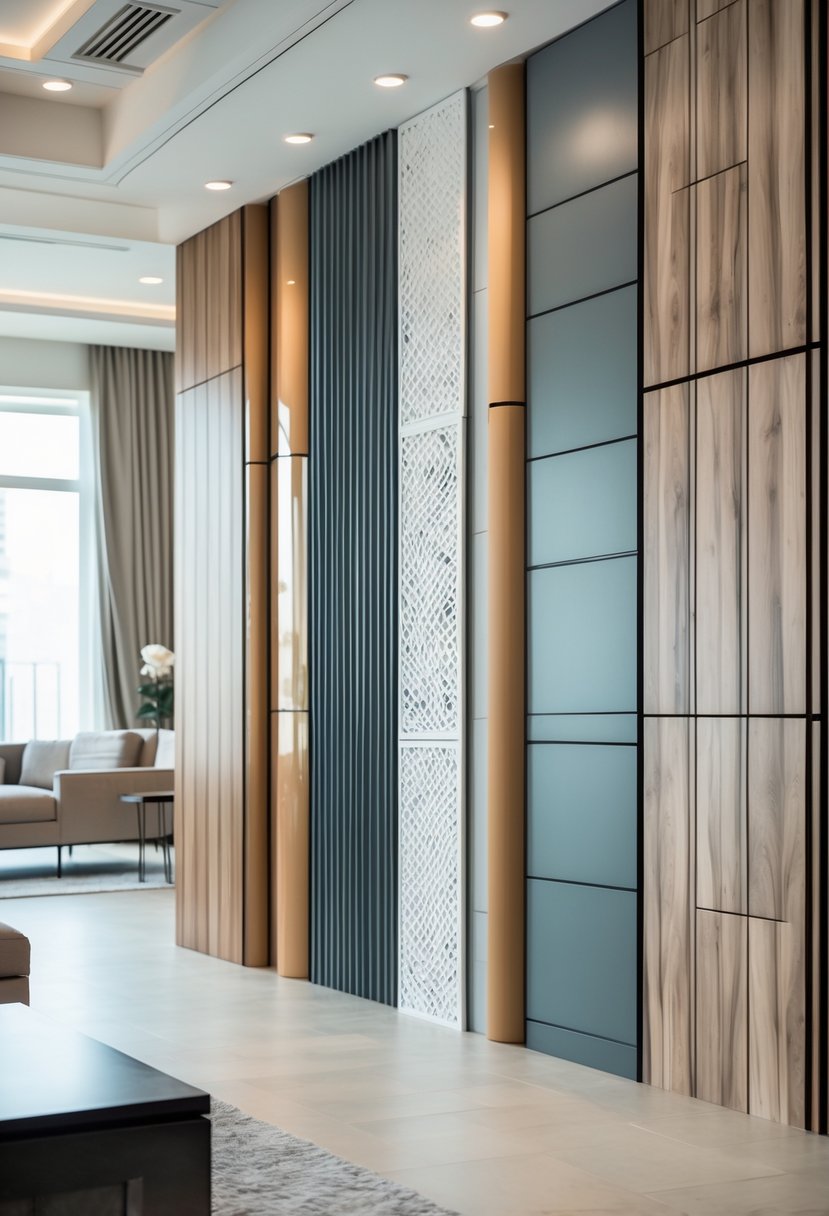
PVC wall panels are lightweight, water-resistant, and easy to install. They fit well in bathrooms, kitchens, and basements where moisture is a concern.
They come in many colors and patterns, including woodgrain and stone looks. The panels often click or glue together, so a homeowner can handle installation without heavy tools.
Maintenance is simple: wipe with a damp cloth and mild cleaner. PVC does not need staining or sealing, and it resists mold and mildew when properly installed.
They cost less than many natural materials, making them a budget-friendly option. However, PVC can look less authentic than real wood or stone and may warp in extreme heat.
6) 3D Geometric Panels
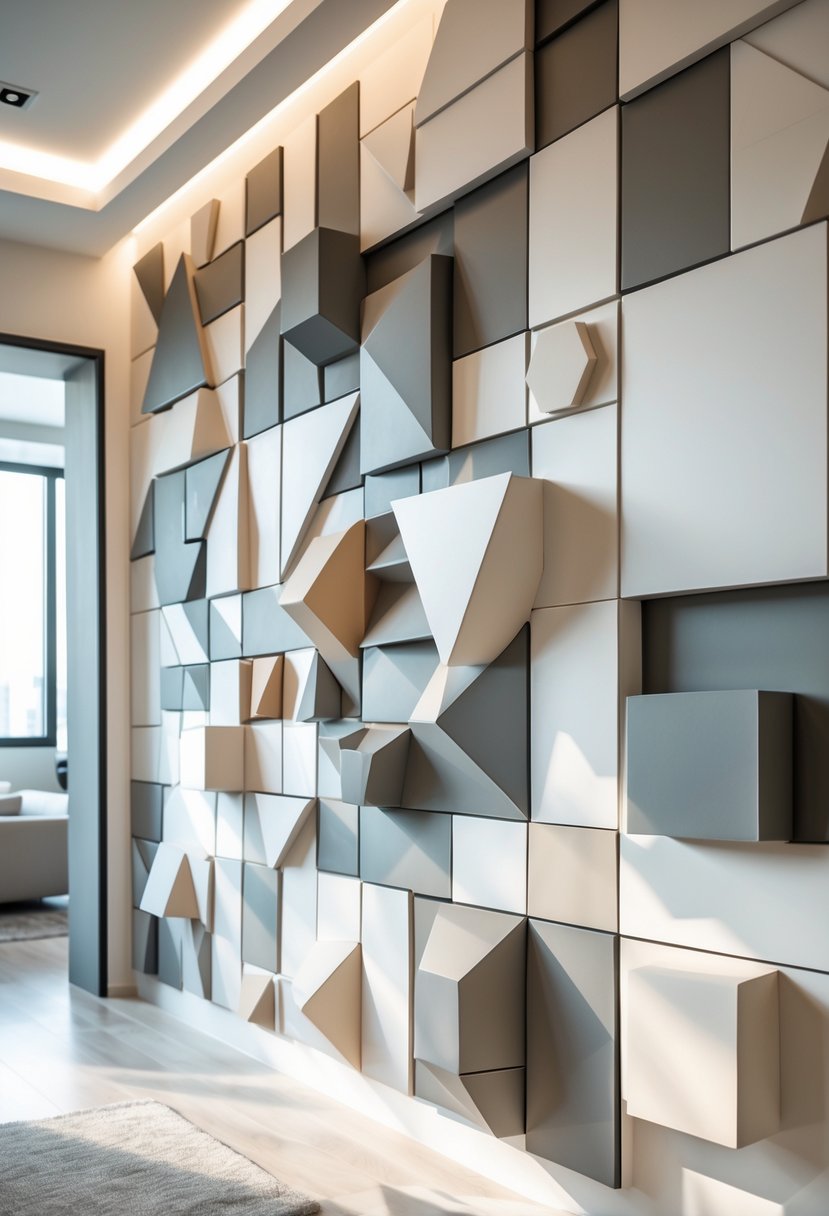
3D geometric panels add depth and texture to a room. They create visual interest without heavy color or pattern.
They come in materials like MDF, PVC, gypsum, and wood. Each material affects weight, cost, and ease of installation.
Patterns can be hexagons, cubes, pyramids, or custom tessellations. Light and shadow change the look through the day, so placement matters.
Installation can be DIY for lightweight panels or done by a pro for heavier materials. Panels can be painted, stained, or left raw depending on the desired style.
Use them as an accent wall behind a sofa, bed, or in an entryway. They work in modern, industrial, and contemporary interiors when scaled and spaced properly.
7) Reclaimed Wood Panels
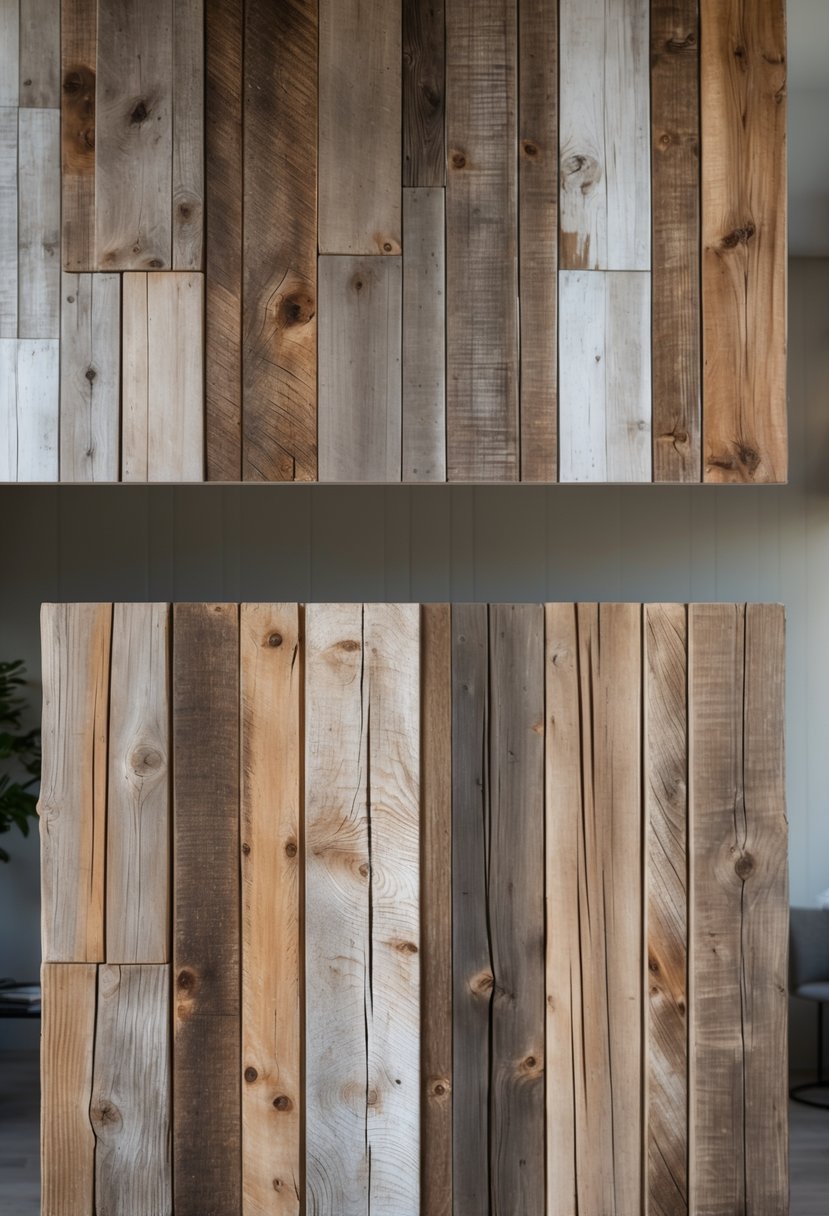
Reclaimed wood panels bring character from old barns, factories, or pallets. They show knots, nail holes, and weathered grain that add visual interest without paint.
They work well in living rooms, hallways, or as an accent wall. The aged look pairs nicely with modern furniture, creating a warm contrast.
Installation can be direct nailing or a floating system that hides fasteners. Proper cleaning and de-nailing reduce hazards and extend the panels’ life.
They are more sustainable than new lumber because they reuse existing materials. Buyers should verify that the wood is free of pests, lead paint, or rot before installing.
8) Leather Wall Panels
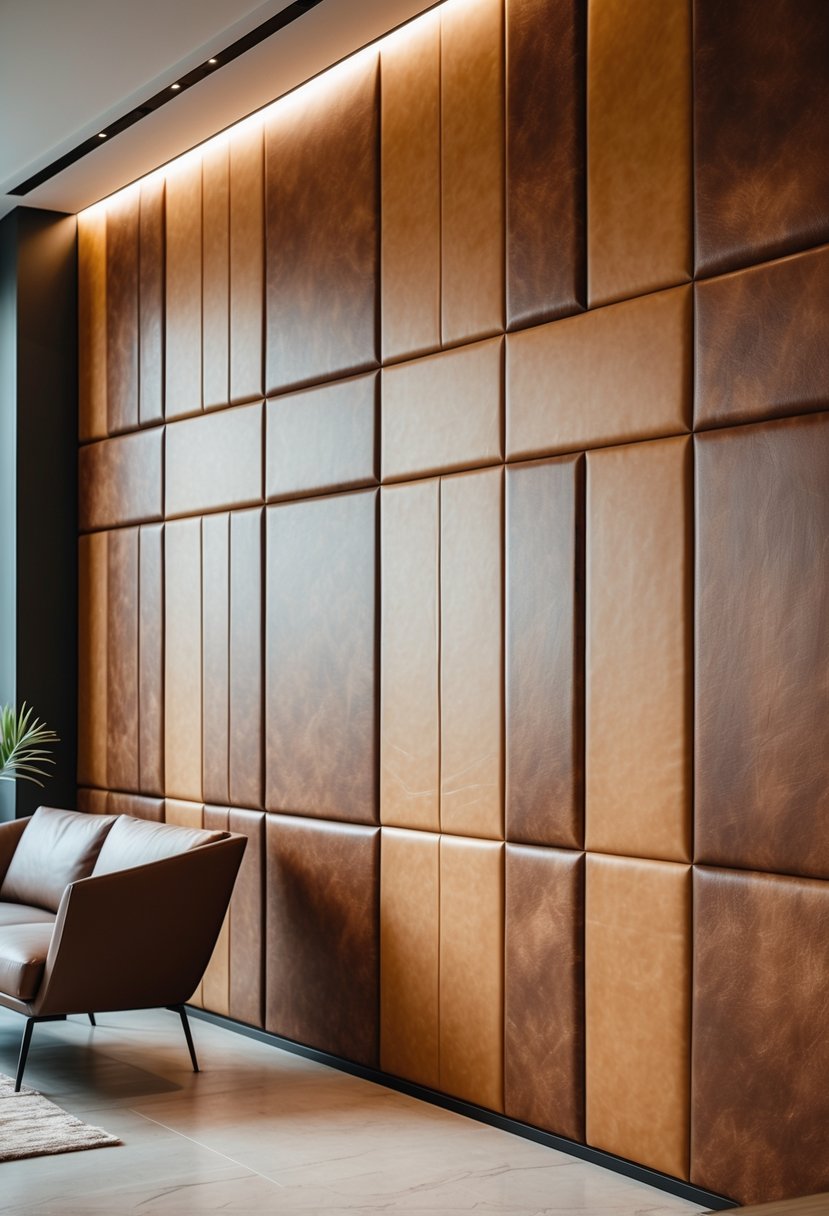
Leather wall panels add warmth and texture to a room. They come in smooth, pebbled, or quilted finishes and suit both modern and classic styles.
They improve acoustics by softening sound, which helps in home theaters and offices. Installation can be done with adhesive, velcro, or mounted frames depending on the panel backing.
Real leather feels rich but costs more and needs care to avoid stains and sunlight damage. Faux leather offers a durable, lower-cost option that is easier to clean and resists humidity better.
Colors range from deep browns and blacks to bold hues for accent walls. Pattern choices and tufting create visual interest without loud prints, making leather panels a focused design choice.
9) Fabric-Covered Panels
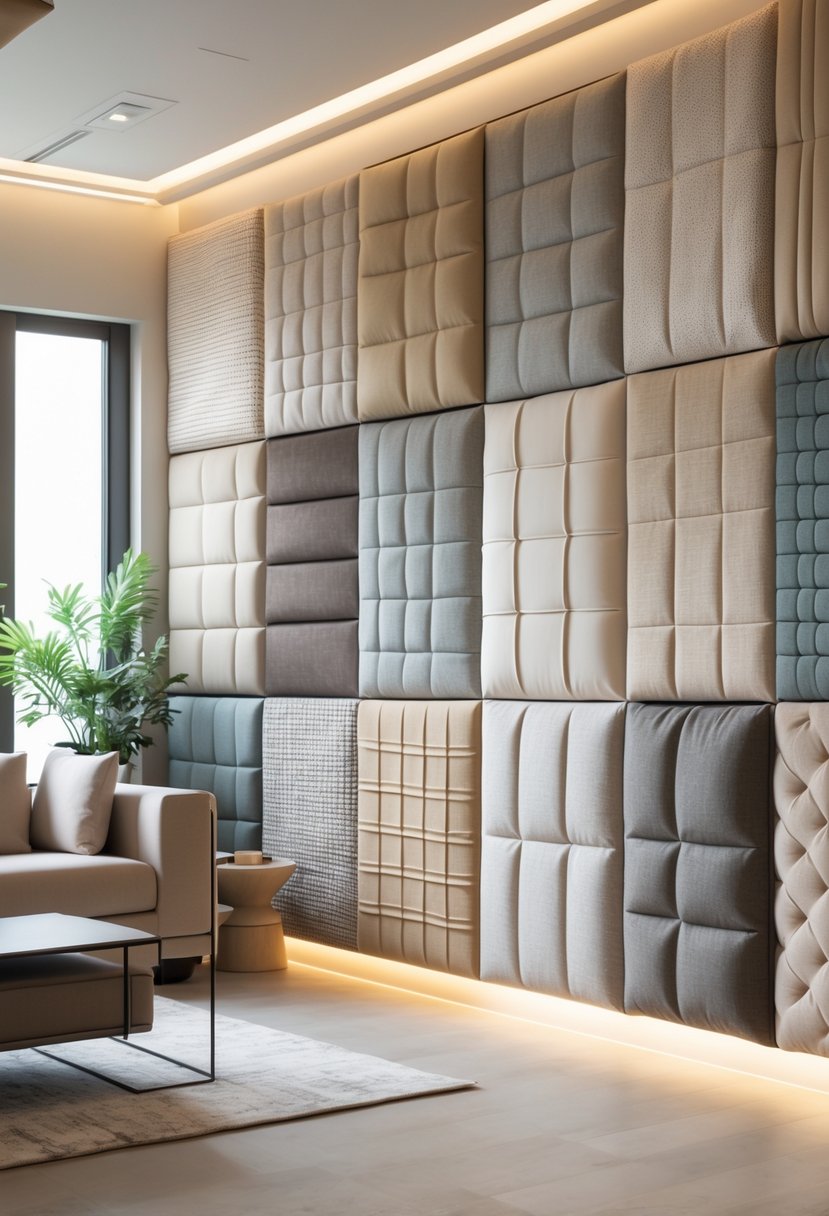
Fabric-covered panels add soft texture and sound control to a room. They work well in living rooms, bedrooms, and home offices where comfort matters.
Designers can stretch fabric over plywood or acoustic board for a smooth, tailored look. They can also wrap foam-backed panels for extra depth and improved sound absorption.
Choose durable, fade-resistant fabrics for high-traffic areas. Patterns and colors let a room feel cozy or formal without heavy construction.
Installation is usually simple: attach panels to a frame or directly to the wall with adhesive or screws. Panels can be removable for cleaning or seasonal updates.
Fabric panels can hide imperfections and create a unified look across a wall. They pair nicely with wood trim, metal accents, or framed art for a layered, finished appearance.
10) Bamboo Wall Panels
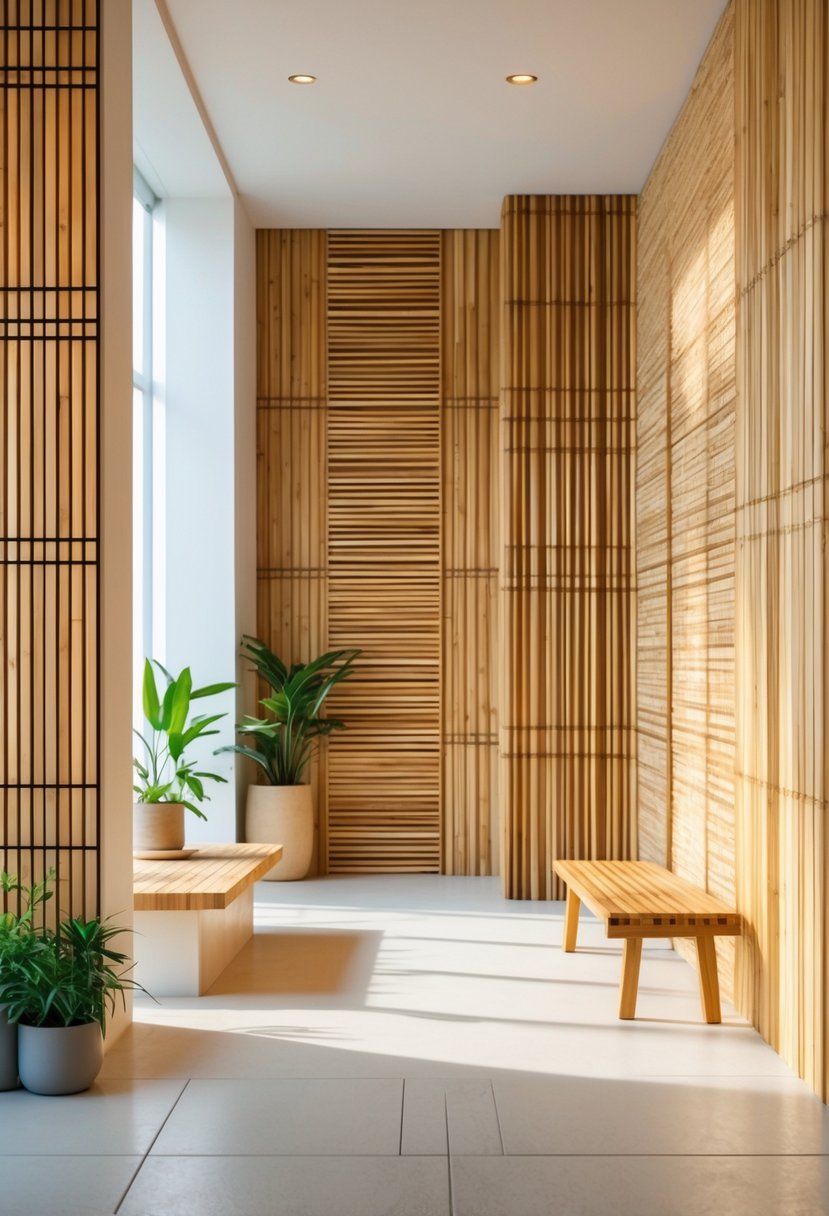
Bamboo wall panels offer a natural, warm look that fits modern and rustic spaces. They come in strips, slats, or woven sheets and add texture without heavy weight.
They are renewable and grow quickly, so they are a more sustainable option than many hardwoods. Panels resist moisture better than some woods, making them suitable for kitchens and bathrooms with proper sealing.
Installation is often simple—panels can be glued, nailed, or mounted on furring strips. They can be stained, painted, or left natural to match different decor styles.
Maintenance is low: regular dusting and occasional resealing keep panels looking good. Buyers should check for formaldehyde-free adhesives and certified sourcing to avoid low-quality products.