What Is Topsoil: Uses and Benefits for Garden
This article was created in line with Trends Oraa’s research and content standards.
Have you ever looked at a bag labeled Topsoil and thought, “Okay… but what exactly am I paying for here?” You are definitely not alone. A lot of gardeners hear the word all the time, but when it comes to actually using it in the yard, things can get weirdly confusing.
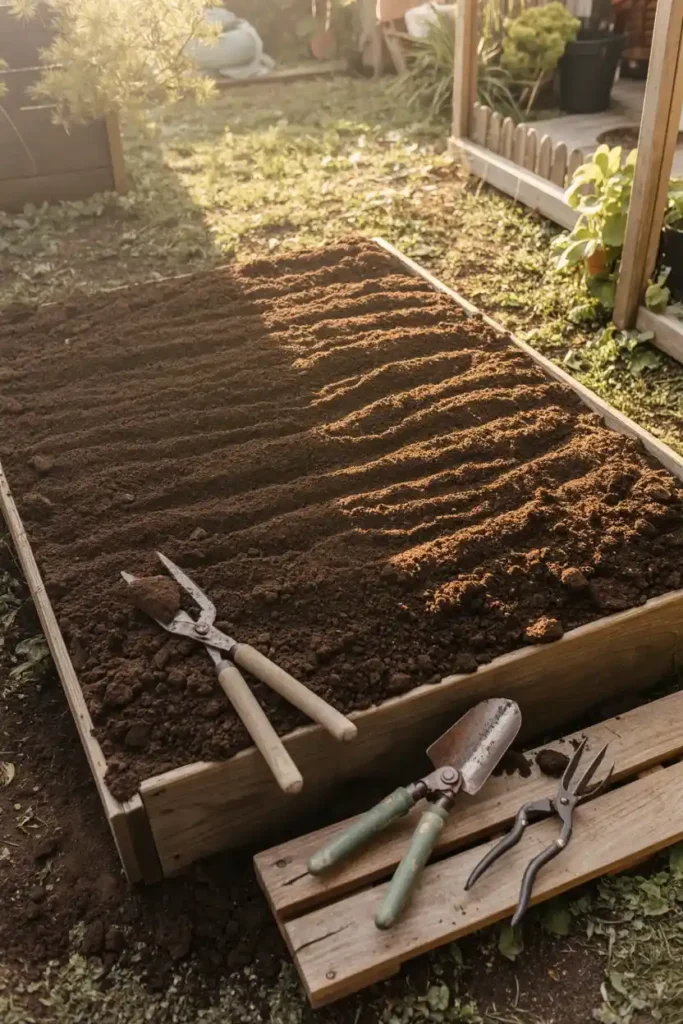
I’ve run into this myself while fixing tired garden beds and trying to revive patchy lawn areas. At first, I assumed Topsoil was just “dirt but better.” Turns out, it’s a lot more useful than that when you understand what it does and where it works best. So let’s break it down in plain English and talk about why Topsoil can be such a game-changer for your garden.
What Is Topsoil?
At its simplest, Topsoil is the uppermost layer of soil. It is the part closest to the ground’s surface, and it usually contains a mix of minerals, organic matter, air, water, and living organisms. This is the layer where most garden plants prefer to spread their roots and access nutrients.
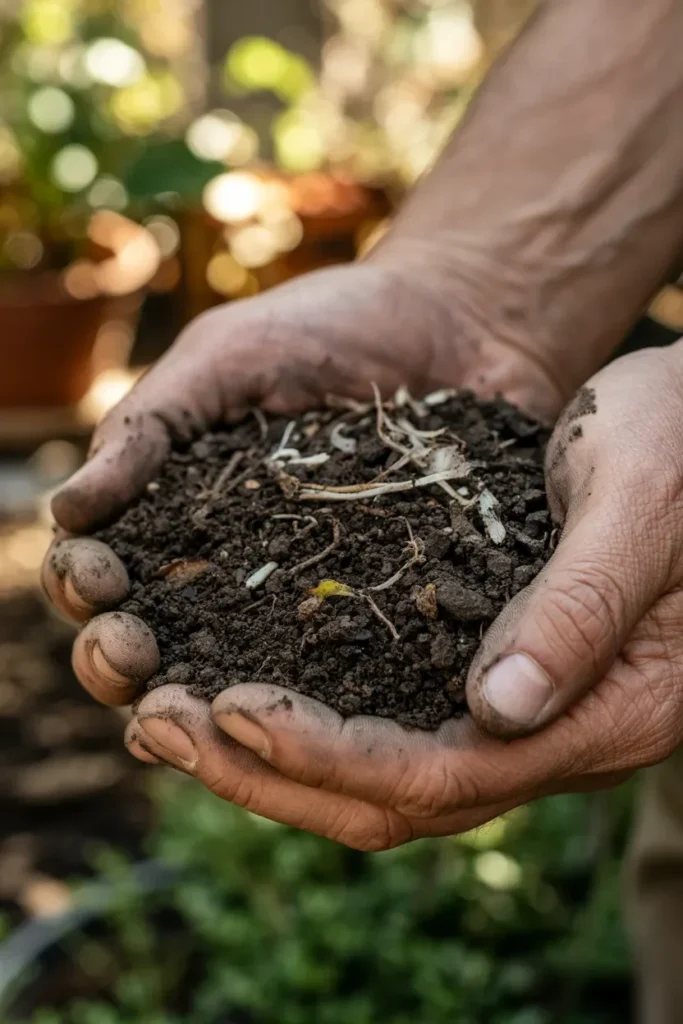
Why does that matter so much? Because plants do not just sit in soil. They depend on it for support, moisture, drainage, and food. Good Topsoil gives roots a comfortable place to grow, and that can make the difference between a thriving garden and a frustrating one.
Why the Top Layer Matters
The top layer of soil is where most of the action happens. Organic material breaks down here. Earthworms move through it. Beneficial microbes live in it. Seeds also germinate in this zone, which means your plants start life here.
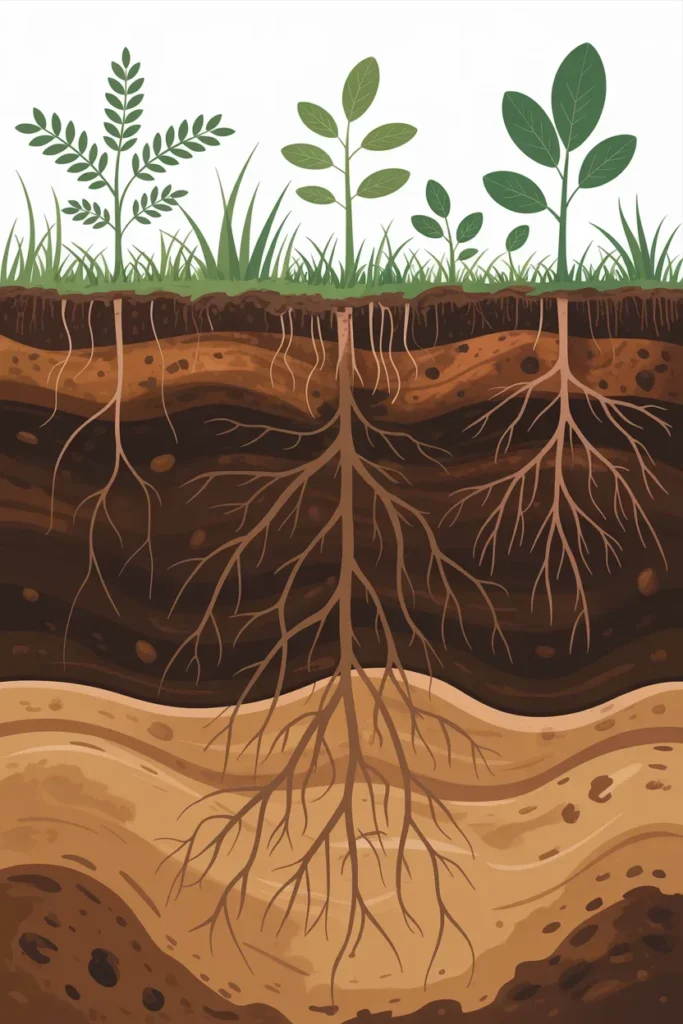
So when someone says Topsoil is the foundation of a healthy garden, they are not exaggerating. Without a healthy top layer, plants often struggle before they even get a chance to grow properly.
What Is Topsoil Made Of?
Not all Topsoil looks exactly the same, and that is important to know. In general, it contains a combination of:
- Sand
- Silt
- Clay
- Organic matter
- Microorganisms
- Nutrients
The balance of these ingredients affects how the soil feels and performs. Some Topsoil is loose and crumbly. Some is heavy and compact. Some drains fast, while some holds water longer than you’d like.
The Ideal Texture
The best garden Topsoil usually has a loamy texture. Loam is a balanced mix of sand, silt, and clay. It holds enough moisture for plant roots but still drains well.
That balance is kind of the dream, right? You do not want water racing through the soil too fast, but you also do not want roots sitting in soggy ground. Loamy Topsoil gives you a nice middle ground.
Is Topsoil the Same as Garden Soil?
Nope, and this is where many people get tripped up. Topsoil and garden soil are related, but they are not the same thing.
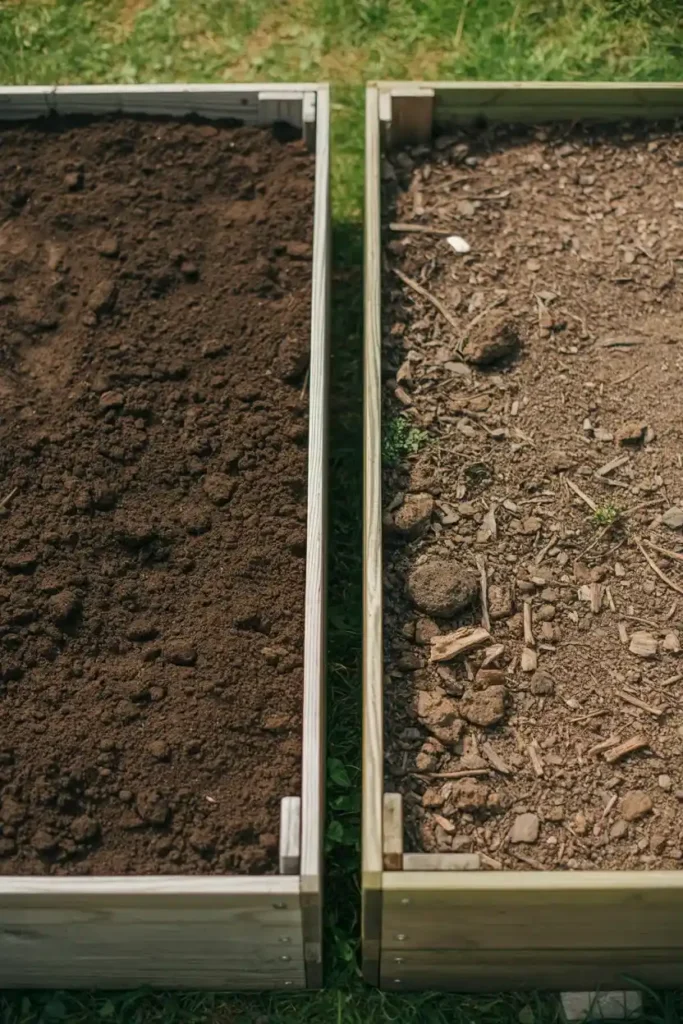
Topsoil is usually more basic and is often used to build up or improve the ground. Garden soil is typically a blended product that may include compost, fertilizers, and other amendments designed specifically for planting.
Quick Comparison: Topsoil vs Garden Soil
- Topsoil
- Best for filling, leveling, or improving existing soil
- May or may not be nutrient-rich
- Often used as a base layer
- Garden Soil
- Best for planting beds and growing areas
- Usually enriched with organic matter
- Designed to support plant growth more directly
So which one should you choose? Honestly, it depends on the job. If you are reshaping a yard or refreshing a bed, Topsoil is incredibly useful. If you are planting right away, a richer mix may be the better option.
Common Uses of Topsoil in the Garden
This is where Topsoil really shines. It is one of those materials that works in several ways, which makes it worth having around if you garden often.
Filling Low Spots
Got annoying dips in your lawn or uneven patches in the yard? Topsoil is great for filling them in. It helps create a smoother surface and can improve both appearance and drainage.
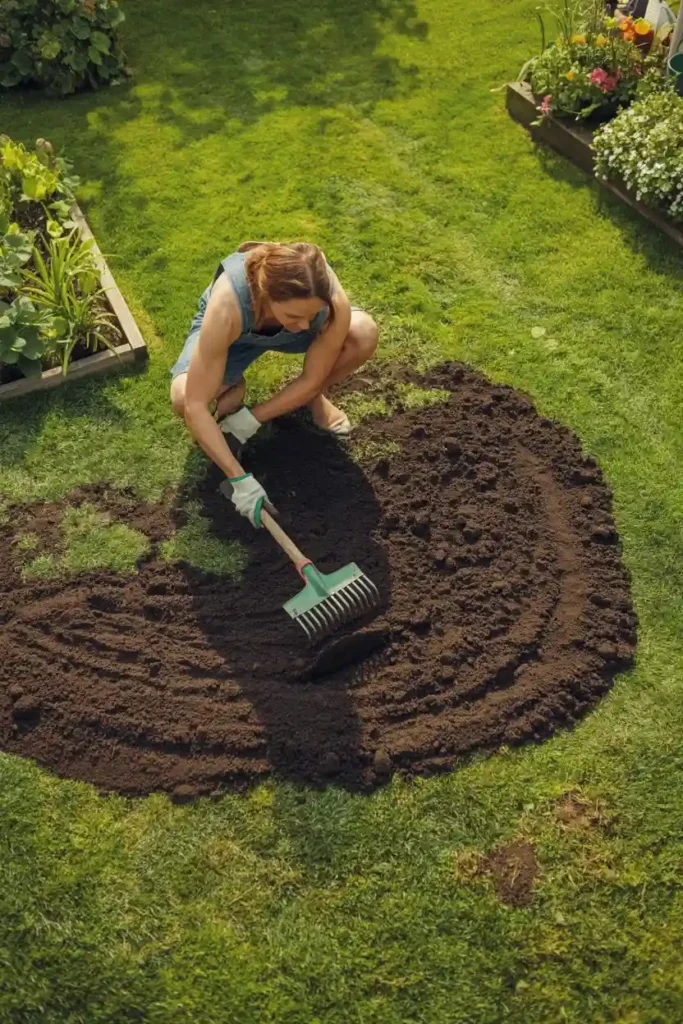
Just do not dump a huge pile all at once over grass. Add it in thin layers so the lawn has a chance to recover and grow through it.
Building New Garden Beds
Starting from scratch? Topsoil gives you a solid base for raised beds or in-ground beds. It helps create volume and structure before you add compost or other organic materials.
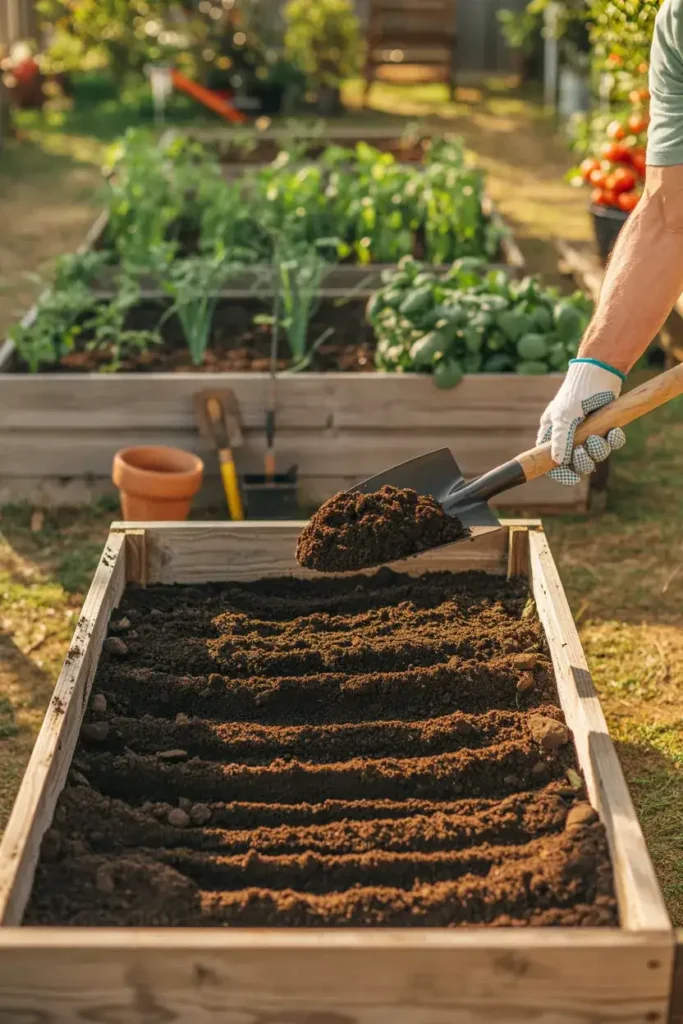
This is especially helpful if your existing ground is rocky, compacted, or plain awful. And let’s be real, some native soil really does test your patience 🙂
Improving Existing Soil
Sometimes the problem is not a lack of soil. It is poor-quality soil. Adding Topsoil can help improve texture, support better root growth, and make it easier to work the ground.
For best results, mix it with compost instead of using it alone. That way, you get the structure of Topsoil plus the nutrition of organic matter.
Supporting Sod and Seeding
If you are laying sod or planting grass seed, Topsoil can create a better surface for root contact and germination. A healthy top layer helps grass establish faster and more evenly.
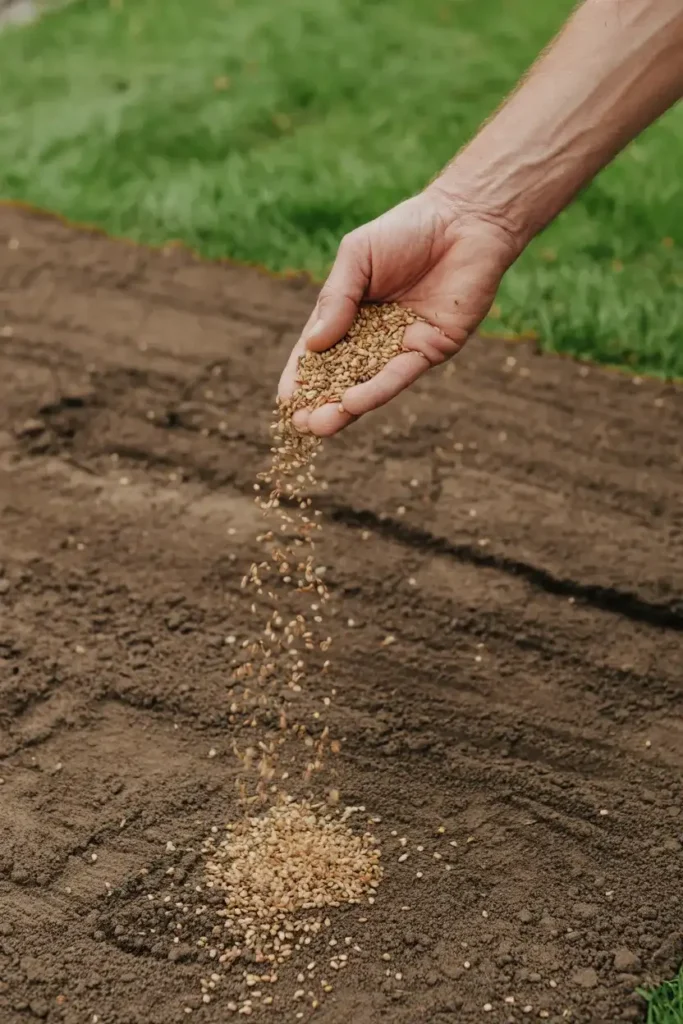
It also makes seed-to-soil contact easier, which is huge. Ever scatter grass seed and wonder why half of it seems to vanish into the void? Poor soil prep is often the culprit.
Benefits of Topsoil for Garden Health
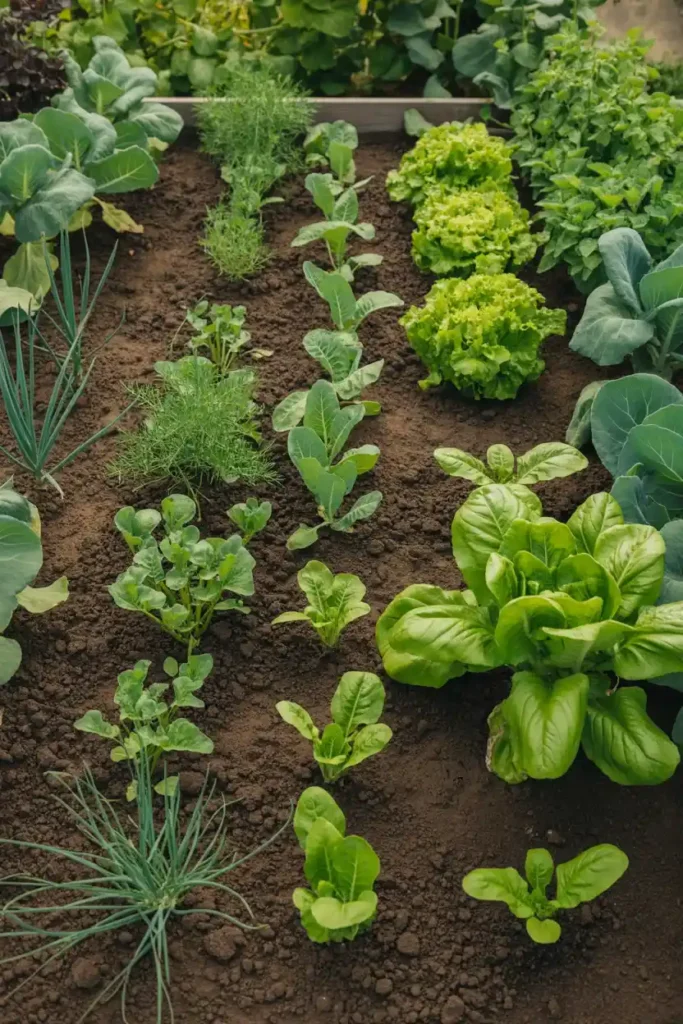
So why is Topsoil such a big deal for gardeners? Because it supports the entire growing environment from the ground up.
Better Root Development
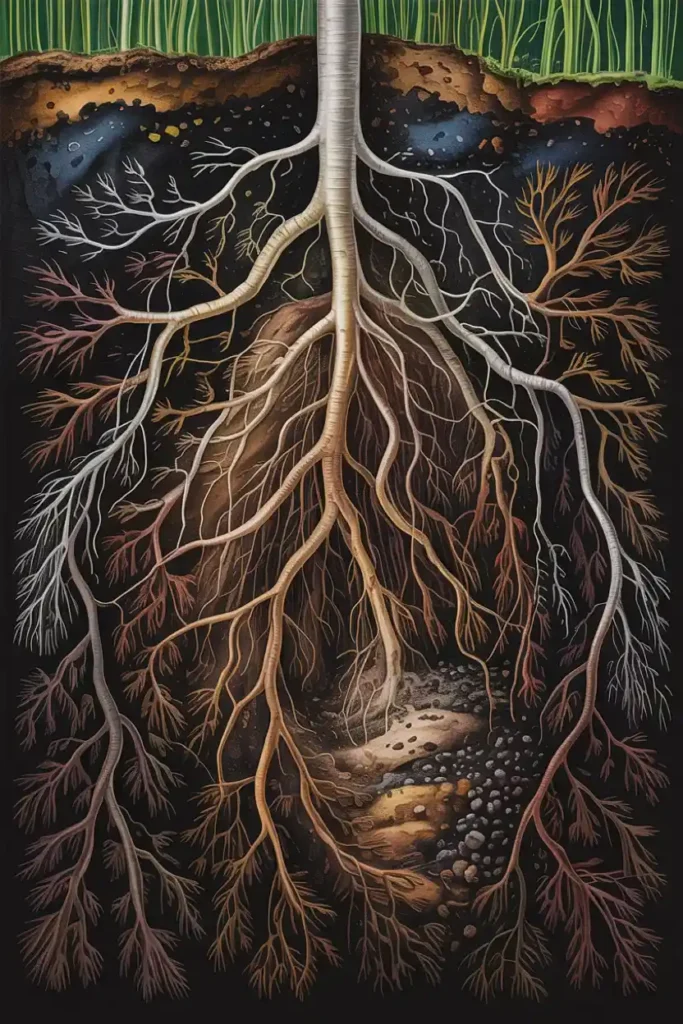
Plants need room to spread their roots. Quality Topsoil gives them that space. It is usually easier for roots to penetrate than hard, compacted subsoil.
Stronger roots mean stronger plants. And stronger plants are better at handling heat, drought, and general garden drama.
Improved Water Retention
A good layer of Topsoil helps the soil hold moisture more evenly. That is a huge win during warm weather, especially if your garden dries out fast.
At the same time, decent Topsoil should not stay waterlogged. The goal is moisture balance, not swamp mode.
Enhanced Nutrient Availability
Healthy Topsoil often contains more organic matter and microbial activity than lower soil layers. That means nutrients are more available to plants over time.
This does not mean every bag of Topsoil is loaded with nutrients, though. Some products are more about structure than feeding, so always check the label if that matters for your project.
Better Soil Structure
Ever tried digging into hard, lifeless ground? Not fun. Topsoil can loosen up difficult areas and create a more workable texture.
That improved structure also helps with:
- Air circulation around roots
- Drainage
- Microbial activity
- Seed germination
- Overall plant stability
How to Know if Topsoil Is Good Quality
Here is the thing: not all Topsoil is created equal. Some is rich and dark. Some is basically construction fill in disguise. FYI, the cheapest option is not always the best one.
Signs of Good Topsoil
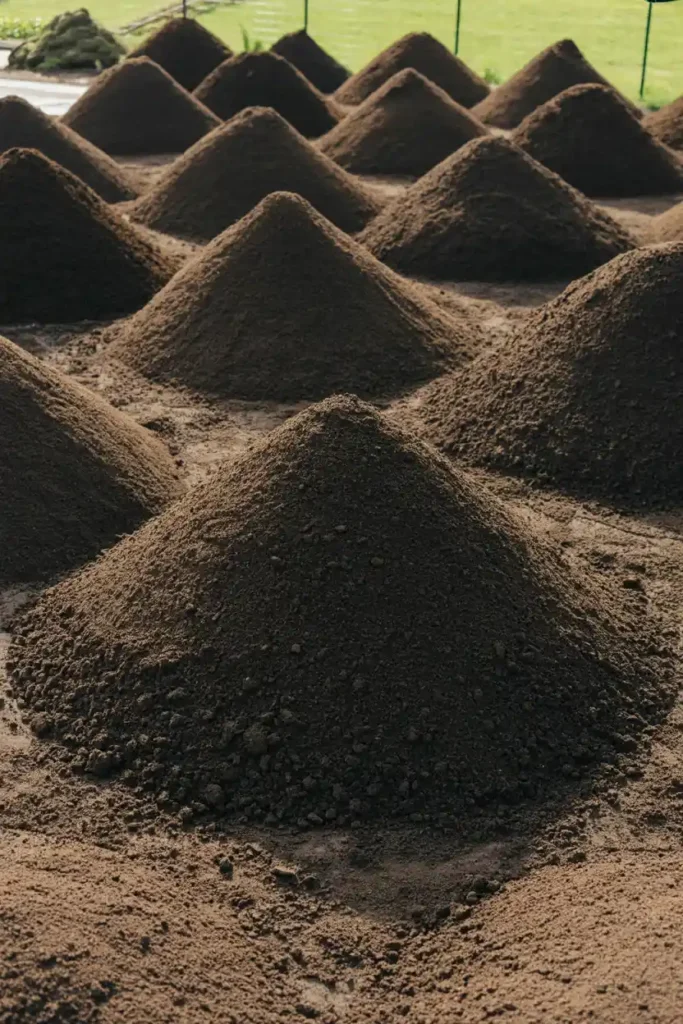
Look for these qualities when buying Topsoil:
- Dark color, which often suggests organic matter
- Crumbly texture, not sticky or rock-hard
- Earthy smell, not sour or chemical-like
- Minimal debris, such as large sticks, stones, or trash
- Good drainage, while still holding some moisture
Red Flags to Watch Out For
Be cautious if the Topsoil:
- Feels extremely heavy and clumpy
- Contains lots of rocks or roots
- Smells bad
- Looks pale and dusty
- Comes with no information about screening or composition
If possible, buy from a trusted garden center or soil supplier. IMO, asking a few simple questions before buying can save you a lot of disappointment later.
How to Use Topsoil the Right Way
Using Topsoil well is just as important as buying the right kind. Tossing it randomly around the yard is not exactly a master plan, right?
For Garden Beds
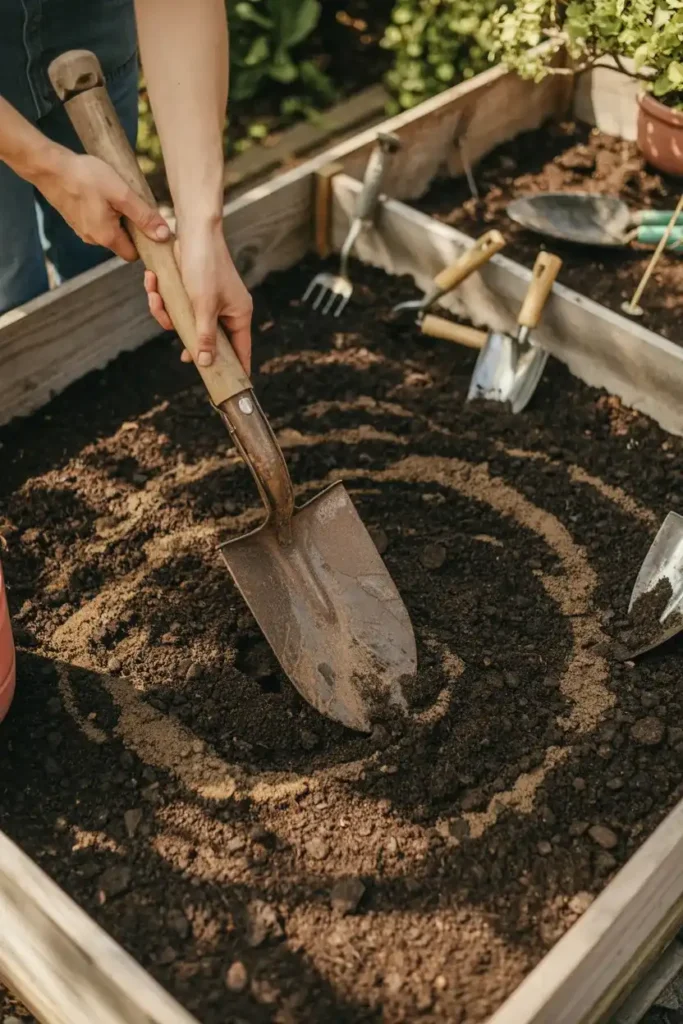
Spread Topsoil evenly over the bed and mix it into the existing soil if possible. A depth of a few inches is usually enough for improvement, though new beds may need more.
Then add compost or aged organic matter. This gives your plants a richer growing environment and boosts long-term soil health.
For Lawns
Apply Topsoil in thin layers over low spots or thin grass areas. If you are overseeding, lightly rake the area so the seed settles into the soil.
Do not bury established grass under a thick layer. Grass can grow through a light dusting, but too much can smother it.
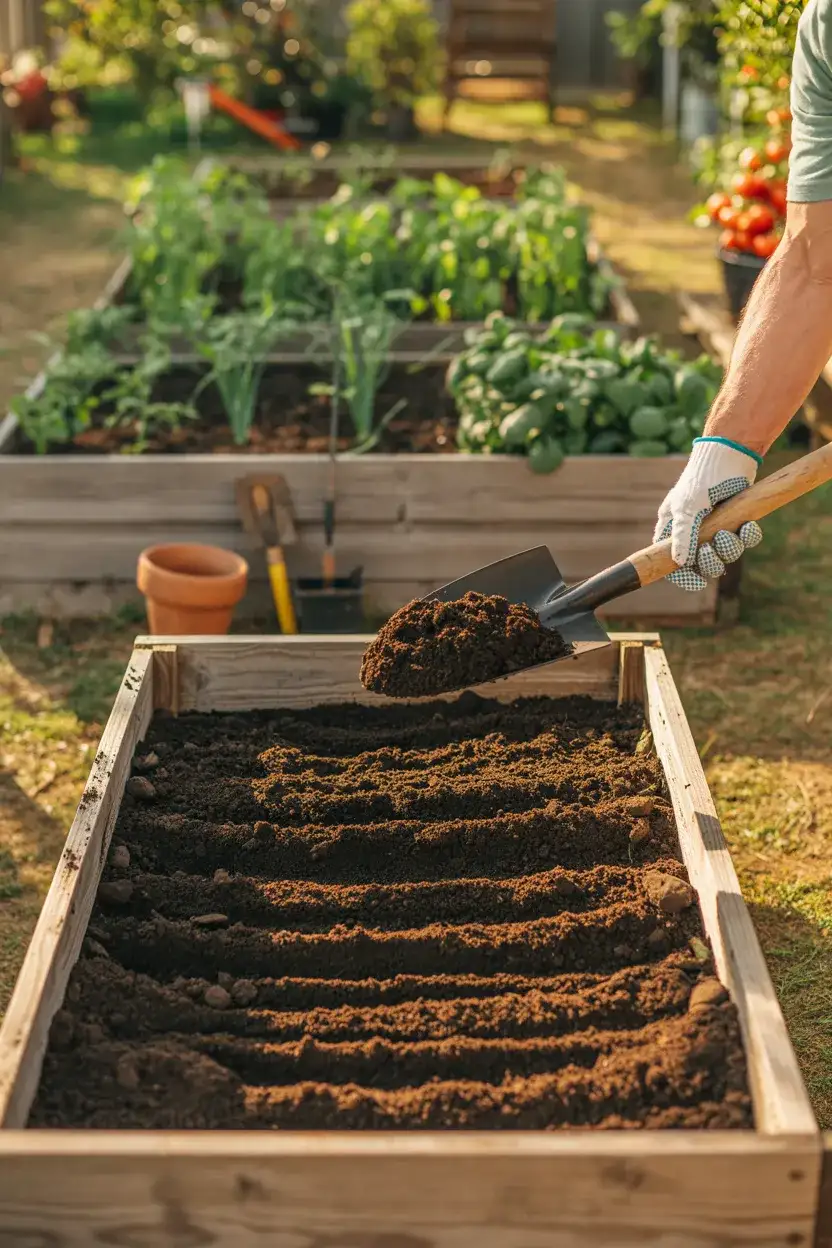
For Raised Beds
Use Topsoil as part of a mix, not the entire fill if you can help it. Raised beds usually do best with a blend of:
- Topsoil
- Compost
- Organic material or soil conditioner
This creates a lighter, healthier mix for vegetables, herbs, and flowers.
Mistakes to Avoid When Using Topsoil
Even a useful product like Topsoil can cause problems if you use it the wrong way. A few common mistakes pop up again and again.
Using It Without Amendments
Plain Topsoil is often not enough on its own for hungry plants. It may lack the organic richness needed for strong growth.
Mixing in compost is usually the smart move. Your plants will thank you, and your soil will improve faster over time.
Choosing the Wrong Texture
Heavy clay-like Topsoil can compact easily. Super sandy Topsoil may dry out too fast. That is why texture matters so much.
Try to match the product to your purpose. For example, beds for vegetables need a more balanced and workable soil than simple fill areas.
Ignoring Soil Testing
Want the best results? Test your soil. It tells you the pH and nutrient levels, which helps you figure out what your garden actually needs.
Otherwise, you are kind of guessing. And while guessing can be fun in board games, it is less fun when your tomatoes start sulking.
Why Topsoil Is Worth It for Gardeners
If you care about healthier plants, easier maintenance, and better-looking beds, Topsoil is worth understanding. It may not be the flashiest garden product, but it does a ton of behind-the-scenes work.
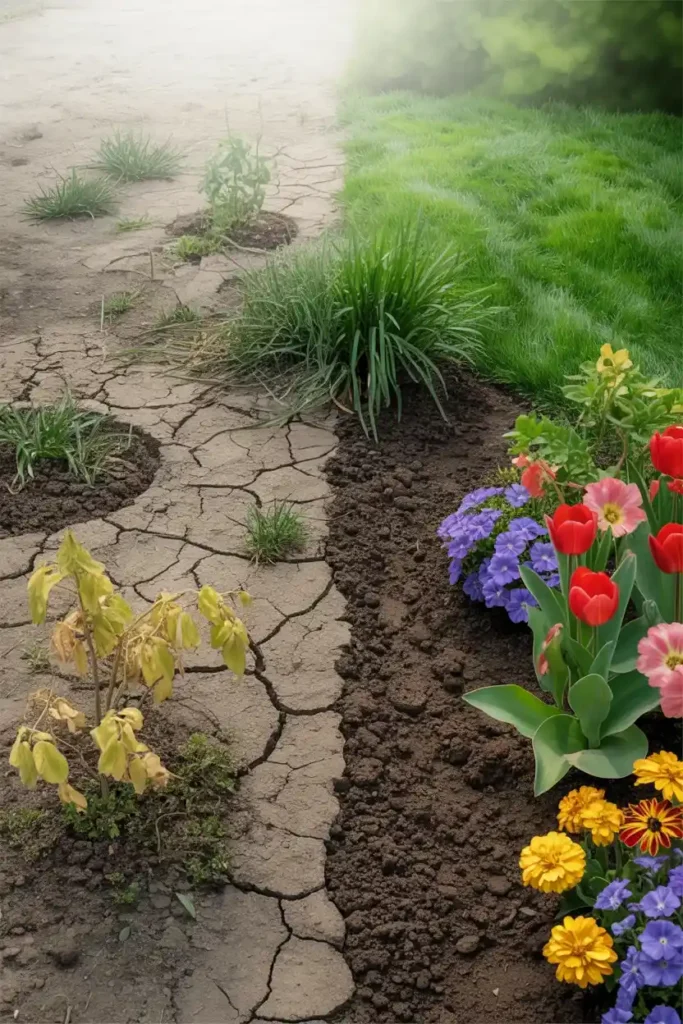
Think of it as the quiet hero of the garden. It supports roots, improves structure, helps with moisture, and gives you a better starting point for almost any outdoor project. That is a pretty solid résumé for a pile of dirt, right?
Final Thoughts on Topsoil
So, what is Topsoil? It is the upper layer of soil that plays a major role in plant health, water balance, nutrient access, and root development. It is useful for filling low spots, building beds, improving soil, and supporting lawns, which makes it one of the most practical materials a gardener can use.
The big takeaway is simple: good Topsoil helps build a better garden from the ground up. Choose quality soil, use it with intention, and mix in organic matter when needed. The next time you see a bag of Topsoil, you will know it is not just dirt. It is potential.