

 By Alexa James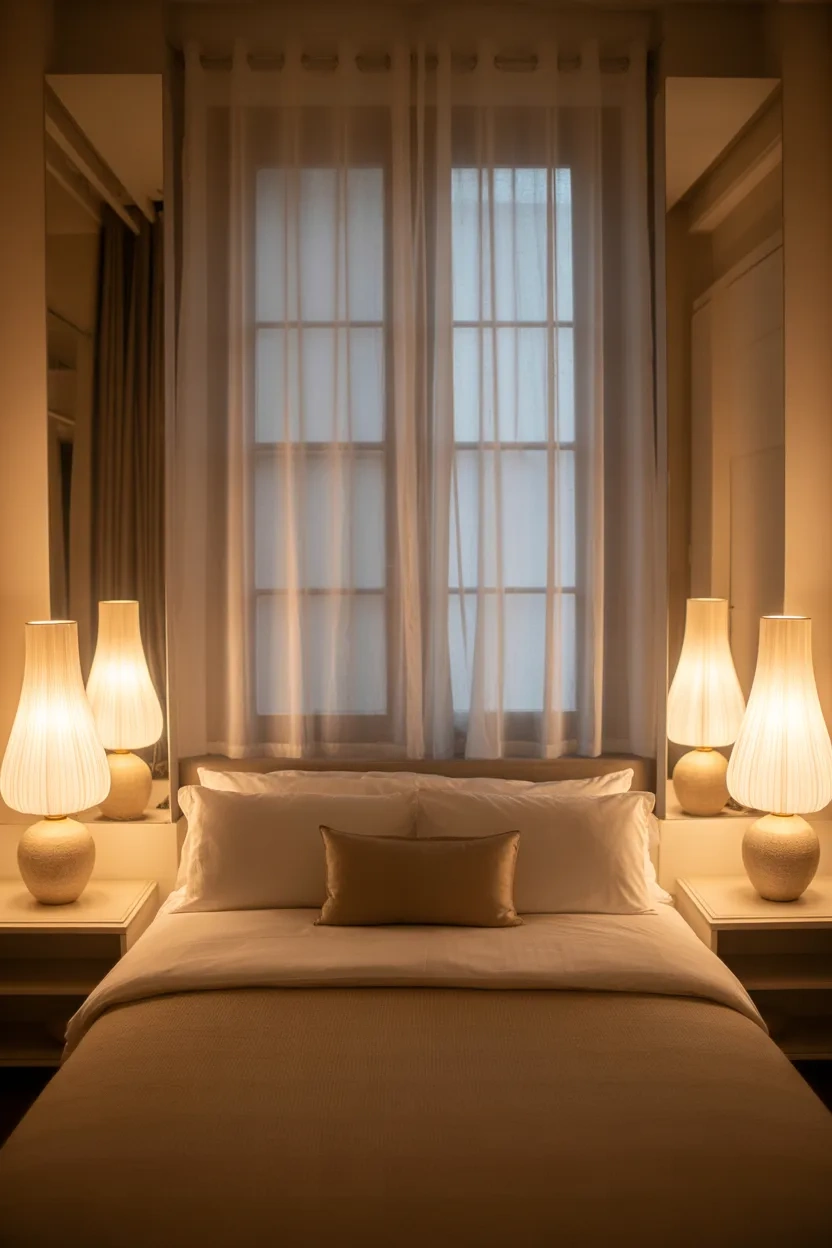
This article was created in line with Trends Oraa’s research and content standards.
Let’s be real—small bedrooms can be tricky. 😅 You walk in, see four walls and a bed, and suddenly feel like you need a degree in Tetris just to make it work. But don’t worry, I’ve been there, and trust me, you can make a small bedroom ideas feel spacious, cozy, and stylish at the same time. In this guide, I’m going to walk you through practical tips, clever small bedroom ideas, and smart furniture placement strategies that actually make a difference. Ready? Let’s dive in!
Why Furniture Placement Matters in a Small Bedroom
Ever spent hours rearranging your furniture only to realize it makes the room feel smaller, cluttered, and chaotic? I feel you. It’s not just about aesthetics; it’s about functionality, flow, and comfort. The right furniture placement can:
- Maximize space: Even a 10×10 room can feel roomy with smart layout choices.
- Improve accessibility: You want to walk around your room, not climb over your bed like an obstacle course.
- Enhance aesthetics: A well-placed mirror or chair can make the room look chic and inviting.
So, before you start buying those cute storage baskets, let’s figure out the layout magic.
Step 1: Start With the Bed (The Big Player)
Bed Placement Basics
Your bed is the centerpiece of your small bedroom. Where it sits will define everything else. Some tips:
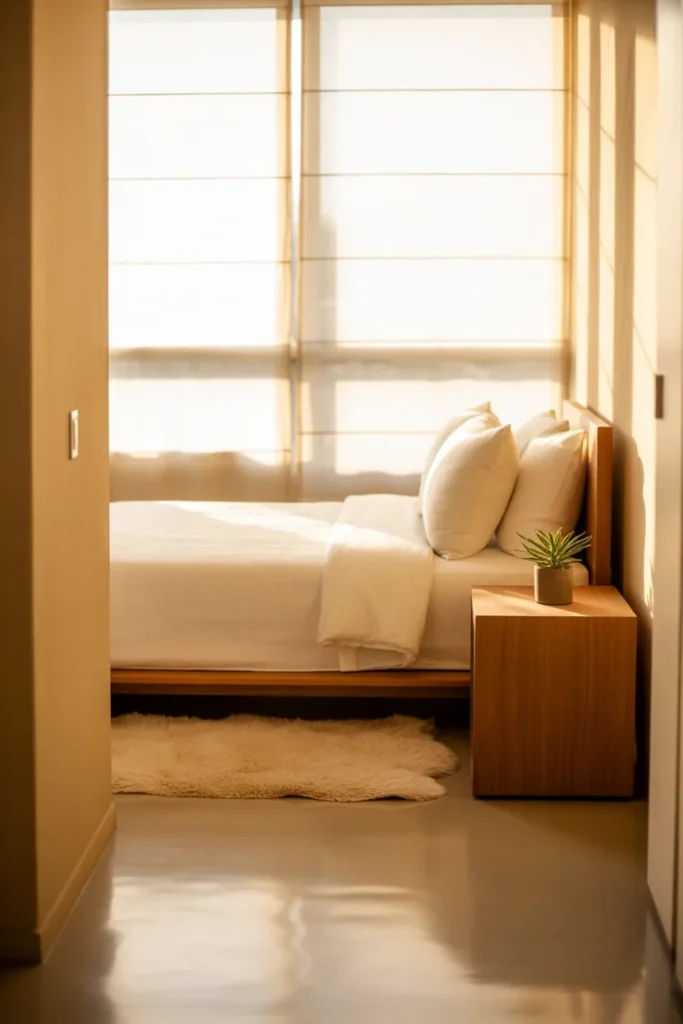
- Against the longest wall: If your room is rectangular, placing your bed along the longest wall opens up floor space.
- Center it under a window (careful with drafts!): It creates a cozy focal point, but make sure your window isn’t too low.
- Corner placement for super tiny rooms: Works best for single beds, freeing up space for a desk or wardrobe.
Avoid These Common Mistakes
- Blocking doors or pathways: It makes your room feel cramped.
- Pushing it into tight corners unnecessarily: Sometimes it looks worse than leaving a little space around it.
- Overcrowding with side tables: FYI, you can always get creative with floating shelves instead.
Step 2: Smart Storage That Doesn’t Feel Heavy
Small bedrooms require storage, but bulky furniture can be a nightmare. Here’s how to do it right:
Multi-Functional Furniture
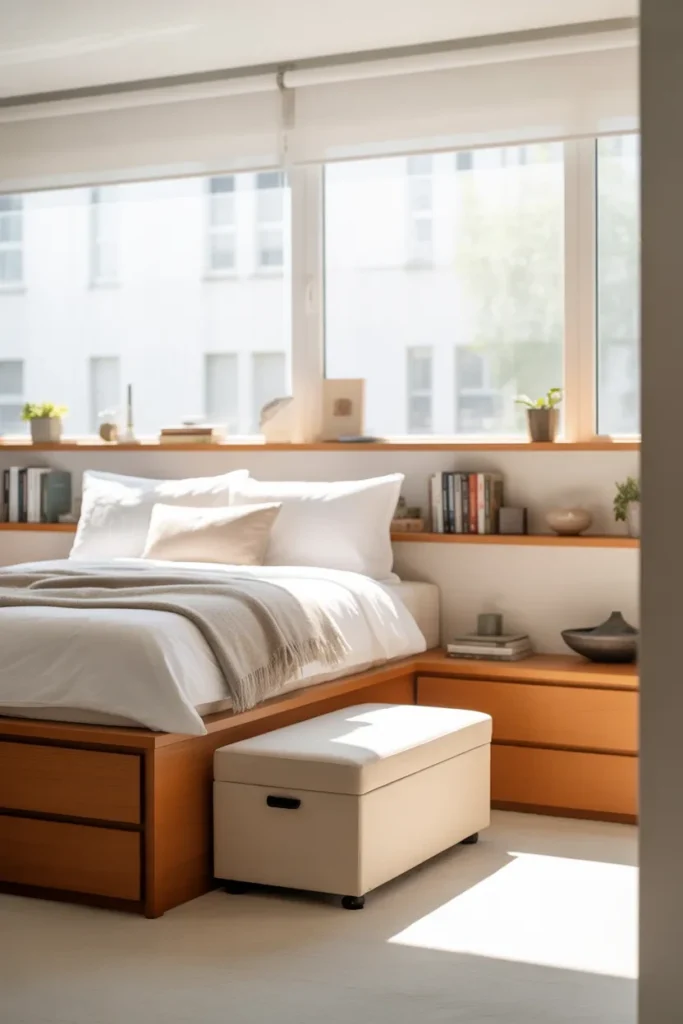
- Bed with drawers underneath: Perfect for storing clothes or bedding.
- Ottomans or benches with storage: Placed at the foot of your bed, they double as seating and storage.
- Wall-mounted shelves: Keeps floor space clear while displaying your favorite decor.
Closet Hacks
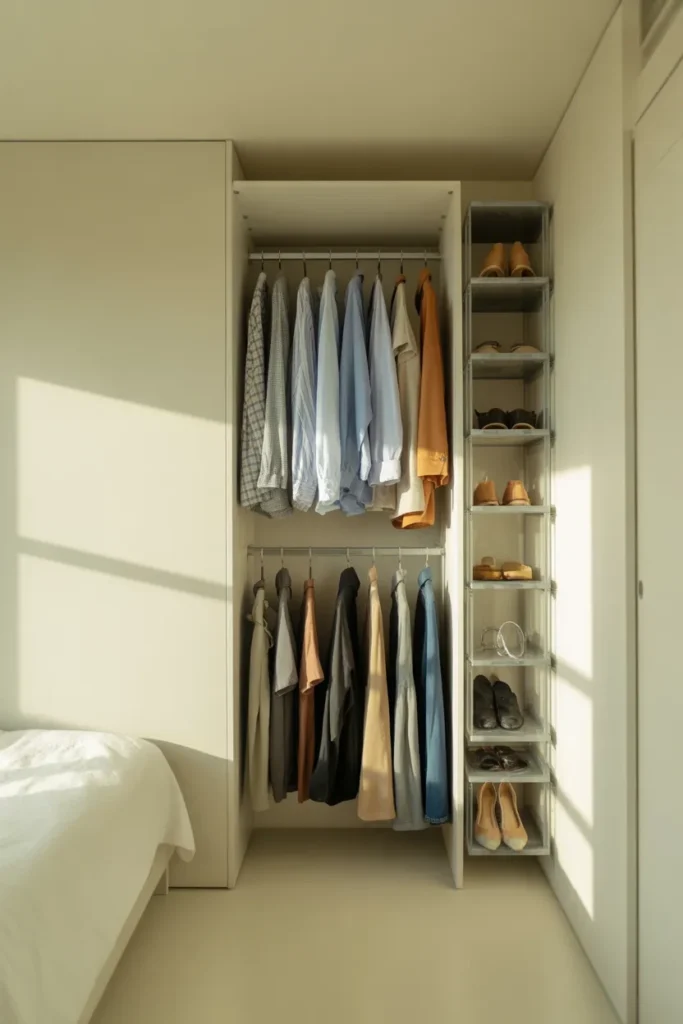
- Use vertical space: Hang hooks or an over-the-door organizer.
- Slim wardrobes: Instead of a wide bulky closet, choose narrow wardrobes that still hold plenty of items.
- Double rods: If your closet ceiling is high, use a double rod system for more hanging space.
Pro Tip: Think vertical first. If you’re struggling to find floor space, your walls are your best friend.
Step 3: Create Flow With Layout Zones
Even in a small bedroom, you want areas to feel intentional. Think zones, not clutter.
Bed Zone
- Centered or against the longest wall
- Small bedside tables or shelves
- Cozy rug to anchor the bed
Work or Study Zone
- A compact desk in a corner
- Floating shelves above for books
- Minimalist chair to keep space open
Dressing Zone
- Full-length mirror on the wall
- Small dresser or drawers next to bed
- Hook racks for accessories
Remember: Every zone doesn’t need to be huge. The key is to prioritize what you actually use daily.
Step 4: Play With Light and Mirrors
Lighting isn’t just functional—it changes the perception of space.
Bright Ideas
- Natural light first: Keep windows clear of heavy curtains. Sheer curtains are your friend.
- Layered lighting: Combine ceiling lights, table lamps, and wall sconces.
- Mirrors: Place a mirror opposite a window to reflect light and make the room feel twice as big.
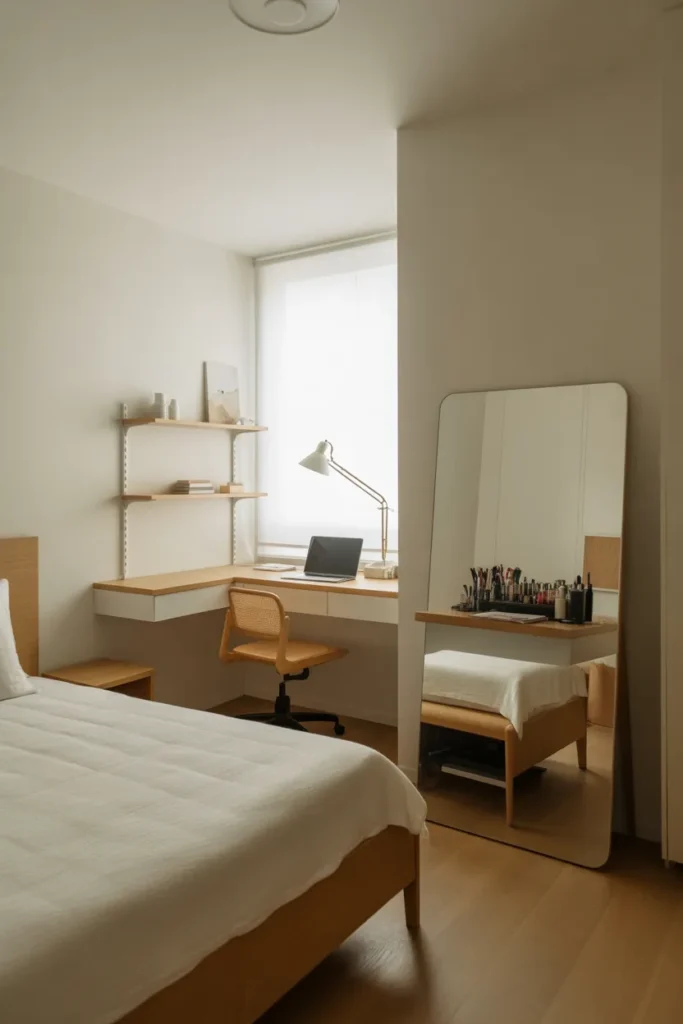
IMO, mirrors are the ultimate small-bedroom hack. You can literally double your space visually without moving a thing.
Step 5: Pick Furniture That Fits the Room, Not the Room That Fits the Furniture
Size Matters
- Scale down: Don’t shove a queen bed into a tiny 9×9 room. Consider a full or twin instead.
- Slim profiles: Look for furniture with legs—this gives a sense of openness underneath.
- Round tables instead of square: A round bedside table takes up less visual space.
Flexible Pieces
- Folding desks or chairs that can hide away
- Nesting tables for side surfaces
- Convertible seating that doubles as storage
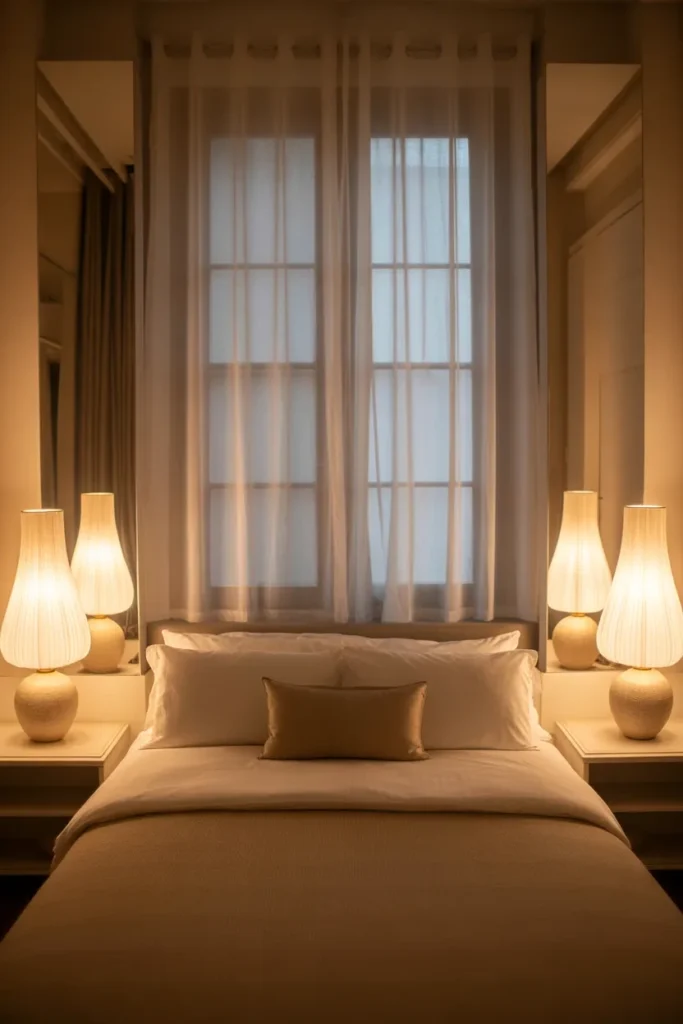
Trust me, choosing the right size furniture is more important than how trendy it is.
Step 6: Use Color and Patterns Wisely
Colors can make or break a small bedroom layout.
- Light colors: Whites, pastels, and soft neutrals make a room feel bigger.
- Monochromatic schemes: Keeps things clean and visually spacious.
- Accent walls: Use darker shades sparingly to avoid shrinking your space.
- Patterns: Stick to one bold pattern; too many can overwhelm the room.
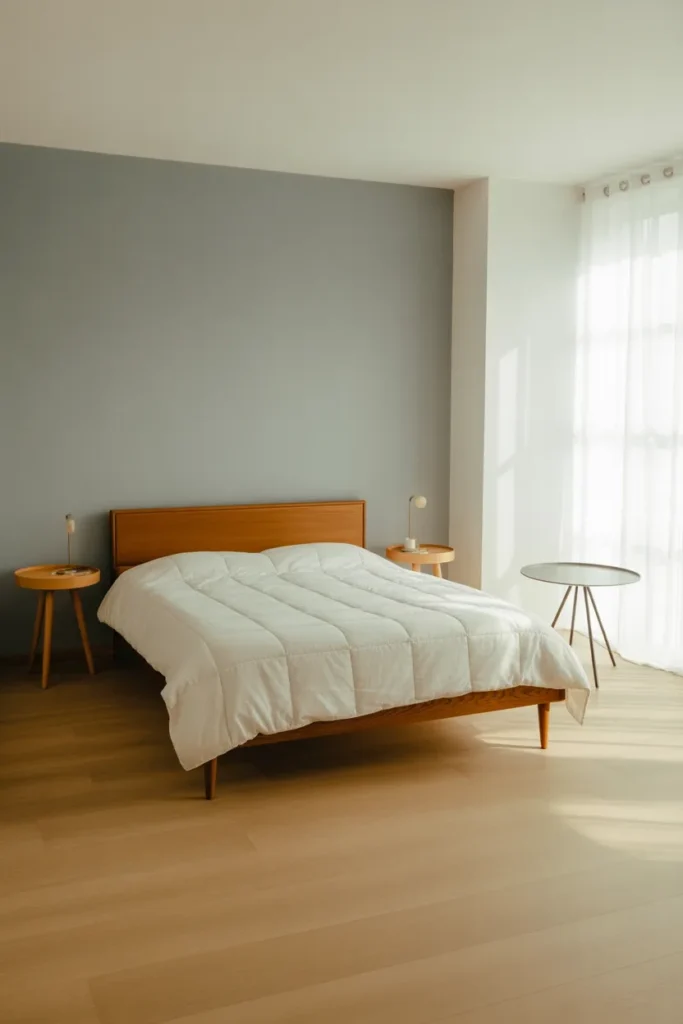
FYI, even small details like bedding patterns or curtains play a role in how spacious your room feels.
Step 7: Don’t Forget the Floor
The floor is often overlooked but critical in a small bedroom layout.
- Keep it visible: Too many rugs or items on the floor make it feel cluttered.
- Rugs anchor zones: Place a small rug under the bed or in the study corner.
- Floating furniture: Choosing pieces with visible legs adds to the airy feeling.
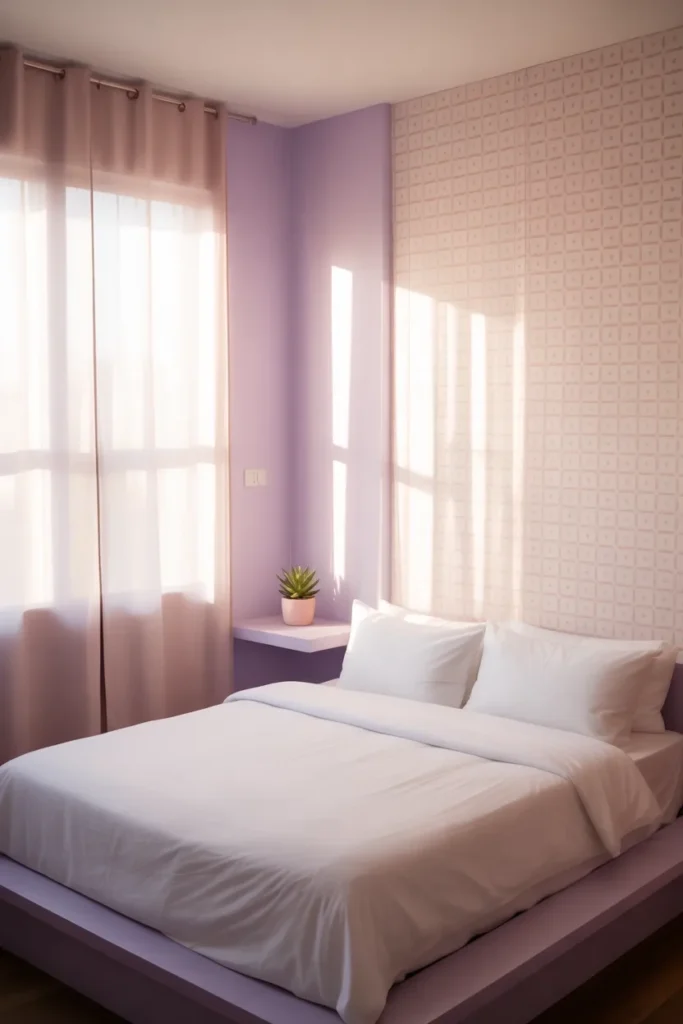
Step 8: Personal Touches Without Cluttering
You want your bedroom to feel like your space, not just a showroom.
- Wall art: Hang instead of placing items on the floor.
- Plants: Small potted plants or hanging planters work wonders.
- Minimal decor: One or two statement pieces—less is more in small spaces.
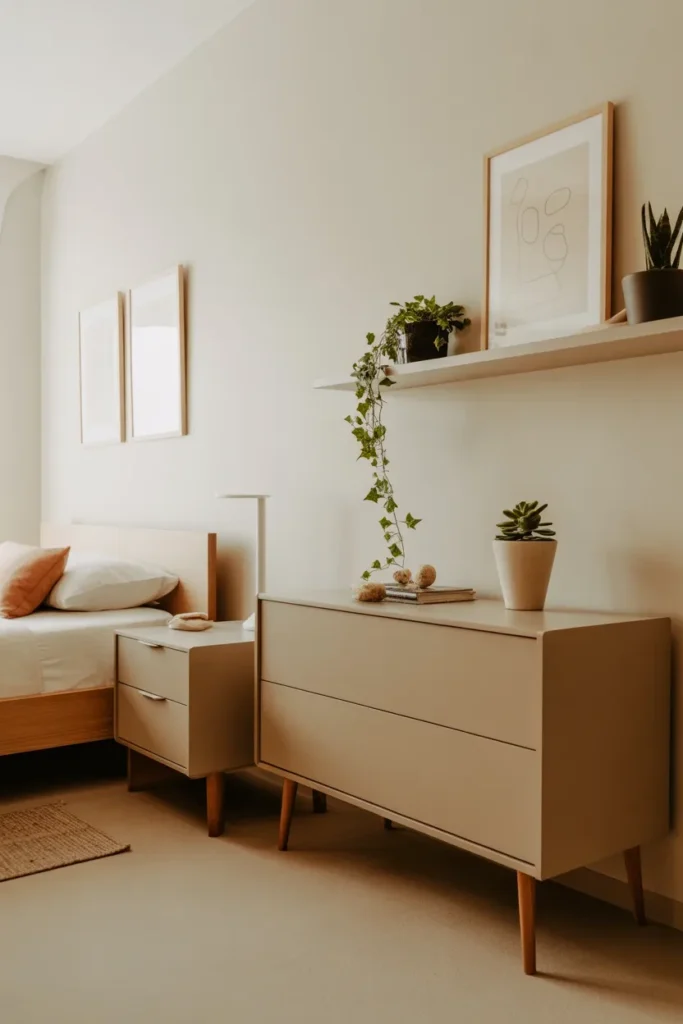
IMO, a cluttered room = stressed vibes. Keep it simple, chic, and functional.
Quick Recap: The Small Bedroom Layout Checklist
- Bed first: Anchor the room, free up space.
- Storage second: Multi-functional and vertical.
- Zones third: Bed, work, dressing.
- Lighting & mirrors: Maximize brightness and sense of space.
- Furniture selection: Scale, profile, and flexibility matter.
- Color & patterns: Light and cohesive schemes feel spacious.
- Floor & personal touches: Keep floor visible and decor intentional.
Final Thoughts
Arranging furniture in a small bedroom doesn’t have to be stressful. With a bit of planning, clever storage, and thoughtful placement, your tiny room can feel like a mini sanctuary. 🌿
Remember, it’s all about prioritizing space, functionality, and your personal style. Don’t overthink it—start with the bed, add smart storage, create zones, and let your creativity shine. Before you know it, even a 9×9 room will feel like a cozy, stylish haven.
So, what are you waiting for? Grab a tape measure, move that bed around a bit, and let your small bedroom become the perfect reflection of your style and personality. Who says small can’t be stunning? 😉