Balcony Privacy Ideas
This article was created in line with Trends Oraa’s research and content standards.
You asked for Balcony Privacy Ideassecond person but required third person point of view. Please clarify which perspective you want.
1) Tall bamboo screens for natural coverage
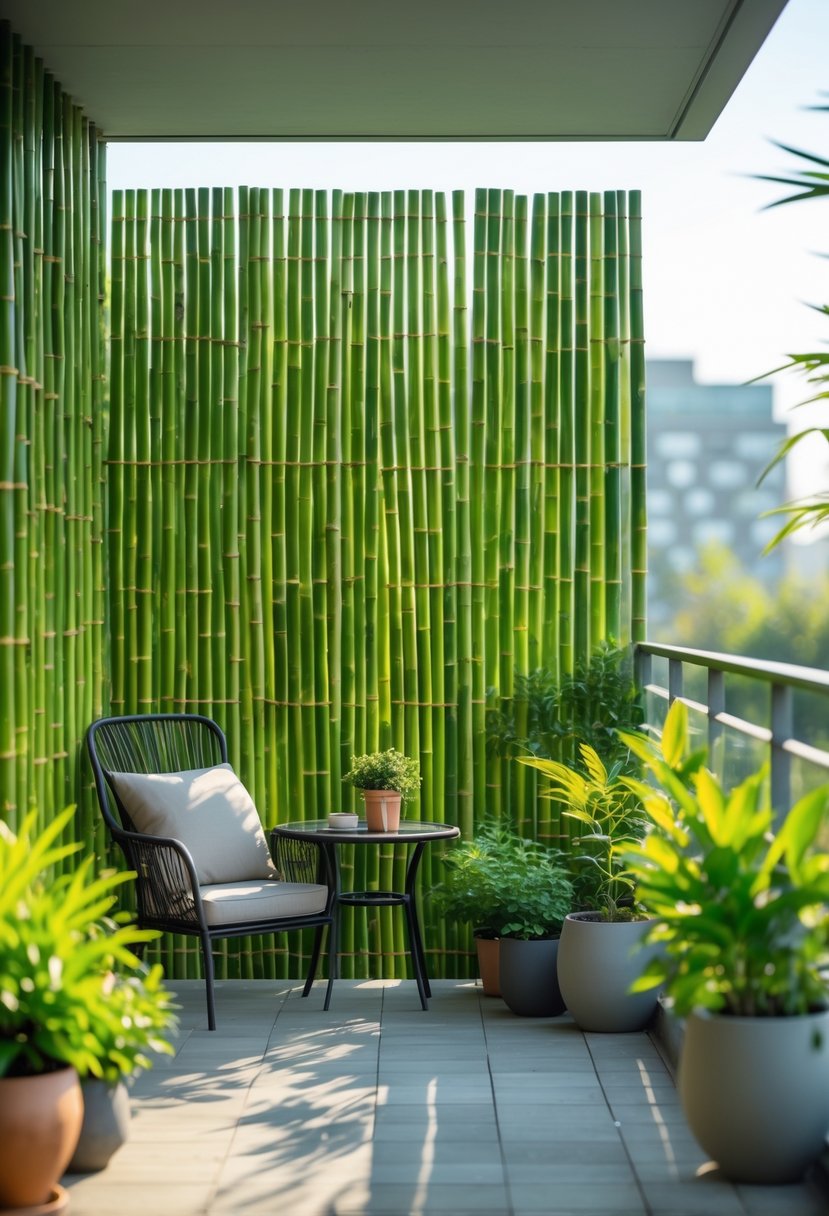
They place tall bamboo screens along railings to block sightlines and wind. Bamboo grows fast and looks natural, so it fits many balcony styles.
Screens come as living plants or prebuilt panels. Living bamboo needs pots and regular care, while panels install quickly and need little upkeep.
Choose clumping bamboo for pots to avoid invasive roots. Secure panels to railings for safety and check local rules before adding tall plants or structures.
2) Outdoor privacy curtains with weather-resistant fabric
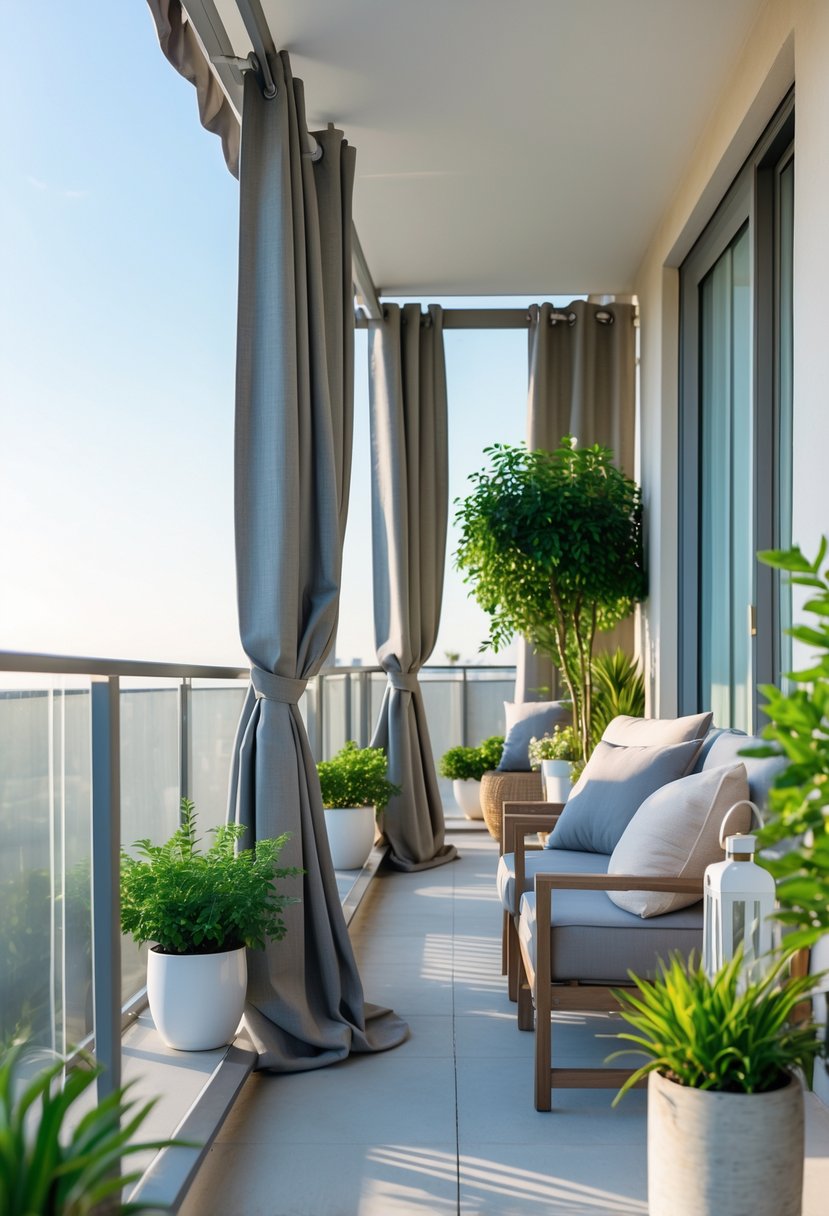
They hang easily and block sightlines while letting air flow. Use fabrics labeled UV- and mildew-resistant so they last through sun and rain.
They attach to a rod or wire and slide for quick opening. Choose colors that match the balcony and light-filtering options to keep brightness without sacrificing privacy.
They need occasional washing and fastener checks. Anchoring them well prevents damage in wind.
3) Lattice panels with climbing ivy plants
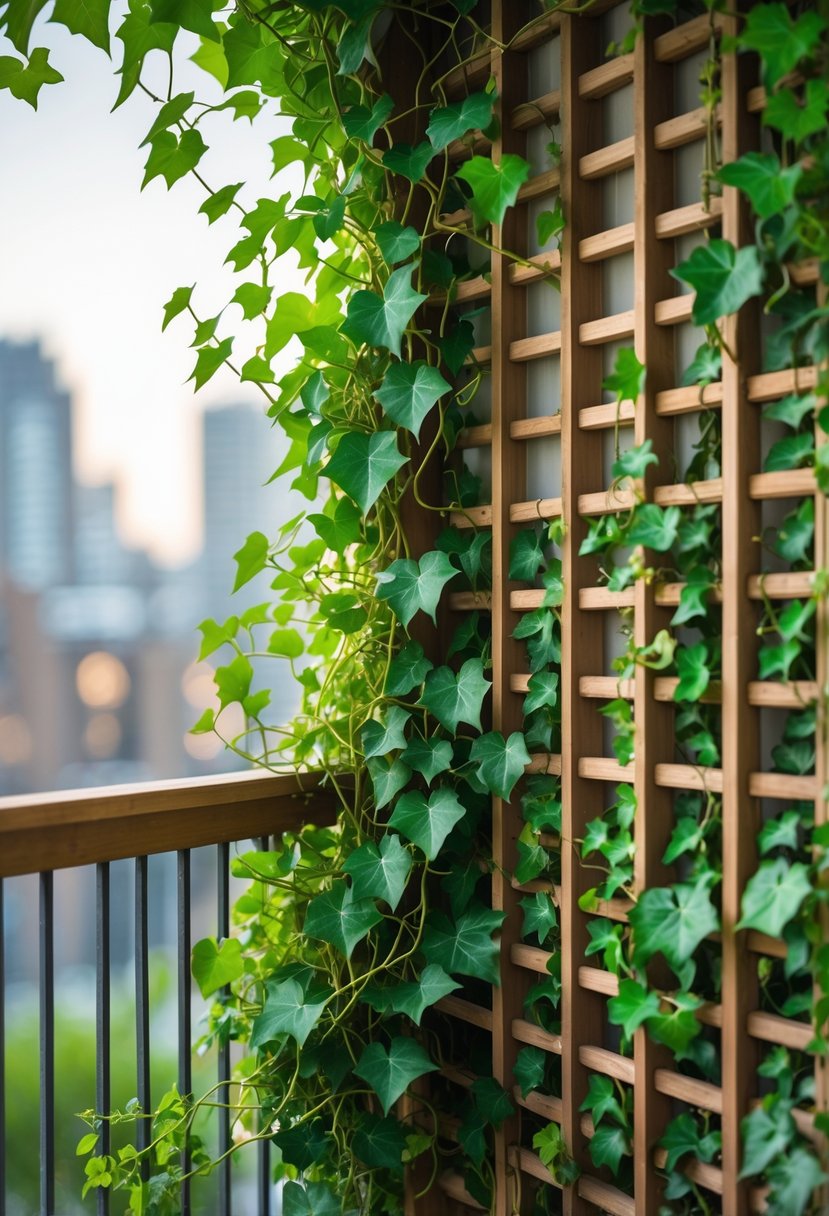
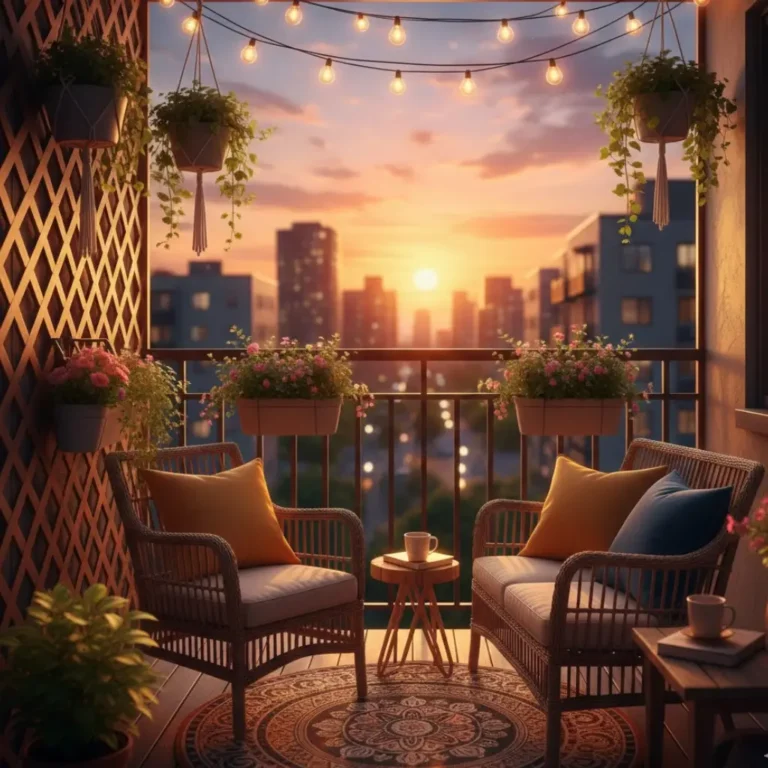
They install lattice panels along the balcony railing to create a quick privacy screen. The lattice gives structure and lets light pass through while blocking direct views.
They train climbing ivy or other vines up the lattice so green foliage fills gaps over time. Ivy grows dense and low-maintenance, but it can need trimming to avoid damage to wood or nearby structures.
They choose rot-resistant materials like cedar or composite for long life. Fasteners and regular checks keep the system safe and secure.
4) Frosted glass balcony railing inserts
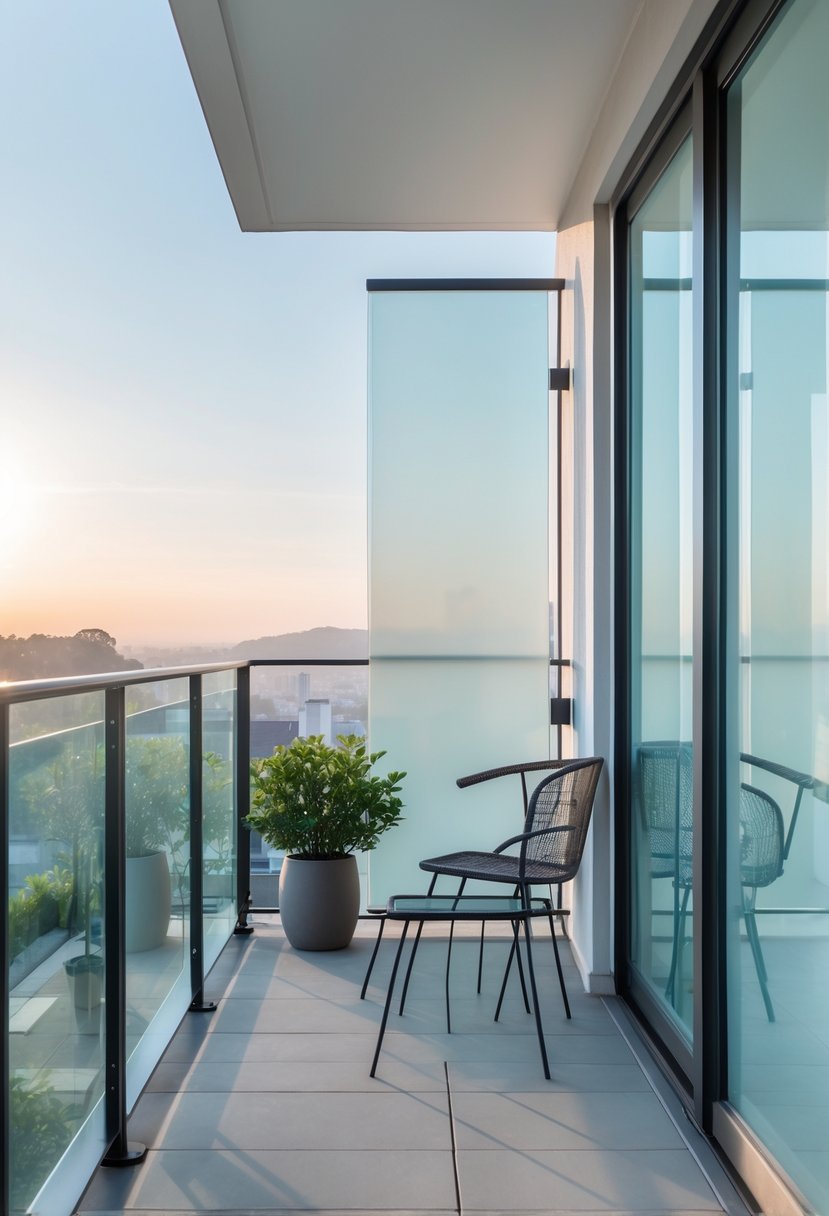
Frosted glass inserts give a modern, sleek look while blocking direct views. They let light through but blur shapes, so the balcony feels private without becoming dark.
They fit into most metal or wooden frames and come in panels or custom-cut sheets. Installation is usually straightforward, and maintenance only needs occasional cleaning with mild soap.
They withstand wind and rain better than fabric screens. Homeowners should check building rules and safety standards before fitting them.
5) Retractable awnings for shade and seclusion
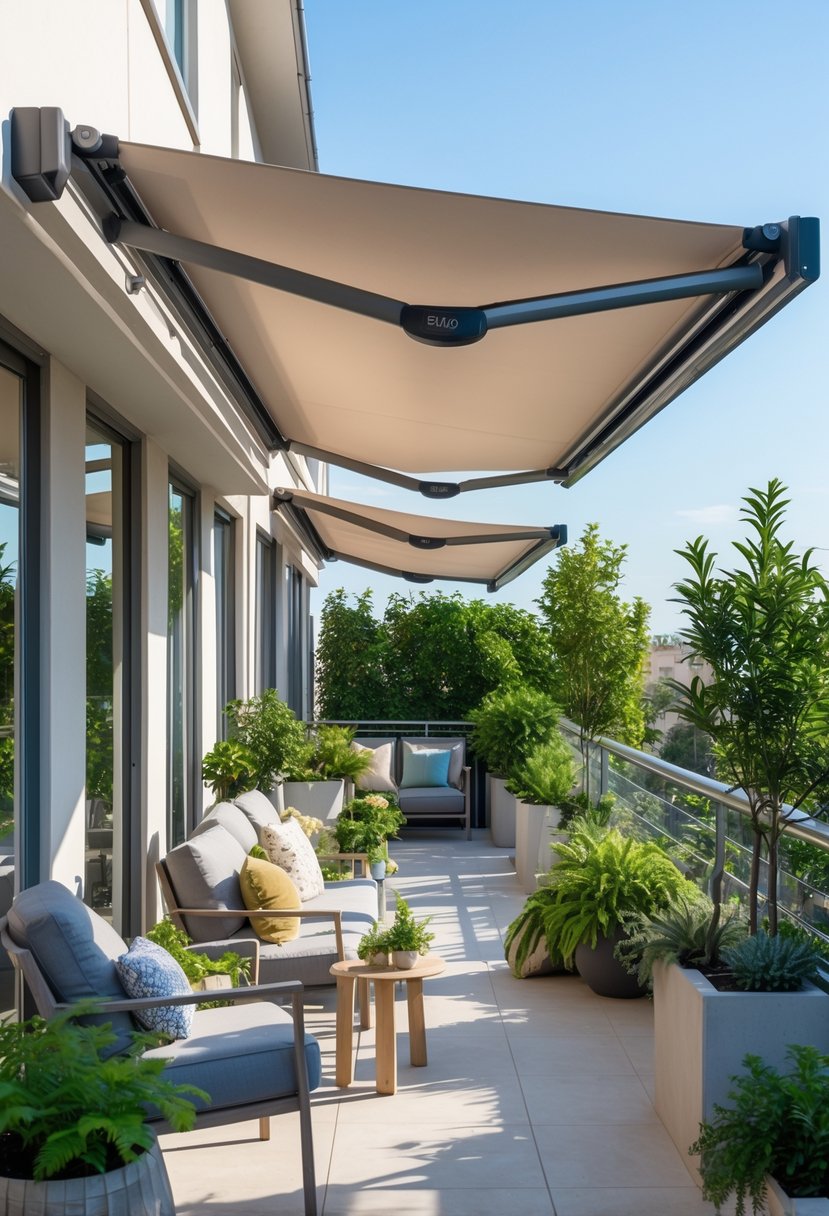
Retractable awnings give flexible shade and quick privacy when needed. They extend to block sun and sightlines, then roll away to open the view.
They come in manual or motorized options, so homeowners can choose ease or budget. Fabrics resist UV and water, but require occasional cleaning to last.
Properly sized and installed awnings reduce heat and make balconies feel more private. They work well with plants or side screens for extra seclusion.
6) Wooden slat partitions for modern style
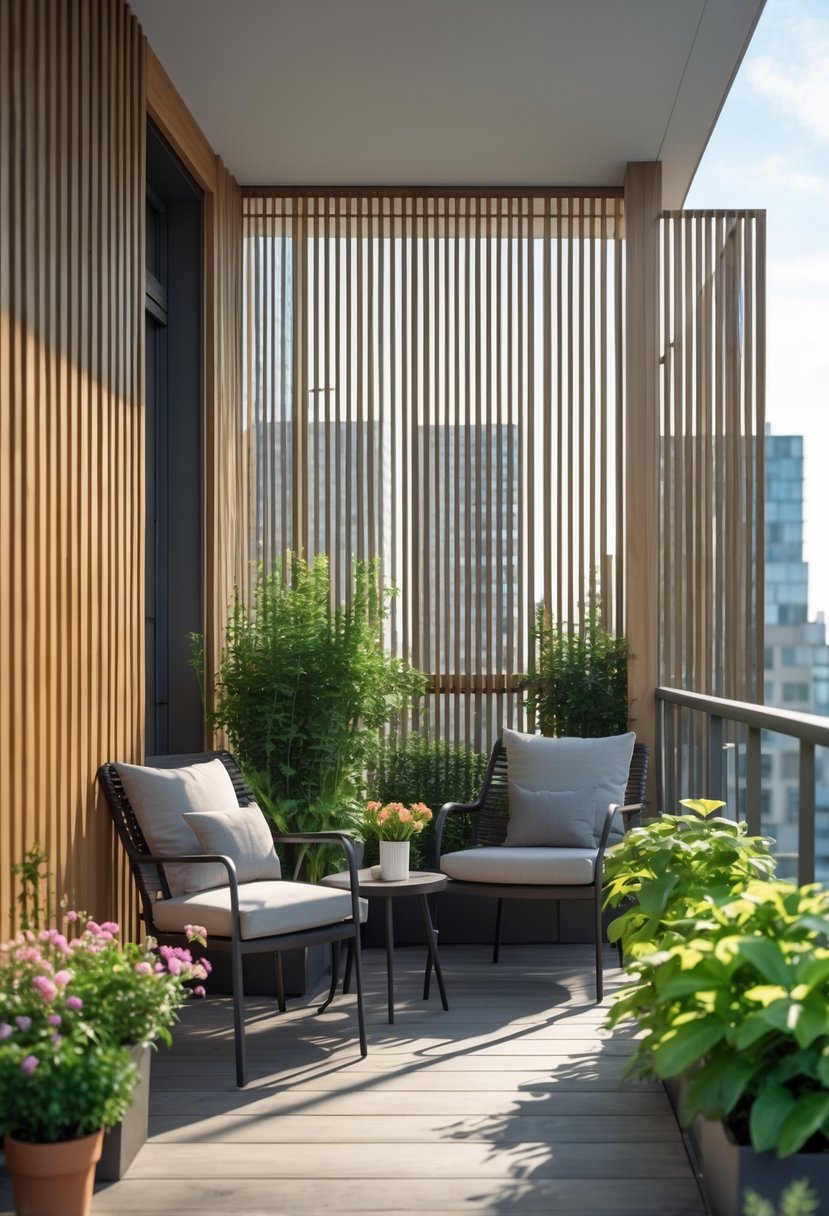
They add clean lines and a warm, natural look that fits many modern balconies. Slatted panels let light and air through while blocking direct views, so the space feels private but not closed off.
They can be fixed or movable, made of cedar, teak, or treated pine for durability. Installation is simple: mount posts or hang panels from the railing, then stain or oil to protect the wood.
7) Hanging planter boxes as natural dividers
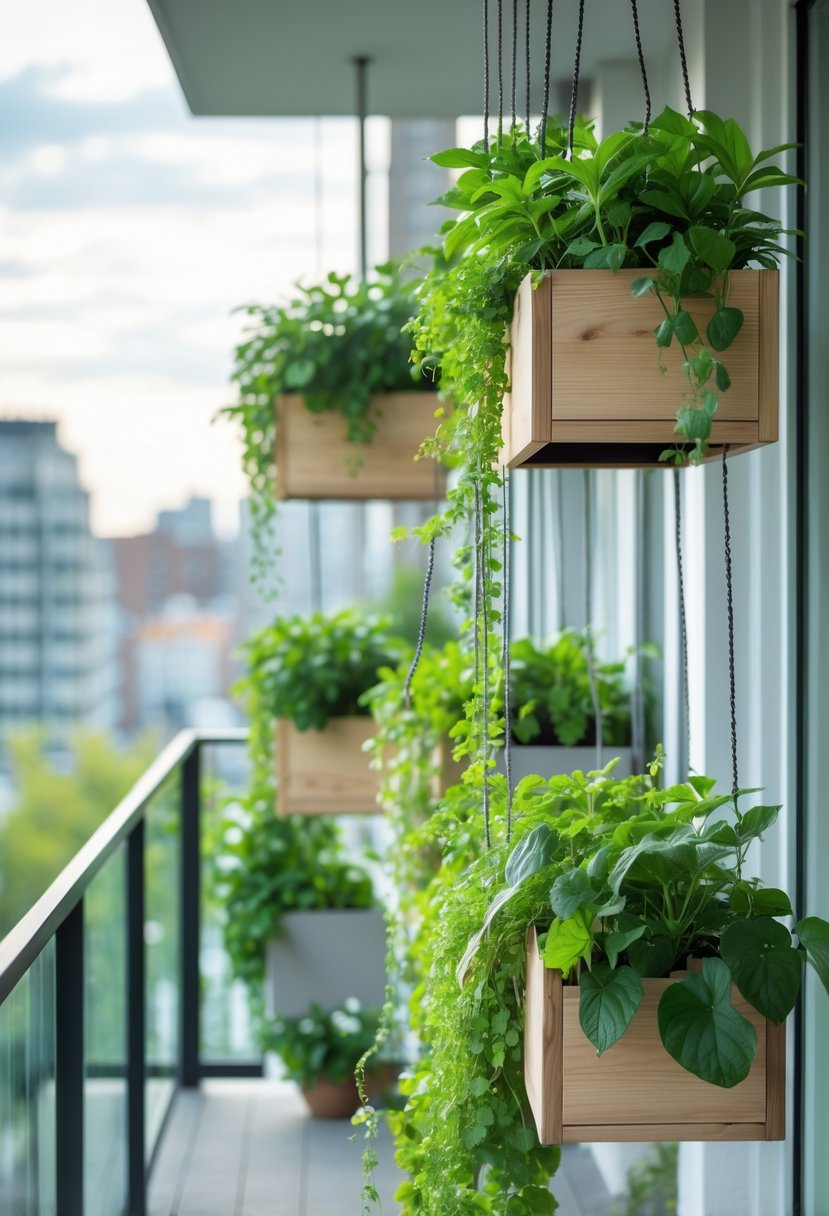
They hang planter boxes along the railing or overhead to form a green screen. Plants like ivy, ferns, or trailing herbs fill gaps and soften sightlines.
He or she can choose lightweight boxes and secure brackets to avoid strain. This adds privacy while keeping the balcony airy and alive.
They should pick plants suited to light and wind levels. Regular watering and pruning keep the divider tidy and effective.
8) Privacy screens made from recycled wood pallets
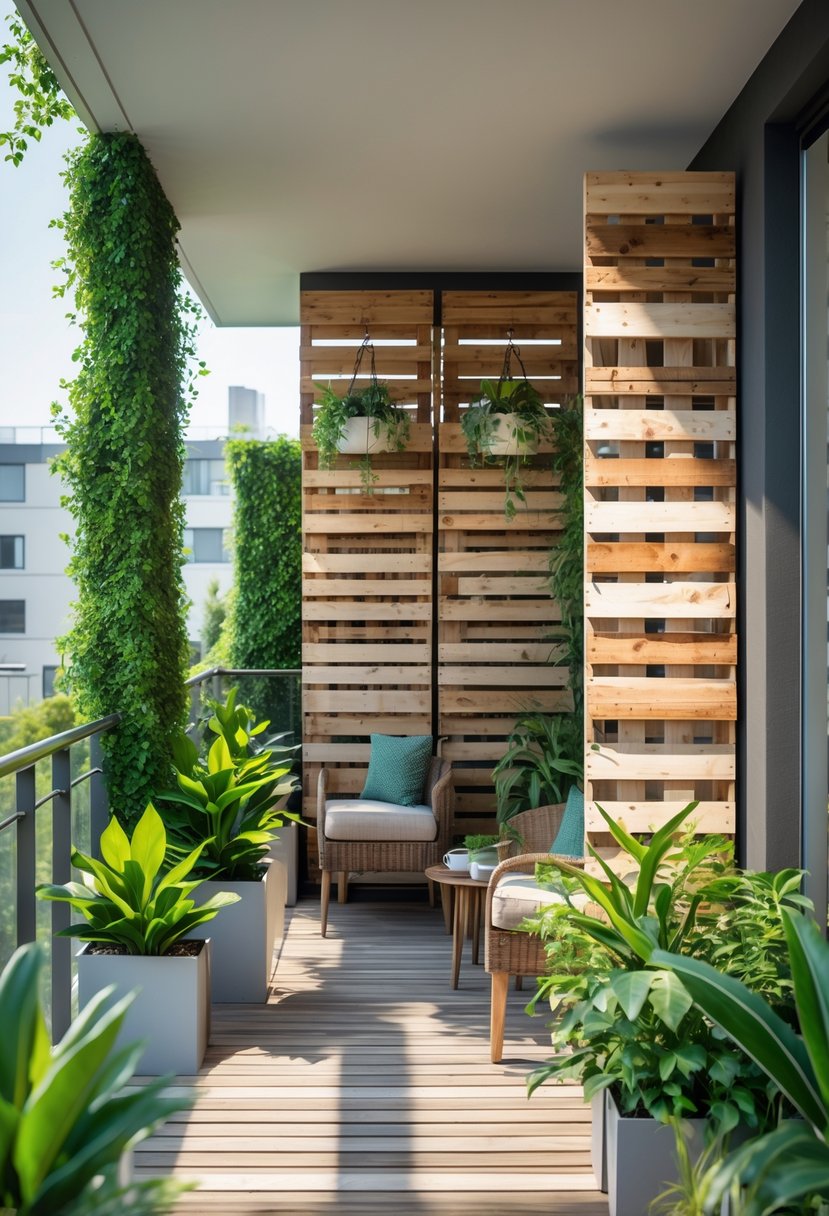
They can turn old pallets into sturdy privacy screens that block sightlines and add texture. A few boards removed and sanded give a simple slatted look that still lets air pass through.
They are inexpensive and eco-friendly when sourced locally. He or she should seal the wood against weather and check for nails before building.
They can be freestanding or attached to the balcony railing. Paint or stain hides imperfections and matches the space.
9) Vertical garden walls with dense foliage
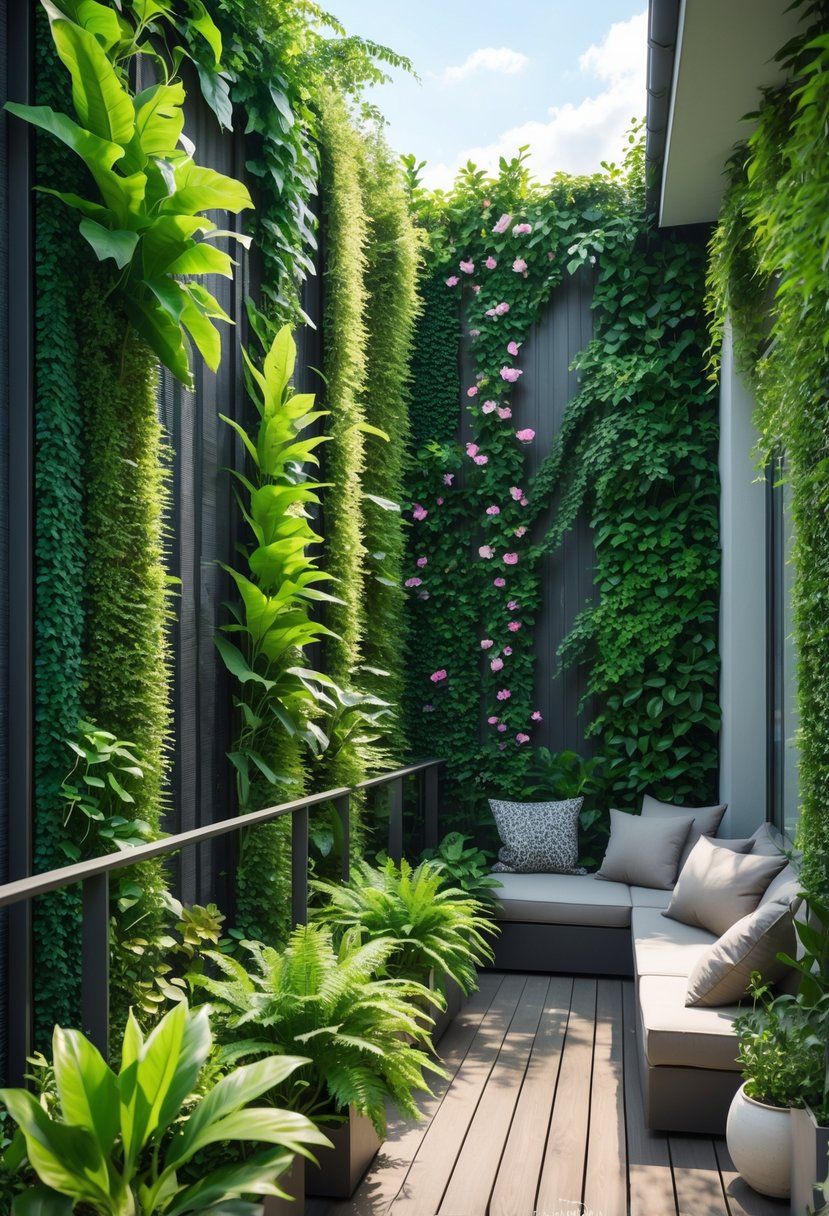
They install vertical garden panels to block sightlines and add green texture. Dense foliage like ferns, ivy, and climbing plants create a living screen that grows fuller over time.
The plants absorb sound and soften wind, making the balcony feel more private and calm. Regular watering and occasional pruning keep the wall healthy and neat.
10) Outdoor folding screens with geometric patterns
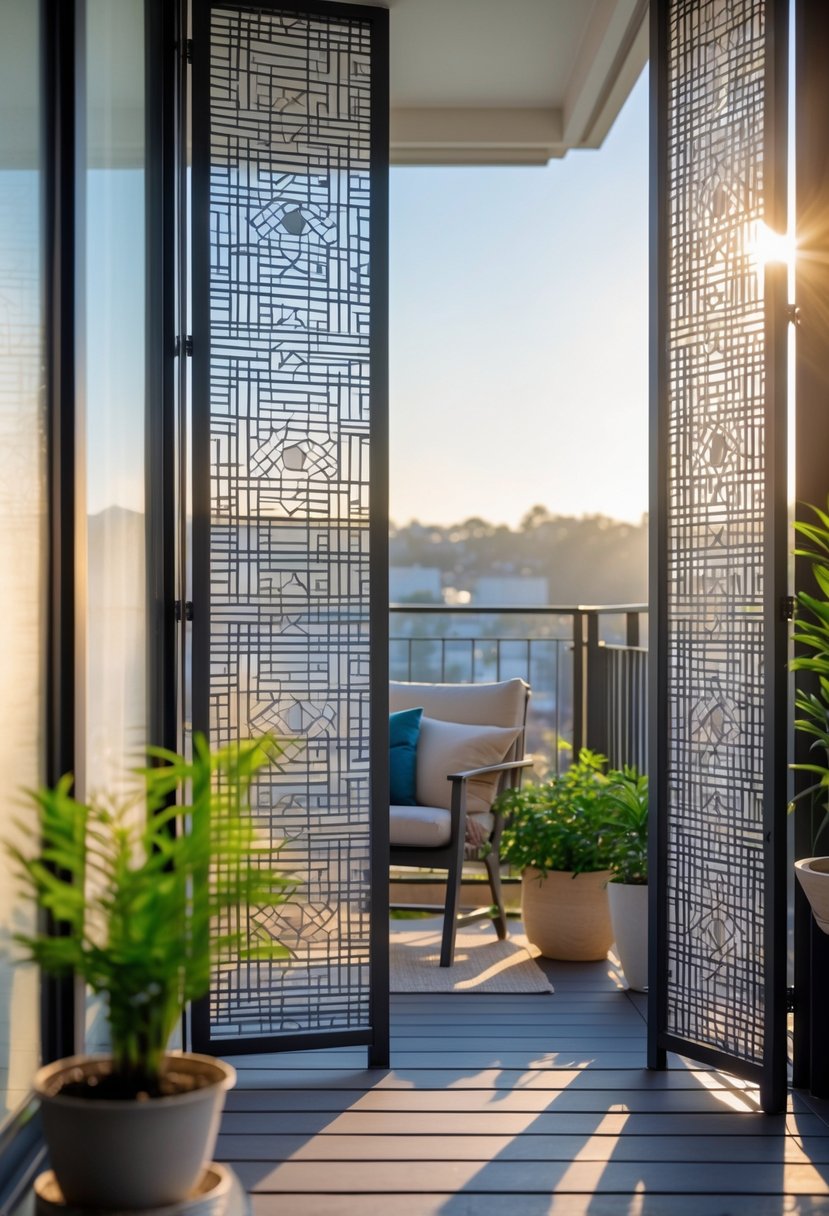
They add instant privacy and style to a balcony. The folding panels can stand alone or join to form a corner shield.
Geometric patterns let light pass while blocking sight lines. The designs range from tight lattices to bold cutouts, which change shade and airflow.
They are easy to move and store. Lightweight frames made of metal or weatherproof wood last outdoors with minimal care.