Small Bedroom Layout Ideas: Smart Space-Saving Plans for Style and Function
This article was created in line with Trends Oraa’s research and content standards.
You can make a small bedroom feel larger and work better by using smart layout choices, smart storage, and clear zones for sleep, work, and dressing. Place the bed against the longest wall, pick slim furniture, and use vertical storage to free floor space and keep the room calm.
This post shows simple room measurements to check, safe furniture placements that save space, storage ideas that hide clutter, and décor tricks that boost openness without big spending. You’ll get real, practical tips to plan a cozy, functional small bedroom that fits your life.
Understanding Small Bedroom Dimensions
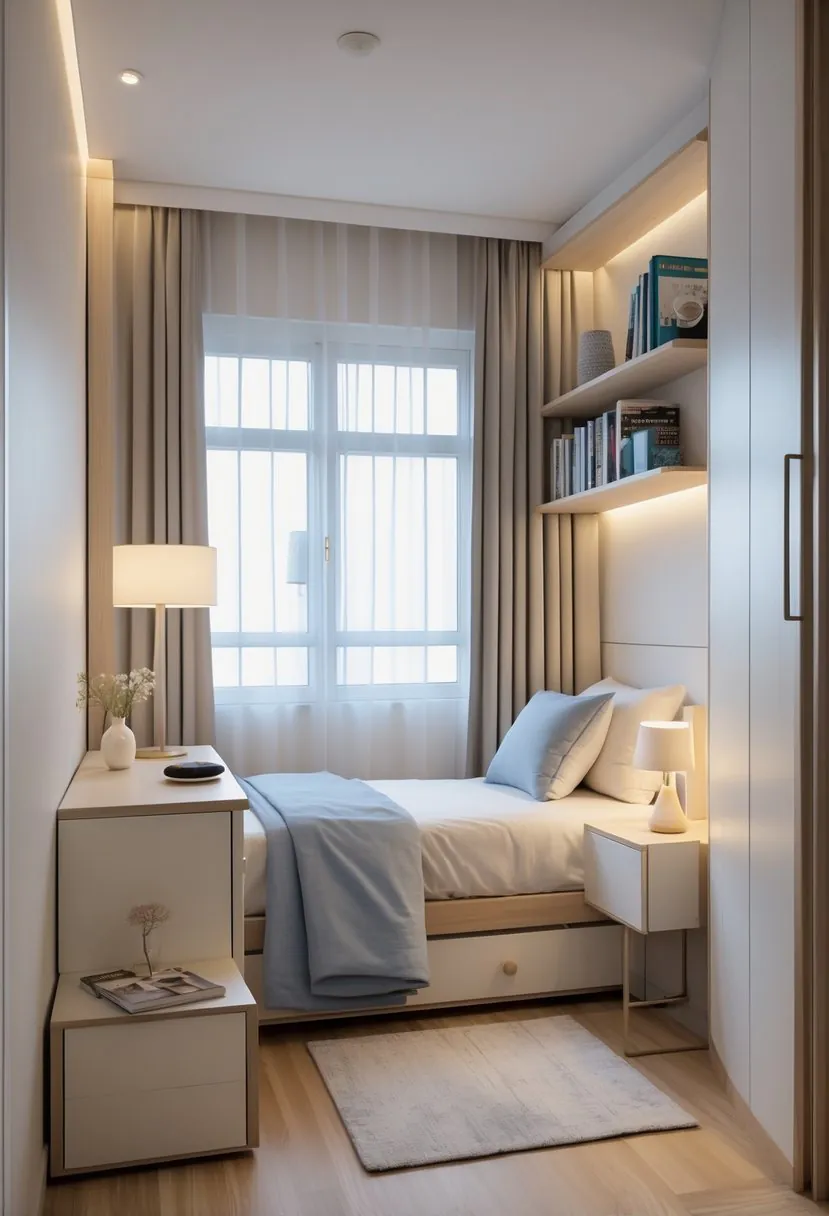
Know the exact floor size, ceiling height, and door swing before you pick furniture or plan layout. Measure carefully and note any irregularities like alcoves, sloped ceilings, or built-in storage.
Standard Small Bedroom Sizes
Most small bedrooms range from about 70 to 120 square feet. Common examples: a 7’×10′ room (70 sq ft), an 8’×10′ room (80 sq ft), and a compact 9’×12′ layout (108 sq ft). These sizes fit a twin or full bed with limited extra furniture.
Use this quick guide:
- 70–80 sq ft: fits a twin bed, narrow dresser, minimal walking space.
- 80–100 sq ft: fits a full bed, small bedside table, compact closet.
- 100–120+ sq ft: fits a full or small queen, dresser, and small desk.
Record actual measurements rather than relying on labels like “small” or “cozy.” That helps you avoid buying pieces that won’t fit.
Key Measurement Considerations
Measure length and width at floor level. Measure ceiling height from floor to lowest obstruction. Mark doors, windows, vents, radiators, and built-in cabinets on a simple sketch.
Also note door swing and clearance needs:
- Bed access: leave 24–30 inches on at least one side.
- Walkways: allow 24 inches minimum, 30–36 inches for comfortable flow.
- Drawer and closet clearance: add space for open doors or drawers.
Measure furniture before moving it in. Include mattress depth and bed frame width. Small changes in dimension can block pathways or make a room feel cramped.
Space Planning Fundamentals
Start with function: sleeping only, sleeping + workspace, or sleeping + storage. Place the bed first on the longest uninterrupted wall or under a window if clearance allows.
Use these layout tips:
- Float small beds from walls if you need access on both sides.
- Use vertical storage: shelves, tall dressers, and wall hooks save floor area.
- Choose narrow furniture: 18–22 inch desks and 14–16 inch dressers free up space.
Keep clear sight lines from the door to make the room feel larger. Sketch a to-scale plan or use a simple app to test furniture placement before you buy.
Essential Furniture Placement Strategies
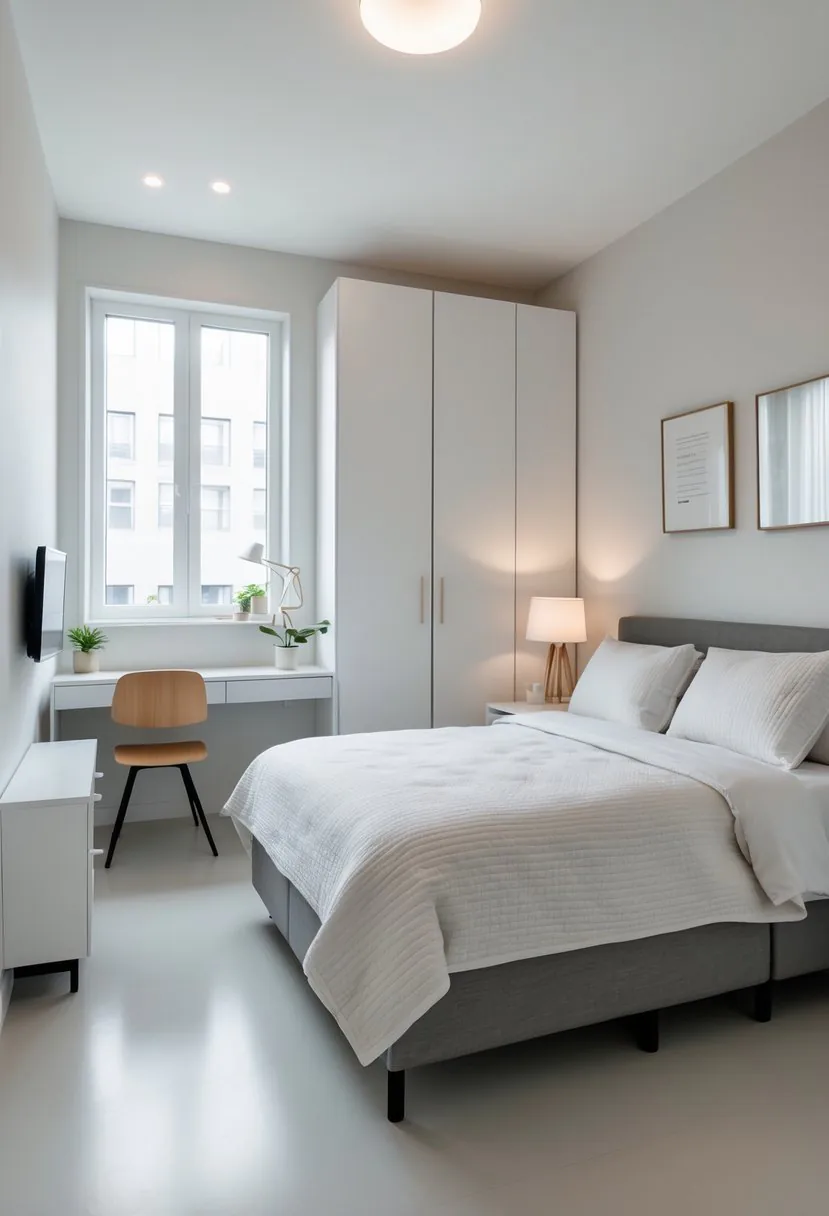
Place the biggest items first, then fit smaller pieces around them. Focus on bed position, dresser and closet access, and nightstand convenience to keep traffic clear and storage usable.
Optimizing Bed Position
Place the bed so you can walk on at least one side. If the room is very narrow, push the bed against the long wall with headboard against a solid wall; this frees floor space and makes the room feel wider. In a square room, center the bed on the wall opposite the door if possible; that gives a clear focal point and balanced flow.
Leave 24–30 inches of clearance on the primary side for easy access and opening drawers. If you must put the bed under a window, use a low-profile headboard and secure blinds so light and drafts don’t bother you. Consider a platform or storage bed to reduce the need for extra furniture.
Smart Dresser and Closet Locations
Place the dresser where drawers can open fully without blocking pathways. Situate it along a wall adjacent to the closet so clothing transfer is short and natural. If the room lacks wall space, use a tall, narrow dresser to keep footprint small while adding vertical storage.
Make sure drawer handles don’t hit doors or other furniture; measure clearance before buying. If you have a built-in closet, consider moving the dresser away from the closet doors to prevent congestion when both are open. Use the top of a dresser for daily items—tray for keys, small bowl for jewelry—to reduce clutter elsewhere.
Arranging Nightstands
Choose one nightstand if space is tight, and place it on the side you use most. Nightstands should sit 1–2 inches below mattress height for easy reach. If both sides need surface room but floor space is limited, use wall-mounted shelves or narrow floating nightstands to keep the floor clear.
Keep items on the nightstand minimal: lamp, phone, and a small alarm or book. Use drawers or a basket beneath a floating shelf for extra storage. Measure for lamp height so light is comfortable for reading without glaring into your eyes.
Maximizing Storage Solutions
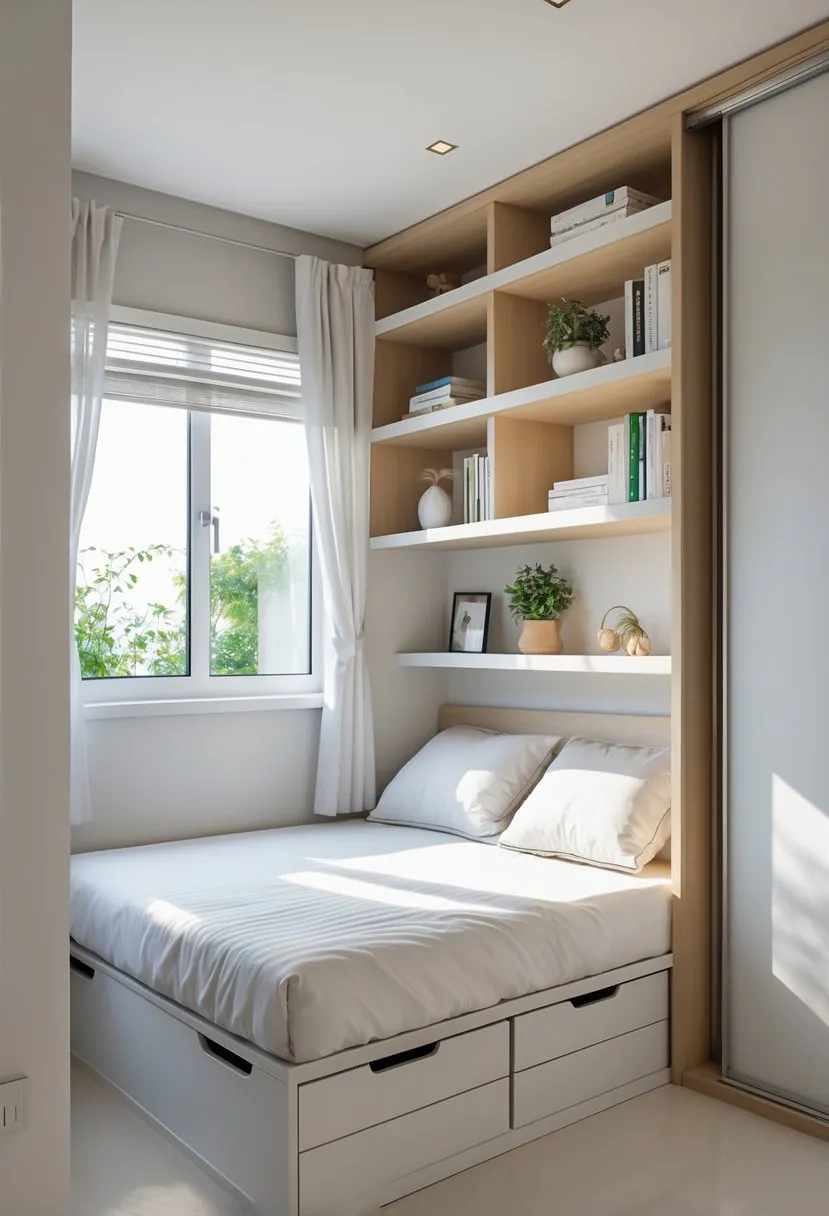
You can free floor space and keep items visible and reachable. Focus on using the area under the bed, going up the walls, and picking furniture that stores things as well as it functions.
Under-Bed Storage Options
Use low-profile rolling bins that fit under a 6–8 inch clearance bed frame for shoes, seasonal clothes, or extra bedding. Clear plastic or fabric bins with lids keep dust out and let you see contents quickly.
Try built-in drawers in a platform bed to store sweaters, linens, or toys. Drawers on glides pull out smoothly and prevent bending into awkward angles. Measure the drawer depth so bulky items like comforters will fit.
Use vacuum-seal bags for bulky duvets or winter coats; they reduce volume and stack neatly. If you prefer open access, place baskets on wheels so you can slide them out and carry them to the closet or laundry.
Vertical Shelving Ideas
Install wall-mounted shelves above the headboard or along a short wall to store books, decor, and small bins. Keep heavier items on lower shelves and lighter, decorative pieces higher up for safety.
Floor-to-ceiling shelving uses the full wall height. Combine open shelves with a few closed cabinets to hide clutter like cables, cosmetics, or workout gear. Anchor shelves to studs and use wall anchors for stability.
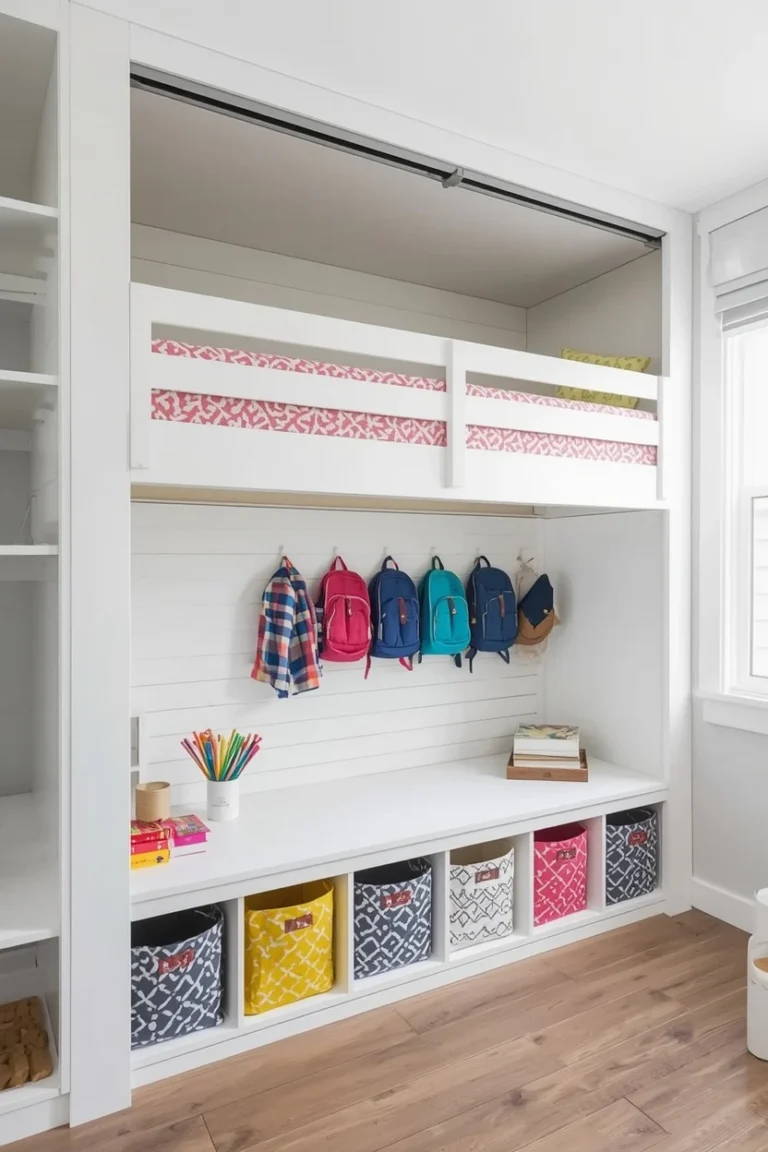
Use narrow tall bookcases in corners to store shoes in cubes, folded clothes, or storage boxes. Add hooks or pegboards beside shelves for hats, bags, or belts to keep them off the floor.
Multi-Functional Furniture Choices
Choose a storage ottoman that opens to hold blankets, board games, or out-of-season shoes. Use it as seating, a footrest, or a low table to save space.
Pick a bed with built-in drawers or a hydraulic lift mattress platform for large items like suitcases or spare bedding. These options maximize hidden storage without adding extra furniture.
Opt for a desk with shelves and drawers if you need a workspace. A slim dresser with a mirror on top can double as a vanity. Look for pieces with compartments and dividers to keep small items organized.
Visual Tricks to Enhance Spaciousness
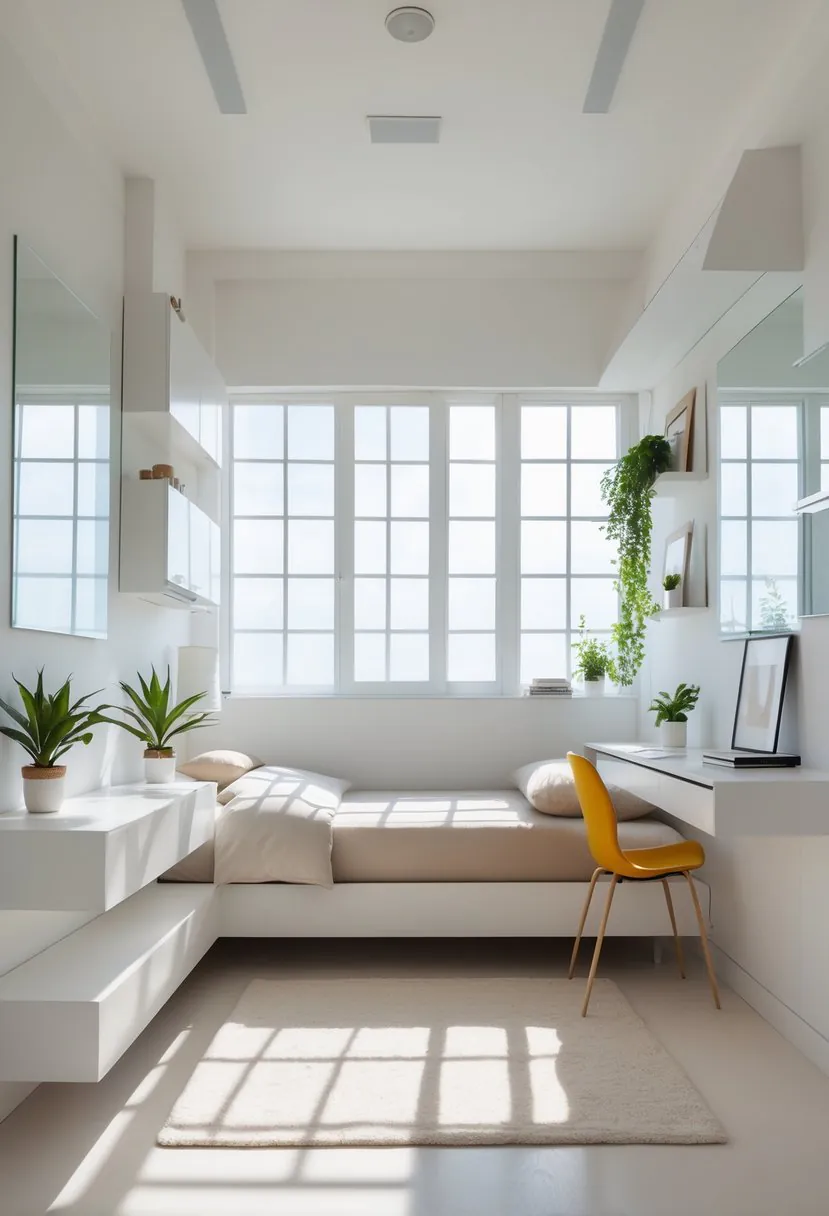
Use light colors, reflections, and layered lighting to make your bedroom feel larger. Pick a tight color palette, place mirrors to extend sightlines, and add task and ambient lights to remove dark corners.
Color Schemes for Small Bedrooms
Choose a limited palette of two to three colors so the room feels calm and continuous. Paint walls a light, warm neutral like pale beige or soft gray to reflect light. Use a single darker accent color on one wall or in textiles to add depth without breaking the flow.
Keep ceilings a shade lighter than the walls to draw your eye upward. Match trim and doors to the wall shade or make them one tone lighter for a seamless look. Use bedding and rugs in tones that repeat the wall color to create visual continuity.
Avoid busy patterns on large surfaces. If you want pattern, use it in small doses—throw pillows, a narrow runner, or wall art. This keeps the room interesting while preserving a spacious feel.
Effective Use of Mirrors
Place a large mirror opposite a window to double natural light and extend the view. A floor mirror leaned against a wall works well if you lack wall space. Ensure the mirror reflects something attractive, not clutter.
Use multiple small mirrors clustered together to create a focal point and break up a blank wall. Frameless or thin-framed mirrors keep the look light. Mount mirrors at eye level to make the room feel taller and wider.
Avoid hanging mirrors too low or too high; align the center of the mirror with average eye height (about 57–60 inches). Clean mirrors regularly so they reflect light clearly and don’t make the room look dim.
Lighting Enhancements
Layer three types of light: ambient (overhead), task (reading or dressing), and accent (art or shelves). Use a flush or semi-flush ceiling light to save vertical space. Add wall sconces by the bed instead of table lamps to free up nightstand surface.
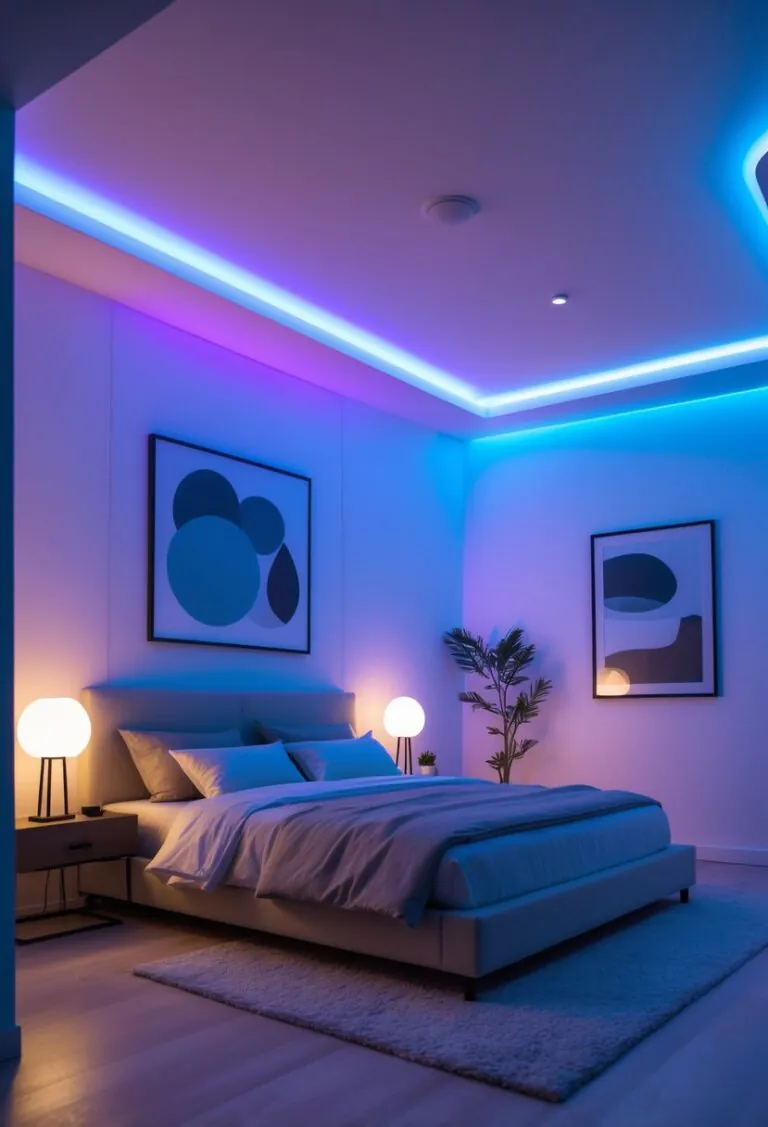
Choose warm white bulbs (2700–3000K) for a cozy feel that still reads as bright. Use dimmers on main lights so you can change mood and perceived space. Place LED strip lighting under shelves or behind headboards to create soft depth without glare.
Avoid single, harsh overhead lights that cast deep shadows. Instead, add a mirror to bounce light and a floor lamp in a corner to lift darkness. Small, strategic lights make the room look larger than it is.
Zoning and Creating Distinct Areas
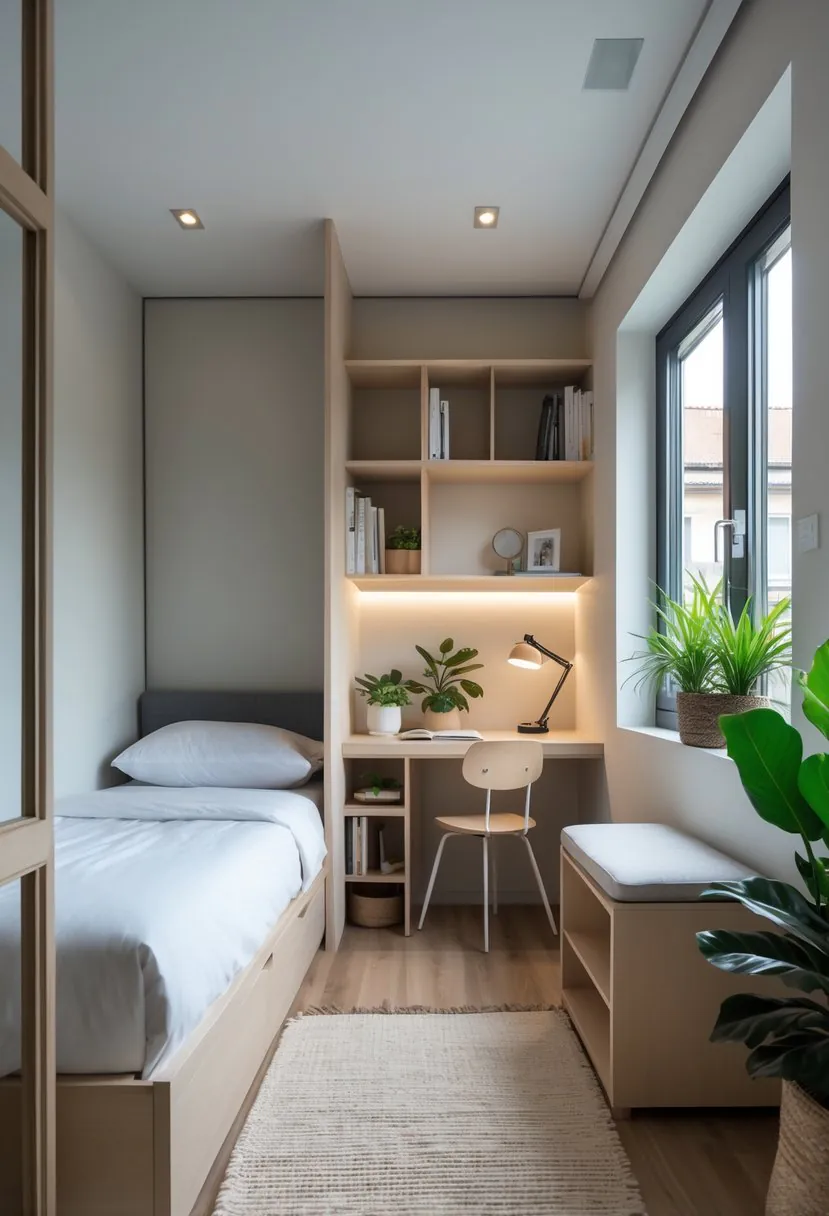
Use furniture, rugs, lighting, and paint to make clear zones for sleeping, working, and dressing. Pick one focal point for each area and keep pathways clear so the room feels organized and larger.
Dividing Spaces Effectively
Place a narrow bookshelf or low dresser between the bed and other zones to mark boundaries without blocking light. Use an open shelf so both sides get storage and air flow.
Rugs work well: choose a rug under the bed and a different rug for a sitting or dressing area. The contrast defines each space without permanent changes.
Hang a curtain or room divider if you need privacy for a workspace or changing nook. Pick a light-colored fabric to keep the room bright.
Use different wall colors or a strip of paint behind the bed to create a visual boundary. Keep the palette cohesive so the room still reads as one space.
Small Workspace Integration
Choose a slim desk or wall-mounted fold-down table that fits a 24–30 inch depth to save floor space. Position it near a window for daylight and to reduce the need for strong overhead lighting.
Mount shelves above the desk for books and supplies; keep the desktop clear except for essentials like a laptop and a lamp. Use baskets or labeled boxes to hide clutter.
If you need more privacy, place the desk against a wall and add a floor lamp behind you to create a small visual separation. A tall plant or narrow screen beside the desk can soften the edge without crowding the room.
Consider a desk that doubles as a vanity. Add a small mirror and portable organizer so the same area serves two purposes.
Decor and Accessory Approaches
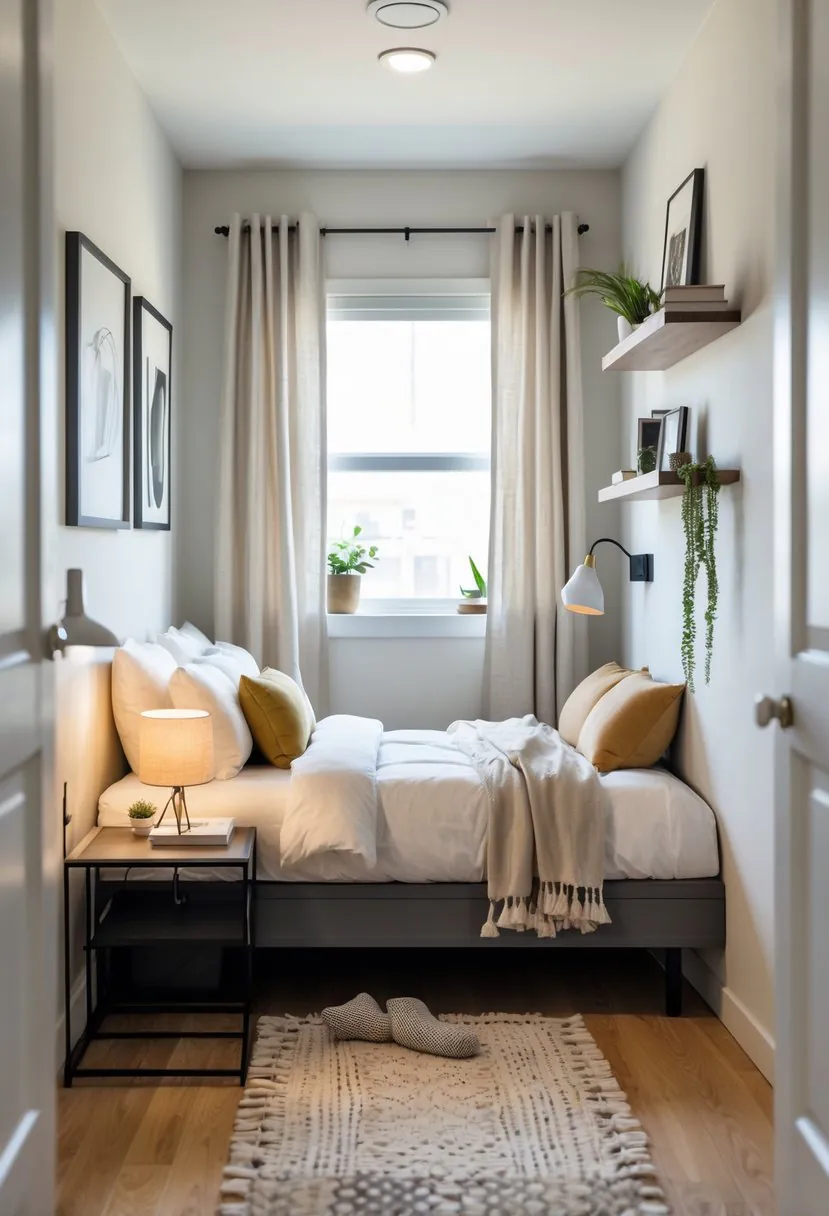
Keep decor simple and purposeful. Choose items that add function or clear visual change, like a lamp that also frees up nightstand space or a slim shelf that holds books and plants.
Minimalist Decor Principles
Use only what you need. Pick a neutral color palette (white, beige, soft gray) and add one accent color through pillows or a throw. This keeps the room calm and makes it feel larger.
Choose furniture with thin legs and open space underneath. A bed frame with clearance lets you store bins out of sight. Limit nightstand items to a lamp, clock, and one personal item.
Prioritize multiuse pieces. Try a mirror that doubles as a wall shelf, or a bench with hidden storage. Keep surfaces clear; rotate decor seasonally so clutter doesn’t build up.
Wall Art and Accent Pieces
Place one large artwork above the bed instead of many small frames. A single wide piece creates a focal point without crowding the wall. Use a light-colored mat to keep the art from overwhelming the space.
Add mirrors to reflect light. A full-length mirror on a closet door or leaning mirror near a window increases brightness and depth. Use slim frames to avoid visual weight.
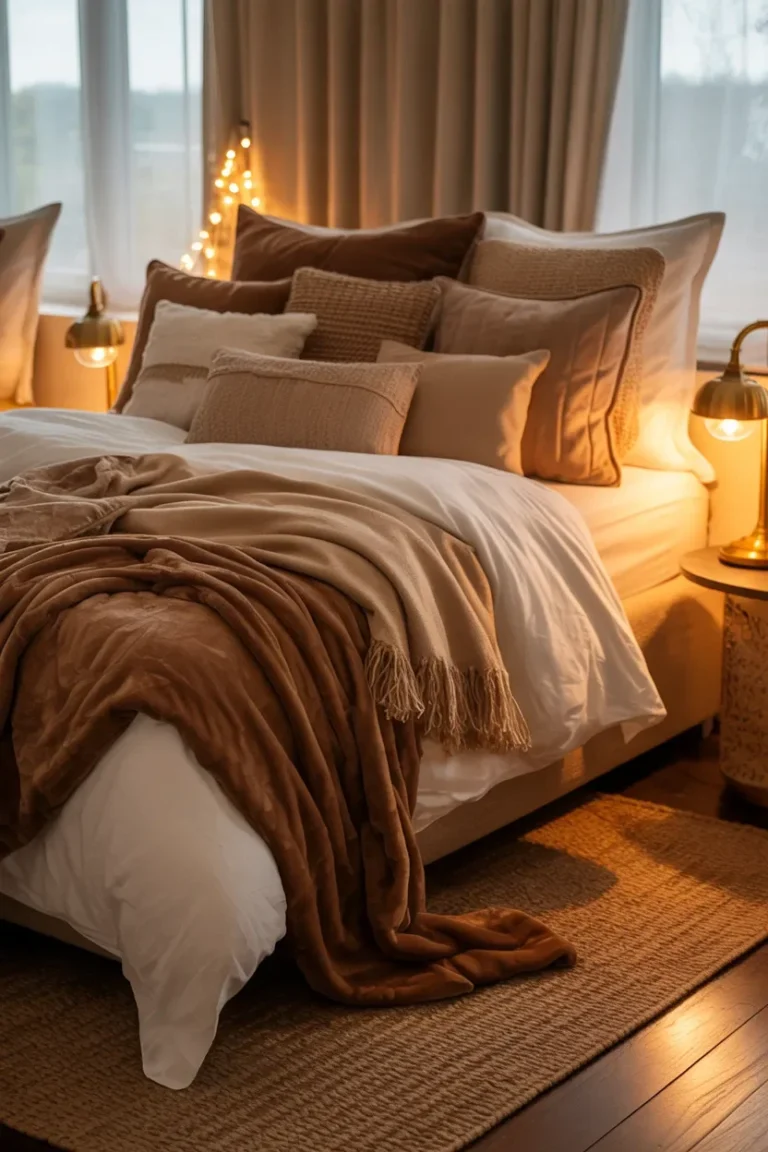
Choose accents that add texture: a woven rug, linen curtains, or a knitted throw. Limit patterned items to one or two spots. Anchor the room by repeating one color in small accents like a vase, cushion, and lamp.
Common Small Bedroom Layout Mistakes
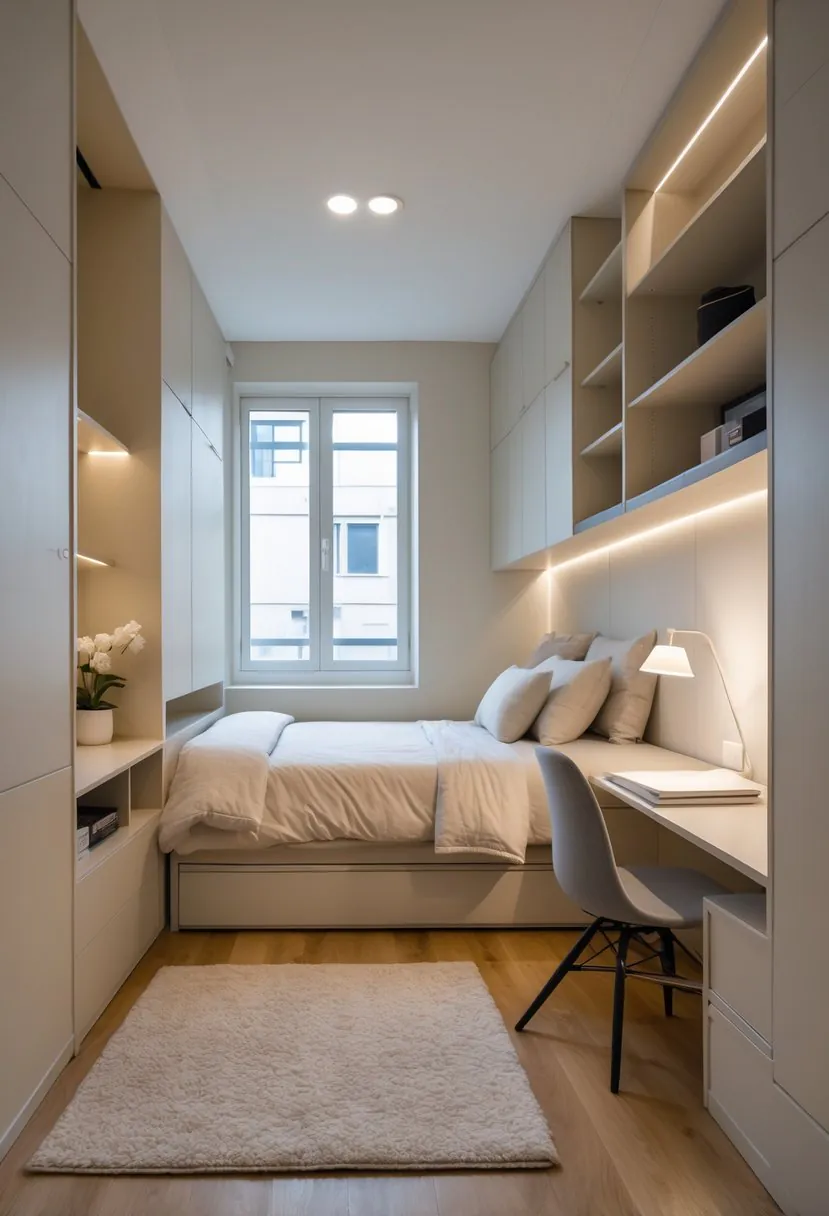
You often make a few repeating errors that shrink space and block flow. Fixing these will give you more room to move and use your storage better.
Overcrowding Furniture
You may cram too many large pieces into the room. A king bed, two armchairs, a dresser, and a bulky nightstand leave little floor space. Measure your bed and key pieces, then choose a smaller scale or just one extra item like a slim chair.
Placing furniture against every wall can block pathways. Keep at least 24–30 inches of clear walk space around the bed and main door. Use one focal piece and remove duplicates that serve the same function.
Avoid pieces with thick legs and heavy profiles. Swap heavy nightstands for wall-mounted shelves or a narrow table. Choose storage that doubles as seating, such as a storage bench at the foot of the bed.
Neglecting Vertical Space
You might ignore wall and high-up storage, wasting usable volume above 3 feet off the floor. Install shelves up high for items you use rarely, and consider tall, narrow wardrobes instead of short, wide dressers.
Don’t leave walls blank if floor storage is full. Use hooks, pegboards, and hanging organizers for bags, hats, and jewelry. Mount lighting and bedside shelves to free floor space and reduce clutter.
Use the area above the closet or door for bins. Keep frequently used items at eye level and store seasonal items higher. This keeps your floor clear and makes the room feel taller.
Adapting Layouts for Unique Needs
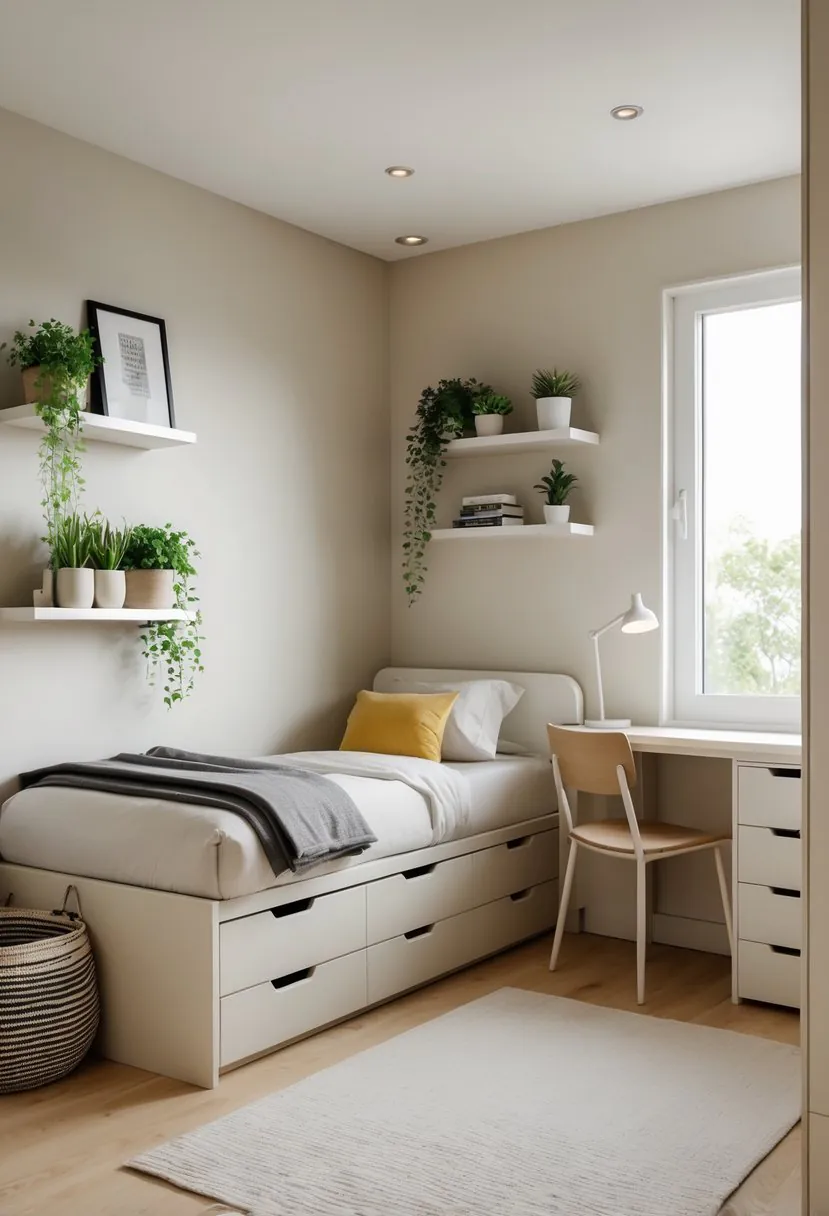
You can change furniture and storage to fit guests, kids, or roommates. Choose pieces that serve two jobs and place them so the room feels open and useful.
Guest Room Adaptations
Pick a bed that frees floor space when not used. A wall bed or a daybed with a trundle gives sleeping space without a permanent mattress taking up the center. Keep the bed near a wall to open walking paths.
Add storage that doubles as a surface. A chest at the foot of the bed can hold linens and act as a bench. Floating shelves above the bed keep books and a lamp without crowding the floor.
Provide simple extras guests need. Keep a small luggage rack, a hook for clothes, and an outlet-accessible bedside lamp. Use neutral bedding and a folded throw so the room feels tidy and ready.
Layouts for Shared Bedrooms
Divide the room using low shelving or a curtain to define personal zones. Place beds on opposite walls or in an L-shape to give each person a clear area. Keep a clear central path at least 2.5 feet wide.
Give each person dedicated storage. Use labeled bins under beds, narrow dressers, and wall hooks at different heights. Shared items can live in a central unit with baskets to avoid clutter.
Plan lighting and surfaces for two. Mount individual reading lights and provide at least one small desk or shared table with task lighting. Keep the room balanced so both people have equal access to outlets and storage.
Final Tips for a Comfortable Small Bedroom
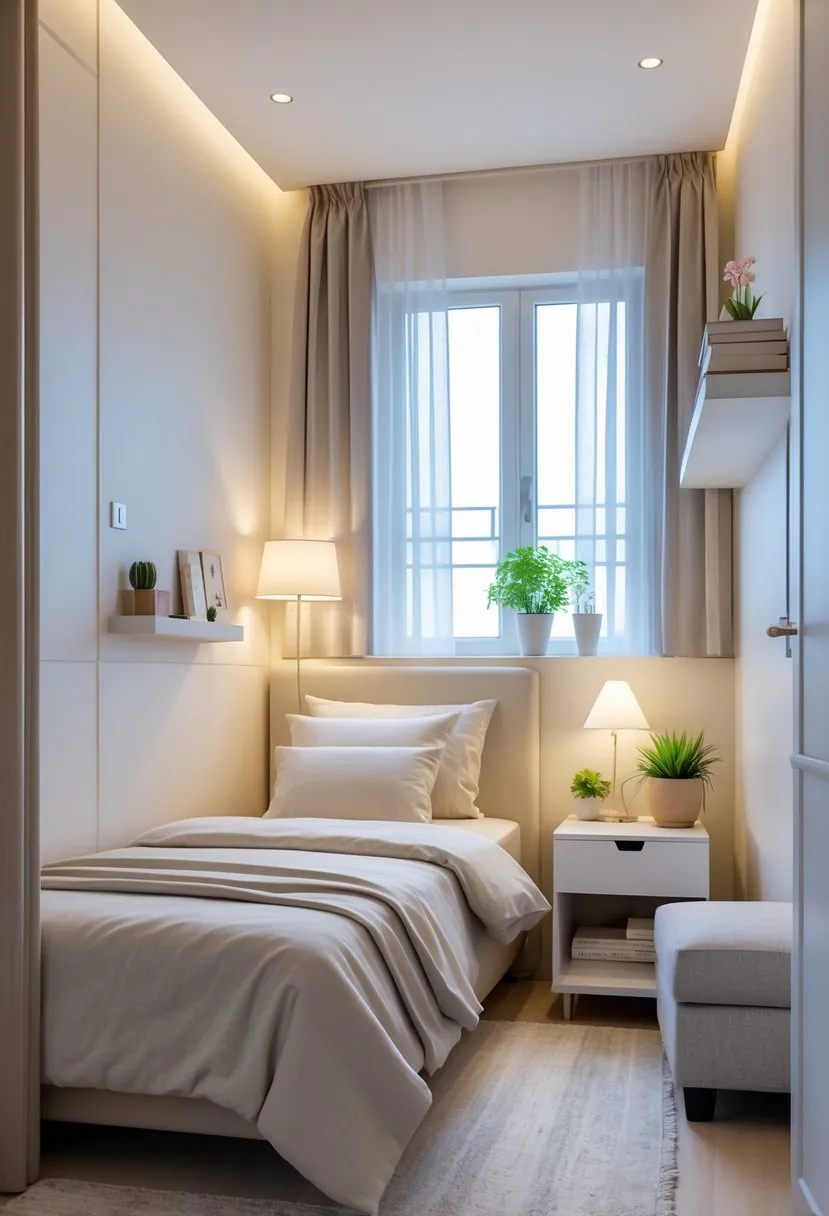
Keep the layout simple. Choose one focal piece, like the bed, and arrange other items around it to keep flow and space clear.
Use light colors and soft lighting. Paint, bedding, and lamps that reflect light make the room feel larger and more restful.
Prioritize storage that hides clutter. Under-bed drawers, wall shelves, and multi-use furniture free floor space and make the room feel calm.
Pick the right bed size. A slightly smaller bed can give you more walking space without hurting comfort. Try different layouts before buying.
Balance function and style. Choose a few decor items you love and keep the rest minimal. This keeps the room personal without crowding it.
Keep daily items within reach. A small nightstand or wall shelf near the bed makes routines easier and reduces clutter buildup.
Maintain good air flow and temperature. A fan or small heater and an open window when possible improve sleep quality and comfort.
Use mirrors wisely. One well-placed mirror boosts light and depth without adding clutter.
Create zones for sleep and dressing if space allows. Even a small visual separation, like a rug or low shelf, helps your brain switch to rest mode.