Small Bedroom Layout Mistakes That Make Your Space Feel Smaller
This article was created in line with Trends Oraa’s research and content standards.
You probably feel your small bedroom layout closes in on you, even when it has all the right furniture. Many layout mistakes make a room look and feel smaller: wrong bed placement, crowded storage, poor lighting, and visual clutter. Fixing a few simple layout choices can instantly make your room feel larger and more comfortable.
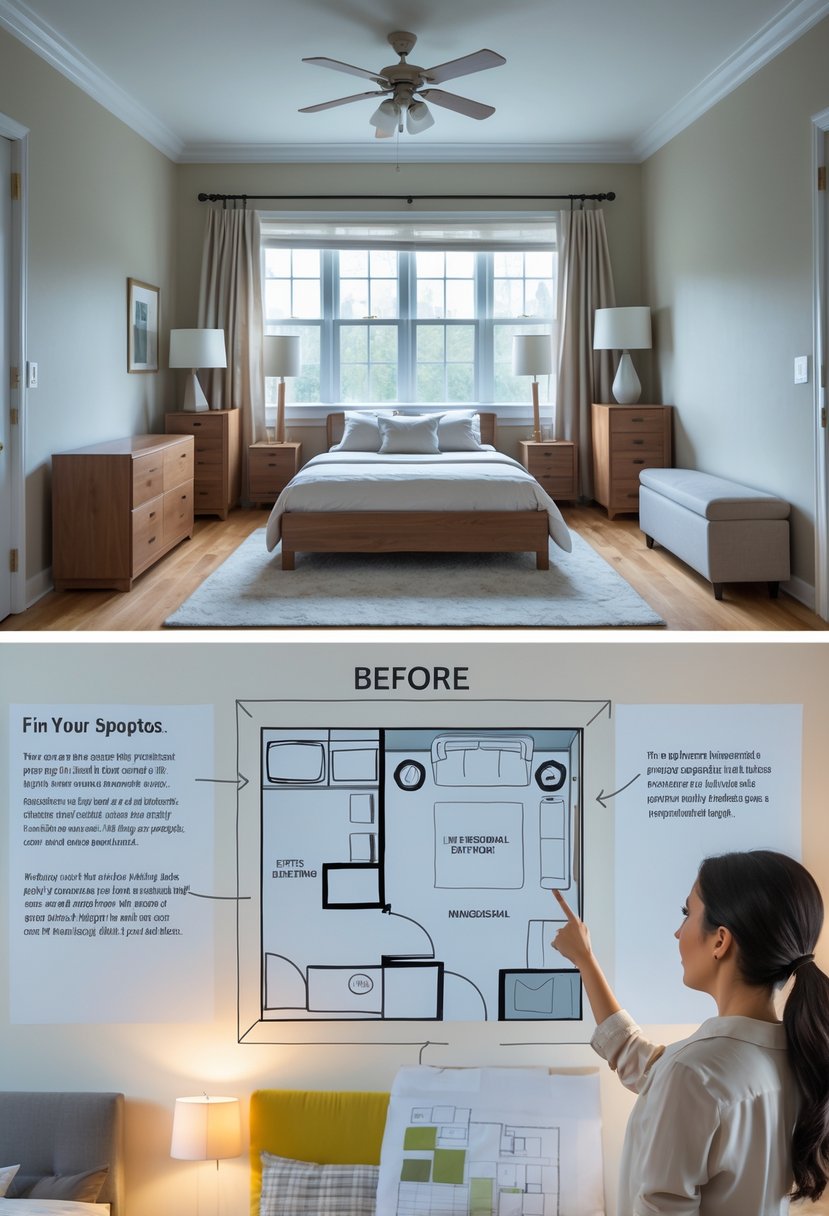
This article shows the common layout errors that shrink space and the straightforward designer fixes that work. You’ll learn how to rearrange, choose better storage, and use light and color to open up your bedroom without losing comfort or function.
Common Small Bedroom Layout Mistakes
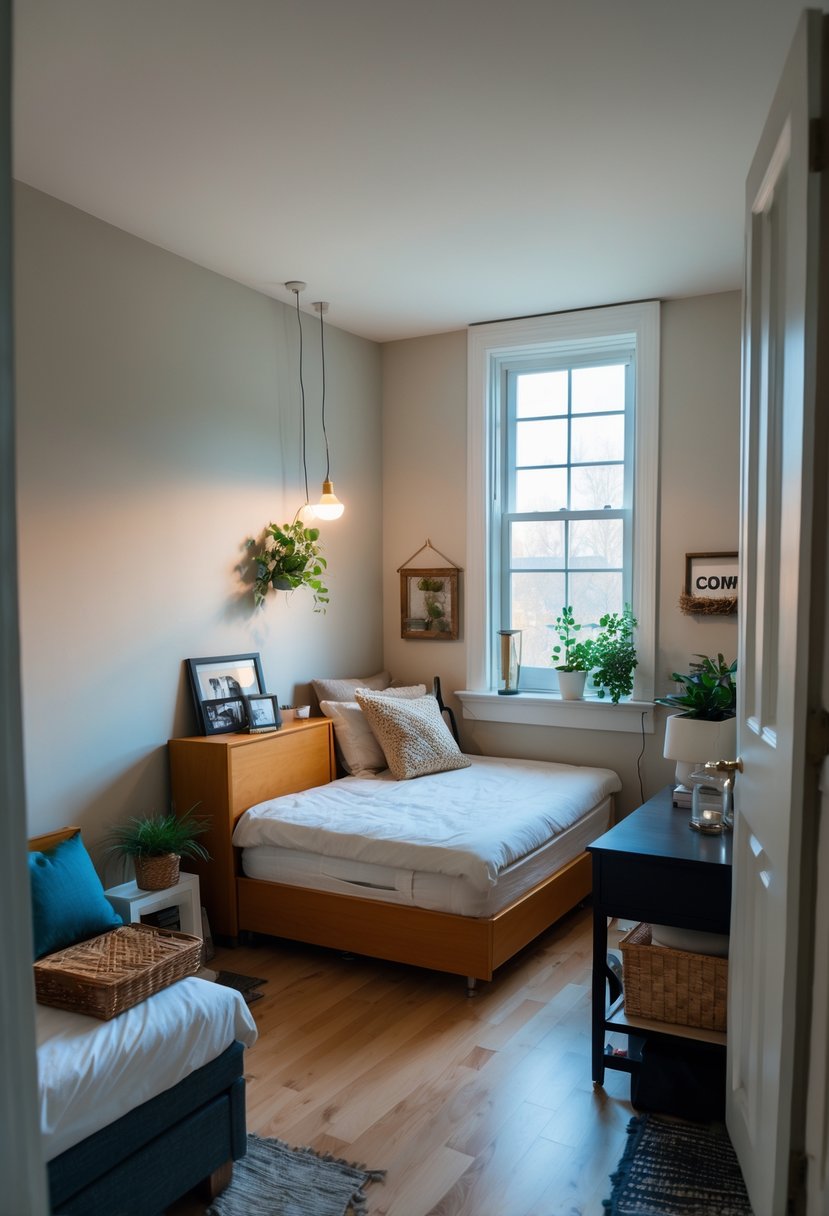
Small bedrooms often feel cramped because of a few repeatable layout errors. Fixing placement, scale, and pathways lets light and movement work for you.
Pushing All Furniture Against Walls
Putting every piece of furniture flat against the walls can backfire. It leaves a large open center that feels awkward and breaks natural sightlines. Your bed pushed to a corner or a dresser jammed along a long wall makes the room look like a staged showroom instead of a lived-in space.
Try floating the bed or angling it so you create a small sitting area or a clear circulation path. Use narrow bedside tables and mount lights to free floor space. Even moving one piece a few inches away from the wall creates depth and gives your eyes places to rest.
Overcrowding With Oversized Furniture
Oversized beds, bulky dressers, and large armchairs dominate sightlines in a small room. They reduce usable floor space and make walking routes feel tight. You can end up with furniture that fits the room’s footprint but not the room’s scale.
Choose a smaller bed frame or a platform bed with low rails. Swap a five-drawer dresser for a tall, narrow chest. Pick chairs with open legs or slim profiles to keep sightlines clear. Measure door swings and drawer clearance before you buy so pieces don’t block movement.
Neglecting Pathways for Flow
Ignoring clear pathways creates friction every time you move around the room. A path blocked by a nightstand or a closet that can’t open fully creates daily frustration. You might have to squeeze past furniture or take longer routes to get to the door or bathroom.
Aim for at least 24–30 inches of clear walking space along main routes. Place key pieces so you can open drawers and doors fully. Use rugs to define paths visually and keep furniture grouped to free up continuous walking areas.
Visual Errors That Shrink Space
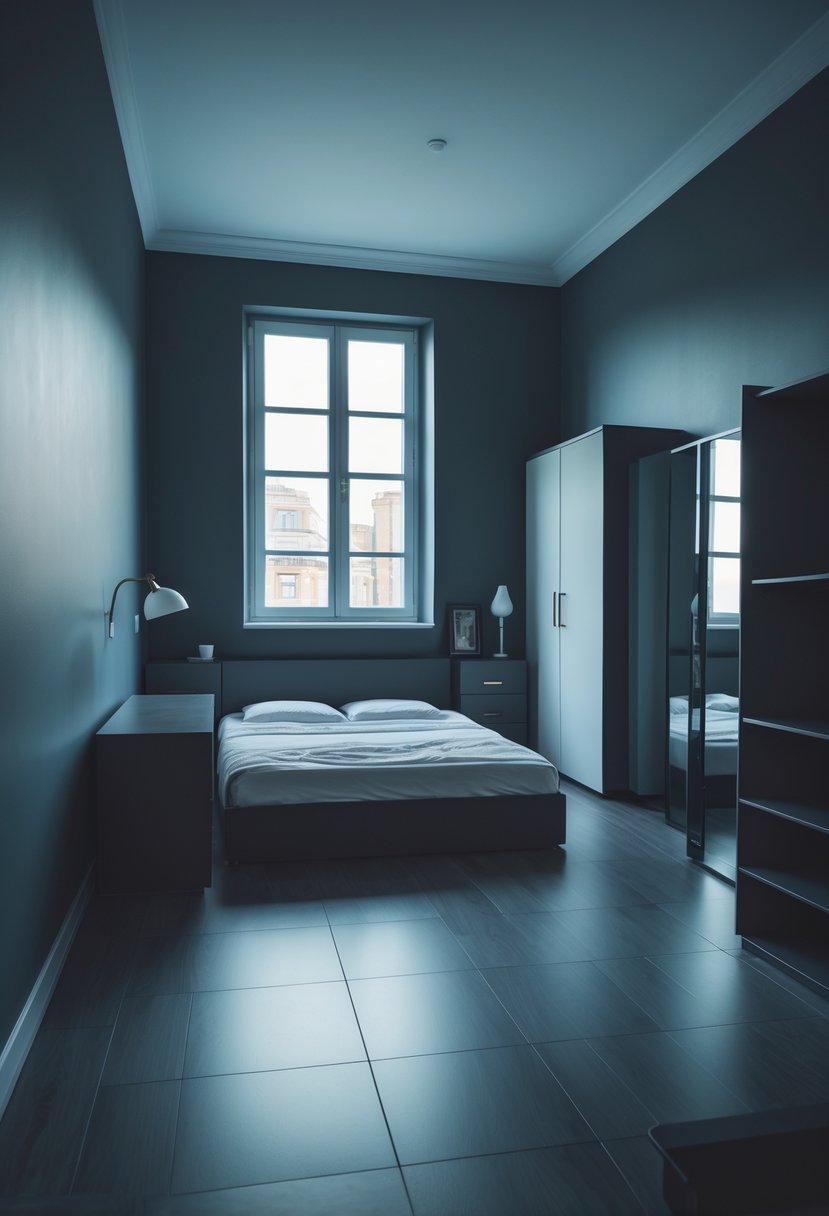
Small choices in furniture, color, and mirror placement can make a room feel tighter than it is. Fixing those three visual errors frees up perceived space and improves flow.
Cluttered or Bulky Decor Choices
Large, heavy furniture eats visual space. A tall, overstuffed armchair or a deep dresser next to the bed blocks sightlines and makes the room feel boxed in. Choose lower-profile pieces, like a narrow dresser or a bed with a low headboard, to keep sightlines open.
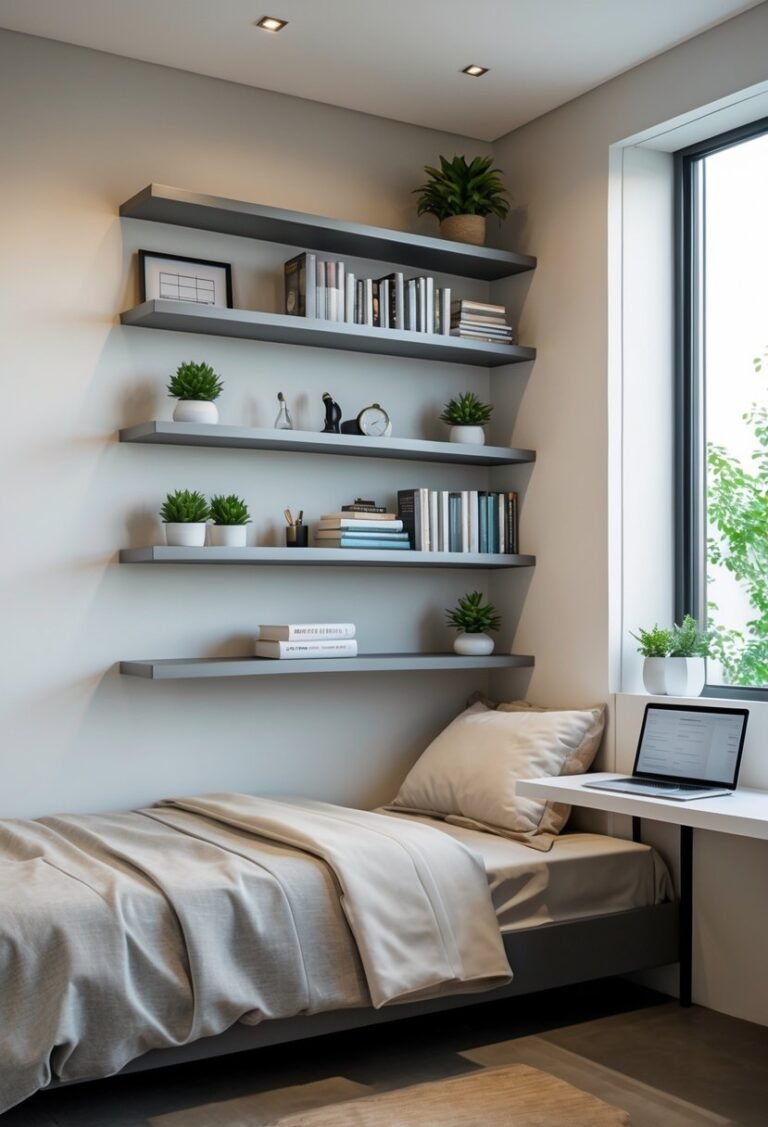
Too many accessories crowd the room. Limit tabletop items to two or three essentials and use vertical storage—floating shelves or wall hooks—to move things off the floor. Pick slim, multiuse furniture such as a bedside table with drawers or a bench that stores linens.
Scale matters: measure the room and use a simple floor plan before buying. Keep larger pieces against the walls and leave a clear path around the bed for easier movement and a lighter look.
Poor Use of Color and Pattern
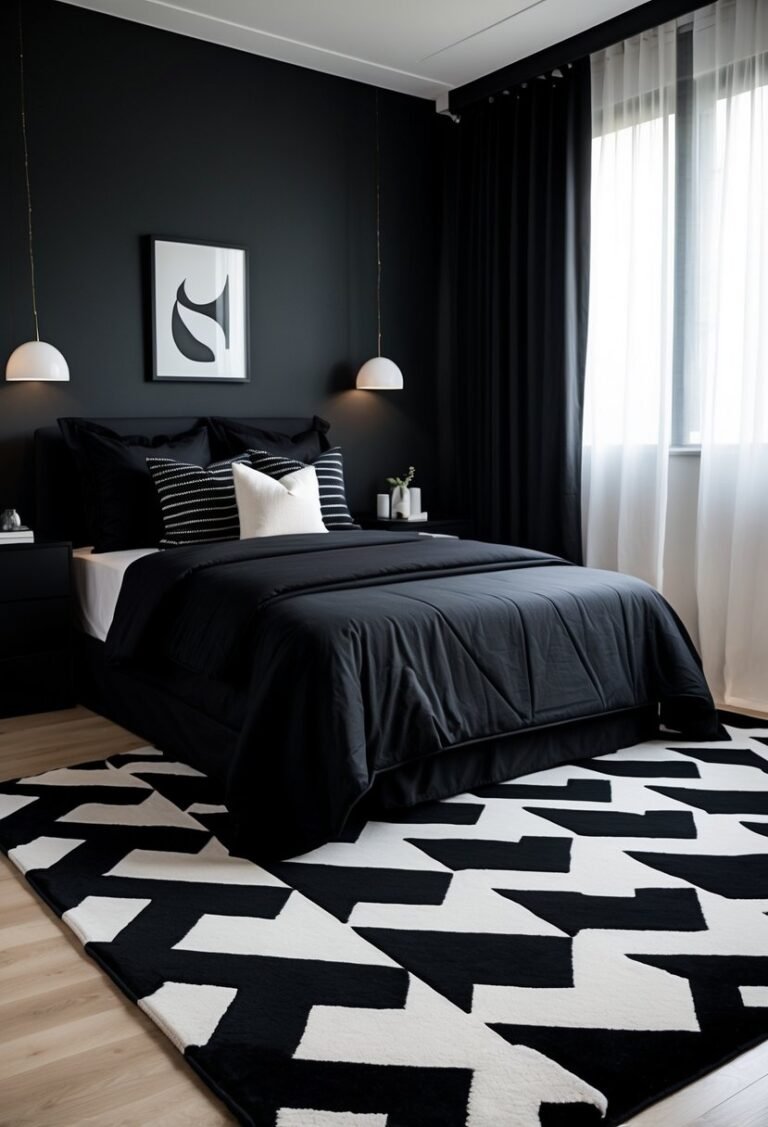
Dark, heavy patterns close the room in visually. Use light, cool colors on walls and ceilings to reflect light and make the space feel higher and wider. Paint the ceiling a shade lighter than the walls to add height without a big design change.
Overly busy prints on bedding or curtains create visual noise that shrinks the space. Stick to one bold pattern maximum and balance it with solids in coordinating tones. Use vertical stripes on curtains or a tall headboard to draw the eye up, and horizontal accents on a rug to widen the room subtly.
Keep similar tones across furniture and textiles to create a unified look. A consistent palette reduces visual breaks, so the room reads as one continuous space rather than many crowded pieces.
Improper Mirror Placement
Small mirrors or awkward angles do little to expand the room. Place a large mirror opposite or adjacent to a window to reflect daylight and visually double the view. Aim for a mirror that fills a wall section or hangs over a console to create depth.
Low-placed mirrors cut the vertical space. Mount mirrors at eye level or slightly higher so they reflect more of the room and ceiling, which increases perceived height. Avoid tiny decorative mirrors scattered around; they fragment the reflection and fail to open the room.
Framed mirrors with thin, light-colored frames work best. Heavy, dark frames add visual weight and can undo the expanding effect you want.
Storage Solutions That Backfire
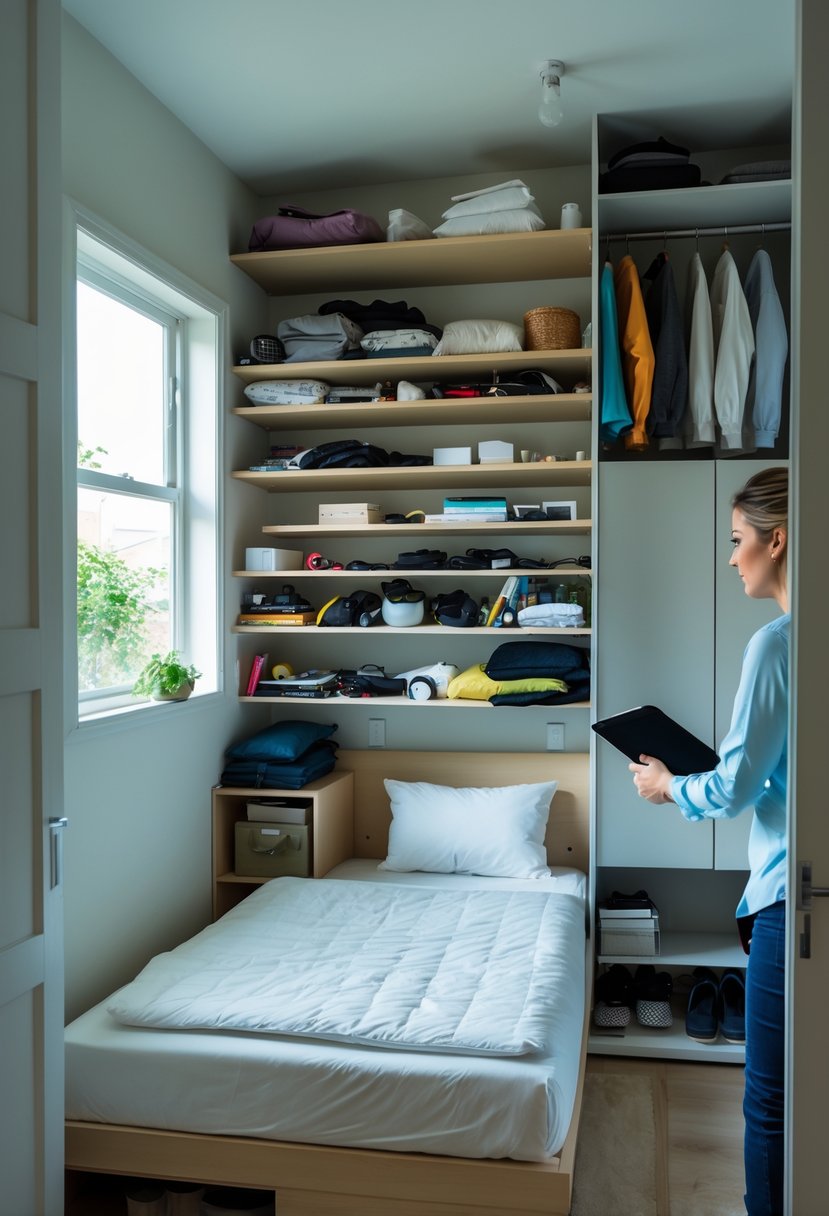
Small mistakes in storage can eat space, add clutter, and make the room feel crowded. Use choices that hide items, fit your layout, and make every inch work.
Relying on Open Storage
Open shelves and wire racks look airy at first, but they force you to keep everything perfectly tidy. Dust, mismatched items, and visible cords create visual noise that shrinks the room. If you use open storage, group items by color or type and store small things in matching bins to reduce clutter.
Open storage also limits what you can keep. Bulky clothing, spare bedding, and irregular boxes look messy on open shelves. Swap lower open shelves for drawers or baskets so you can hide bulkier items and keep surfaces clean.
Use open storage only for items you actually use every day, like a few books or a plant. For everything else, choose closed cabinets, under-bed drawers, or a low-profile dresser to keep the visual field simple and calm.
Ignoring Vertical Space
Putting everything at eye level wastes height and crowding occurs on the floor. Empty wall space above doors, beds, and desks is valuable for storage. Install shallow wall-mounted cabinets or shelves high up to store seasonal items, extra linens, or boxes you rarely touch.
Ceiling-high built-ins make the room feel taller when doors and trim match the walls. Use the top shelves for items you access less than twice a month. Keep reachability in mind: add a slim step stool that tucks under a bed or in a closet.
Avoid placing tall furniture mid-wall where it blocks light and sightlines. Instead, push tall storage into corners or along a single wall to open floor space. This makes movement easier and keeps the room feeling larger.
Lighting and Window Placement Mistakes
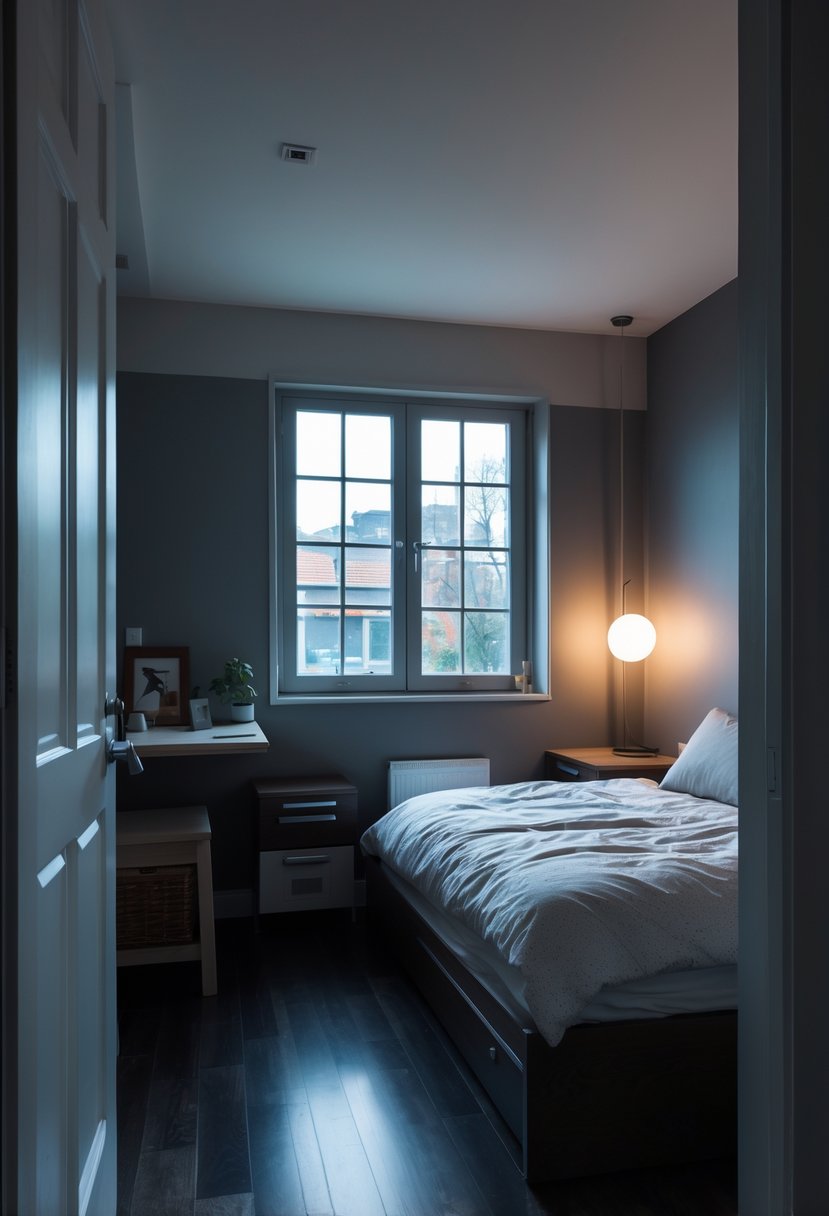
Good light and smart window choices make a small bedroom feel larger and more comfortable. Fixing blocked windows and weak lighting brightens the room and adds depth.
Blocking Natural Light
Heavy curtains, large furniture, or shelves in front of windows cut natural light and shrink your room visually. Move dressers and bookshelves away from the window wall. Mount curtains or blinds higher than the window frame to let light reach the ceiling and walls.
Choose light, sheer curtains or simple roller shades that let daylight through while keeping privacy. If you need blackout for sleep, use a layered system: a sheer layer for daytime and a blackout layer on a track that tucks close to the wall.
Keep window sills clear and use low-profile radiators or heaters if possible. Trim outside plants or branches that cast deep shadows into the room. Even small changes, like swapping a tall headboard for a lower one, can free more light and make the space feel more open.
Inadequate Layered Lighting
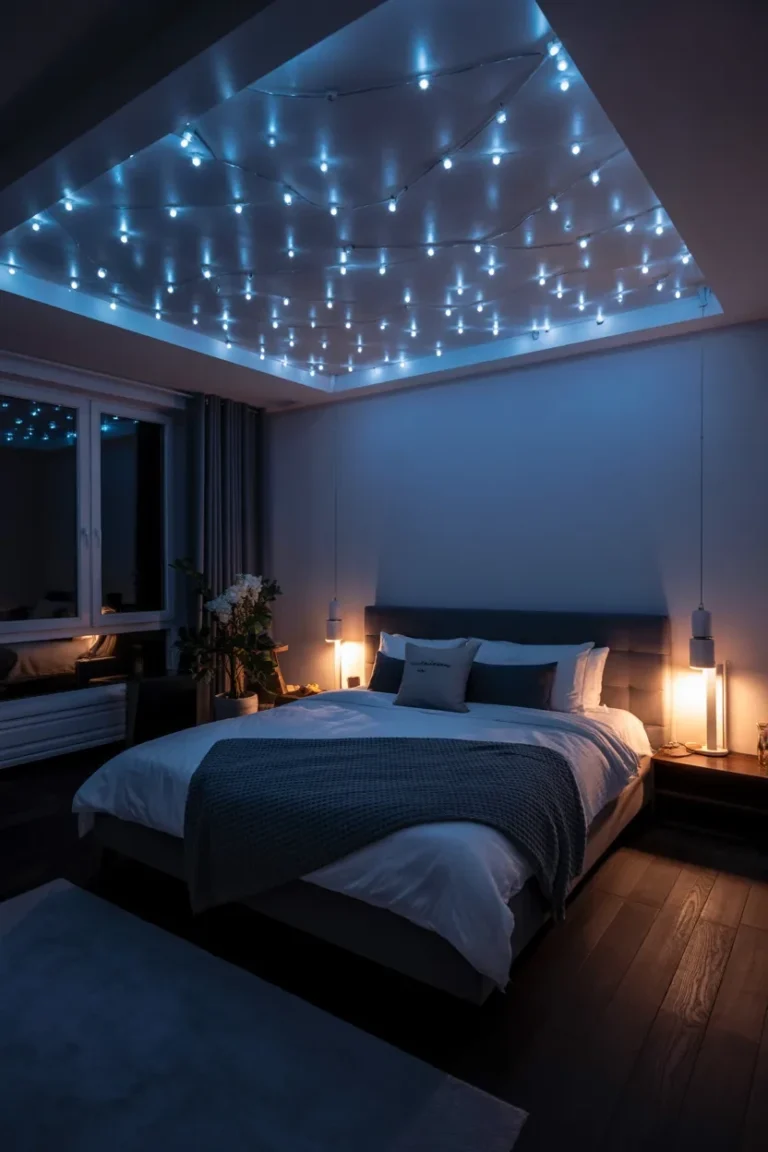
Relying on a single ceiling fixture leaves corners dark and flattens the room. Add three types of light: ambient (overhead or recessed), task (bedside lamps or wall sconces), and accent (LED strips under shelves or picture lights). This creates depth and lets you control brightness for different activities.
Place bedside sconces or pendant lights on either side of the bed to free nightstand space and provide focused reading light. Install dimmers on overhead lights to avoid harsh glare at night. Use warm white bulbs (2700–3000K) for cozy mood, and a higher CRI bulb for accurate color when dressing.
For very small rooms, use wall-mounted fixtures and slim floor lamps instead of bulky table lamps. Position accent lights to highlight a mirror or art, which reflects light and visually expands the room.
Ineffective Zone Planning
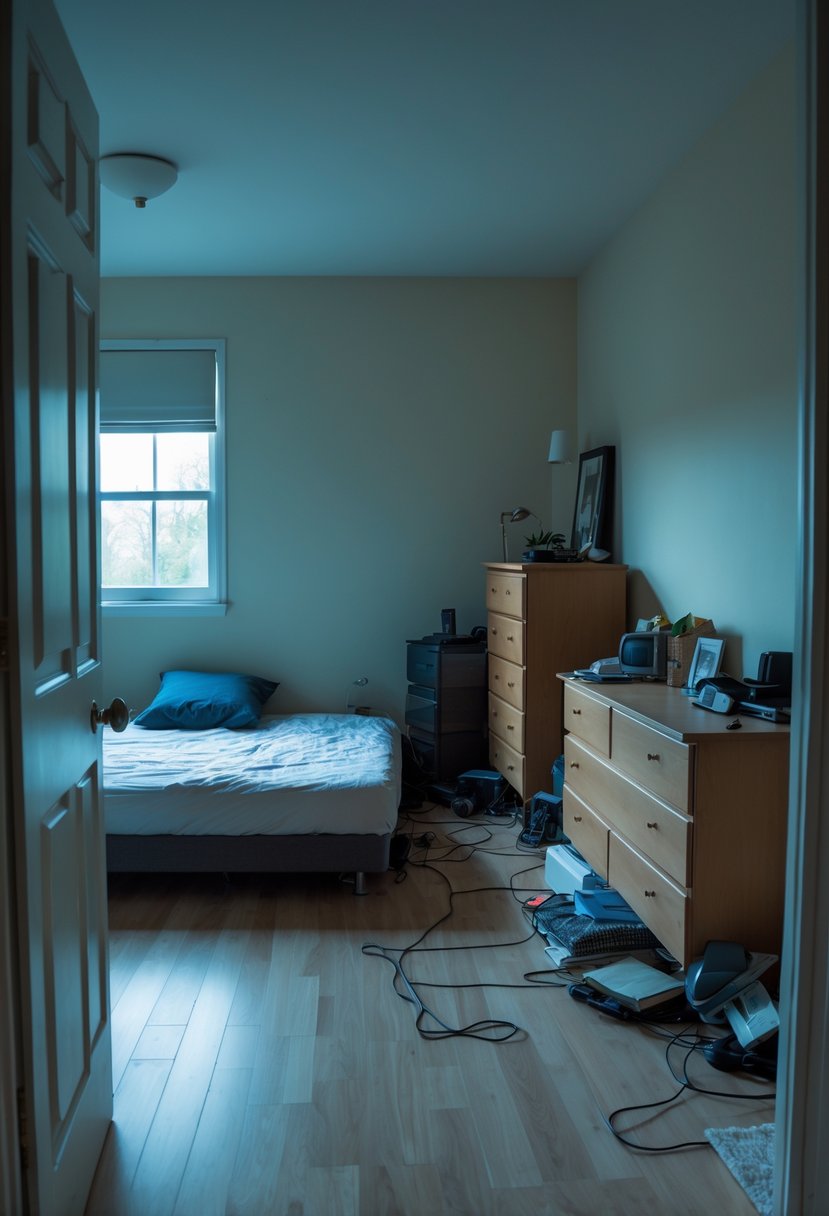
You end up with a crowded, confusing bedroom when you don’t plan how each area will be used. Small mistakes like mixing sleeping, working, and dressing zones waste space and make the room feel tight.
Failing to Separate Functions
When you put your bed, desk, and dresser in one jammed area, each function competes for space and attention. Your desk chair might block bedside access, or the dresser doors can’t open fully. This creates visual clutter and reduces usable floor space.
Fix it by assigning clear spots: place the bed against the longest uninterrupted wall, keep the desk near a window if you need light, and tuck the dresser into a niche or opposite wall. Use a small rug or a low shelf to mark the bed area. Even a narrow room divider, curtain, or open shelving unit can signal different zones without closing the space.
Awkward Furniture Arrangement
Pushing all furniture against one wall or centering pieces without thinking about flow makes movement hard. You might have only a 24–30 inch path between bed and dresser, which feels cramped and limits access to drawers and outlets.
Measure before you buy. Leave at least 30–36 inches for main walkways and 18–24 inches for secondary paths. Angle a small chair in a corner to open sightlines, choose slim-profile nightstands, and mount lighting to free surface space. Think about how you move at night and during morning routines, then place furniture to support those routes.
How Designers Fix Small Bedroom Layouts
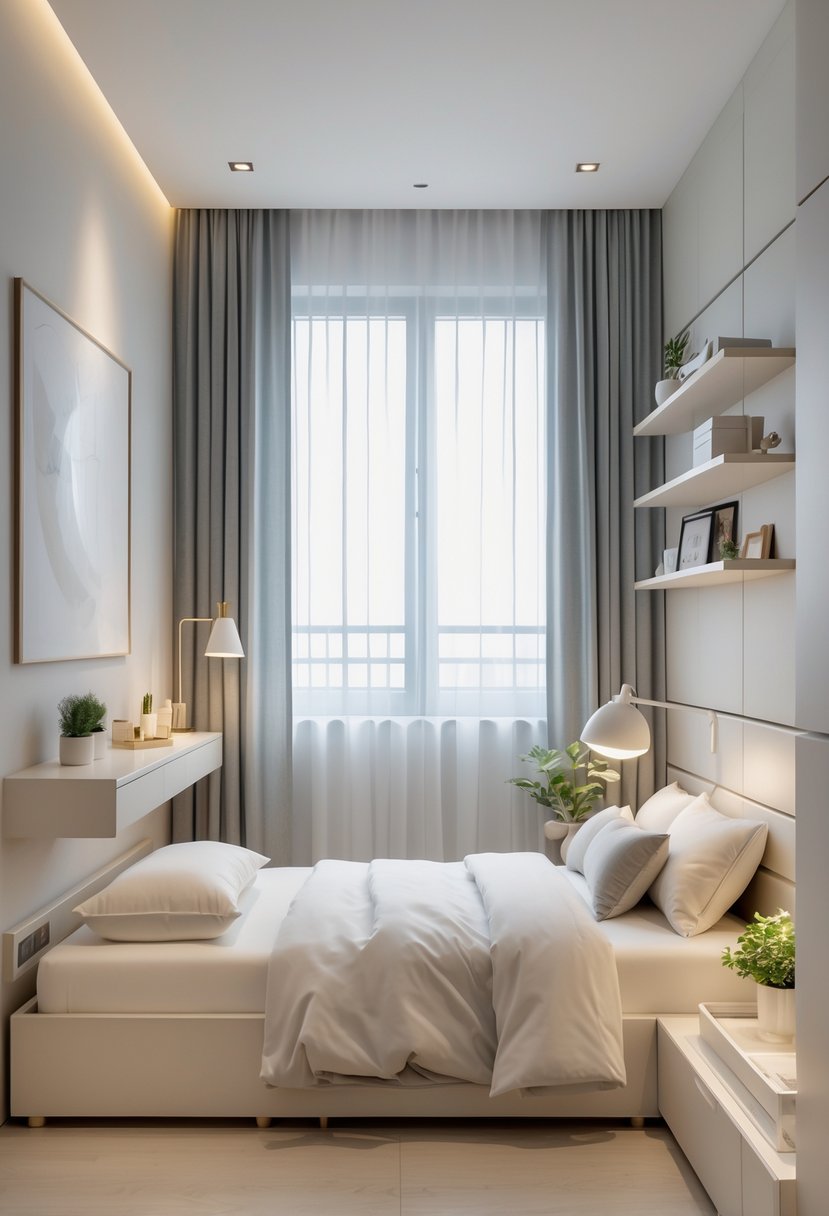
Designers focus on choosing the right-size pieces, boosting light and reflection, adding built-in storage, and layering color and texture to make a room feel larger and more usable. Each change targets one clear problem so your room looks and works better without extra clutter.
Optimizing Furniture Scale and Placement
Pick a bed that fits the room footprint. A full or low-profile queen often fits better than a bulky platform king. Measure before you buy: leave at least 24 inches of clear walk space on one side of the bed and 18 inches at the foot for comfortable movement.
Place the bed on the longest wall or centered under a window to create balance. Use slim nightstands or wall-mounted shelves instead of wide dressers. Choose furniture with exposed legs or open bases to keep sightlines open and make the floor look bigger.
Use multifunction pieces: a storage bench at the foot of the bed, a narrow desk that doubles as a vanity, or a headboard with built-in shelves. Arrange taller items against the same wall to avoid breaking sightlines across the room.
Maximizing Natural Light and Reflection
Increase window exposure by removing heavy curtains or replacing them with sheer panels. Hang curtains close to the ceiling and extend the rod past the window frame to make windows read larger.
Add mirrors to reflect light and view. A full-length mirror opposite a window or a horizontal mirror above the headboard doubles daylight and widens the room visually. Use mirrored closet doors if the layout allows.
Choose light window treatments and keep furniture low near windows to avoid blocking light. For artificial light, layer sources: a central fixture, bedside lamps, and a wall sconce or LED strip to brighten corners without taking floor space.
Effective Storage Integration
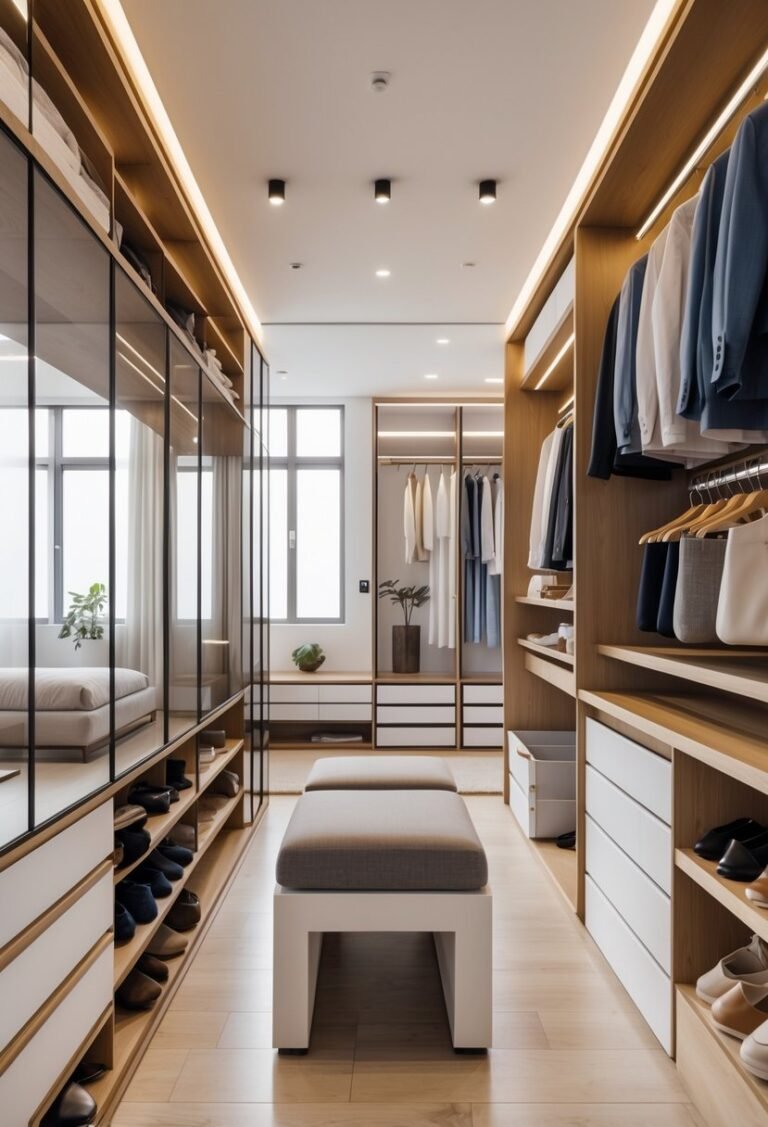
Use built-in storage like floor-to-ceiling wardrobes or recessed shelving to free up floor area. Built-ins match the wall and create a seamless look, which reduces visual clutter.
Lean on under-bed storage with drawers or roll-out bins for seasonal clothes. Use vertical storage: narrow tall dressers, pegboards for accessories, and stacked boxes inside closets. Label bins so you can find items quickly and avoid piles.
Keep surfaces clear. Use drawer organizers, hanging shoe racks, and a small wall-mounted coat rack to keep items off the floor and surfaces. When storage is organized, the room feels bigger and calmer.
Use of Color, Texture, and Layering
Choose a light, consistent wall color to create a continuous visual plane. Soft neutrals or pale pastels make walls recede so the room looks more open. Paint trim the same color or slightly lighter to avoid hard edges.
Layer textiles carefully. A light rug sized to extend past the bed legs anchors the bed and expands perceived floor area. Use thin, breathable bedding in solids or small-scale patterns to avoid visual heaviness.
Add texture in moderation: a woven throw, a linen pillow, or a subtle grasscloth on one accent wall. Keep contrast low to maintain flow. Use one or two accent colors in small doses—pillows, a lamp, or art—to add interest without breaking the space.