Top Soil Mistakes to Avoid for a Healthier Garden
This article was created in line with Trends Oraa’s research and content standards.
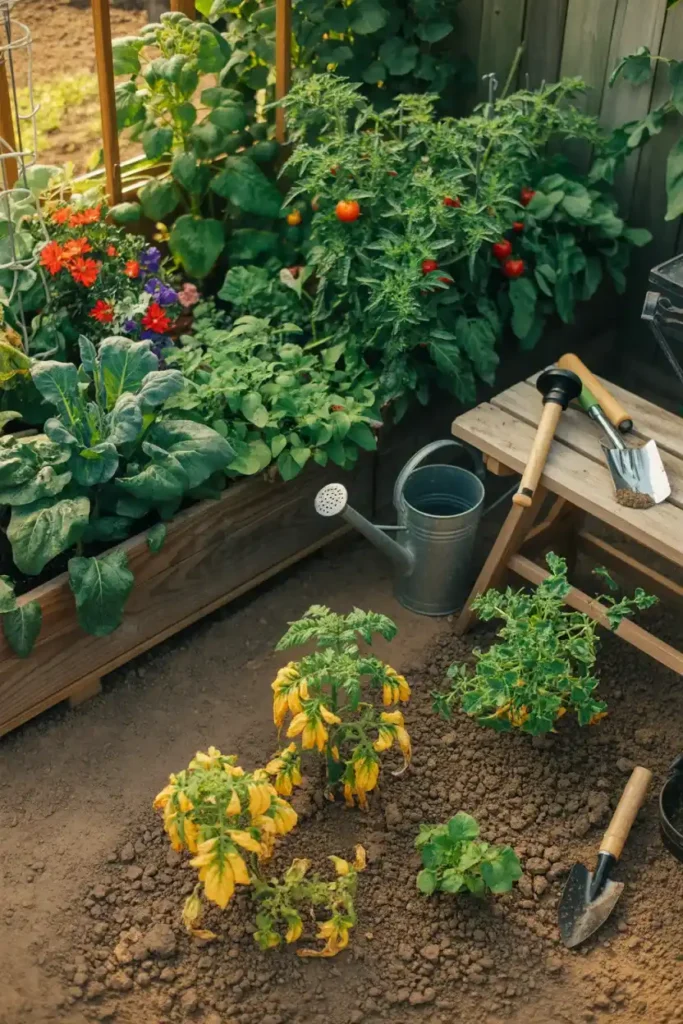
Ever feel like your garden should be thriving, but your plants still look tired, droopy, or downright offended? A lot of the time, the problem is not your watering schedule, your fertilizer, or even your plant choice. It is your soil. And trust me, that is not a small detail. Soil is the entire foundation of your garden, so when a few common Soil Mistakes sneak in, everything above ground starts to struggle.
I learned this the hard way in my own garden. I used to think dirt was just… dirt. If it looked brown and held a plant upright, I figured I was good to go. Spoiler: I was not. After a few seasons of stunted tomatoes, sad herbs, and flower beds that refused to impress anyone, I finally realized healthy gardens begin below the surface. So let’s talk about the biggest Soil Mistakes to avoid, and how to build a garden that actually wants to grow.
Why Soil Matters More Than Most Gardeners Think
Before we jump into the mistakes, let’s get one thing straight. Soil is not just something that holds roots in place. It is a living system. It stores water, delivers nutrients, supports microbes, and helps roots breathe. Pretty important, right?
When your soil is healthy, plants grow stronger and need less babysitting. When your soil is off, plants become more vulnerable to pests, disease, and stress. That is why avoiding simple Soil Mistakes can make such a huge difference in how your garden looks and feels.
Mistake #1: Assuming All Soil Is the Same
This is one of the most common Soil Mistakes, especially for beginners. It is easy to look at the ground and think, “Yep, that is soil.” But garden soil can be sandy, clay-heavy, silty, loamy, compacted, acidic, alkaline, or low in organic matter. Each type behaves differently.
Some soils drain too fast. Others stay soggy for days. Some lock up nutrients even when fertilizer is present. So if your plants are struggling, ask yourself: do you actually know what kind of soil you are working with?
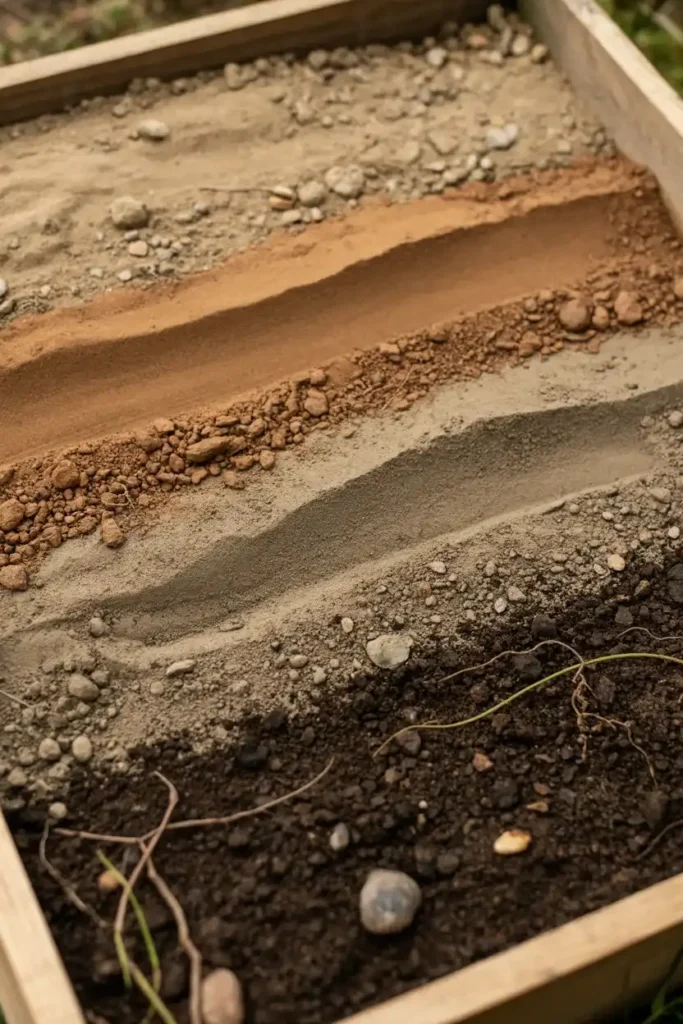
How to Know Your Soil Type
You do not need a fancy lab setup to get started. A simple hands-on check tells you a lot:
- Sandy soil feels gritty and falls apart easily
- Clay soil feels sticky and forms a tight ball
- Silty soil feels smooth and soft
- Loamy soil feels crumbly, balanced, and ideal for most plants
You can also do a jar test with soil and water to see how particles settle. It is simple, a little nerdy, and honestly kind of fun.
Why This Mistake Hurts Your Garden
If you treat sandy soil like clay, or clay like loam, you will end up with poor results. Watering, feeding, and even plant selection all depend on soil texture. Knowing your soil is the first step to fixing it.
Mistake #2: Skipping the Soil Test
Let’s be real. Soil testing sounds boring. It is not exactly the glamorous side of gardening. But ignoring it is one of those Soil Mistakes that can waste months of effort.
A soil test tells you what your soil actually needs. Not what you think it needs. There is a big difference. You might be adding lime when your pH is already too high. You might be dumping in fertilizer when the real issue is poor drainage or low organic matter.
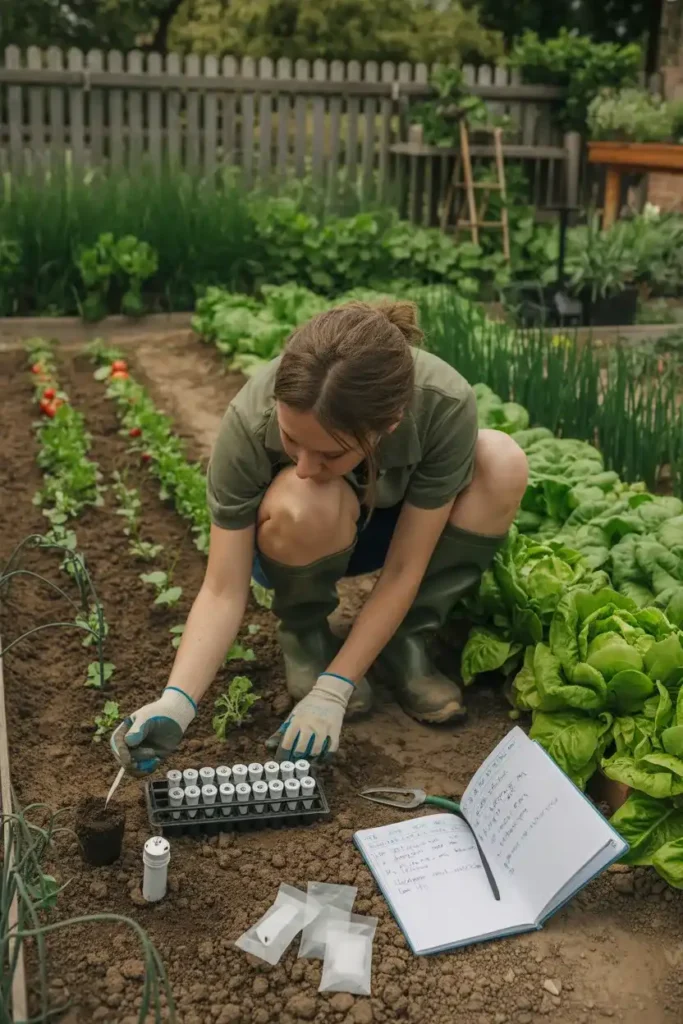
What a Soil Test Can Reveal
A good soil test can show:
- pH level
- Nutrient levels like nitrogen, phosphorus, and potassium
- Organic matter content
- Possible deficiencies or imbalances
That is valuable information. Why guess when your soil can literally tell you what is wrong?
The Smarter Way to Amend Soil
Once you have test results, you can make focused changes instead of random ones. That saves money, time, and a whole lot of frustration. IMO, this is one of the easiest ways to stop making avoidable Soil Mistakes.
Mistake #3: Overworking the Soil
This one surprises people. You would think more digging means better soil, right? Not always. Constant tilling and turning can break down soil structure, disturb beneficial microbes, and leave the ground more compacted over time.
Healthy soil has natural layers and tiny air pockets. It also has worms, fungi, and microbes doing important work underground. When you overwork it, you interrupt all of that.
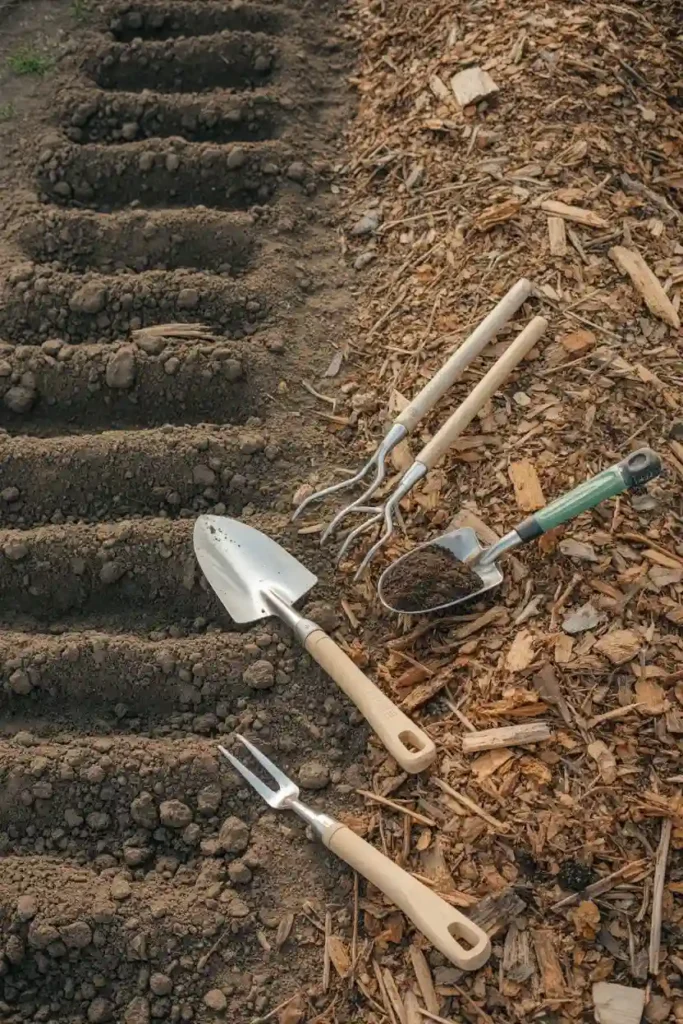
Signs You May Be Overdoing It
If you are doing any of these often, your soil may be suffering:
- Tilling every season, even when it is not necessary
- Digging deeply just to “fluff things up”
- Walking repeatedly on freshly turned beds
- Leaving bare soil exposed after working it
A Better Approach
Try a gentler method. Add compost to the top layer and let nature help mix it in. Use broadforks or hand tools instead of heavy tilling when possible. Your soil structure will thank you, and so will your plants.
Mistake #4: Ignoring Organic Matter
If your soil had a love language, it would probably be compost. One of the biggest Soil Mistakes is expecting depleted soil to perform well without feeding it organic matter.
Organic matter improves almost everything. It helps sandy soil hold moisture. It loosens clay soil. It feeds microbes. It supports root growth. It boosts fertility. Basically, it is the garden upgrade that keeps on giving.
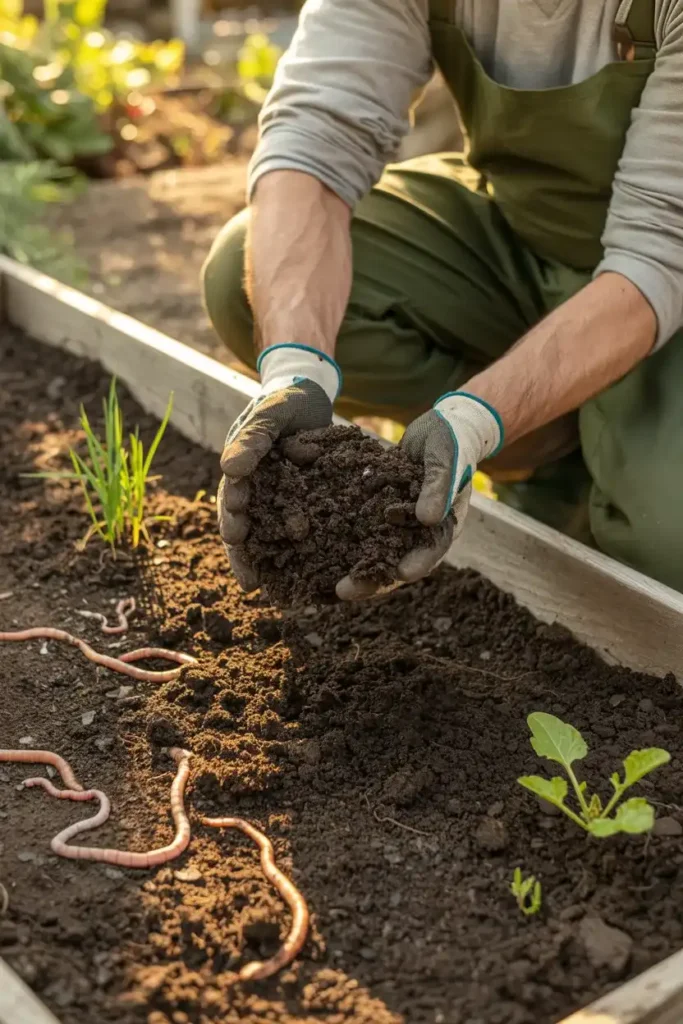
Best Sources of Organic Matter
Here are a few solid options:
- Finished compost
- Aged manure
- Leaf mold
- Shredded leaves
- Grass clippings in moderation
- Cover crops
Notice I said finished compost and aged manure. Fresh material can burn plants or create nutrient issues. That is another one of those sneaky Soil Mistakes people make without realizing it.
How Much Should You Add?
A layer of 1 to 2 inches of compost worked into the top few inches of soil is a great start. Repeat seasonally or annually depending on your soil condition. It is not flashy, but it works.
Mistake #5: Compaction from Walking on Garden Beds
Have you ever stepped into a garden bed “just for a second”? Yeah, same. It feels harmless. But repeated foot traffic presses soil particles together and squeezes out the air pockets roots need.
Compacted soil is tough for roots to penetrate. Water may puddle on top or run off instead of soaking in. Plants in compacted ground often look weak no matter how much you water or feed them.
How to Prevent Soil Compaction
This is one of the easiest Soil Mistakes to fix:
- Create designated paths between beds
- Use raised beds if space allows
- Never work soil when it is very wet
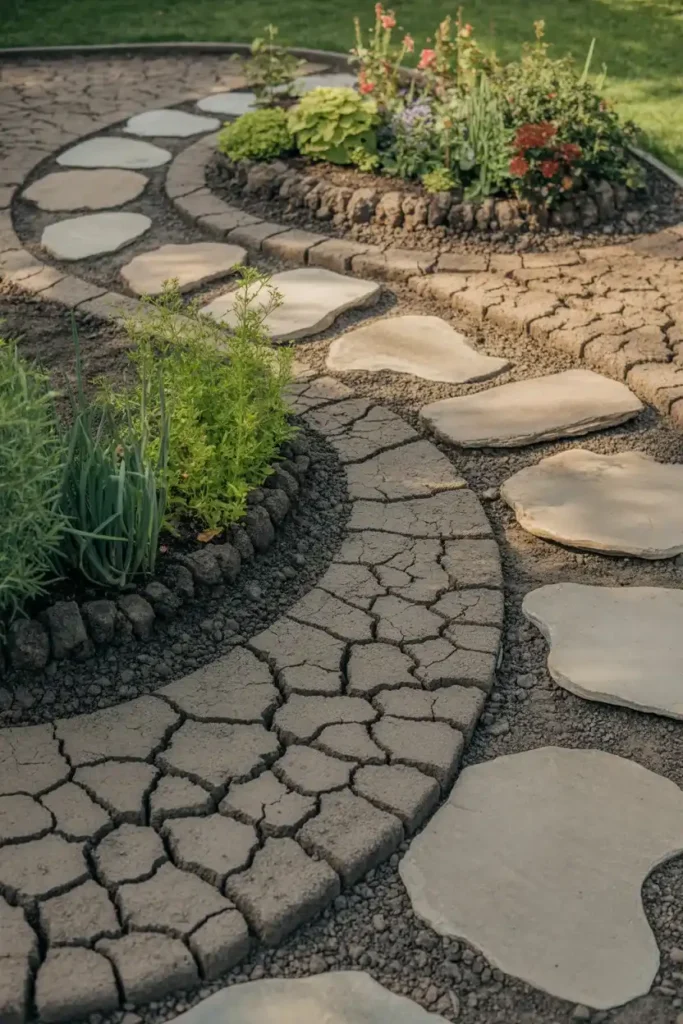
- Lay down stepping stones if access is tight
It sounds simple because it is simple. Sometimes the smartest garden fix is just keeping your boots off the growing area.
Mistake #6: Watering Without Considering Soil Drainage
Not all watering problems come from watering too much or too little. Sometimes it is about how your soil handles water. That is why poor drainage is behind a lot of common Soil Mistakes.
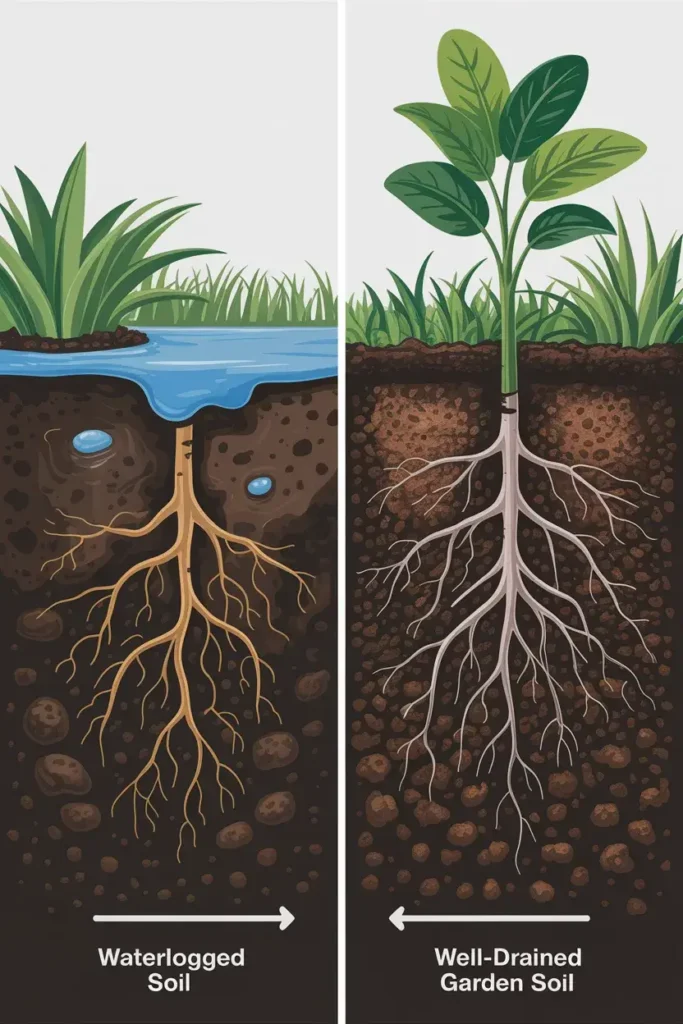
Clay soil can stay soggy and suffocate roots. Sandy soil drains so quickly that plants dry out fast. If you do not understand drainage, your watering routine becomes a guessing game.
How to Check Drainage
Try this quick test. Dig a hole about 12 inches deep and fill it with water. Let it drain once, then fill it again and time how long it takes to empty.
- If it drains in under an hour, it may be too fast
- If water sits for several hours, drainage is poor
- If it drains steadily over a few hours, that is usually a good sign
Fixes for Drainage Problems
For poor drainage, add compost and avoid compacting the area. In severe cases, consider raised beds. For fast-draining soil, organic matter is again your best friend. See a pattern here? Compost stays winning 🙂
Mistake #7: Using Too Much Fertilizer
This is a classic case of trying to help and making things worse. A lot of gardeners assume more fertilizer means more growth. But overfertilizing is one of the most damaging Soil Mistakes you can make.
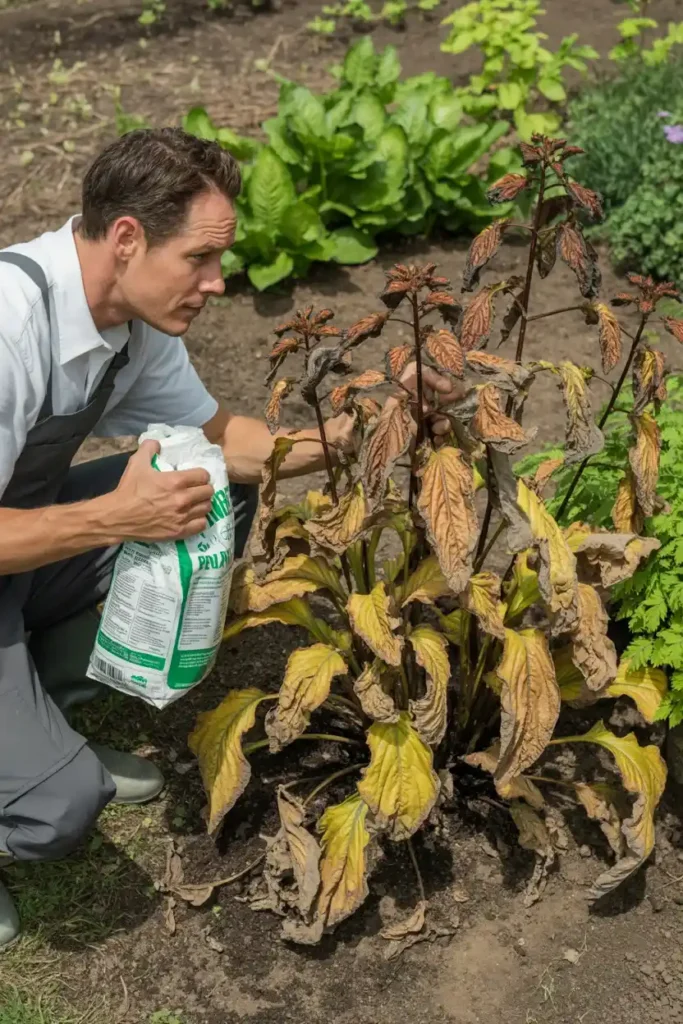
Too much fertilizer can burn roots, upset soil biology, and lead to weak, overly soft growth. It can also create salt buildup in the soil, which stresses plants even more. Bigger is not always better.
Warning Signs of Overfertilizing
Watch for these red flags:
- Leaf tips turning brown
- Fast leafy growth with few flowers or fruits
- Wilting despite moist soil
- White crust on the soil surface
- Poor plant performance after feeding
Feed the Soil, Not Just the Plant
Instead of relying heavily on synthetic fertilizer, focus on building fertile soil. Compost, mulch, and balanced amendments create more stable long-term results. Healthy soil makes nutrients available naturally and steadily.
Mistake #8: Forgetting About Soil pH
Here is a sneaky one. Your soil may contain nutrients, but if the pH is off, plants still may not be able to use them. That makes pH-related issues one of the most misunderstood Soil Mistakes.
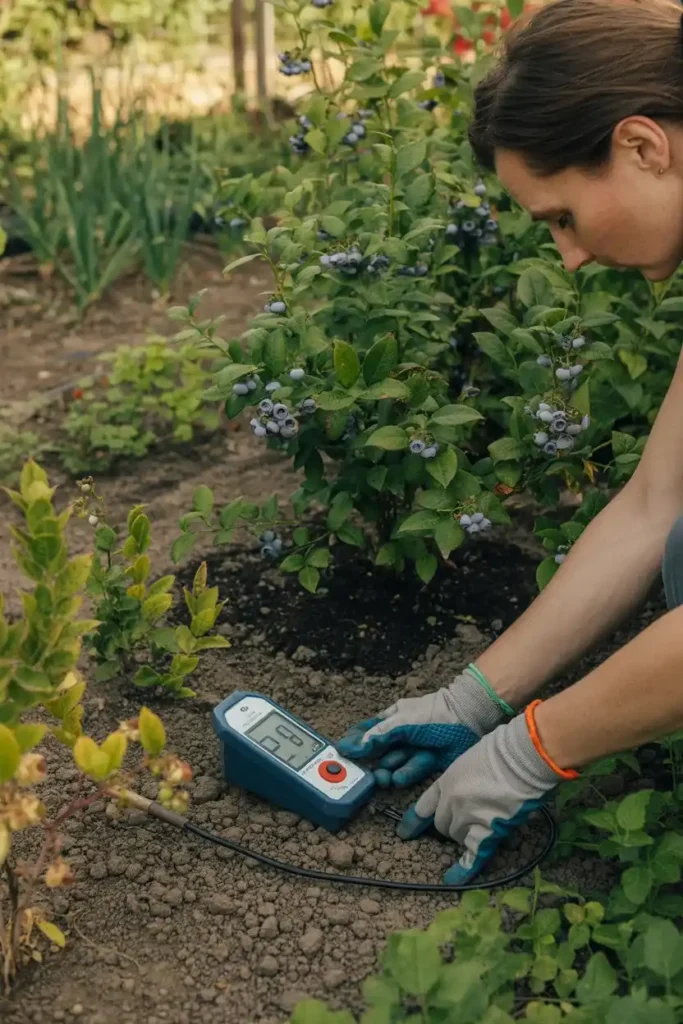
Most garden plants prefer a slightly acidic to neutral pH, usually around 6.0 to 7.0. But some plants, like blueberries, like it more acidic. If your pH is too high or too low, nutrient uptake gets weird fast.
Why pH Matters So Much
Think of pH like a lock on a pantry. The nutrients may be inside, but your plants cannot access them unless the door opens. So before you add more nutrients, make sure your pH is in the right range.
How to Adjust pH Carefully
- Add lime to raise pH if the soil is too acidic
- Add sulfur to lower pH if the soil is too alkaline
- Always adjust based on a soil test, not a guess
Random pH fixes are absolutely one of those Soil Mistakes that can spiral fast.
Mistake #9: Leaving Soil Bare
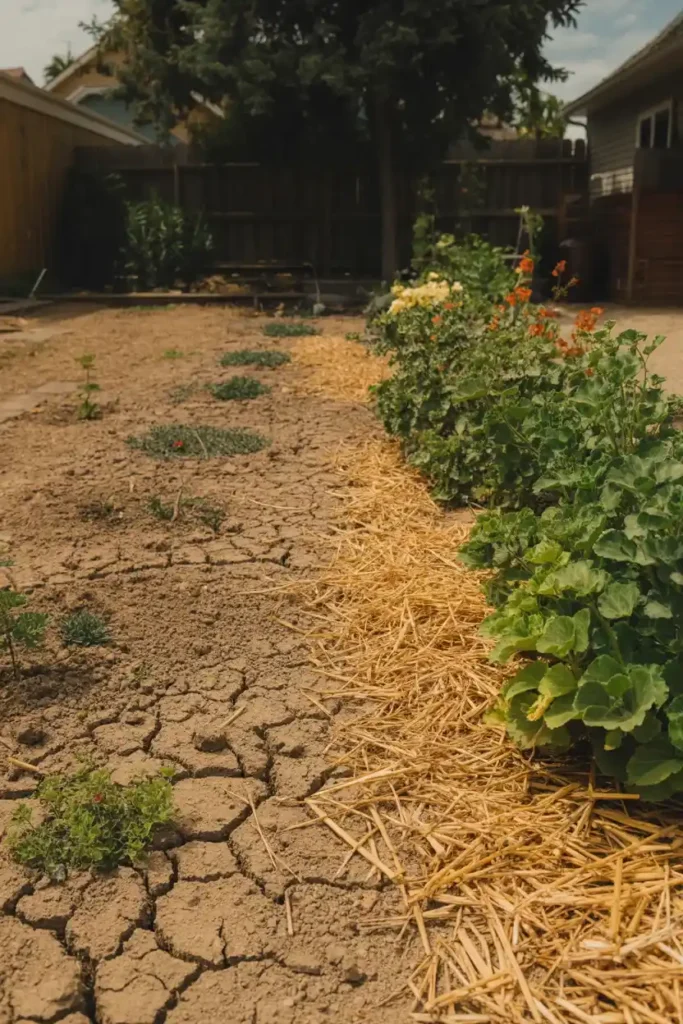
Bare soil might not seem like a huge deal, but it is. Exposed soil dries out faster, erodes more easily, and loses microbial life when hit with intense sun, wind, or heavy rain.
In nature, soil is usually covered. Forest floors have leaves. Meadows have plants. Bare garden soil is not the natural goal.
Why Mulch Is a Game Changer
Mulch helps by:
- Holding moisture in the soil
- Regulating soil temperature
- Suppressing weeds
- Reducing erosion
- Feeding the soil as it breaks down
Organic mulches like straw, shredded leaves, and bark work especially well. Just keep them a little away from plant stems so you do not trap too much moisture right against the base.
Mistake #10: Expecting Instant Results
This may be the most relatable of all Soil Mistakes. You improve the soil on Saturday and expect a jungle by Wednesday. I get it. We all want quick wins.
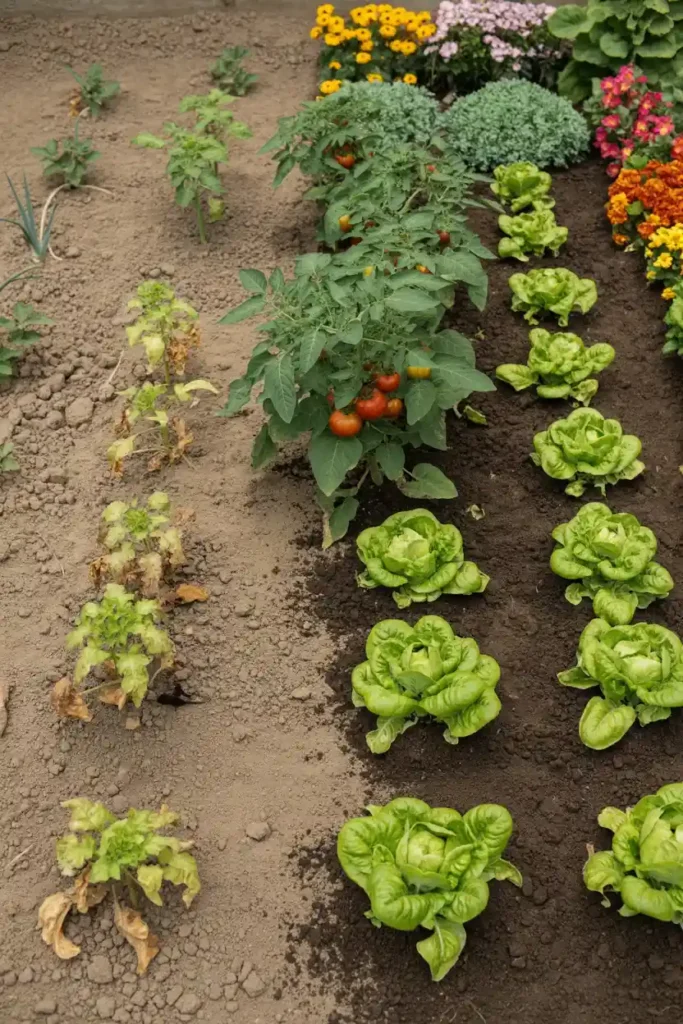
But soil health takes time. It improves in layers and seasons. The good news is that every smart choice adds up. Better structure, more life, stronger roots, steadier moisture, richer nutrient cycling—it all builds.
What Patience Looks Like in Real Gardening
You might notice:
- Better water retention after a few weeks
- Easier digging after a season of composting
- Healthier roots and stronger plants over months
- Rich, crumbly soil after a year or two of steady care
That may sound slow, but it is worth it. Great gardens are not rushed. They are built.
Simple Habits That Prevent Most Soil Mistakes
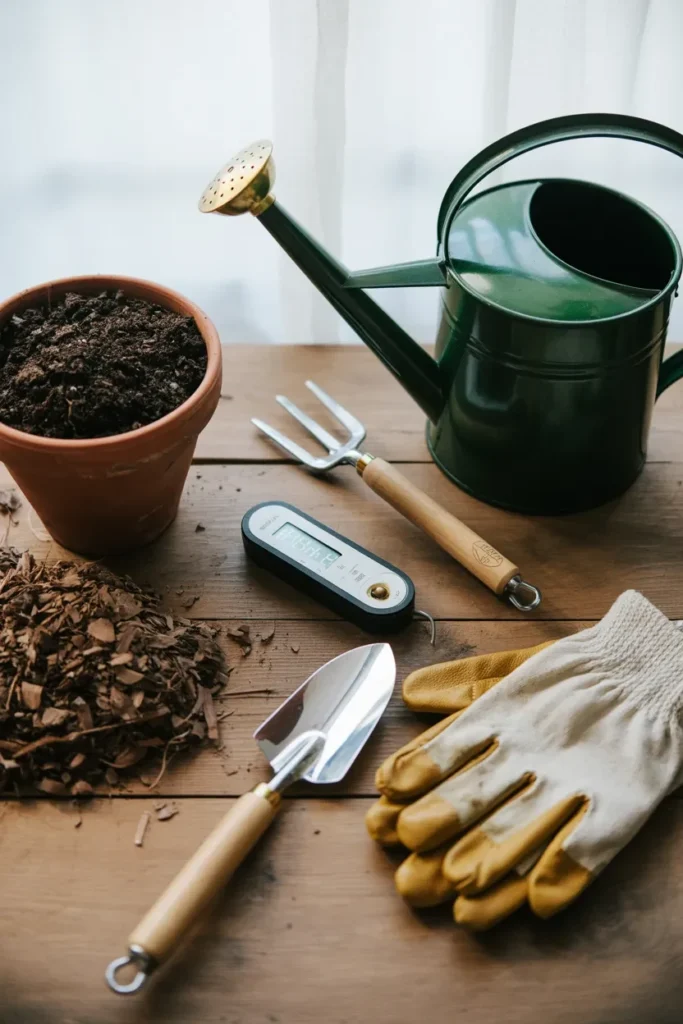
Want a shortcut? Here are the habits that prevent most Soil Mistakes before they start:
- Test your soil before making big changes
- Add compost regularly
- Avoid walking on planting beds
- Mulch exposed soil
- Water based on drainage, not guesswork
- Go easy on fertilizer
- Pay attention to pH
- Improve soil gradually and consistently
None of this is complicated. It is just easy to overlook when you are excited to plant things.
Final Thoughts on Building Healthier Garden Soil
At the end of the day, the best gardens are not built on luck. They are built on healthy soil. If you can avoid these common Soil Mistakes, you give your plants a much better shot at thriving instead of just surviving.
So next time your garden seems off, do not just stare at the leaves and panic. Look down. Your soil is probably trying to tell you something. Start there, stay patient, and keep improving it bit by bit. Your future garden will be fuller, healthier, and a whole lot less dramatic—and honestly, that is a win for everyone.