10 Living Room TV Wall Ideas for Modern, Space-Saving Installations
This article was created in line with Trends Oraa’s research and content standards.
You explore ways to make the TV wall both stylish and practical for daily life. This article helps you see options that improve how the room looks and works without overwhelming you.
You will learn clear ideas—from simple mounts and hidden cables to shelving, lighting, and sound solutions—that fit different tastes and budgets.
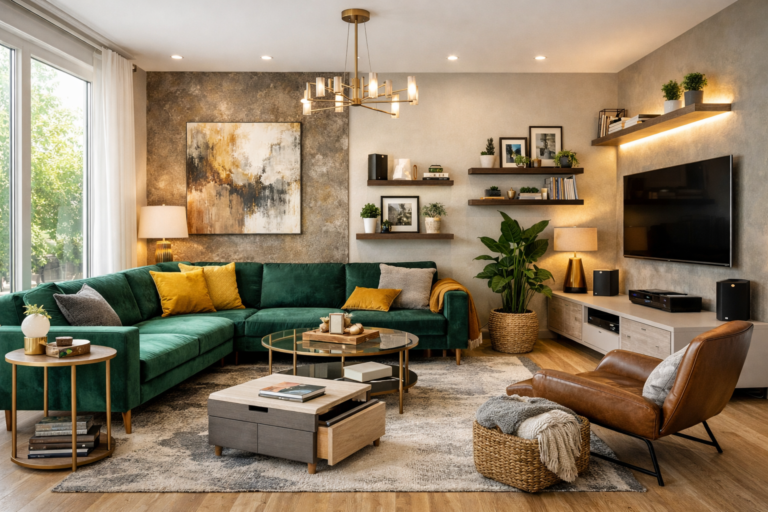
1) Floating shelves around the TV for decor and storage
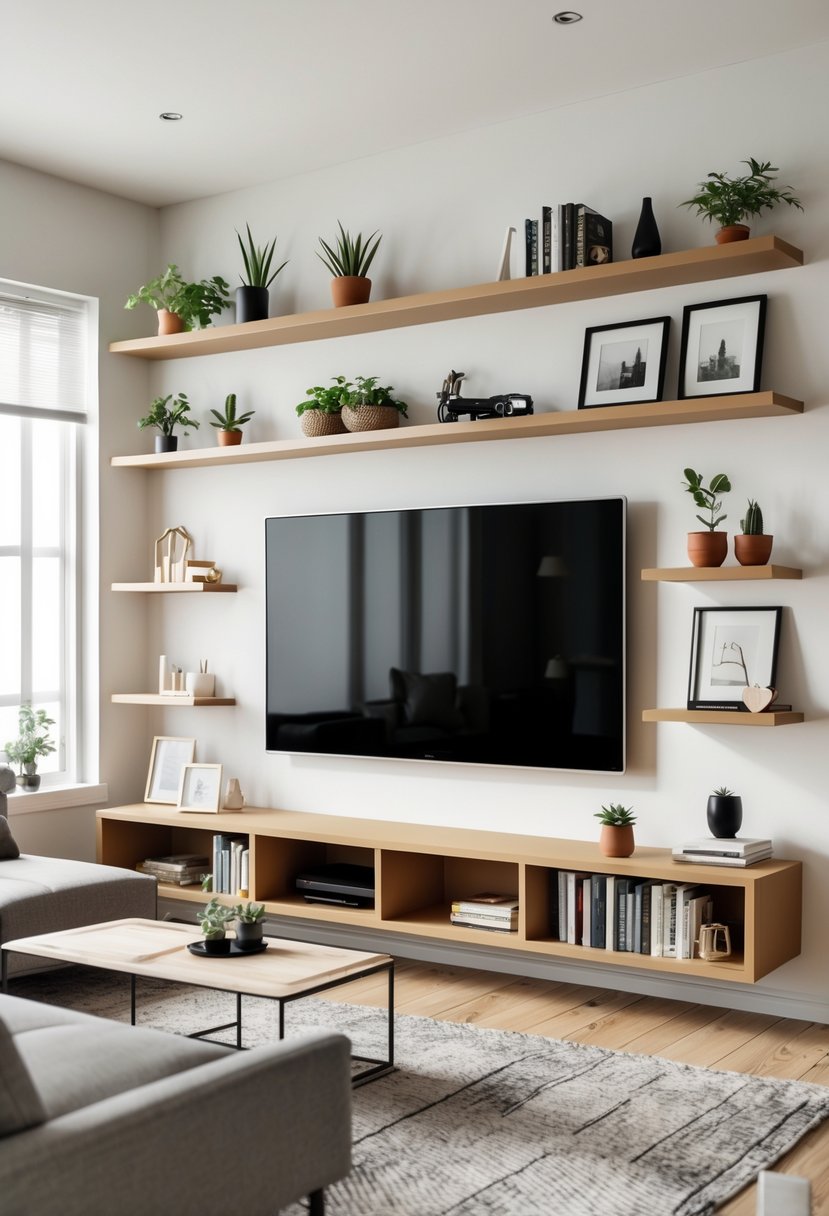
They frame the TV and add storage without taking floor space. People can display books, plants, or small speakers.
Shelves can be staggered for visual interest or aligned for a cleaner look. Choosing sturdy, properly anchored shelves keeps the setup safe.
Finishes like wood, metal, or painted MDF match many styles. Lighting under the shelves adds depth and highlights objects.
2) Mounting a large 75-inch TV with a low-profile bracket
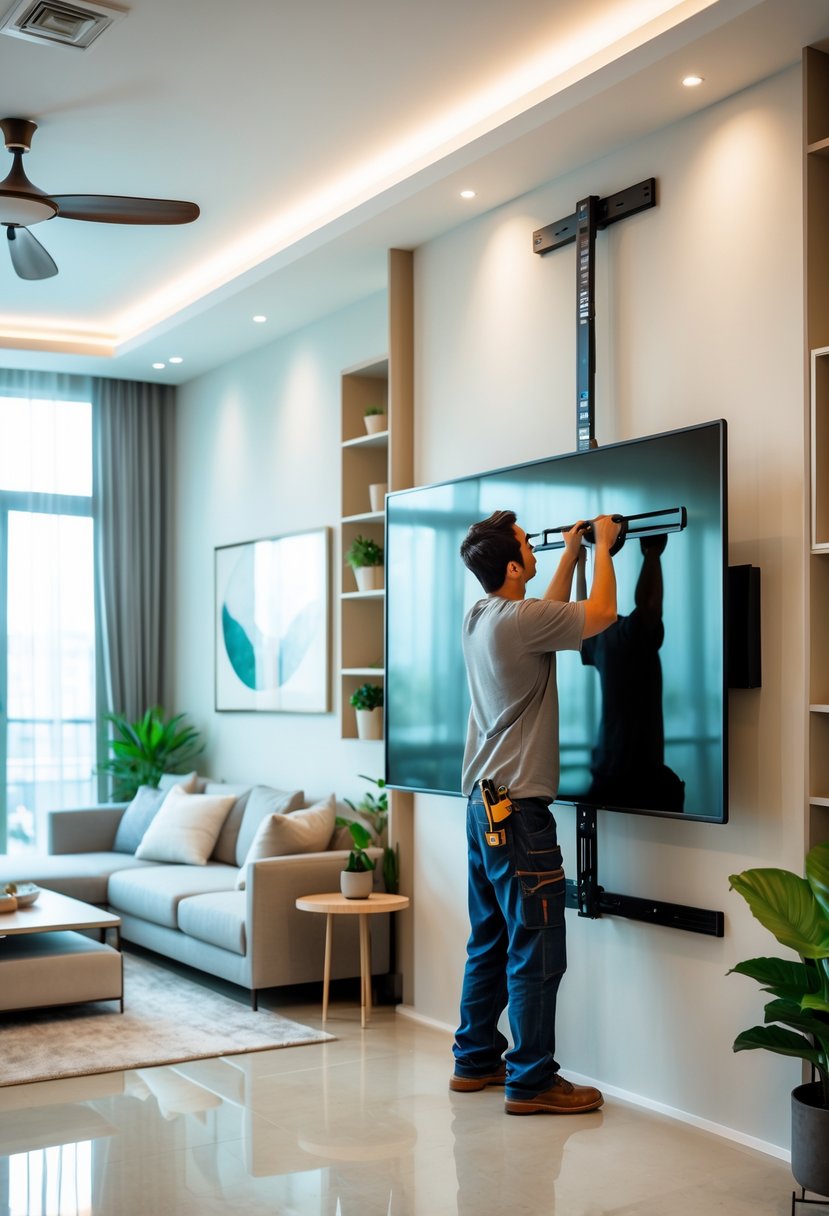
They should pick a bracket rated for the TV weight and VESA pattern. Studs must be located and marked; anchors alone are not enough for a heavy set.
Install the bracket at eye level for seating and check tilt if needed. A low-profile mount keeps the TV close to the wall for a clean look.
Two people should lift and secure the TV to avoid damage or injury. Test stability and cable reach before finishing.
3) Incorporating a built-in fireplace below the TV
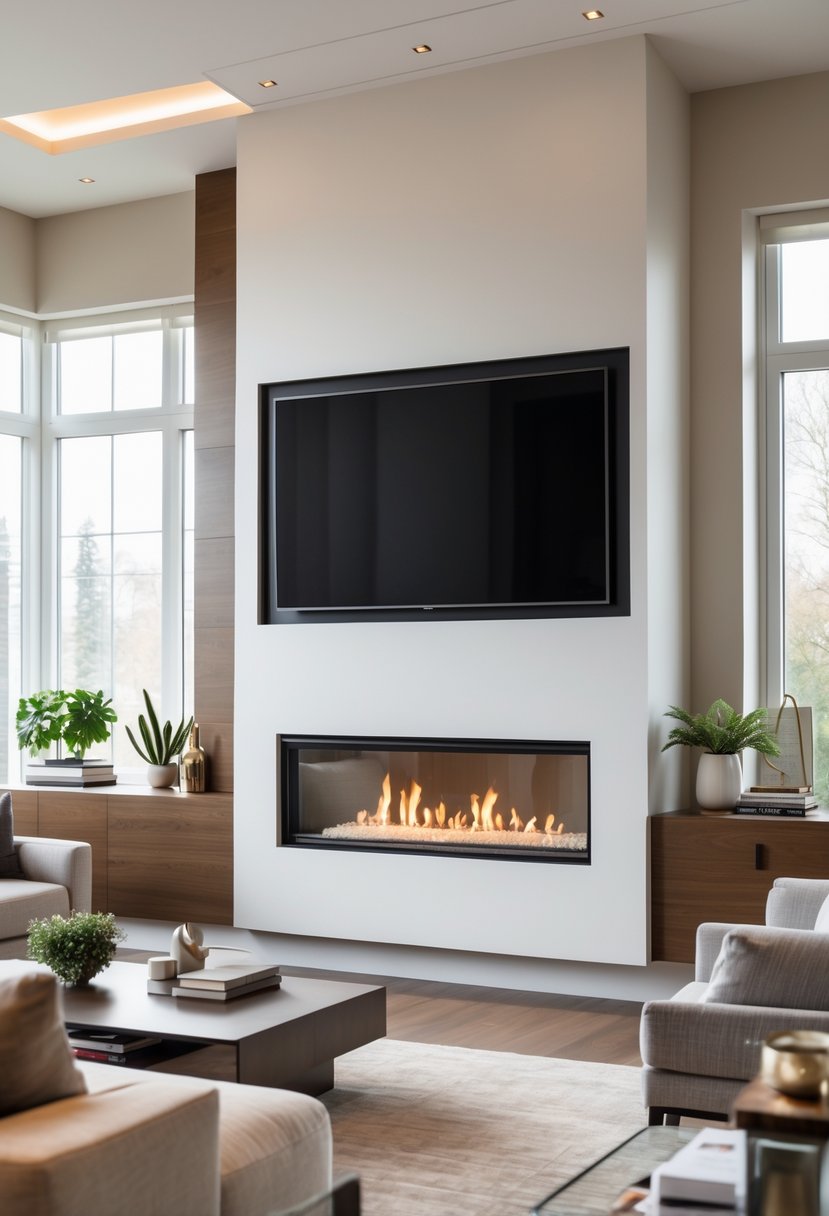
They often place a built-in fireplace under the TV to add warmth and a focal point. It creates a clean, layered look while keeping the heat source out of the way.
They should ensure proper clearance and ventilation for safety and check TV heat ratings. A recessed or linear gas fireplace pairs well with slim TVs and hides wiring for a neat finish.
4) Using reclaimed wood paneling as a backdrop
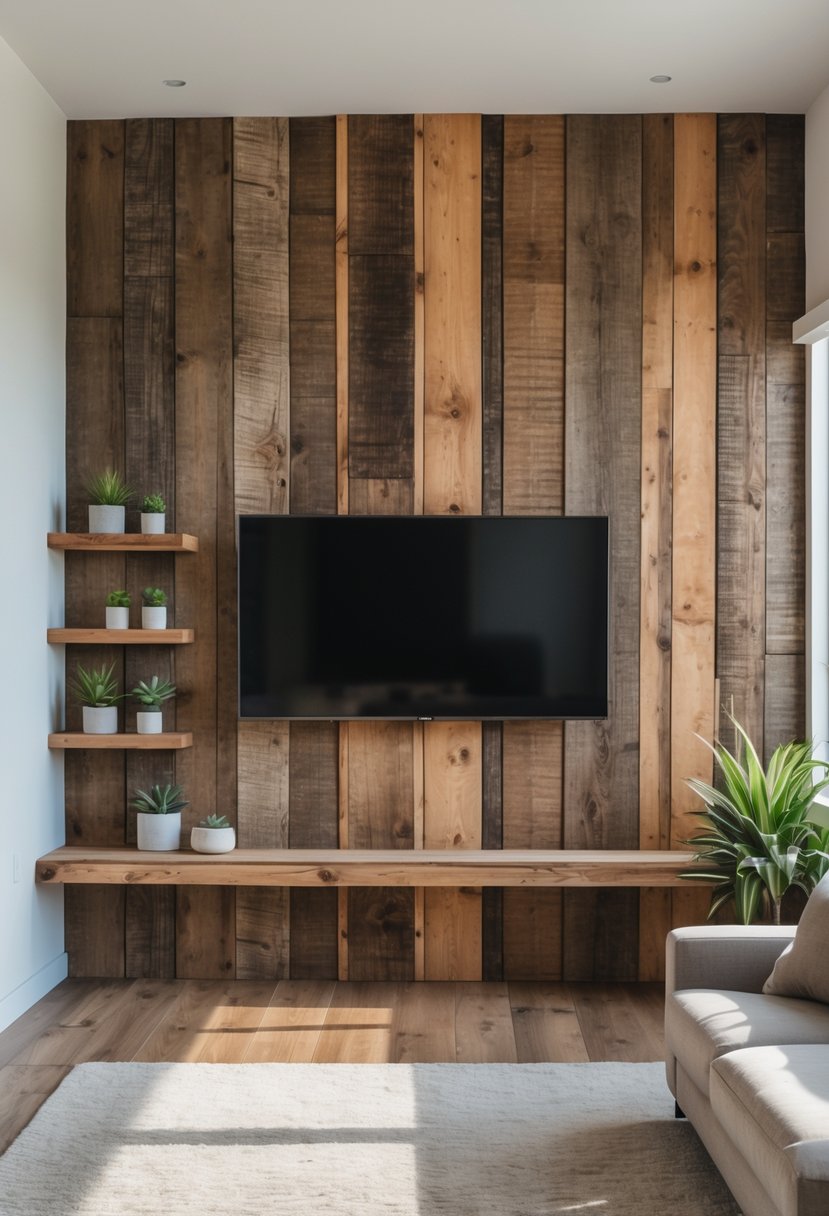
They select reclaimed wood paneling to add warmth and texture behind the TV. The wood hides cords and creates a natural focal point without heavy cost.
Panels can be installed horizontally or vertically to change the room’s feel. They recommend sealing the wood to protect against dust and fading.
Reclaimed wood pairs well with metal or black TV mounts for a modern contrast. It fits both rustic and contemporary living rooms with simple styling.
5) Integrating LED ambient lighting behind the TV
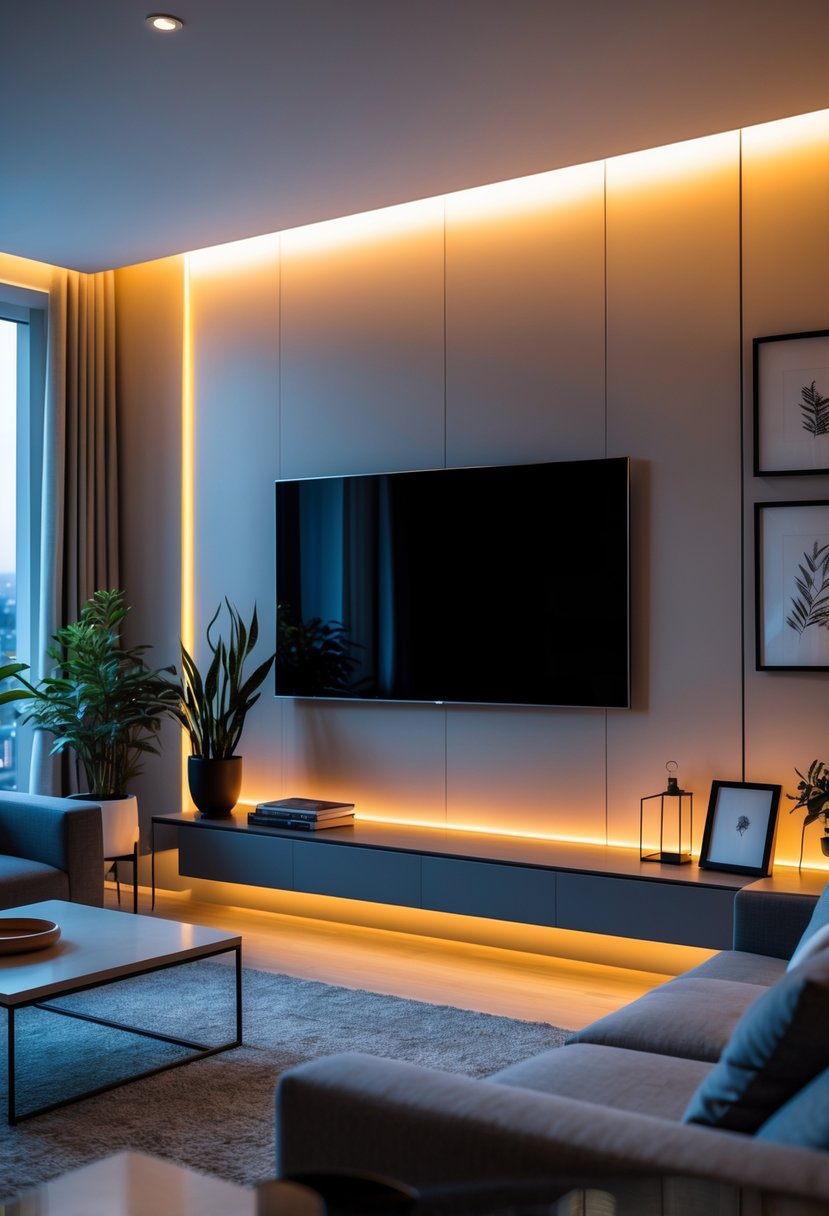
They add soft backlight that reduces eye strain and improves perceived contrast. LED strips mount behind the TV and cast gentle color on the wall.
They can sync with the screen or run static colors for mood. Installation is simple: stick the strip, hide the cable, and connect power.
They use low power and long life, but choose warm whites or subtle colors to avoid distraction. Adjustable brightness keeps the light useful for daytime and night viewing.
6) Designing a media cabinet with hidden cable management
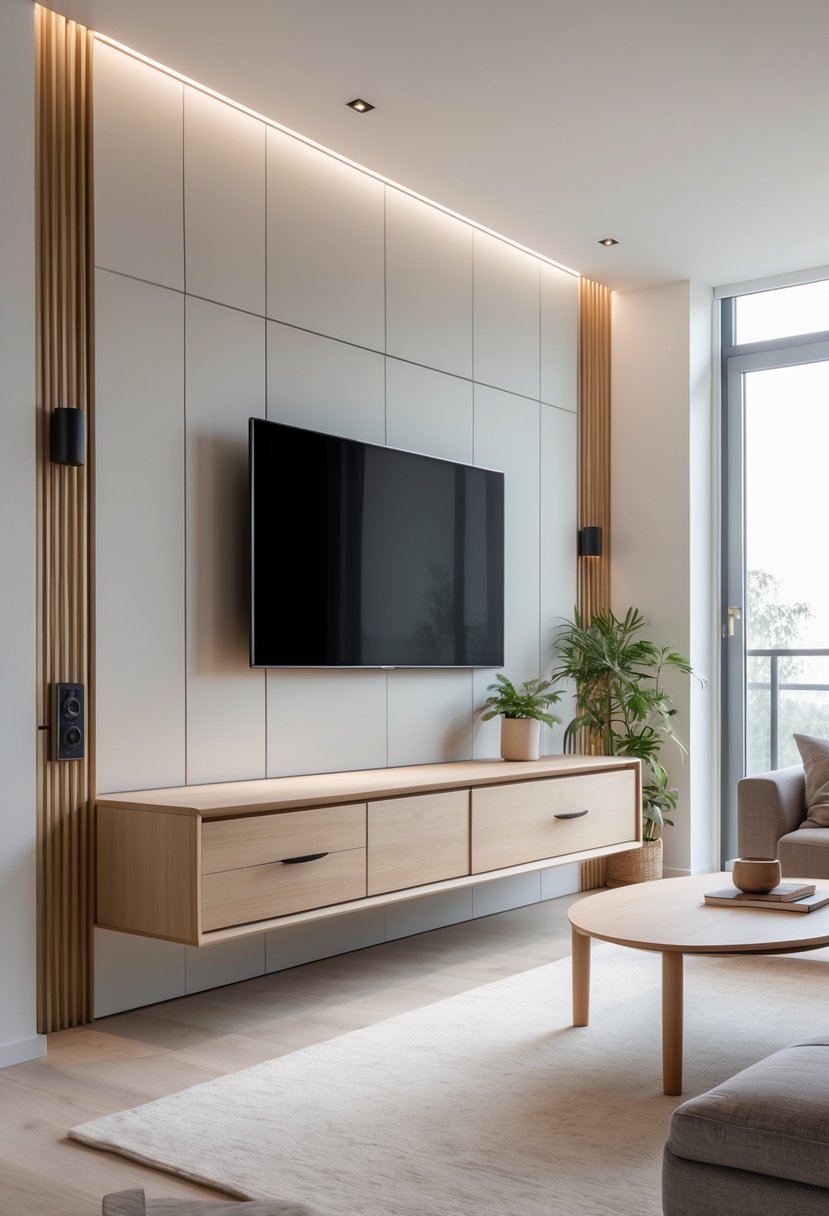
They plan the cabinet around the TV’s ports and power outlets to keep cables short and tidy. A back channel lets cords run behind shelves and out of sight.
They add removable panels or false backs for easy access when upgrading devices. Ventilation slots prevent heat buildup without exposing wires.
They use labeled, bundled cables and a single power strip mounted inside the cabinet. This keeps the front clean and makes maintenance simple.
7) Adding acoustic panels for better sound quality
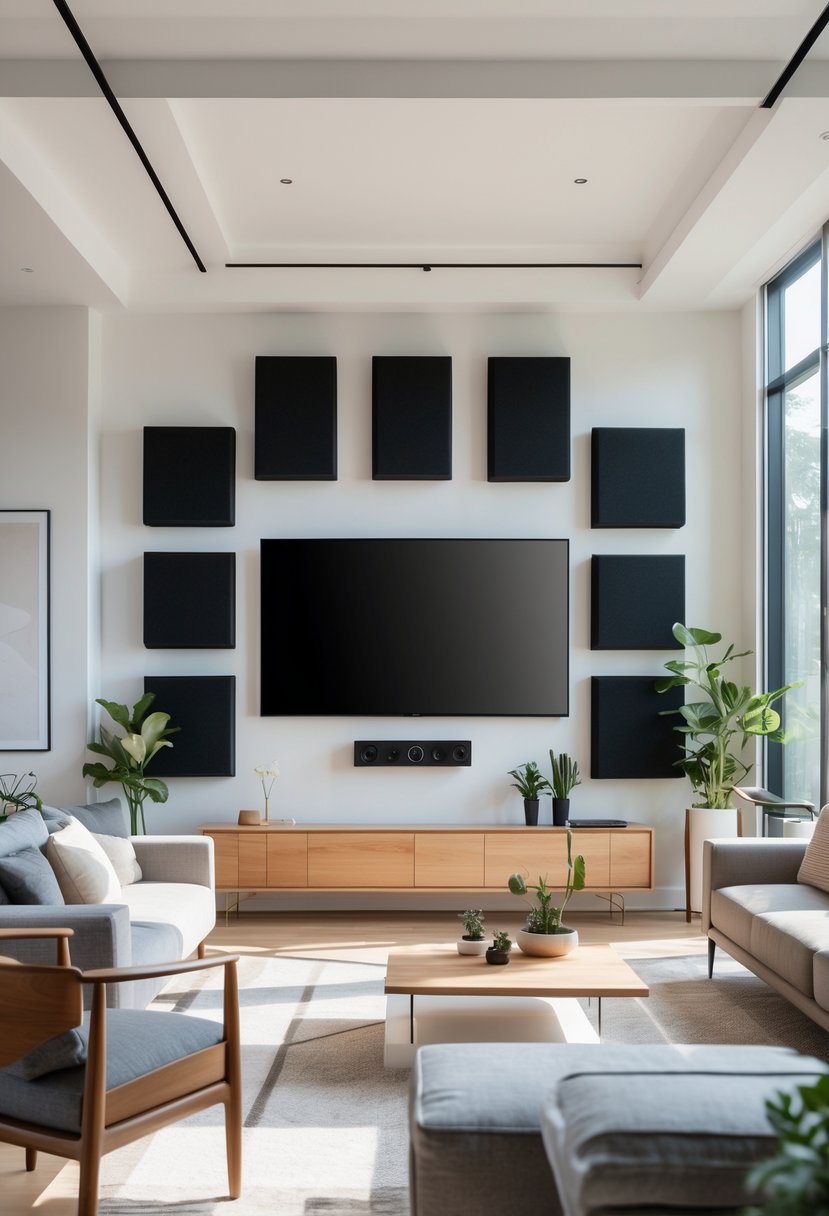
They place acoustic panels on the wall near the TV to cut echo and improve dialogue clarity. Panels absorb reflections so sound from the speakers stays clear and fuller.
Choose panels that match the room style and size for practical, subtle improvement. Mount them at first reflection points and behind seating to get the best results.
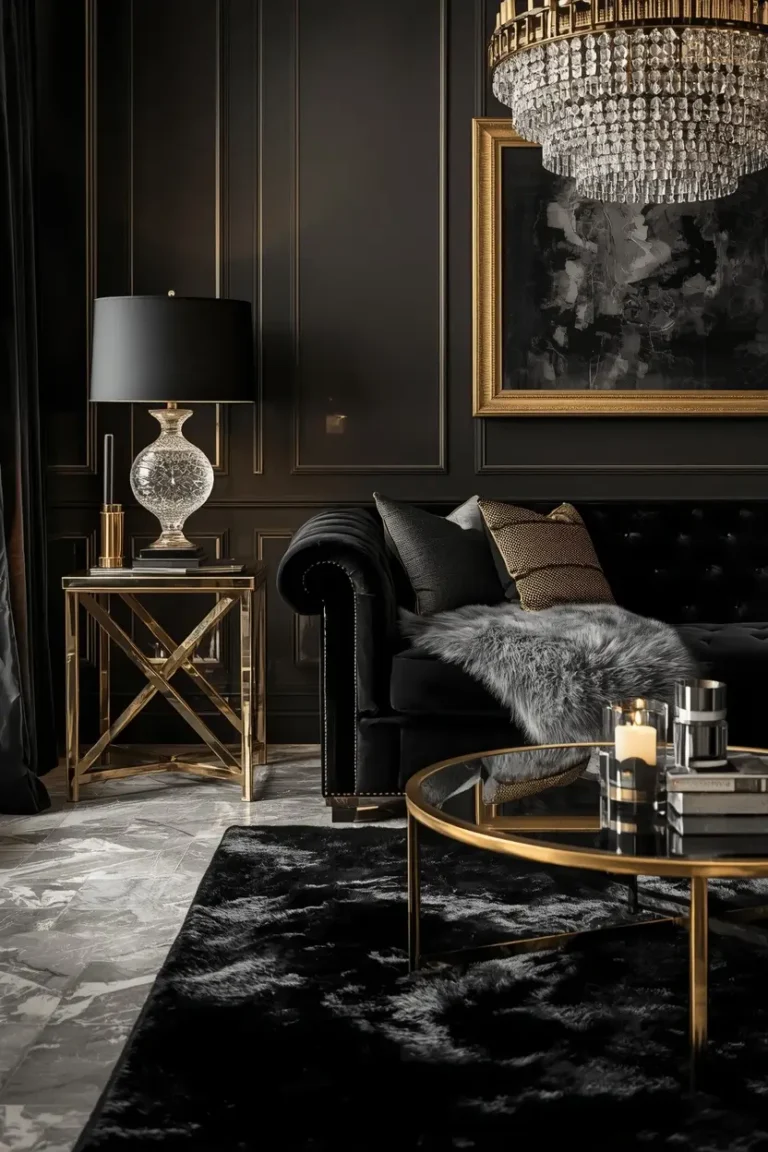
8) Painting the TV wall a contrasting dark color
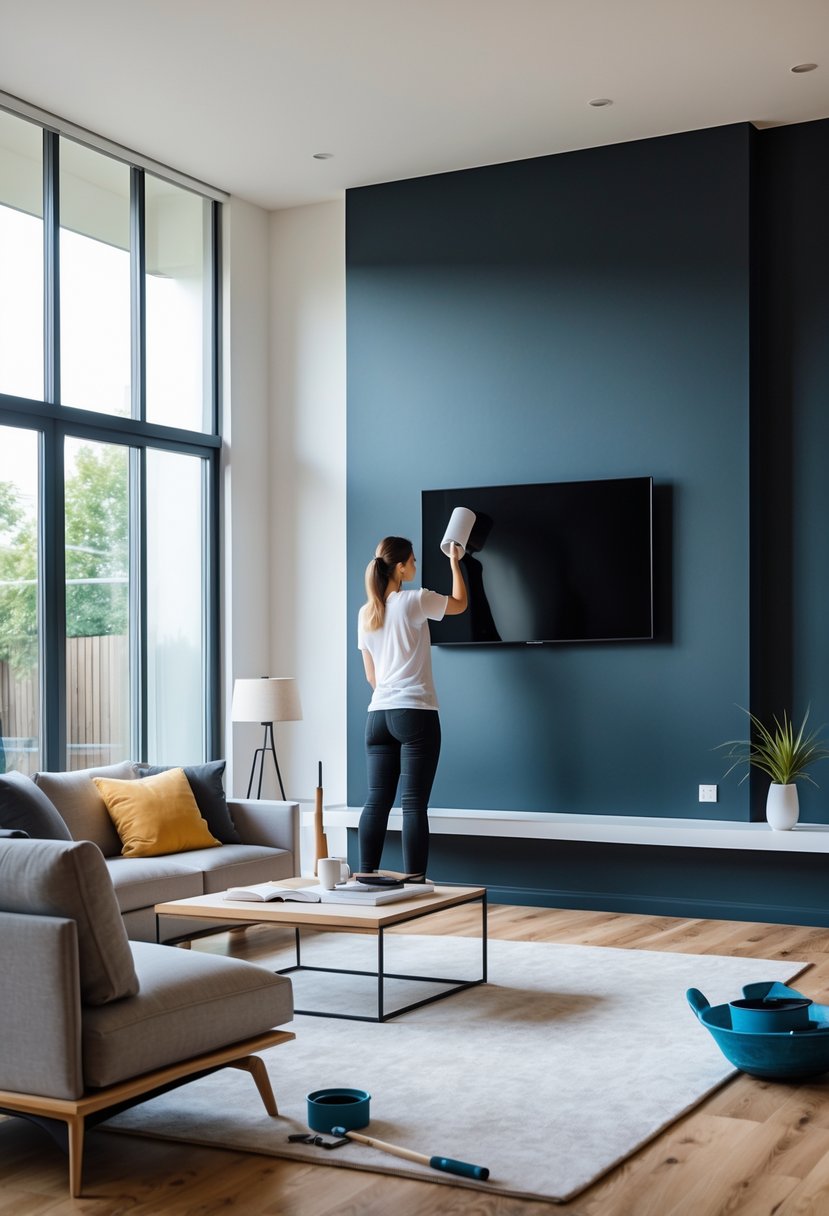
They paint the TV wall a dark, contrasting color to make the screen stand out and add depth. Dark colors hide cords and mounting hardware better than light shades.
A dark wall can create a cozy, theater-like feel without extra furniture. It works best with good ambient light control and balanced decor nearby.
9) Installing a soundbar with a discreet mount
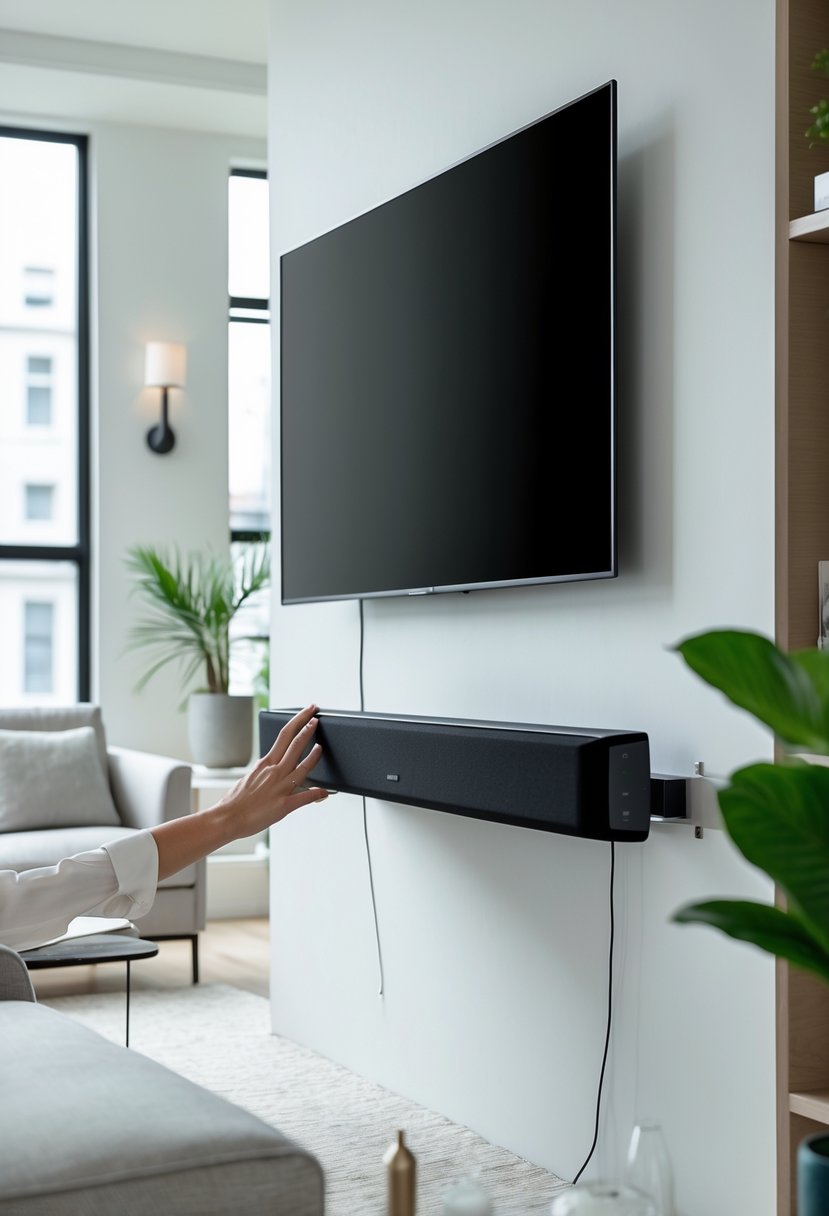
They place the soundbar close to the TV and hide cables behind the wall or inside a channel. A low-profile mount keeps the bar flush and reduces visual clutter.
They check the TV’s height so the sound aligns with the screen. If the bar is too high or low, audio can seem off.
They choose a mount rated for the soundbar’s size and weight. Proper anchors ensure safety and steady performance.
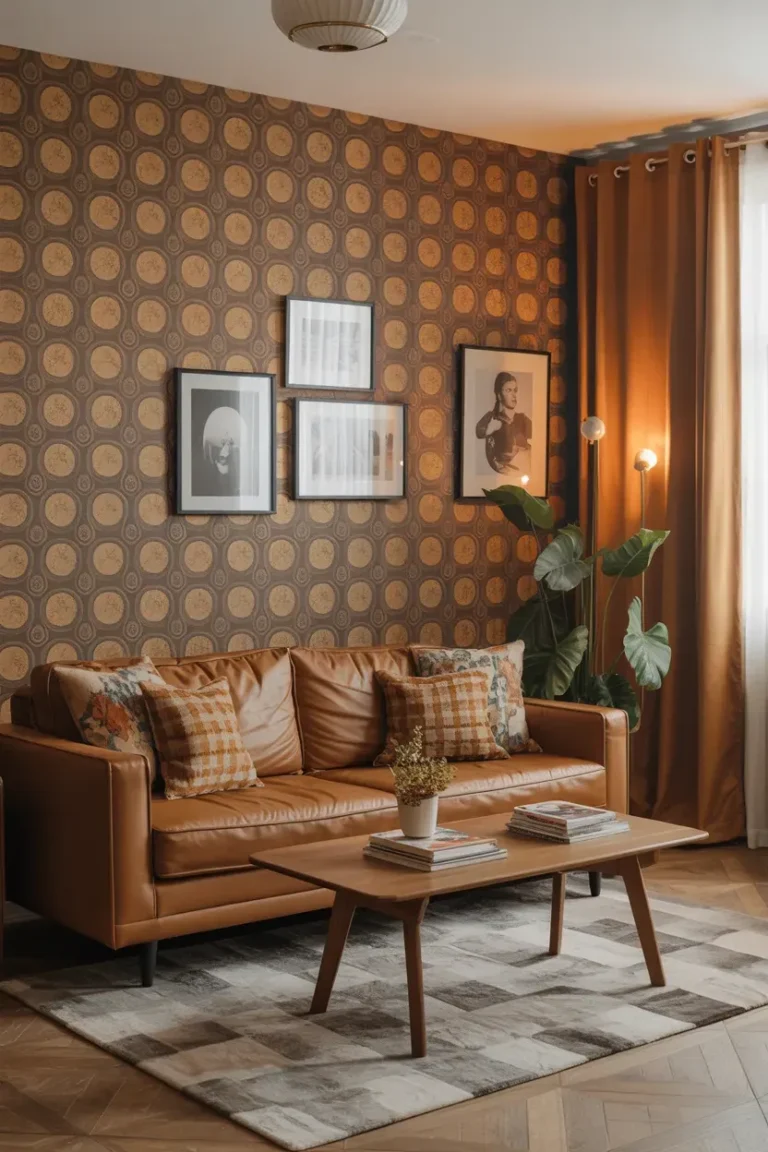
10) Creating a gallery wall surrounding the TV
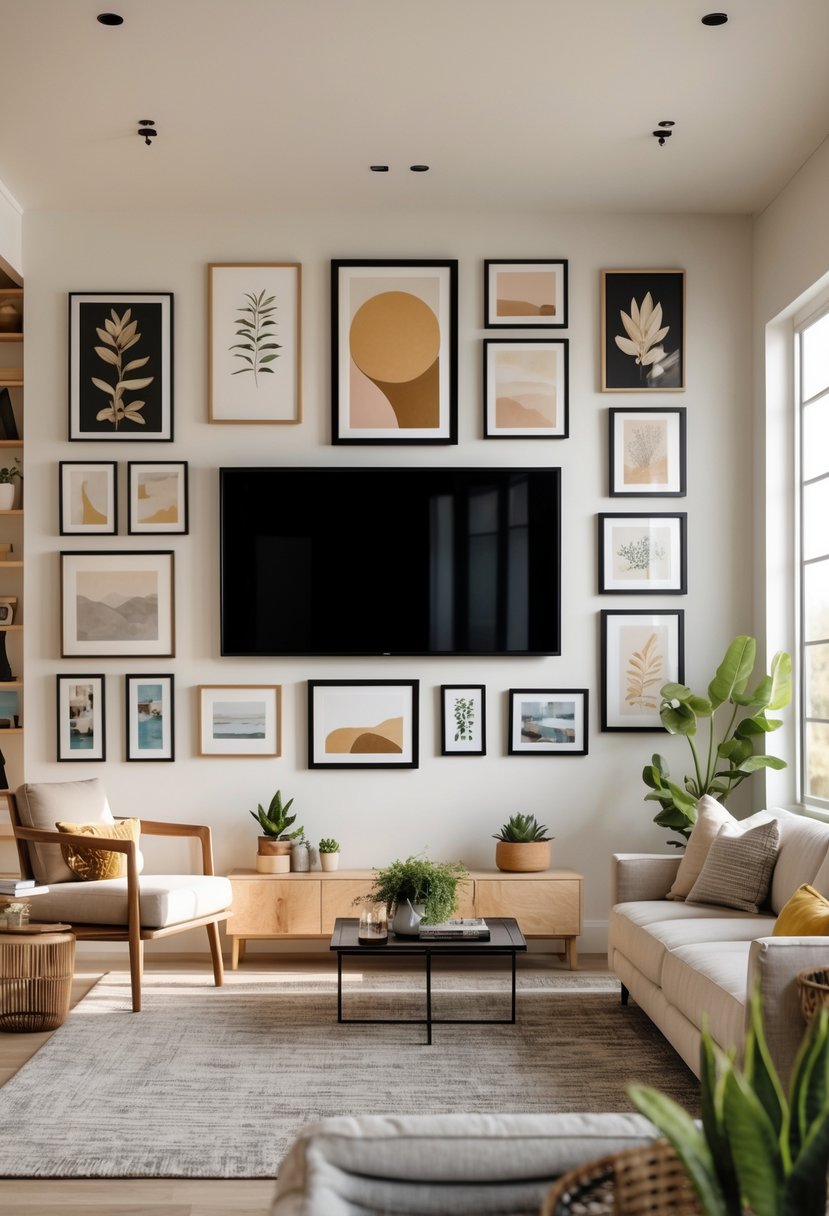
They arrange framed art, photos, and prints around the TV to make it the center of a composed display. Spacing stays even and frames share a common color or style to keep the look cohesive.
They mix sizes and orientations but keep the TV’s edges aligned with nearby frames. This balances the screen without blocking it and makes the wall feel intentional.