10 Garden Ideas That Will Make Your Outdoor Space Unrecognizable (In the Best Way)
This article was created in line with Trends Oraa’s research and content standards.
Your backyard has been staring at you all spring. And honestly? You’ve been staring back, wondering why it still looks the same as last year.
You don’t need a big budget or a landscape designer on speed dial. You just need the right garden ideas — and that’s exactly what this post delivers.
We’ve rounded up 10 stunning, real-life garden ideas that range from budget-friendly weekend projects to full-on transformations. Whether you have a tiny patio, a sprawling backyard, or something in between, there’s something here that will spark that “I need to do this NOW” feeling.
You might also love our viral guide on 17 Best Chicken Coop and Garden Layout Ideas — it pairs perfectly with the ideas below!
Keep reading, because idea #6 alone has made grown adults cry happy tears over their backyards. No joke.
1. The Layered Cottage Garden Border
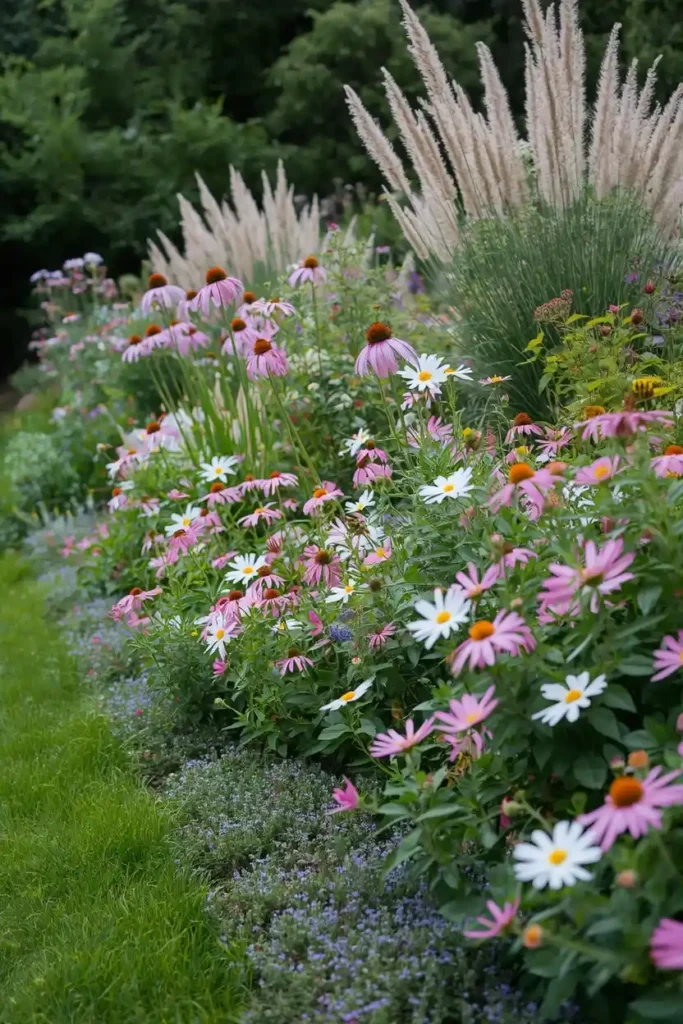
Picture this: a lush, overflowing garden border packed with soft lavender, blowsy roses, climbing clematis, and wispy ornamental grasses, all tumbling together in the most effortlessly romantic way. This isn’t a perfectly manicured, ruler-straight bed. It’s layered, lived-in, and completely gorgeous — like something you’d spot on a dreamy English countryside walk, except it’s right outside your back door.
The secret to this look is planting in tiers: tall plants at the back (think echinacea or ornamental grasses), mid-height flowering perennials in the middle, and low creeping ground covers at the front. The result is a border that has depth, movement, and something blooming from early spring through late fall.
Expert Tip: Mix textures as much as colors. Pairing feathery grasses with bold dahlias and delicate cosmos creates that “designed but natural” feel that’s so hard to fake — but so easy once you know the trick.
Why it works: Layered planting maximizes visual interest without requiring more space. It also attracts pollinators, suppresses weeds naturally, and gives you cutting flowers all season long. Plus, once established, cottage garden borders are surprisingly low maintenance because the plants essentially crowd out competition themselves.
2. The Raised Bed Vegetable Garden Setup
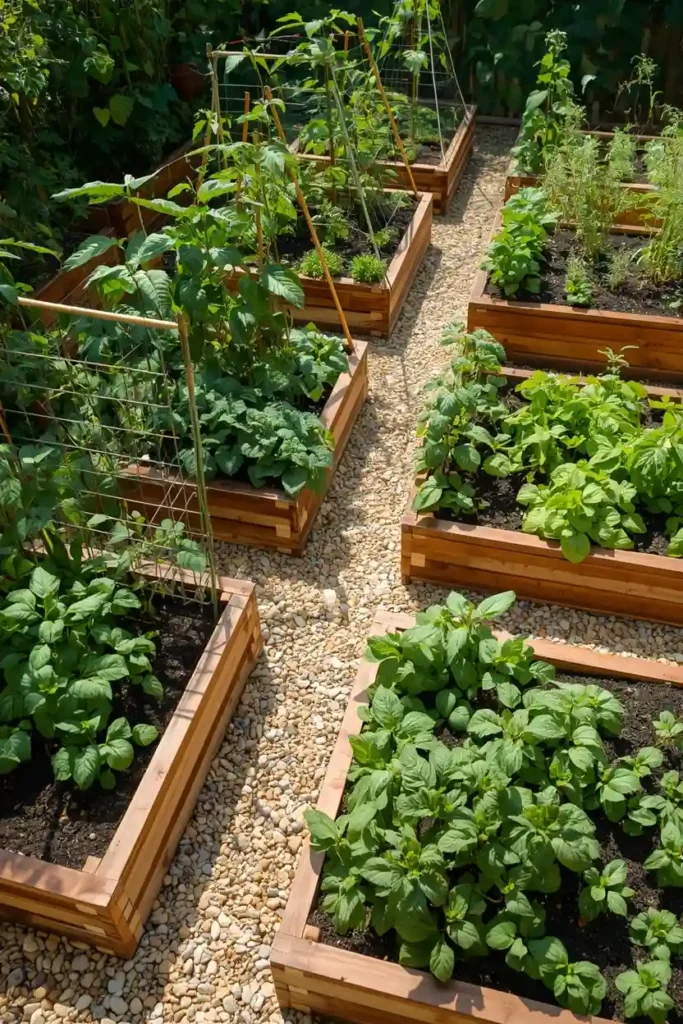
There’s something deeply satisfying about growing your own food, and a well-organized raised bed setup takes that feeling to a whole new level. This garden idea features multiple cedar raised beds arranged in a grid pattern, with wide gravel paths between them for easy access. Each bed is dedicated to a specific crop — tomatoes here, herbs there, salad greens along the sunniest edge.
What makes this setup special is the vertical element: simple bamboo teepees for climbing beans, wire cages for tomatoes, and a small trellis panel at the back for cucumbers. The structure makes the garden feel intentional and put-together, not haphazard.
Expert Tip: Build or buy beds at least 12 inches deep for root vegetables, and fill them with a 60/40 mix of topsoil and compost. The investment in good soil upfront pays dividends every single season. Speaking of soil — check out our guide on What Is Topsoil: Uses and Benefits for Your Garden before you fill those beds!
Why it works: Raised beds warm up faster in spring, drain better than in-ground beds, and put your back at far less risk. The defined paths also keep foot traffic off the growing areas, which means better soil structure and happier roots season after season.
Which type of garden calls to you most — food-growing or purely decorative? Drop your answer in the comments — I read every single one!
3. The Secret Garden Room with Hedging and Archways
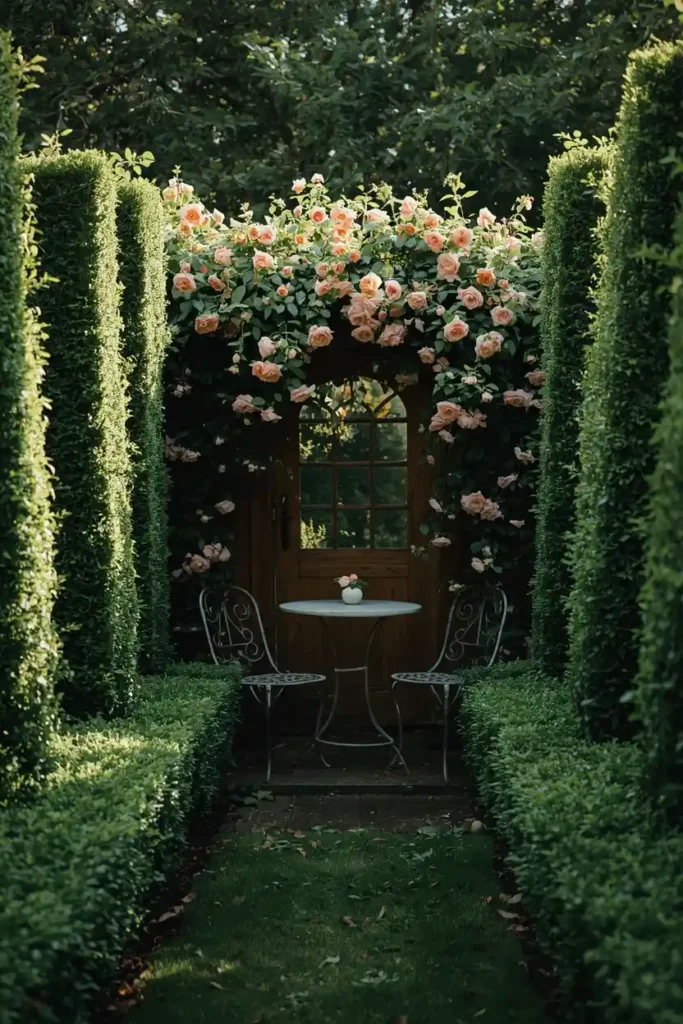
Some garden ideas are about plants. This one is about architecture. Imagine stepping through a rose-covered archway into a secluded garden “room” surrounded by clipped yew hedges, with a simple bistro table and two chairs at the center. A small fountain murmurs in the corner. The outside world disappears.
Creating a garden room doesn’t require acres of land. Even a modest backyard can accommodate a defined outdoor room using tall hedging (boxwood, hornbeam, or yew), a pergola, or even a clever arrangement of tall planters and trellises. The key is the sense of enclosure — that feeling of being contained within a space, rather than exposed to it.
Expert Tip: Plant fast-growing hornbeam instead of boxwood if you want hedges within a few seasons rather than a decade. It clips beautifully, handles shade, and is resistant to the blight that’s been devastating boxwood across the US in recent years.
Why it works: Enclosed garden spaces increase the psychological comfort of being outdoors, encourage longer time spent in the garden, and dramatically increase the perceived value of your outdoor space. A garden room also creates a microclimate that protects tender plants from wind and can extend your growing season by weeks.
But here’s the important part…
The next few ideas are where most people discover they’ve been completely overthinking their outdoor space. Sometimes the simplest interventions create the most dramatic results.
4. The Low-Maintenance Gravel and Drought-Tolerant Planting Garden
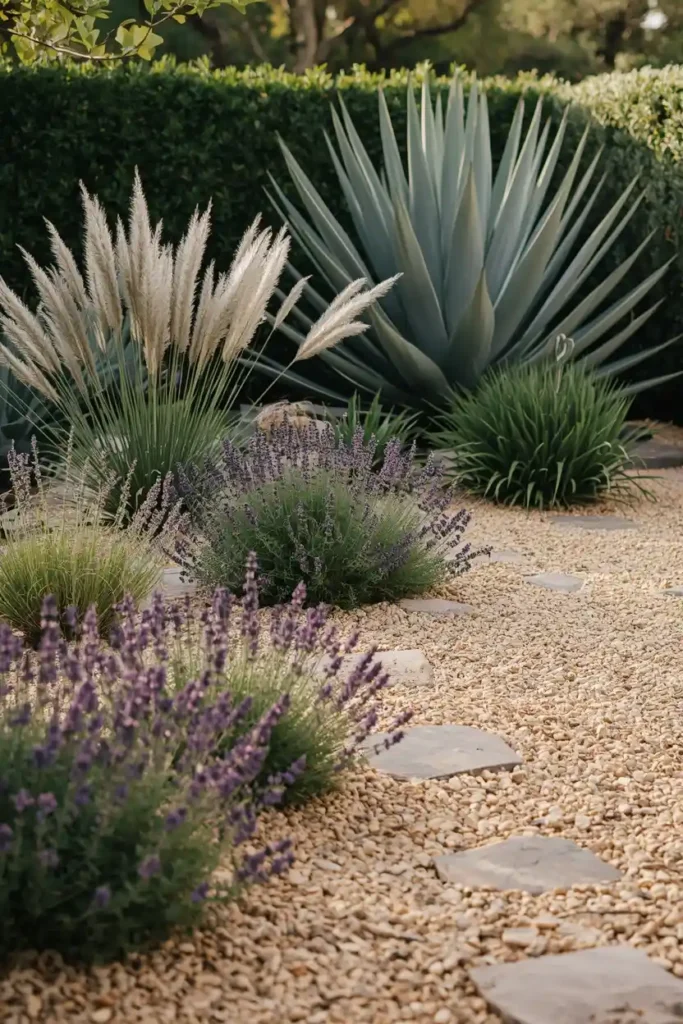
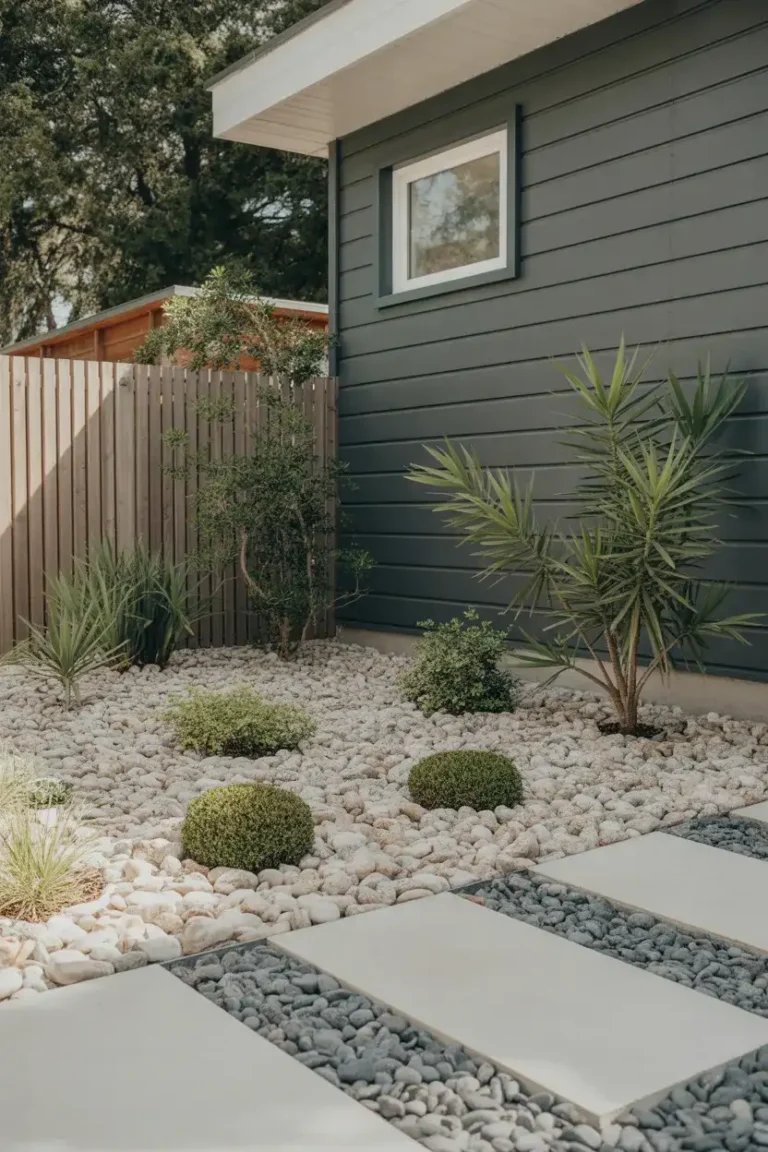
This garden idea is a game-changer for anyone who loves beautiful outdoor spaces but, let’s be honest, doesn’t have endless hours to maintain them. The concept: replace high-maintenance lawn or bare beds with a deep layer of decorative gravel, then plant it up with drought-tolerant perennials — Russian sage, ornamental alliums, stipa grasses, and lavender — that essentially look after themselves once established.
The color palette here leans into silvers, purples, and warm golden tones, which look gorgeous against pale limestone or golden gravel. Add a few large architectural plants like agaves or bold yuccas as focal points, and you have a garden that looks intentional, Mediterranean, and effortlessly cool year-round.
Expert Tip: Lay a quality water-permeable membrane under the gravel before planting. It suppresses weeds far more effectively than gravel alone and saves you hours of maintenance — this is the single step most people skip and then regret.
Why it works: Gravel gardens need watering rarely once plants are established, require no mowing, and actually look better in summer heat when traditional lawns turn brown and crispy. For gardeners in warmer, drier states especially, this approach is both beautiful and genuinely sensible.
5. The Potager — A French Kitchen Garden with Style
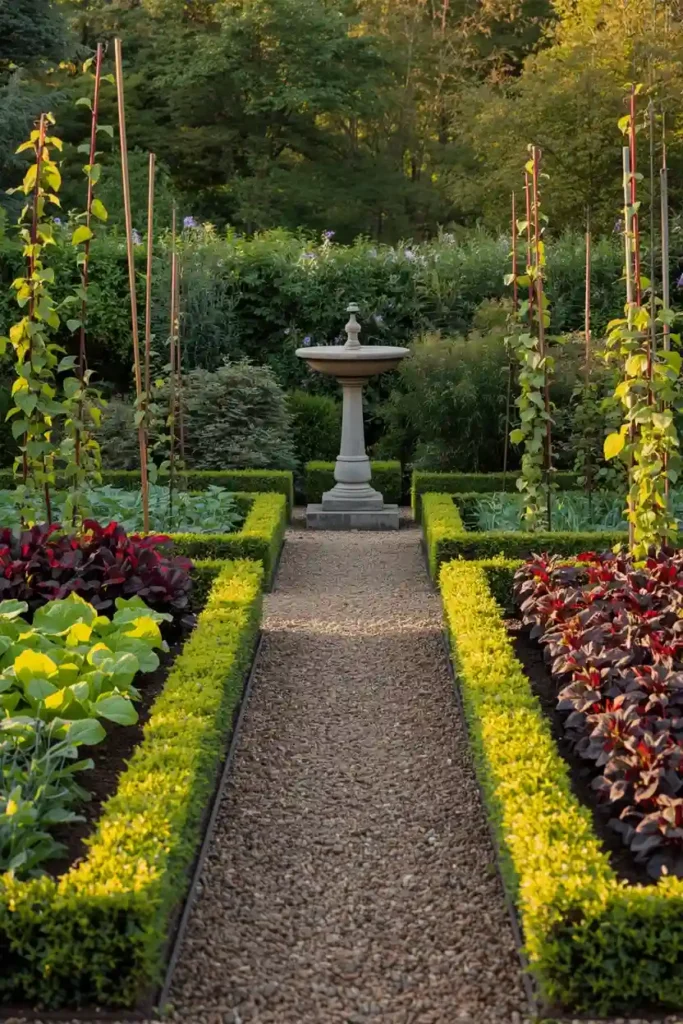
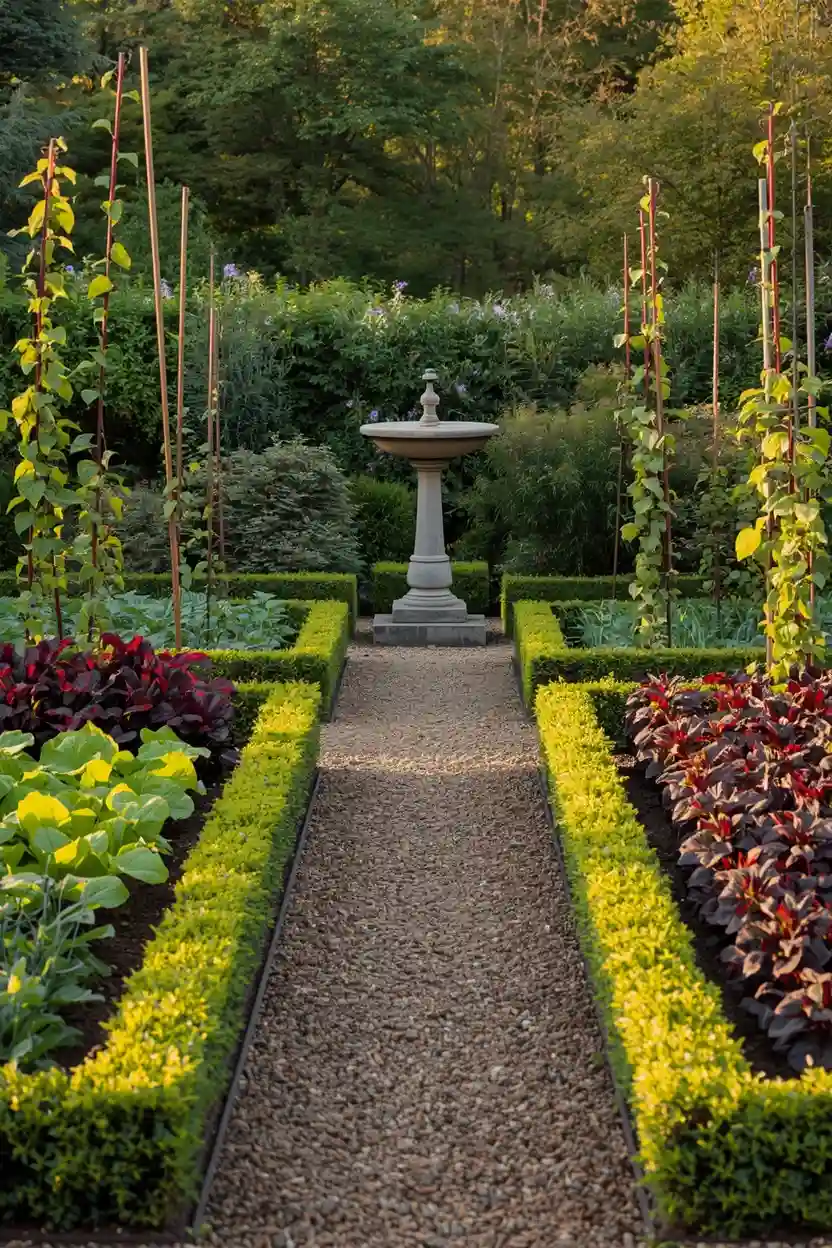
A potager is basically a kitchen garden that’s been told to dress up. Originating in France, it’s a productive vegetable and herb garden laid out in a formal, ornamental pattern — usually with geometric beds, low clipped hedges, and edible flowers mixed in with the vegetables for both beauty and pest control.
In practice, this looks like symmetrical raised beds with low boxwood or rosemary edging, a focal point at the center (a sundial, an obelisk, or a large pot of bay tree), and a mix of colorful Swiss chard, flowering nasturtiums, purple basil, and climbing sweet peas filling each section. It’s productive AND stunning.
Expert Tip: Use vegetables with decorative foliage as much as edible ones. Red-stemmed chard, purple kale, feathery dill, and climbing scarlet runner beans pull double duty as both food and ornamental plants, making your potager look lush from spring through fall.
Why it works: A potager solves the age-old conflict between wanting a beautiful garden AND wanting to grow your own food. By treating vegetables and herbs as design elements rather than purely utilitarian crops, you get a space that’s genuinely lovely to look at while also feeding your family all summer.
Most people don’t know this…
The single most effective way to transform a tired garden is not adding more plants — it’s adding structure. Paths, edging, levels, and focal points do more for a space than a truckload of new flowers ever will. Keep that in mind as you scroll through the rest of these ideas.
6. The Wildflower Meadow Lawn Replacement
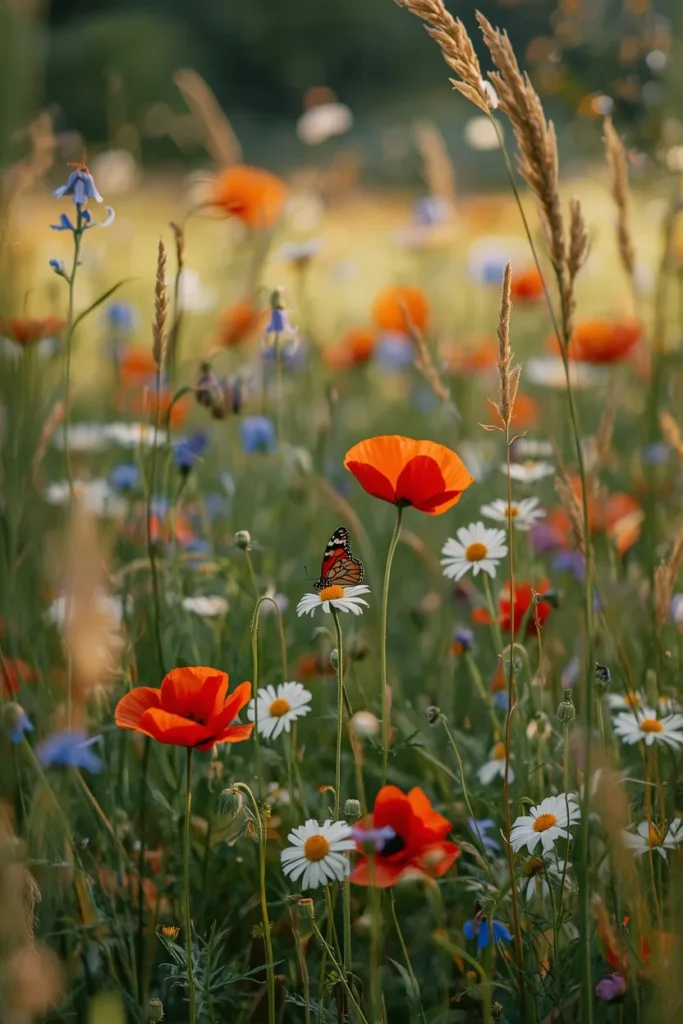
Here’s where it gets interesting: what if instead of fighting your lawn to be perfect, you let it go beautifully wild? A wildflower meadow in place of a conventional lawn is one of the most transformative — and low-cost — garden ideas on this list. Picture swaying cornflowers, poppies, ox-eye daisies, and wild grasses moving in the breeze, alive with butterflies and bees from June through September.
You don’t need a field to do this. Even a single 10×10 foot patch of wildflowers at the edge of a yard creates an incredible focal point and an ecosystem moment that you’ll find yourself stopping to watch every morning.
Expert Tip: For the easiest results, start with a wildflower seed mix specifically blended for your USDA hardiness zone. Prep the soil by removing turf and raking it to a fine tilth, then scatter seeds in fall for spring blooms. Do NOT add compost — wildflowers actually prefer poor soil.
Why it works: Wildflower meadows require almost zero maintenance after establishment (one annual cut in late fall is all that’s needed), cost a fraction of a traditional lawn to establish, actively support declining pollinator populations, and look so beautiful and lively that they’ve become one of the most-pinned garden ideas on the internet for good reason.
The Honest Garden Ideas Budget Breakdown (So You Can Actually Plan)
Let’s talk money — because garden inspiration means nothing if you can’t figure out what it costs.
Here’s a realistic breakdown of what each style of garden makeover actually runs, from DIY weekend project to full professional installation:
Budget Tier: Under $200 — DIY Weekend Projects
- Wildflower meadow patch: $15–30 for quality seed mix + minimal prep
- Container herb garden: $50–100 for pots, compost, and plants
- Gravel path update: $80–150 for a small pathway using bagged gravel
- New garden border from seed: $30–60 for seeds and soil amendment
Mid-Range Tier: $200–$800 — Weekend Projects with Some Investment
- Single raised vegetable bed (DIY cedar build): $150–300 depending on size
- Cottage garden border replanting: $200–500 depending on plant quantities
- Gravel + drought-tolerant planting area (small): $400–700 with quality plants
- Arch + climbing rose installation: $150–400
Transformation Tier: $800–$3,000+ — Significant but Worth It
- Full raised bed kitchen garden setup (3–4 beds): $800–1,500 DIY
- Potager with edging and focal point: $1,000–2,500
- Garden room with hedging and pergola: $1,500–3,500+
- Professional wildflower meadow conversion of large lawn area: $1,000–2,000
The honest truth? The wildflower meadow and the gravel garden offer the best results-to-budget ratio of anything on this list. The potager and garden room ideas are higher investment but will likely be the most-photographed and most-enjoyed spaces for years to come.
One more thing to factor in: time. A container herb garden is done in an afternoon. A hedge-enclosed garden room takes 3–5 years to mature. Budget your patience alongside your dollars.
7. The Vertical Garden Wall for Small Spaces
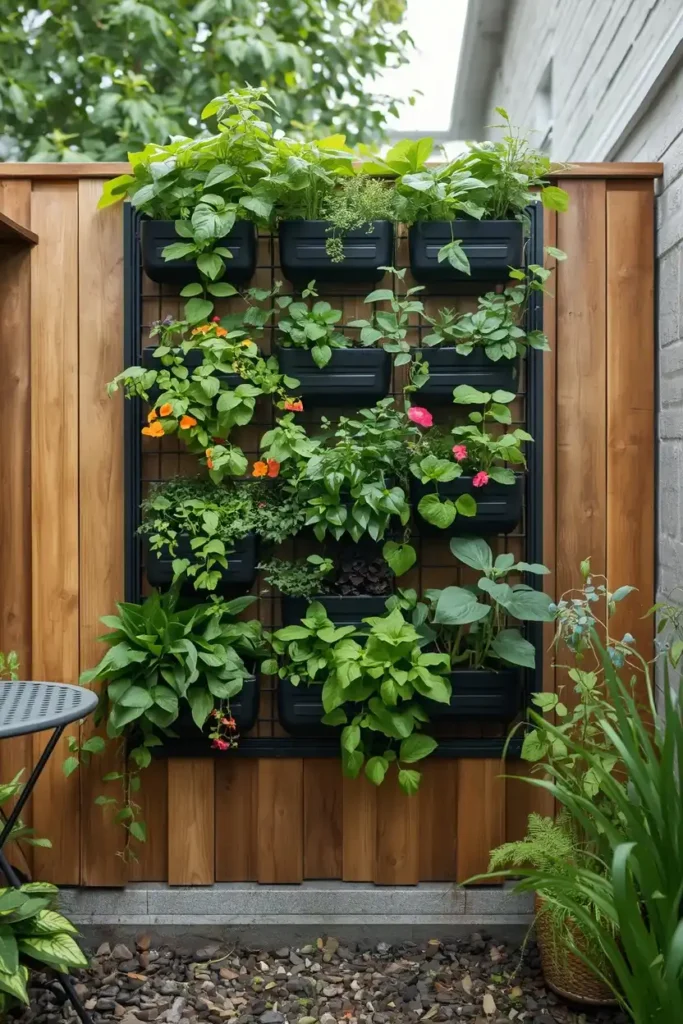
No yard? No problem. This garden idea is pure genius for apartment dwellers, townhouse owners, or anyone working with a tiny outdoor footprint. A vertical garden wall uses a modular planter system — or even repurposed pallets — mounted directly onto a fence, wall, or freestanding frame, creating a living wall of herbs, trailing plants, succulents, or even edible greens.
The visual impact is extraordinary. A plain fence becomes a lush green feature wall. A blank wall becomes a living artwork. And because you’re gardening vertically, you can pack an incredible amount of planting into a space that would otherwise have room for one or two containers at most.
Expert Tip: Weight is your main consideration with vertical gardens. Use lightweight perlite-enriched compost rather than regular potting soil, and if you’re mounting onto a fence or wall, make sure fixings can support the saturated weight of soil and plants — it adds up fast. For more small-space planting magic, check out our Balcony Garden Ideas guide — it’s packed with ideas that work even in the tiniest spaces.
Why it works: Vertical gardens solve the space problem, create privacy, reduce urban heat island effect, and can be designed to be genuinely stunning. They also allow easy harvesting when planted with herbs and salad greens — fresh basil and lettuce literally an arm’s reach from your kitchen door.
Now, avoid this mistake…
The biggest error people make with vertical gardens is planting everything at once in summer, then watching it wilt within weeks because vertical planters dry out fast. Always water-check daily in hot weather, or install a simple drip irrigation system from the start. Future you will be incredibly grateful.
8. The Japanese-Inspired Zen Garden
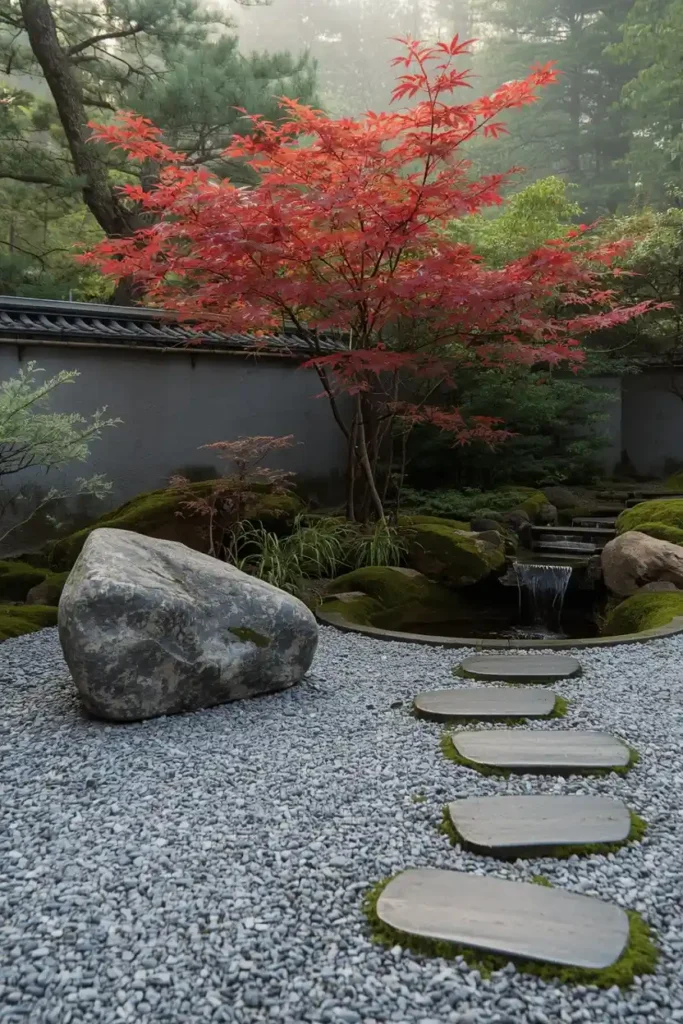
There is something about a well-designed Japanese-style garden that stops you in your tracks. The restraint. The careful placement of every stone. The moss, the raked gravel, the single perfectly pruned maple blazing red in fall. This garden idea is about intention over abundance — and the result is one of the most calming outdoor spaces you can possibly create.
Even in a small space, the principles translate beautifully: a simple gravel area with raked patterns, two or three large statement rocks, a clipped evergreen or Japanese maple, and possibly a bamboo water feature. The palette is green, grey, and brown, with seasonal moments of color from maple foliage or a single flowering cherry.
Expert Tip: The key to an authentic zen garden aesthetic is ruthless editing. Every element should earn its place. Remove anything that feels busy or cluttered. The negative space — the empty gravel, the quiet corners — is as important as the plants themselves. This is one garden style where less is genuinely, powerfully more.
Why it works: Beyond the beauty, Japanese garden design creates a space that is psychologically restorative. The simplicity, natural materials, and emphasis on mindful arrangement make it a genuine sanctuary — the kind of outdoor space people genuinely use every day rather than just look at.
9. The Wildlife and Pollinator Habitat Garden
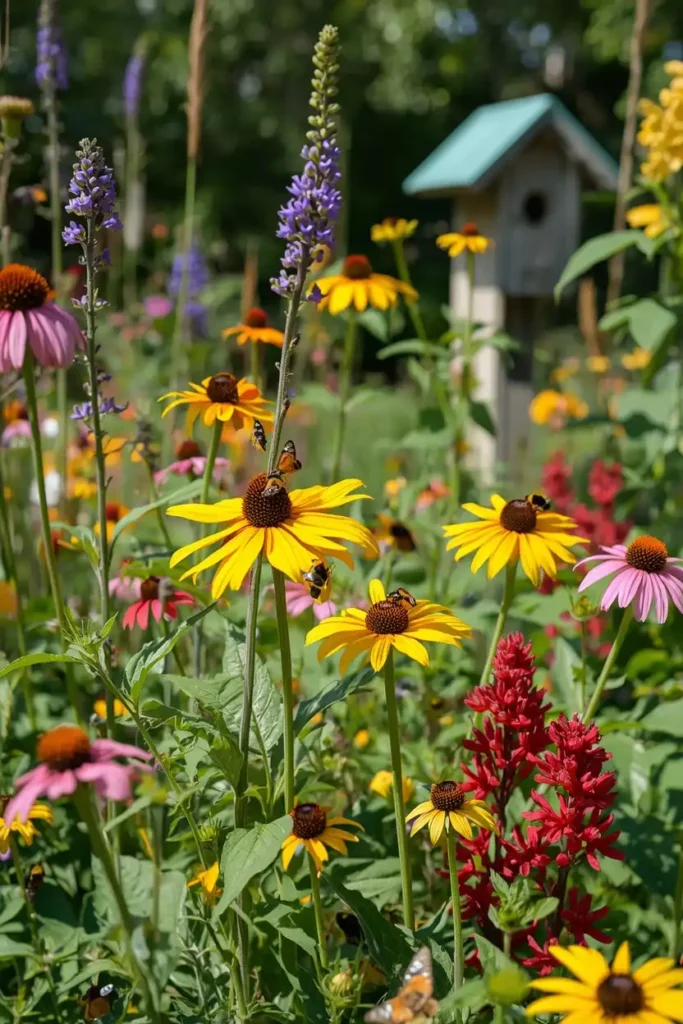
This garden idea has a purpose beyond aesthetics, and somehow that makes it even more beautiful. A pollinator habitat garden is designed from the ground up to support bees, butterflies, hoverflies, and birds — with every plant chosen not just for looks but for its ecological value.
In practice this looks like swathes of native perennials — coneflowers, black-eyed Susans, bee balm, native asters — mixed with flowering shrubs, a simple bird bath or small pond, and deliberately untidy corners left for overwintering insects. Log piles, a small bee hotel, and a patch of unmown grass complete the picture.
Expert Tip: Native plants are your best starting point because local pollinators have co-evolved with them. A patch of native wildflowers will attract ten times more pollinators than the same area planted with exotic ornamentals, however beautiful those exotic plants might be. You’d also love our Garden Bird Feeders Ideas guide for bringing even more wildlife into your space!
Why it works: A pollinator garden actively helps reverse insect decline — one of the most pressing environmental issues of our time — while also being beautiful, low-maintenance, and genuinely alive in a way that manicured gardens often aren’t. Watching butterflies work through a meadow border on a summer afternoon is, quite frankly, one of the best things a garden can give you.
Are you more drawn to the wild and naturalistic style, or do you prefer the formal and structured look? Tell me in the comments — I genuinely want to know what speaks to you!
10. The Outdoor Living Room Garden
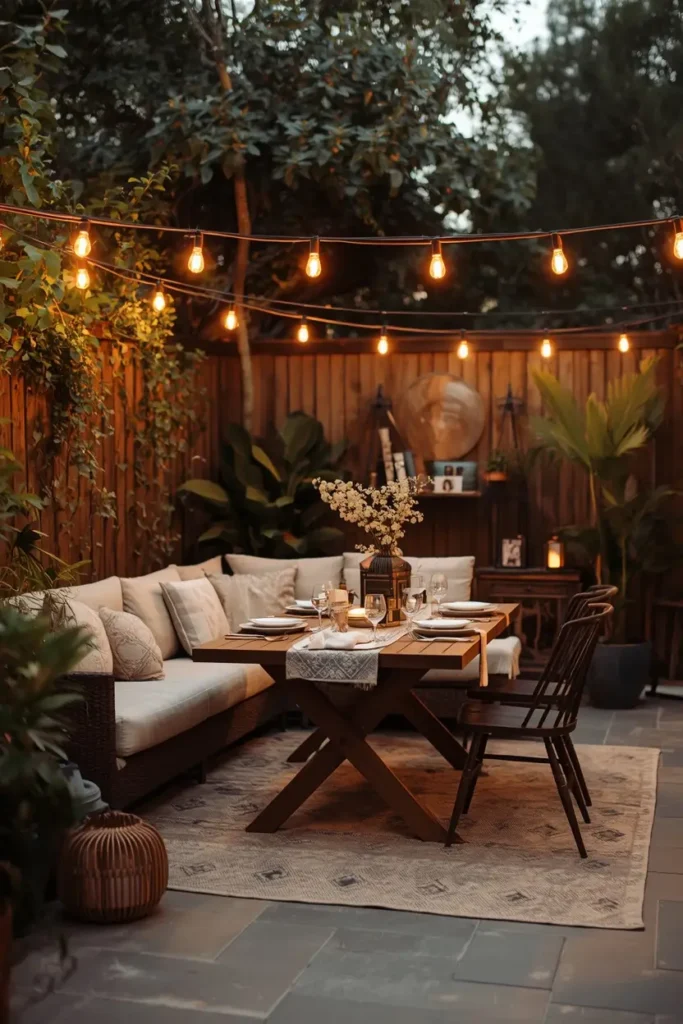
This is the garden idea that changes how you live. Rather than treating the garden as something to look at from the window, the outdoor living room concept treats your outdoor space as a full extension of your home — a room without a roof that you actually spend time in.
This looks like a defined seating area with a quality outdoor sofa set, a dining area with a large table, pendant lighting or string lights above, an outdoor rug to define the space, a firepit or chimenea for cooler evenings, and lush container planting all around to soften the edges and add privacy. Done well, it feels like a room — cozy, purposeful, and completely irresistible.
Expert Tip: The single thing that elevates an outdoor living area from “patio furniture on concrete” to “actual outdoor room” is overhead lighting. String lights, lanterns, or a simple outdoor pendant above the dining table transform the space after dark and extend the hours you’ll actually use it. Pair this with our Outdoor Patio Ideas for even more ways to style your outdoor living space.
Why it works: Research consistently shows that time spent outdoors improves mental health, sleep quality, and overall wellbeing. Designing your garden to be genuinely livable — rather than just garden-pretty — gives you one more compelling reason to step outside every single day, which is ultimately the whole point.
What’s the one outdoor living upgrade that would make the biggest difference to your daily life? I’d love to hear your dream addition in the comments!
Bringing It All Together: Your Next Step
Here’s what I want you to take away from all of this: your garden is not a project you have to finish. It’s a place you’re always in the process of making more like you.
You don’t need to implement all ten of these garden ideas at once. Pick the one that made you lean in, screenshot it, save this post, and start there.
Maybe it’s a single raised bed this weekend. Maybe it’s scattering wildflower seeds along that neglected fence line. Maybe it’s finally ordering those outdoor string lights you’ve been putting off since last summer.
Whatever it is — start small, start now, and watch how one good idea leads to another.
And when you’re ready for your next project, we’ve got you covered. Explore our Small Front Yard Landscaping Ideas to bring that same magic to your front garden — because curb appeal matters too, and there are some genuinely brilliant budget ideas waiting for you over there.
Happy gardening. Your outdoor space is about to become your favorite room in the house.