15 Free DIY Elevated Garden Bed Plans You Can Build
This article was created in line with Trends Oraa’s research and content standards.
Hey there, fellow green thumbs! 🌱 Have you ever dreamed of growing your own lush veggies, vibrant flowers, or fresh herbs, but felt limited by your backyard—or even just a tiny balcony? Well, DIY elevated garden bed plans might just be your secret weapon. They’re perfect for maximizing space, improving soil quality, andmaking gardening easier on your back. And the best part? You don’t need a ton of experience to build one.
I’ve been dabbling in DIY garden projects for years, and let me tell you: nothing beats the satisfaction of planting seeds in a bed you built with your own hands. In this article, I’m sharing 15 free DIY elevated garden bed plans that you can start building this weekend. Whether you’re a first-time gardener or a seasoned pro, there’s something here for everyone.
Why Build an Elevated Garden Bed?
Before we jump into plans, let’s talk about why elevated garden beds are awesome. Honestly, the benefits go beyond aesthetics.
Better Soil & Drainage
One of the biggest perks? You control your soil quality. No more wrestling with clay-heavy or compacted ground. Elevated beds improve drainage, reducing waterlogging and root rot.
Easy Access & Less Strain
Are you tired of bending over constantly? Same here, IMO. Elevated beds mean less back pain and easier access for planting, weeding, and harvesting.
Pest Control
Raising your plants off the ground helps keep pesky critters like rabbits and ground-dwelling insects at bay. Bonus: it can even deter weeds from creeping in.
Aesthetic Appeal
Let’s be real—elevated beds look sharp. You can use different woods, shapes, or paint colors to match your garden style. Trust me, neighbors notice!
1. Simple Wooden Box Garden Bed
If you’re a beginner, this is a great place to start.
Materials:
- Untreated cedar or pine wood planks
- Screws and brackets
- Drill
Steps:
- Cut four planks to your desired length.
- Assemble into a rectangle using screws and brackets.
- Add soil, compost, and start planting!
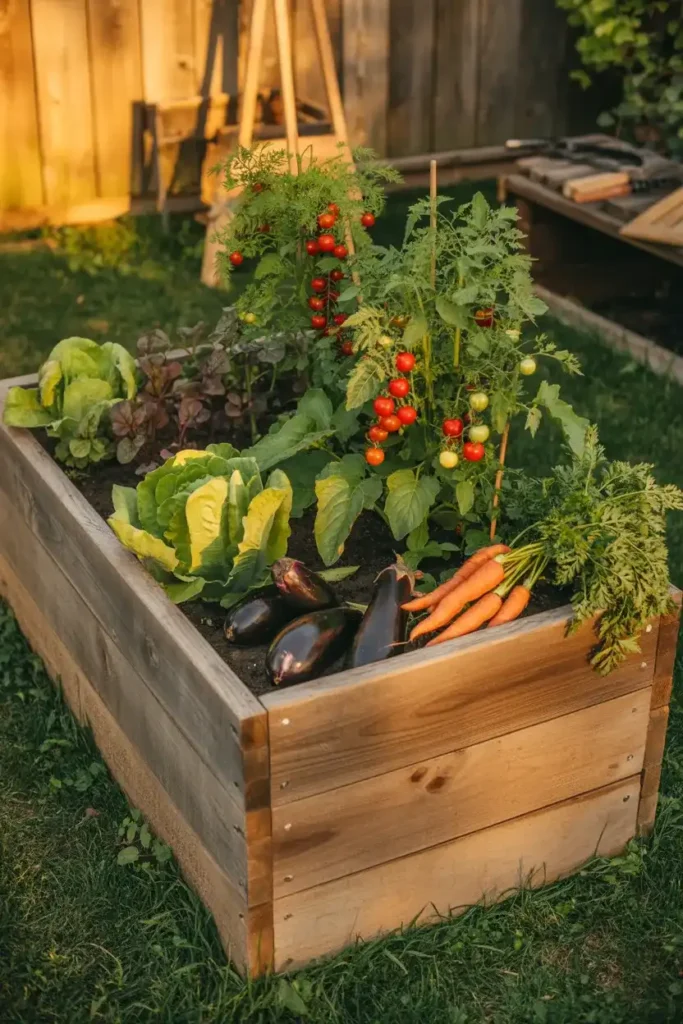
Pro Tip: Cedar resists rot naturally, so your bed can last years without treatment.
2. Tiered Elevated Garden Bed
Want to grow multiple crops in a small area? A tiered bed is perfect.
- Build three boxes of different sizes.
- Stack them, largest on bottom.
- Secure with screws.
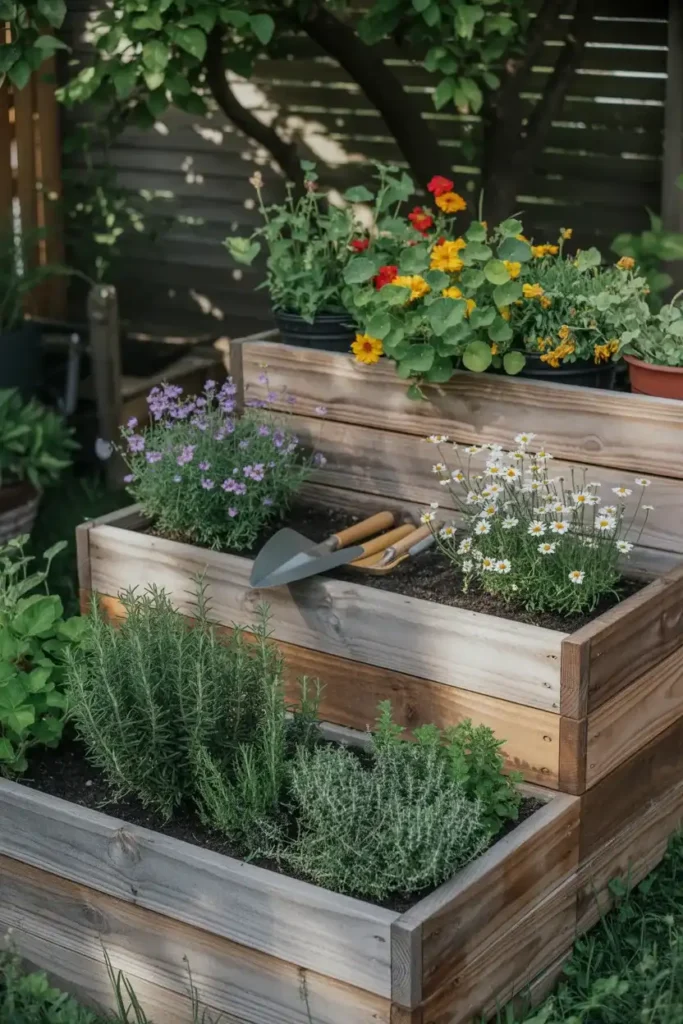
This design maximizes vertical space, making it perfect for balconies or small backyards. 🌿
3. Pallet Raised Bed
FYI, this one’s super budget-friendly.
Materials: Old wooden pallets, nails, hammer, saw.
- Disassemble pallets carefully.
- Arrange planks into a rectangular box.
- Nail together and fill with soil.
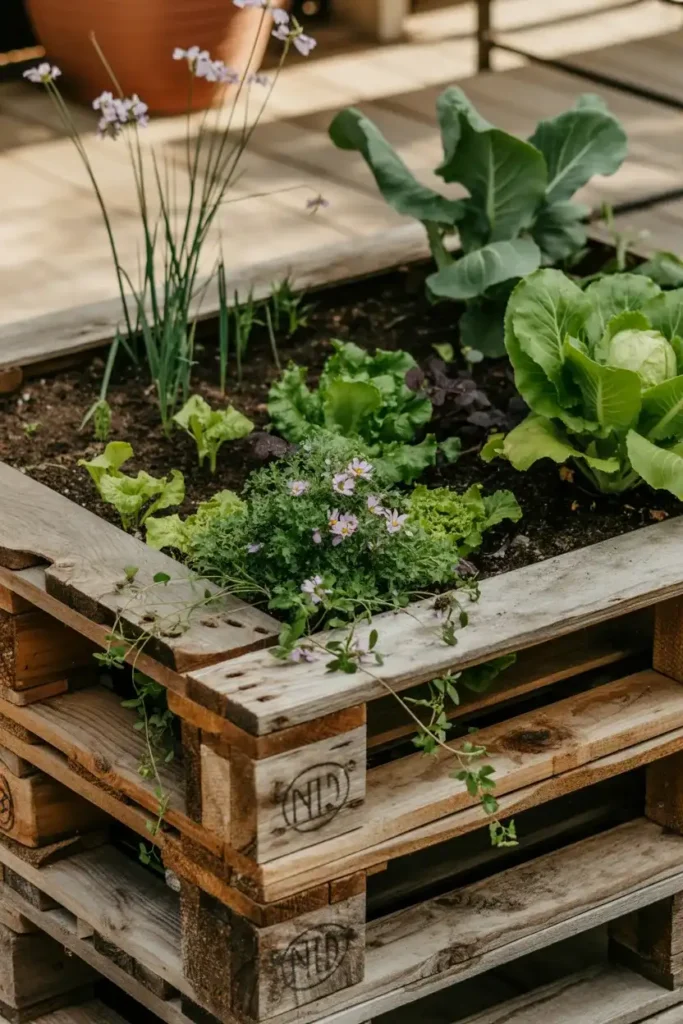
It’s an eco-friendly option, recycling old wood while saving money.
4. Concrete Block Garden Bed
For a more industrial, low-maintenance vibe, consider concrete blocks.
- Stack blocks into your desired shape.
- Fill gaps with soil or small rocks.
- Plant your seeds directly in the soil-filled blocks.
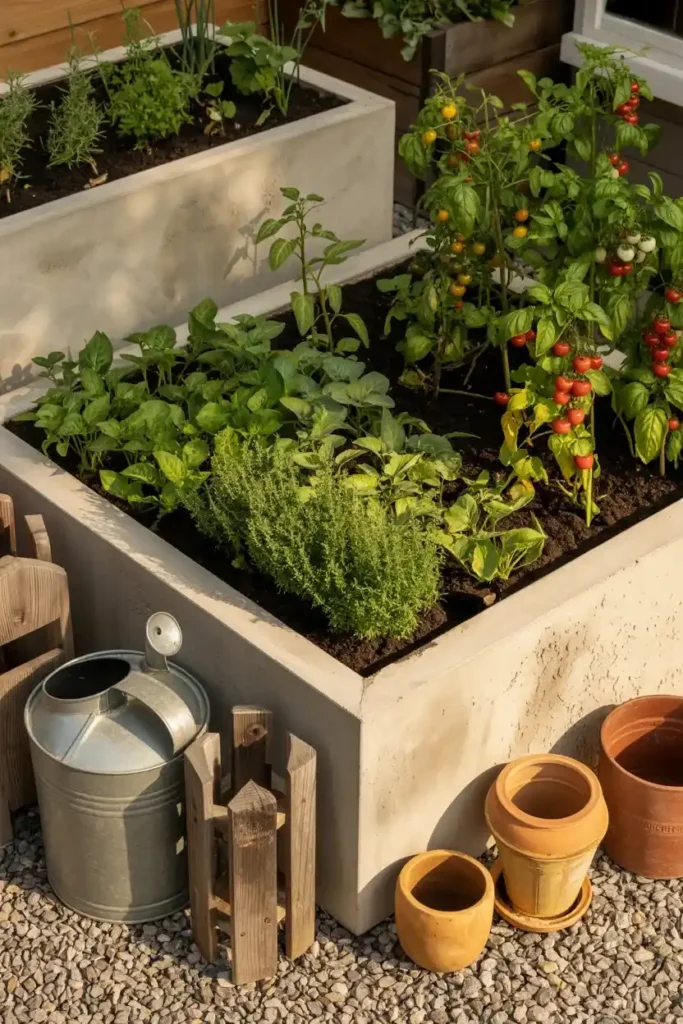
Bonus: You can add creeping plants around the blocks for a cute, rustic look.
5. Wattle Garden Bed
Ever tried something a little whimsical? Wattle beds use woven sticks and branches to create natural walls.
- Collect flexible branches.
- Drive stakes into the ground for the frame.
- Weave branches around the stakes.
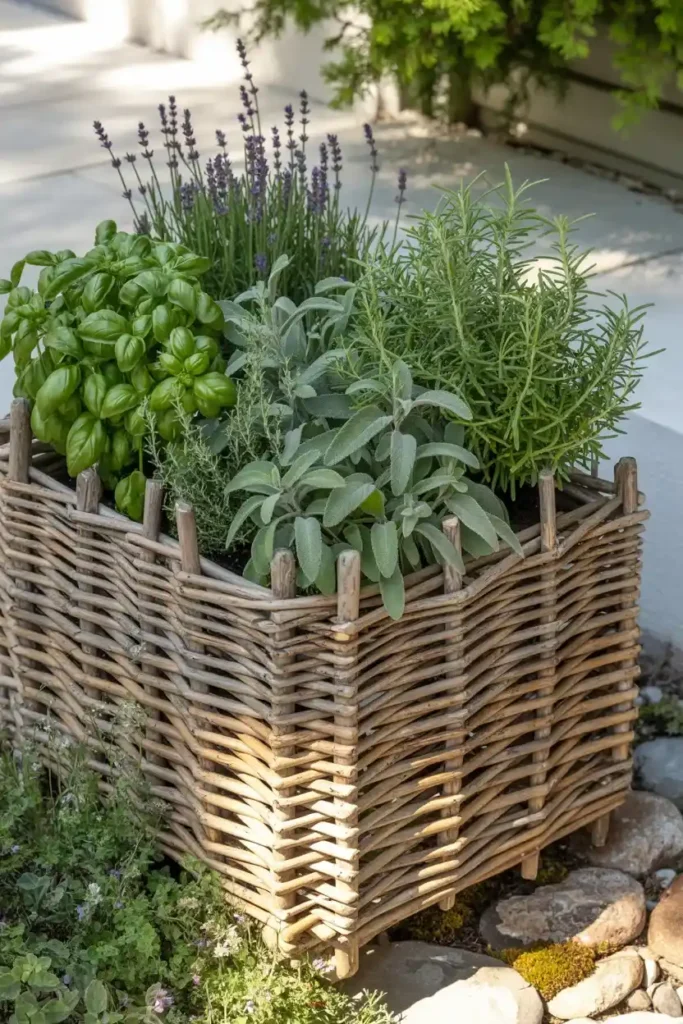
Perfect for a cottage-style garden. It’s rustic, charming, and surprisingly sturdy!
6. Rotating Herb Garden Bed
Want fresh herbs all year? Try a circular elevated bed that rotates.
- Build a round bed with wooden planks.
- Mount it on a lazy Susan mechanism (or DIY with a rotating disc).
- Plant your herbs by sunlight preference.
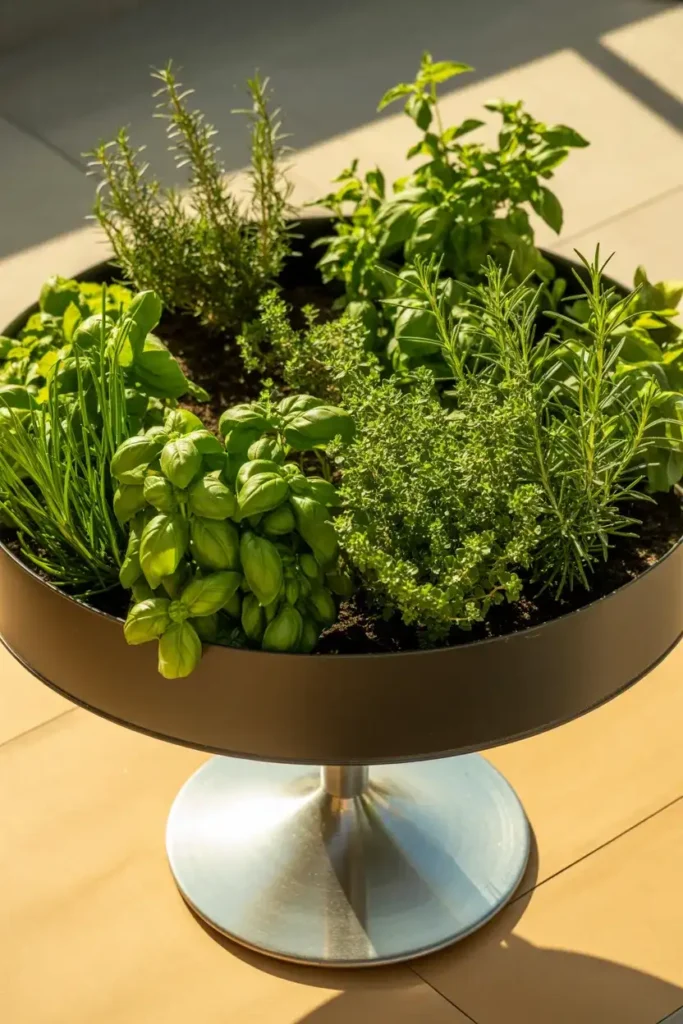
This ensures all herbs get equal sun, and it’s a fun project for the techie gardener.
7. Recycled Wine Crate Planter
For small spaces, wine crates are fantastic.
- Stack or align crates in a tier.
- Drill small drainage holes.
- Add soil and your favorite plants.
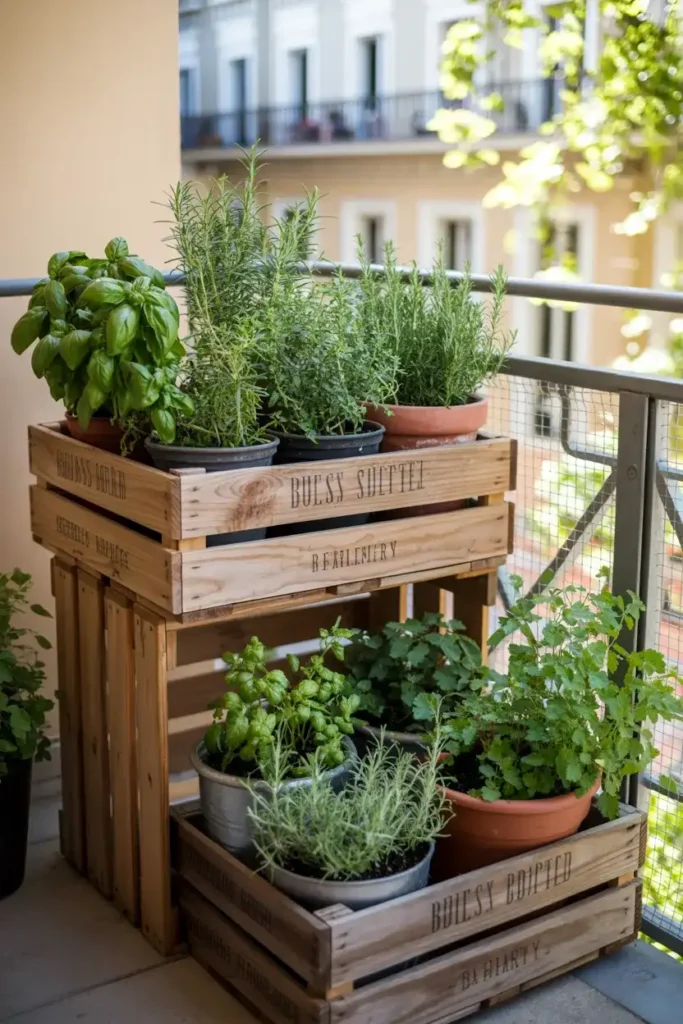
IMO, they add instant charm to patios or kitchens. 🍷
8. Galvanized Steel Raised Bed
If you like a modern, sleek look, galvanized steel is your friend.
- Cut steel sheets to your desired dimensions.
- Secure corners with brackets.
- Fill with rich soil mix.
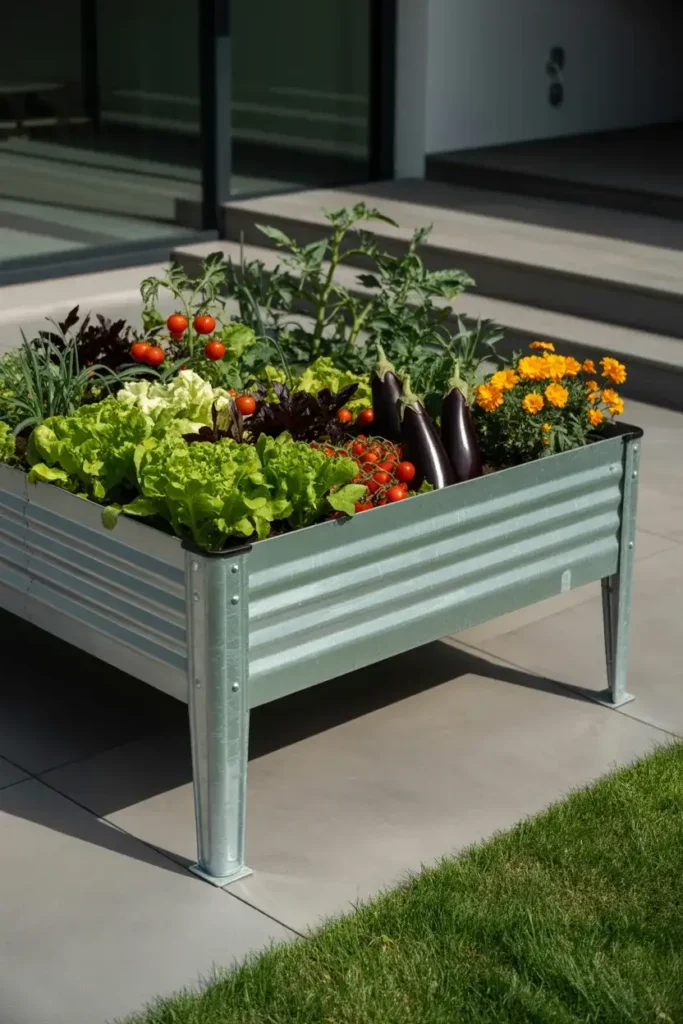
Steel is durable, weather-resistant, and gives your garden a contemporary vibe.
9. Bench-Integrated Garden Bed
Two-in-one alert: this plan combines seating and planting.
- Build a bench with a cavity underneath for soil.
- Reinforce the cavity to hold weight and soil.
- Plant flowers, herbs, or small veggies.
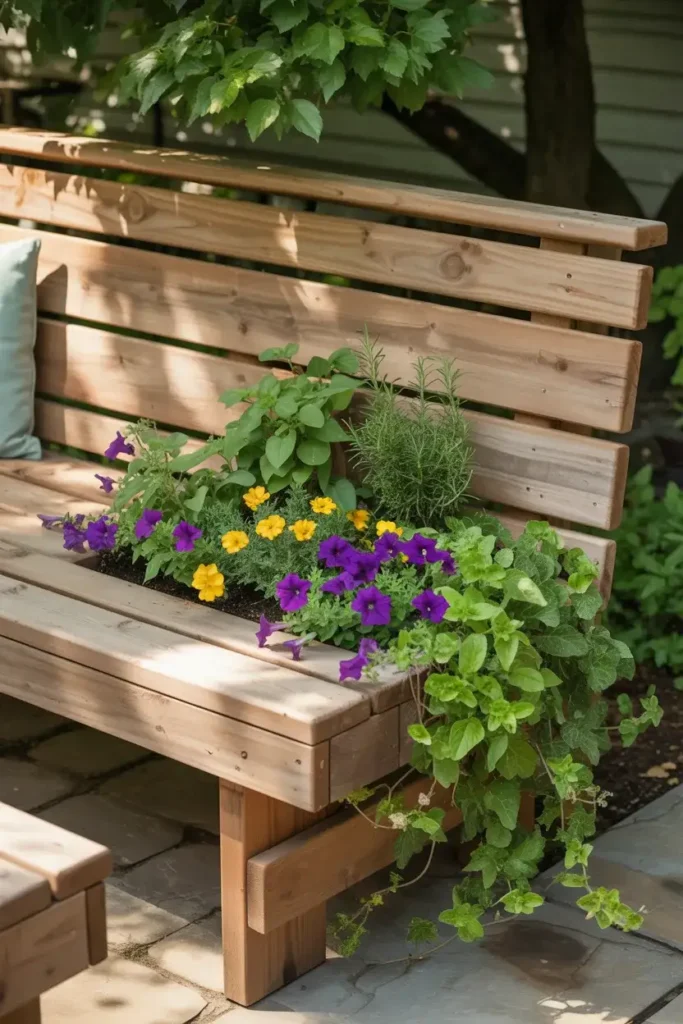
It’s a practical and beautiful design—perfect for entertaining.
10. Hoop House Elevated Bed
Want to extend your growing season? Add a mini hoop house to your raised bed.
- Build a standard bed.
- Add PVC pipe arches.
- Cover with greenhouse plastic.
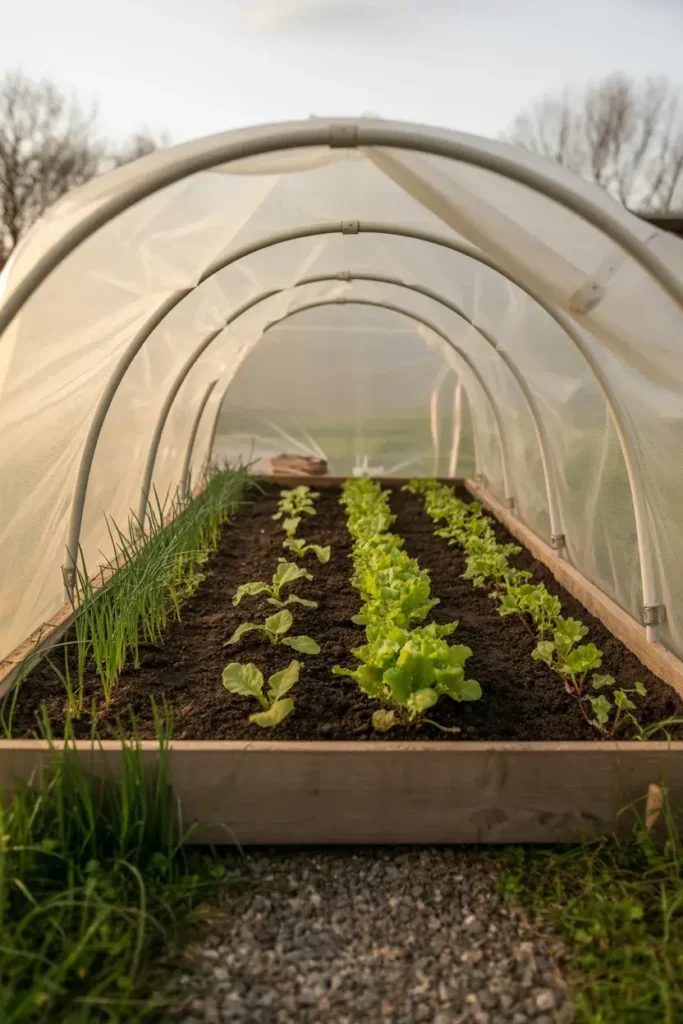
You’ll get warmer temperatures, ideal for early spring planting.
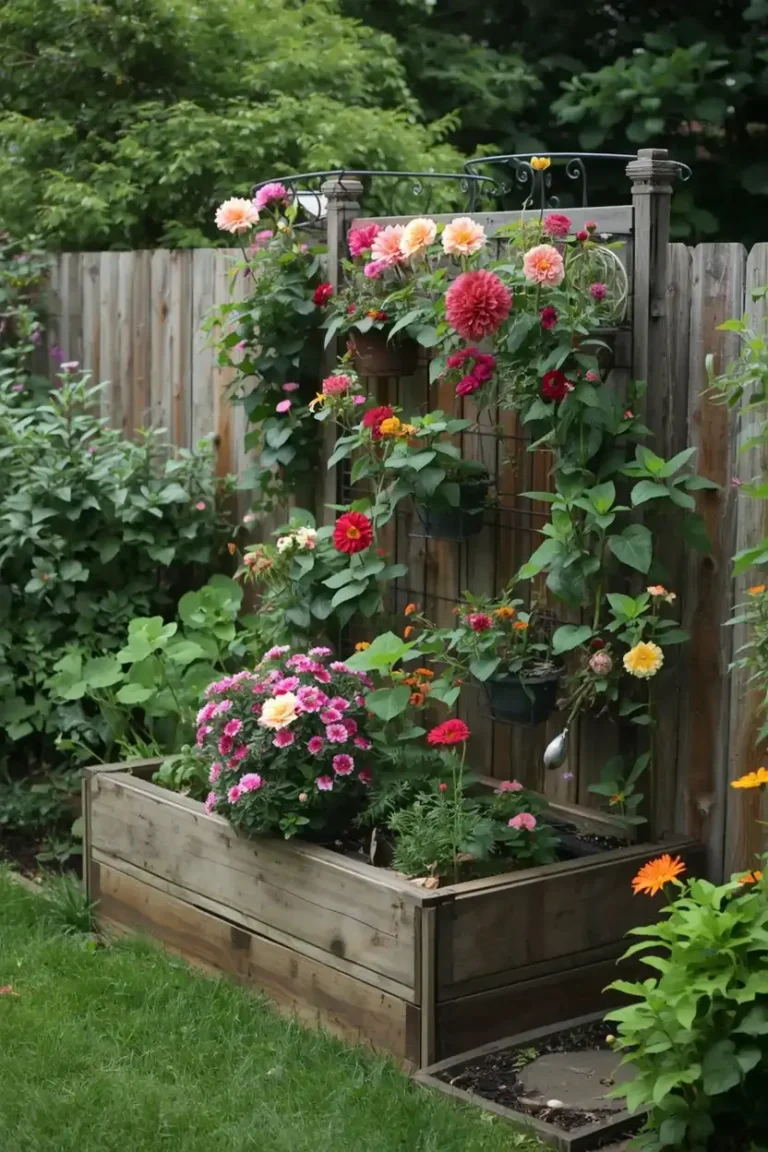
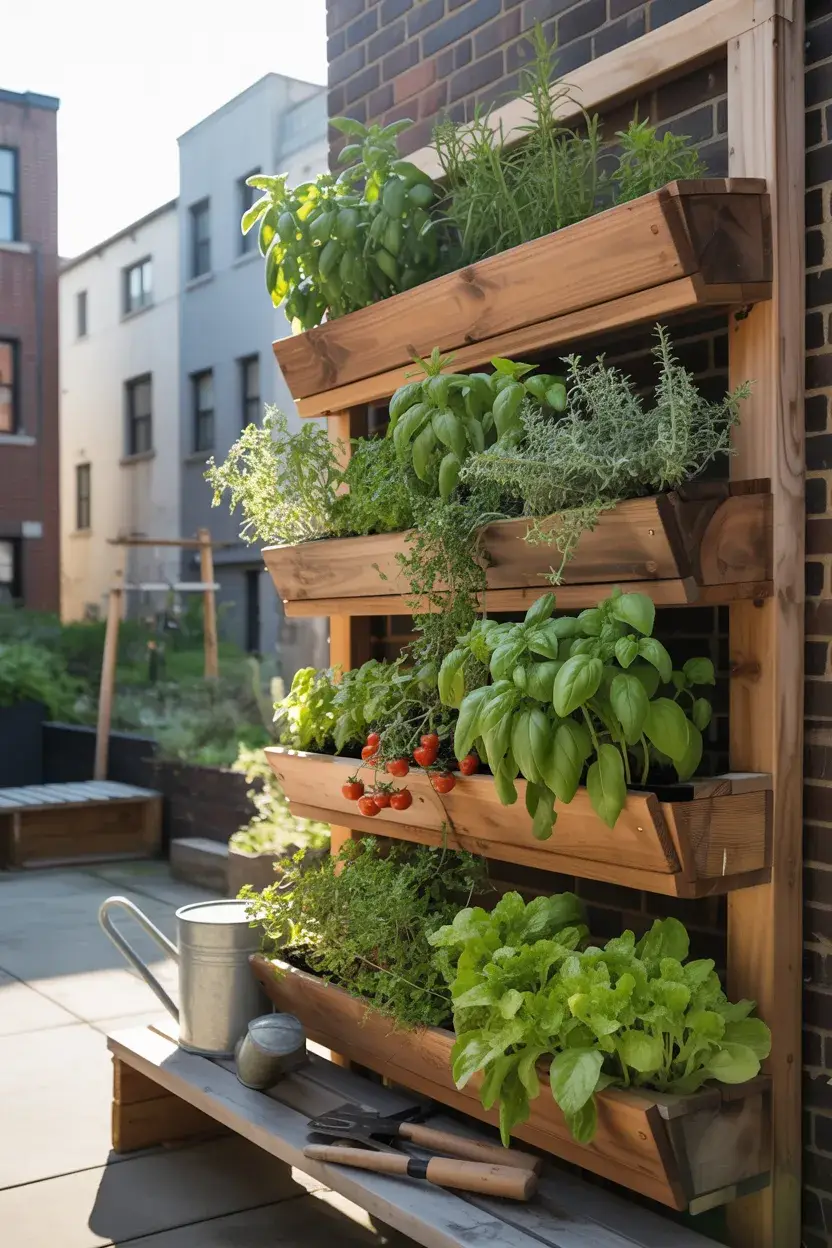
11. Vertical Wall Garden Bed
Got zero ground space? Try vertical gardening.
- Mount wooden boxes or planters on a wall or fence.
- Stack vertically.
- Fill each with soil and plants.
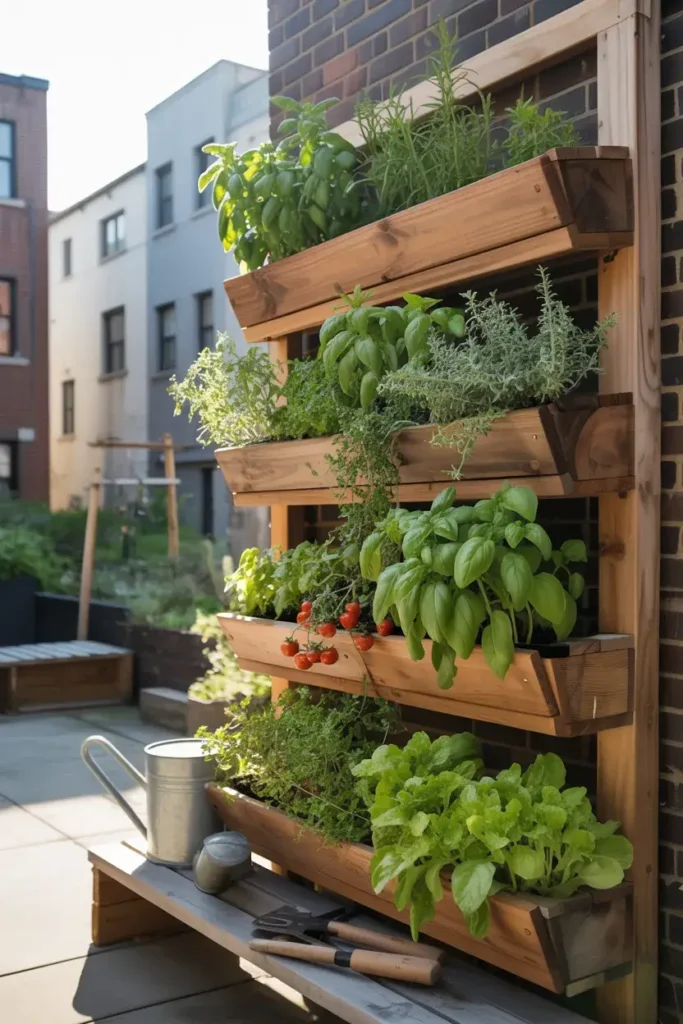
Great for herbs, lettuces, and small flowers, this design is space-saving and visually appealing.
12. Pallet Herb Tower
A twist on vertical gardens: a pallet tower.
- Take a wooden pallet and line it with landscape fabric.
- Fill the compartments with soil.
- Plant herbs or succulents in each pocket.
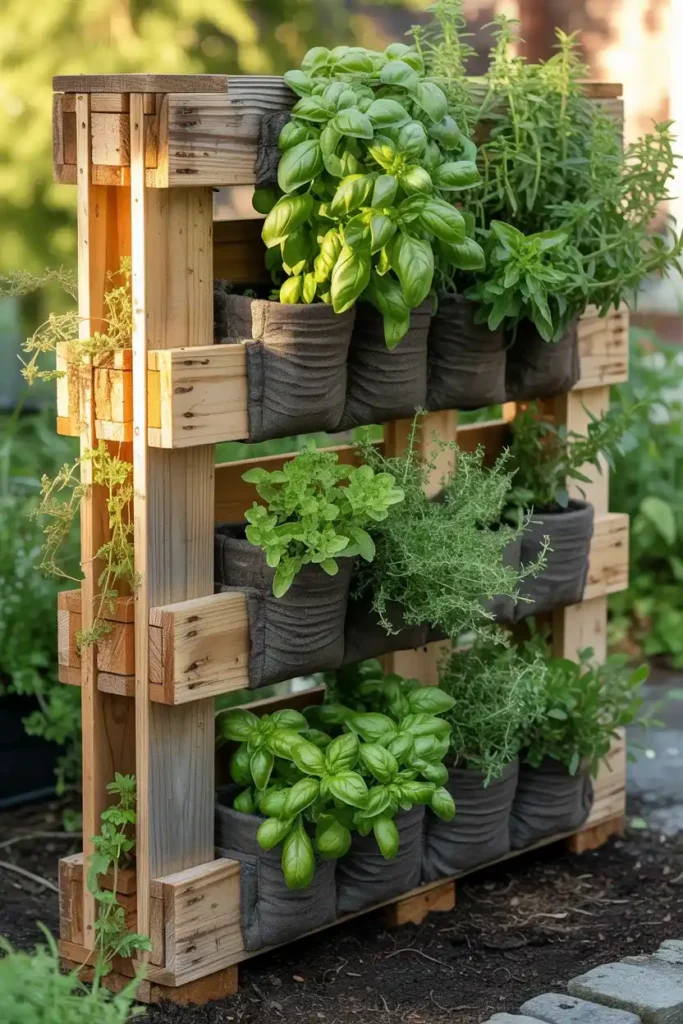
It’s super compact, perfect for balconies or tiny backyards.
13. Log Raised Bed
Feeling rustic? Use logs to frame your bed.
- Cut logs to desired length.
- Arrange in a square or rectangle.
- Fill with soil and compost.
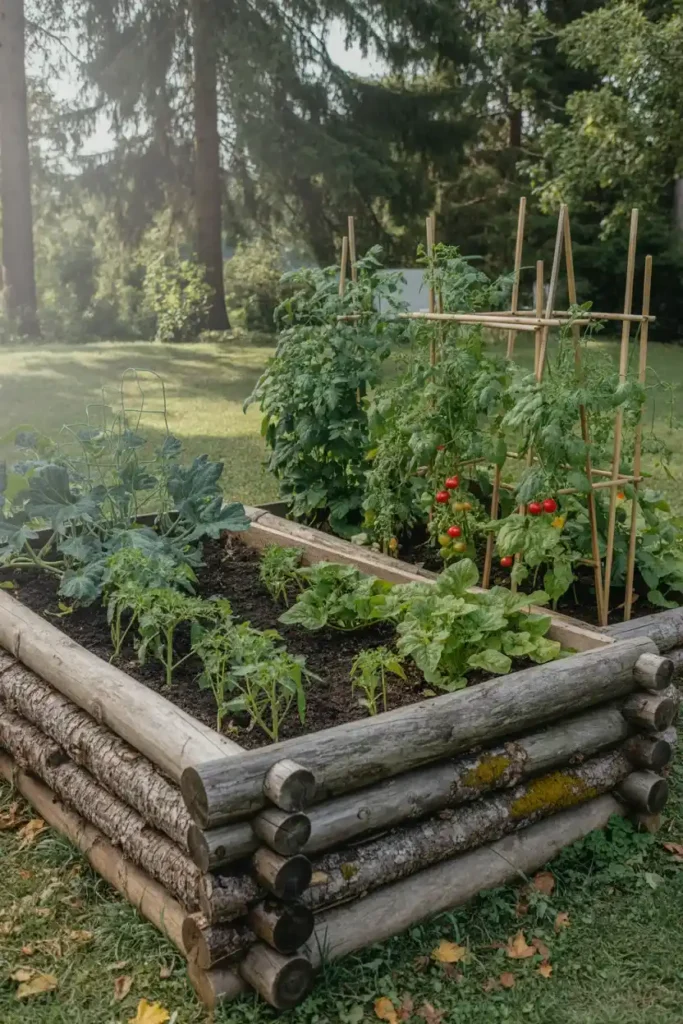
Pro Tip: Use logs from untreated trees to avoid chemicals leaching into your soil.
14. Step-Style Garden Bed
For sloped yards, a stepped design works like magic.
- Build multiple beds, each slightly higher than the last.
- Secure with stakes or brackets.
- Plant cascading vegetables like tomatoes or lettuce.
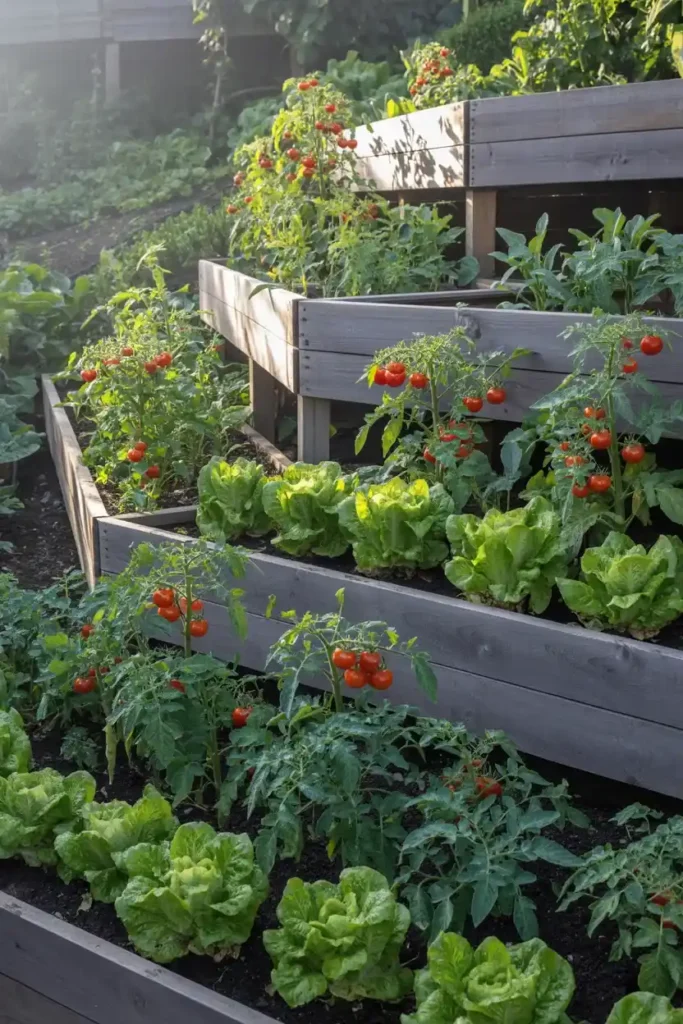
This creates natural terraces and prevents soil erosion.
15. PVC Pipe Elevated Bed
A light, modular option: PVC pipe frame.
- Construct a rectangle or square frame using PVC pipes.
- Cover with landscape fabric.
- Fill with soil and plant.
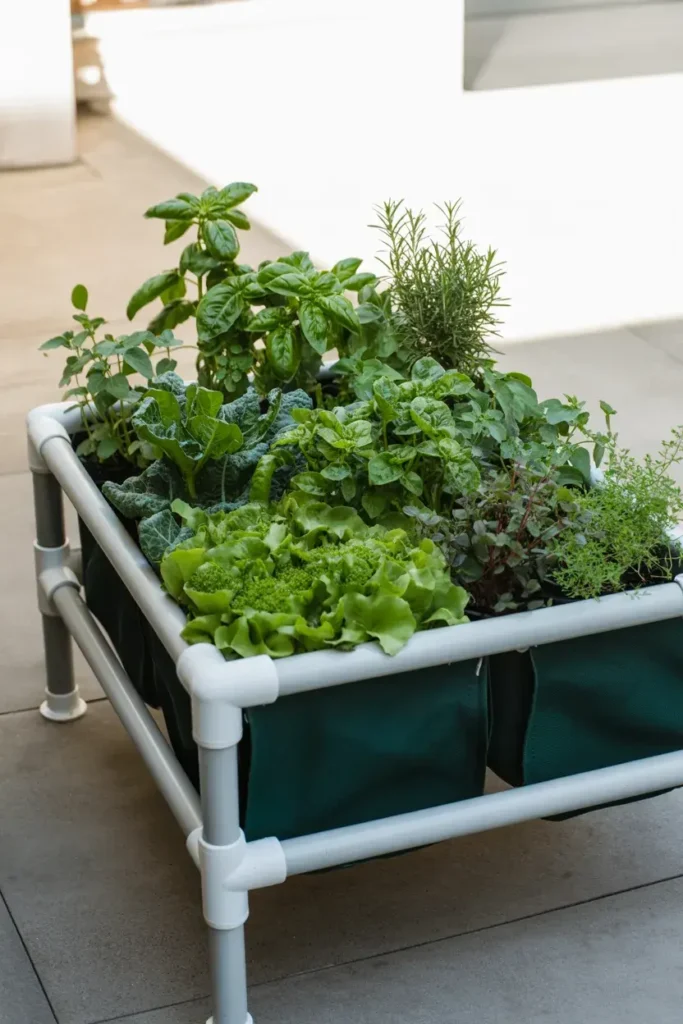
Bonus: It’s portable, so you can move it around for sunlight or weather adjustments.
Tips for All DIY Elevated Garden Beds
No matter which plan you choose, here are some universal tips to keep in mind:
- Choose the right soil mix: A good mix is typically 1/3 compost, 1/3 topsoil, 1/3 garden soil.
- Ensure drainage: Drill holes or use gravel at the bottom to prevent waterlogging.
- Sunlight matters: Most veggies need 6–8 hours of sunlight daily.
- Add mulch: Keeps soil moist and reduces weeds.
- Water regularly: Elevated beds dry out faster, so check moisture often.
Wrapping It Up
There you have it—15 free DIY elevated garden bed plans that are fun, functional, and flexible. From rustic log beds to sleek steel designs, there’s something for everyone. I hope you’re feeling inspired to roll up your sleeves and start building.
Remember: the best garden beds aren’t just about the plants—they’re about creating a space that feels like your little slice of paradise. And trust me, the first time you dig your hands into soil you built yourself? Pure magic. ✨
So, which plan will you try first? Go grab some wood, pallets, or even concrete blocks, and let your inner gardener shine. Happy building—and even happier planting!