10 Living Room Feature Wall Ideas That Instantly Upgrade Any Space
This article was created in line with Trends Oraa’s research and content standards.
Most homeowners don’t realize this.
One flat, forgettable wall is the reason an entire living room feels unfinished.
That’s why new furniture, new pillows, and new rugs never quite solve the problem.
The good news? The fix isn’t a full renovation — it’s usually just one wall.
If you’ve been searching for living room feature wall ideas that actually transform a room instead of just adding another shelf, you’re in exactly the right place. You might also love our guide on Living Room Wallpaper Ideas if wallpaper is already on your radar — it pairs perfectly with everything coming up below.
This isn’t a list of vague inspiration photos. These are 10 real, buildable living room feature wall ideas, broken down piece by piece, so you know exactly what you’re looking at, why it works, and what mistake to avoid before you pick up a paintbrush.
Let’s get into it.
Why Living Room Feature Wall Ideas Make Such a Big Impact
Here’s the thing nobody tells you about living rooms: the furniture rarely gets blamed for a flat, unfinished feeling.
The walls do.
But here’s the important part: a feature wall doesn’t need to be loud or expensive to work — it just needs to be intentional.
The ten ideas below show exactly how to make one wall carry the whole room.
1. The Board and Batten Accent Wall
What You’re Seeing
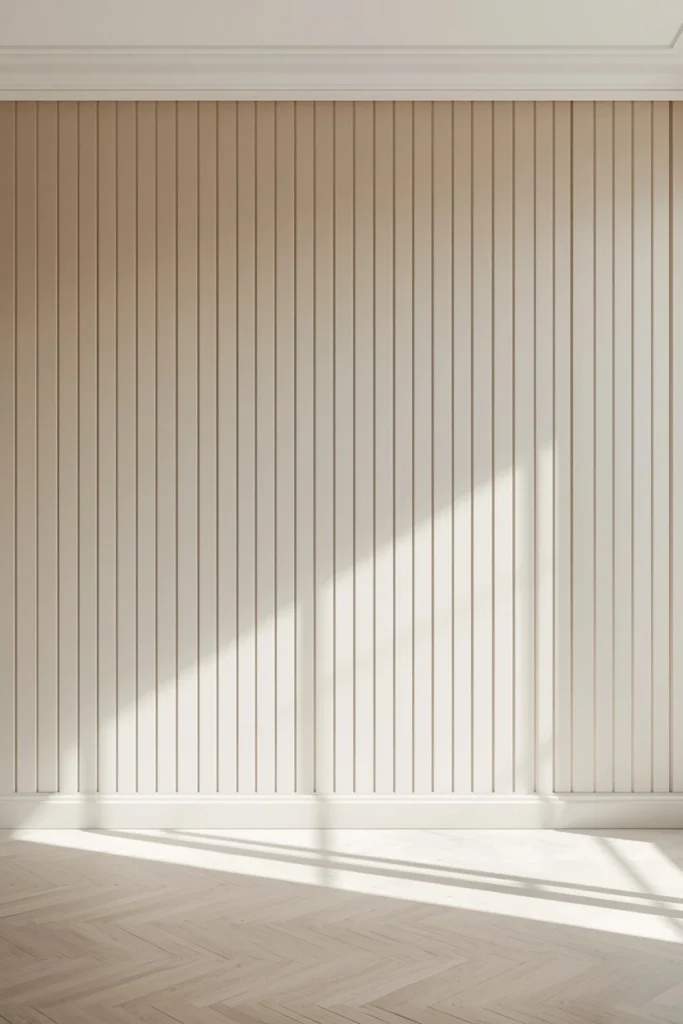
Vertical wooden battens spaced evenly across a painted wall, creating clean architectural lines from floor to ceiling, painted in a soft matching tone for a built-in, custom look.
Design Breakdown
Board and batten adds dimension and texture without relying on color or pattern, which makes it one of the most versatile living room feature wall ideas for almost any design style.
Expert Tip
Paint the battens and the wall behind them the exact same color for a subtle, shadow-driven look, or contrast them for a bolder statement.
Why It Works
The repeated vertical lines draw the eye upward, which makes ceilings feel taller and the whole room feel more architecturally finished.
Best For
- Large spaces
- Luxury homes
- Families
Common Mistake To Avoid
Spacing the battens unevenly or too far apart, which breaks the clean, rhythmic look this style depends on.
Quick Wins
- Works with almost any existing furniture style
- Adds resale value as a semi-permanent upgrade
- Pairs well with our Wall Paneling Ideas for more textured wall inspiration
2. The Bold Wallpaper Statement Wall
What You’re Seeing
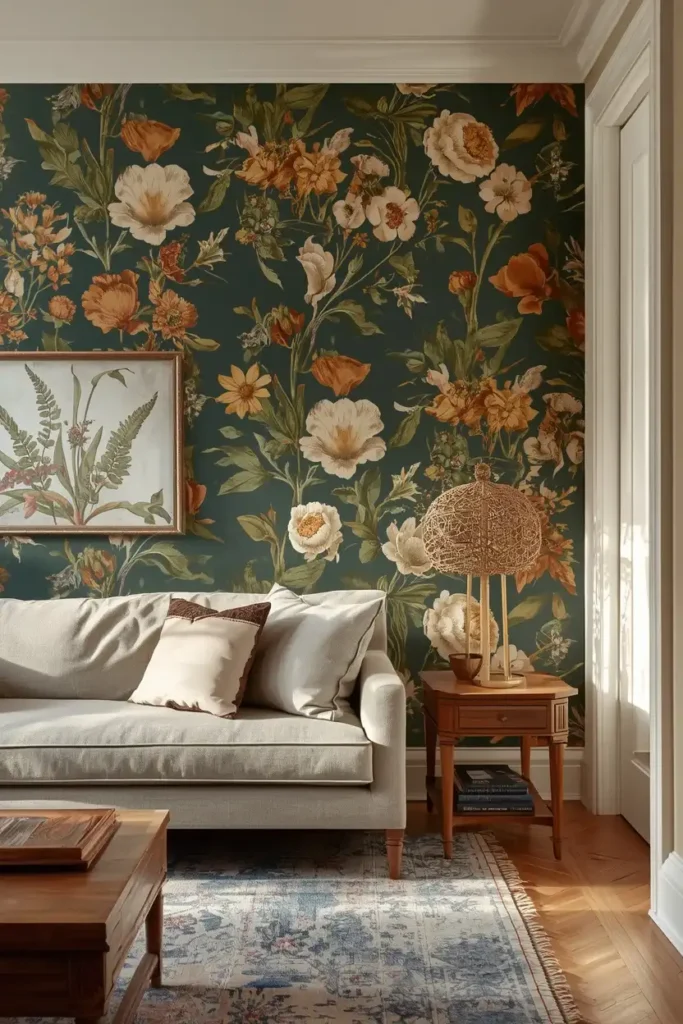
A single wall covered in a richly patterned wallpaper — think deep botanical prints or geometric shapes — while the remaining three walls stay a simple, neutral color.
Design Breakdown
Wallpapering just one wall lets you commit to a bold pattern without overwhelming the whole room, giving you drama and personality in a contained, manageable dose.
Expert Tip
Choose the wall behind the sofa or the one you see first when entering the room — that’s the wall that gets the most visual attention and benefits most from the statement.
Why It Works
A single patterned wall acts as a natural focal point, anchoring the room’s color palette and giving every other design decision, from pillows to art, a clear direction to follow.
Best For
- Small spaces
- Large spaces
- Luxury homes
- Renters
Common Mistake To Avoid
Choosing a pattern scale that’s too small for the wall size — tiny prints can read as busy and cluttered on a large feature wall.
Quick Wins
- Removable wallpaper options work great for renters
- Instantly adds personality without new furniture
- Pairs beautifully with our 10 Stunning Wallpaper Ideas To Elevate Your Home Decor
Most people don’t know this: the single biggest reason a statement wallpaper wall looks amazing in photos but underwhelming in person comes down to lighting, not the wallpaper itself. One thing I’ve learned from watching these installs come together is that a wall with good ambient and accent lighting makes even a modest pattern look intentional and rich, while a poorly lit wall can flatten even the boldest wallpaper choice.
Most people waste more space than they realize.
3. The Floor-to-Ceiling Fireplace Feature Wall
What You’re Seeing
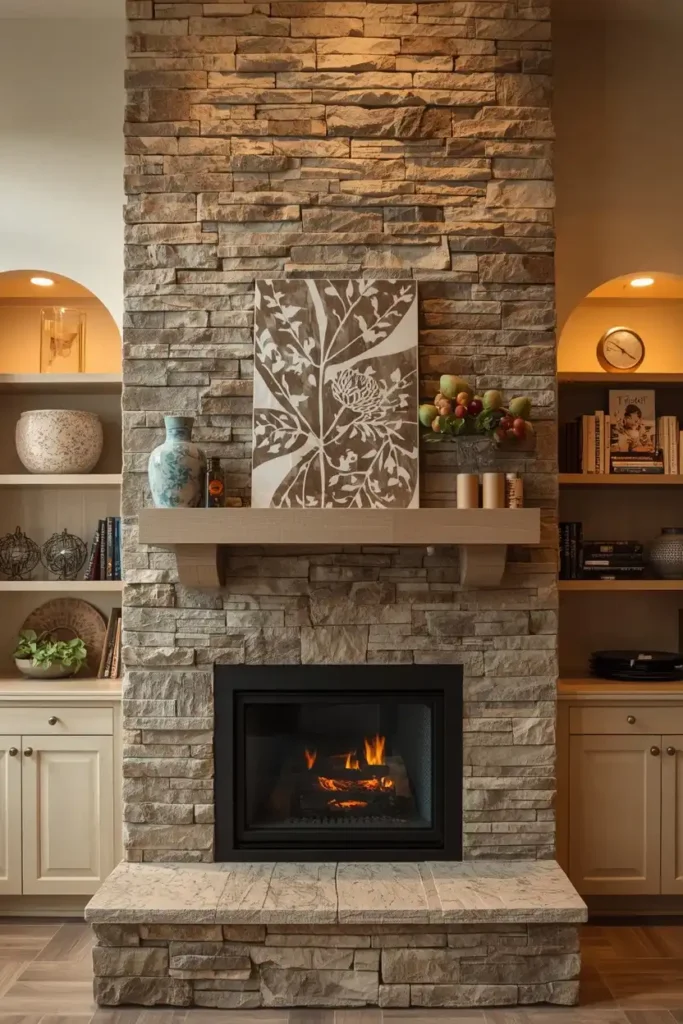
A fireplace anchored by a full-height stone or tile surround, stretching from the floor all the way to the ceiling, flanked by matching built-in shelving on either side.
Design Breakdown
Extending fireplace material to the ceiling instead of stopping at a mantel transforms it from a simple feature into the true architectural center of the room.
Expert Tip
Choose a single continuous material, like large-format tile or natural stone, rather than mixing materials, so the height reads as one cohesive design gesture.
Why It Works
A full-height fireplace wall creates a natural gathering point and makes even a modestly sized living room feel grander through sheer vertical presence.
Best For
- Large spaces
- Luxury homes
- Families
Common Mistake To Avoid
Stopping the surround short of the ceiling, which can make the wall look unfinished rather than intentional.
Quick Wins
- Becomes the automatic focal point of the room
- Pairs naturally with our Fireplace Ideas for mantel styling inspiration
- Adds real estate value as a permanent architectural feature
You May Also Like:
- Media Wall Ideas
- Tv Wall Ideas
- High Ceiling Living Room Ideas
- Quiet Luxury Living Room Ideas
- 10 Luxury Living Room Ideas
Mid-Article Deep Dive: The Complete Living Room Feature Wall Ideas Planning Guide
Here’s where it gets interesting — because before you commit to paint, wallpaper, or paneling, a few planning decisions determine whether your feature wall becomes the highlight of the room or an afterthought.
Step 1: Choose the right wall first.
- Pick the wall you see first when entering the room, or the one directly behind your main seating area — these naturally draw the most visual attention.
- Avoid walls interrupted by too many doors, windows, or outlets, since a busy wall struggles to read as a clean feature.
- Consider natural light direction, since bold colors and dark tones behave differently in north-facing versus south-facing rooms.
Step 2: Decide on your material and approach.
- Paint is the lowest-commitment option and the easiest to change later if you’re not fully sure of a bold choice.
- Wallpaper adds pattern and texture quickly, with removable options ideal for renters.
- Wood paneling, board and batten, and stone add dimension and a more permanent, architectural feel.
Step 3: Budget realistically by approach.
- Budget tier ($50–150): a bold paint color, a small gallery wall, or a single roll of statement wallpaper for an accent section.
- Mid tier ($150–500): full wallpaper coverage, wood paneling, or a DIY board and batten installation.
- Higher tier ($500+): a full stone or tile fireplace surround, custom built-ins, or a professional mural installation.
Step 4: Match the feature wall to your existing furniture, not the other way around.
This is where many homeowners make a mistake — they choose a dramatic wall treatment first and then struggle to make existing furniture work with it. Pull colors and tones already present in your sofa, rug, or existing art, and let the feature wall complement what’s already working in the room.
Step 5: Plan lighting alongside the wall treatment.
- Add wall sconces or picture lighting to highlight texture on paneled or stone feature walls.
- Use warm-toned bulbs for wallpaper and paint walls to prevent colors from reading cold or flat.
- Consider a dimmer switch so the feature wall can shift from bright daytime energy to a cozier evening glow.
Common mistakes to avoid at the planning stage:
- Choosing a trend-driven pattern or color purely because it’s popular, without considering how it fits your room’s actual light and furniture.
- Skipping a sample swatch or wallpaper sample before committing to full coverage.
- Forgetting to account for furniture placement — a stunning feature wall loses impact if it’s blocked by a tall bookshelf or sectional.
Would you choose a bold statement or a subtle textural upgrade for your own living room? The next few ideas actually manage to deliver both, depending on how you use them.
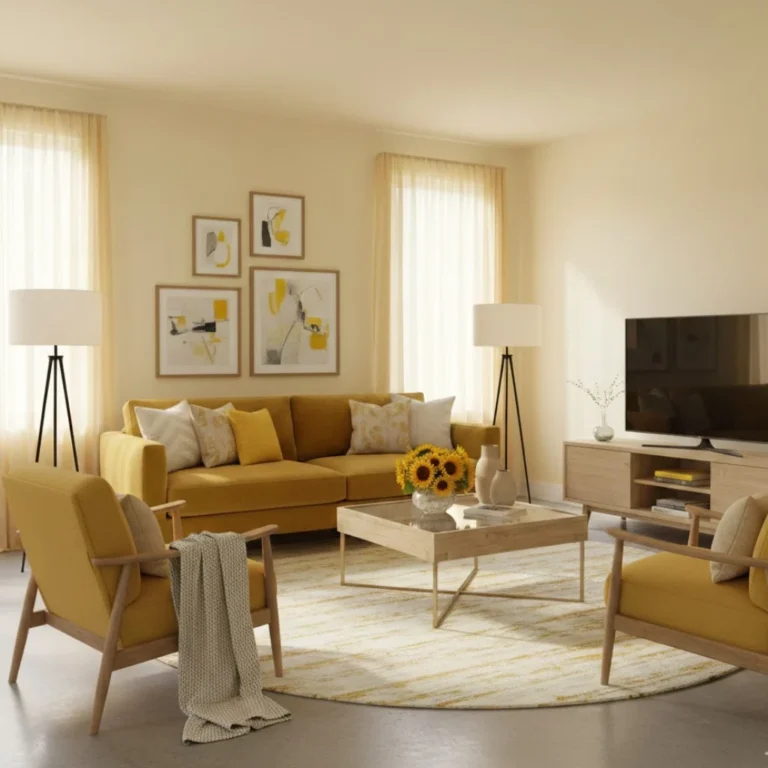
4. The Gallery Wall Feature
What You’re Seeing
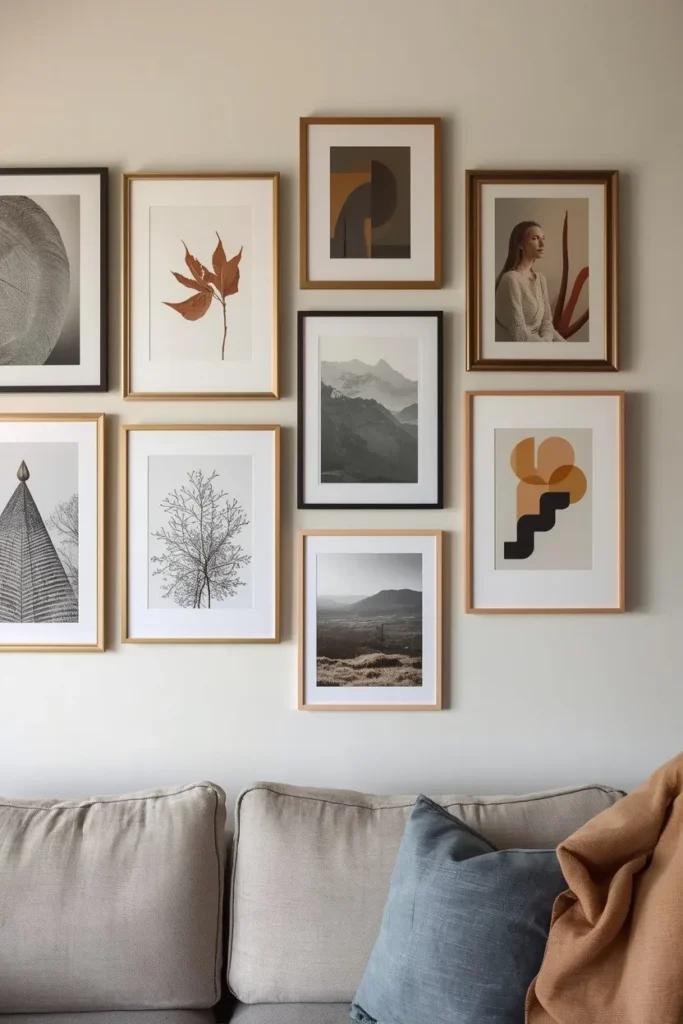
An asymmetrical cluster of framed art, photos, and small decorative objects arranged across one wall, mixing frame sizes and styles while keeping a consistent color palette throughout.
Design Breakdown
A gallery wall works as a feature wall because it tells a personal story instead of relying on a single big design gesture — texture and interest come from the variety itself.
Expert Tip
Lay out your arrangement on the floor first using paper cutouts the size of each frame, then transfer the final layout to the wall using painter’s tape as a guide.
Why It Works
Personal, curated collections create emotional connection in a space, which is exactly what turns a “nice room” into a room that feels like home.
Best For
- Small spaces
- Budget makeovers
- Renters
- Families
Common Mistake To Avoid
Hanging frames too high. Center the overall arrangement around eye level for the average person standing in the room, not the ceiling height.
Quick Wins
- Uses art and frames you may already own
- Fully customizable and easy to update over time
- Pairs well with our Tall Wall Decor Ideas for larger statement pieces
Imagine walking into your living room and seeing a wall that tells your actual story instead of a generic showroom display.
5. The Textured Wood Slat Wall
What You’re Seeing
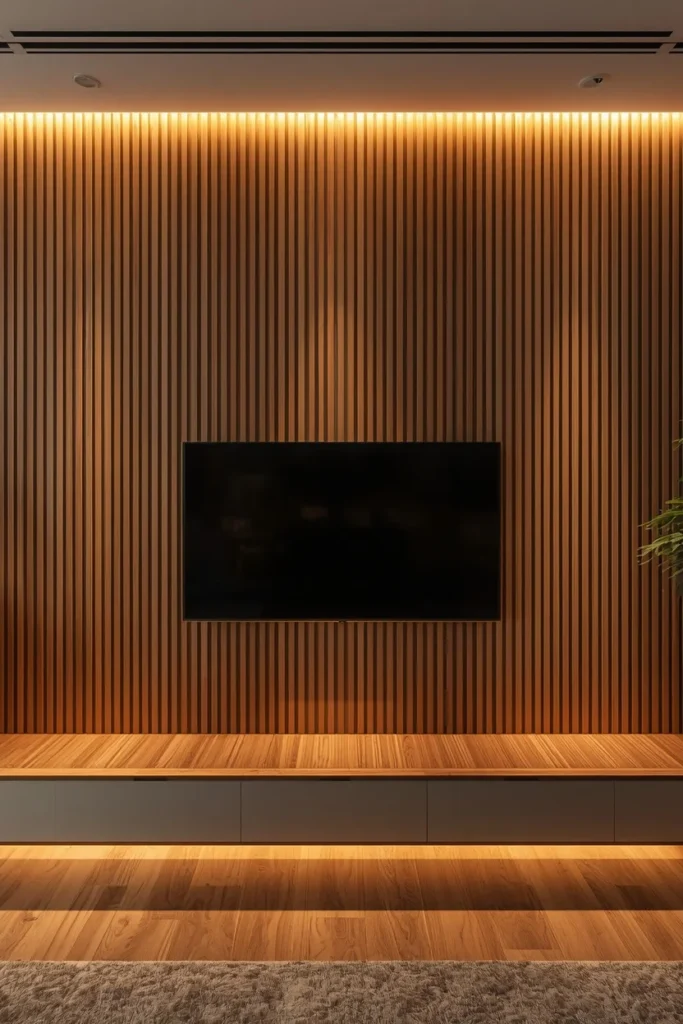
Thin wooden slats mounted vertically across a wall with small gaps between each one, often paired with a wall-mounted television centered within the pattern.
Design Breakdown
Slat walls add warmth and texture through shadow and repetition, and they’re increasingly popular as a modern alternative to a plain drywall media wall.
Expert Tip
Pre-finish the wood slats before installing them, since painting or staining after mounting makes it far harder to get an even coat between the gaps.
Why It Works
The repeated vertical rhythm softens a room visually while still reading as clean and modern, bridging the gap between cozy and contemporary design styles.
Best For
- Large spaces
- Luxury homes
- Families
Common Mistake To Avoid
Choosing slats that are too thick for the room’s proportions — thinner, closely spaced slats generally read as more refined in living room settings.
Quick Wins
- Doubles as a stylish media wall backdrop
- Adds warmth without full wood paneling costs
- Pairs directly with our 10 Living Room Tv Wall Ideas
Here’s where it gets interesting: wood slat walls consistently photograph better than almost any other feature wall style because of how they interact with light and shadow throughout the day. One thing I’ve learned from watching these installations settle into a room is that the shadow pattern shifts subtly from morning to evening, which means the wall genuinely looks a little different depending on when you’re sitting in the room.
The next idea changes everything.
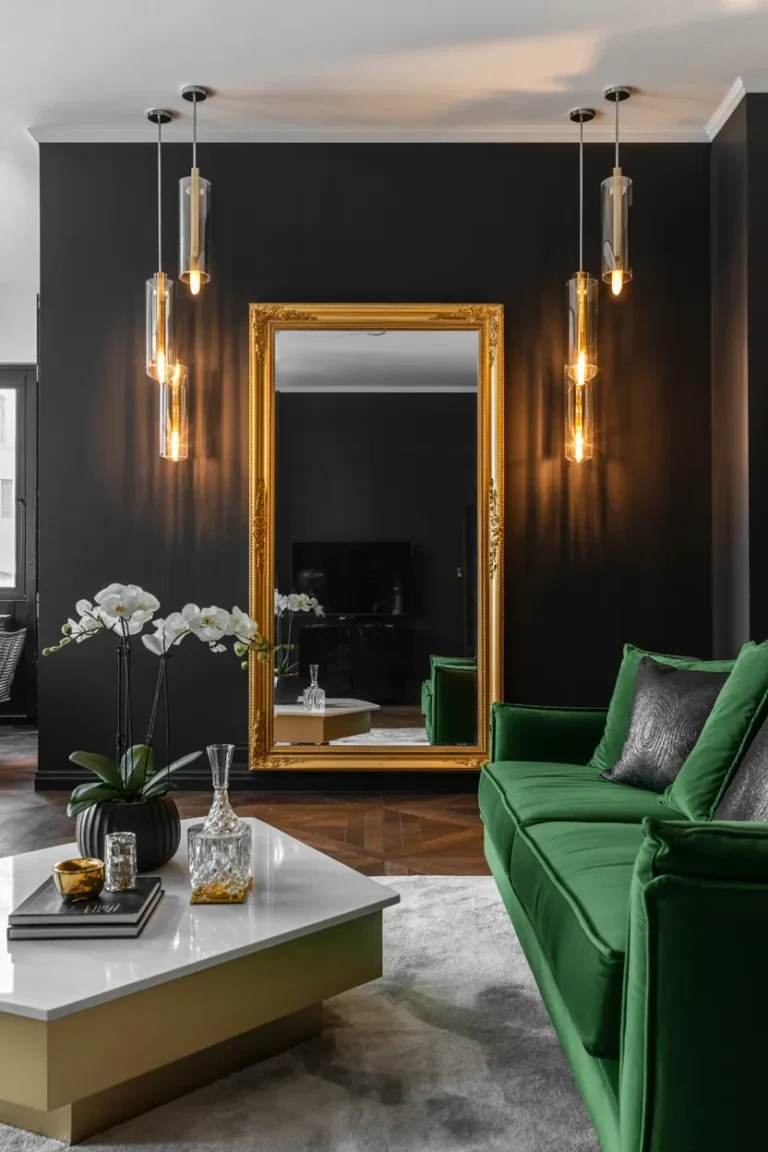
6. The Moody Dark Paint Feature Wall
The next idea is one designers secretly love.
What You’re Seeing
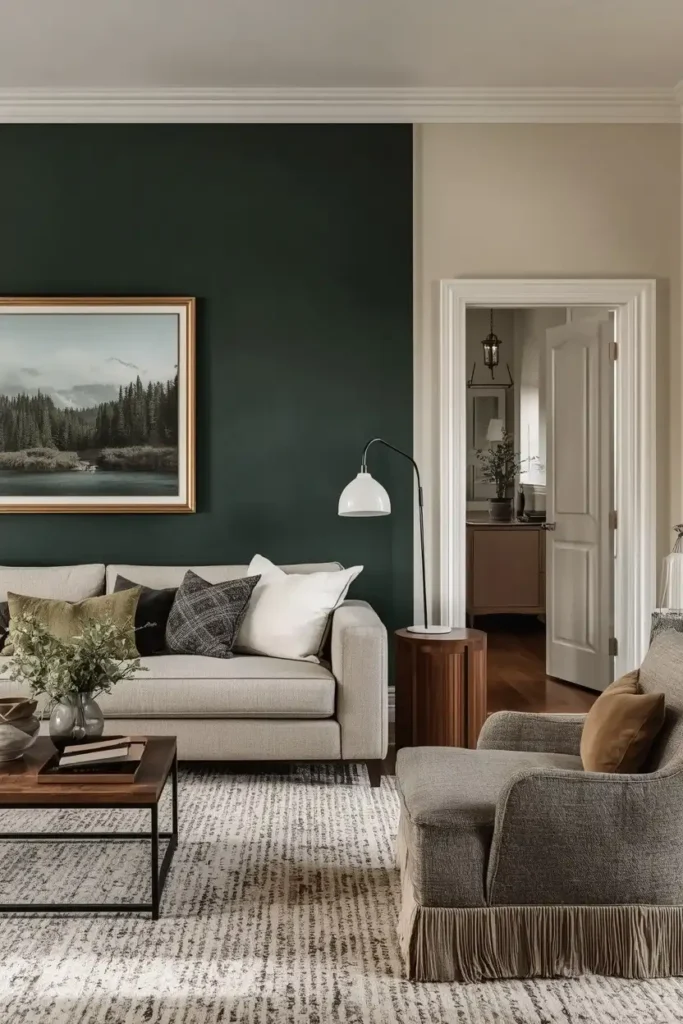
One wall painted in a deep, saturated color like charcoal, forest green, or navy, while the remaining walls stay a lighter neutral tone for contrast.
Design Breakdown
A single dark wall creates depth and coziness in a way a full room of dark color rarely achieves, since the contrast against lighter walls keeps the room from feeling closed in.
Expert Tip
Test your chosen dark color on a large poster board and move it around the room at different times of day before committing to the full wall.
Why It Works
Dark, saturated colors recede visually in the right lighting, creating a sense of depth rather than closing the room in, especially when paired with warm lighting and metallic accents.
Best For
- Large spaces
- Luxury homes
- Budget makeovers
Common Mistake To Avoid
Choosing a dark color for a room with very little natural light, which can make the space feel dim rather than dramatic.
Quick Wins
- Requires only paint and a weekend to install
- Pairs beautifully with our Modern Dark Living Room Ideas
- Makes gold, brass, and warm wood accents pop noticeably more
Which of these living room feature wall ideas would work best in your own space so far?
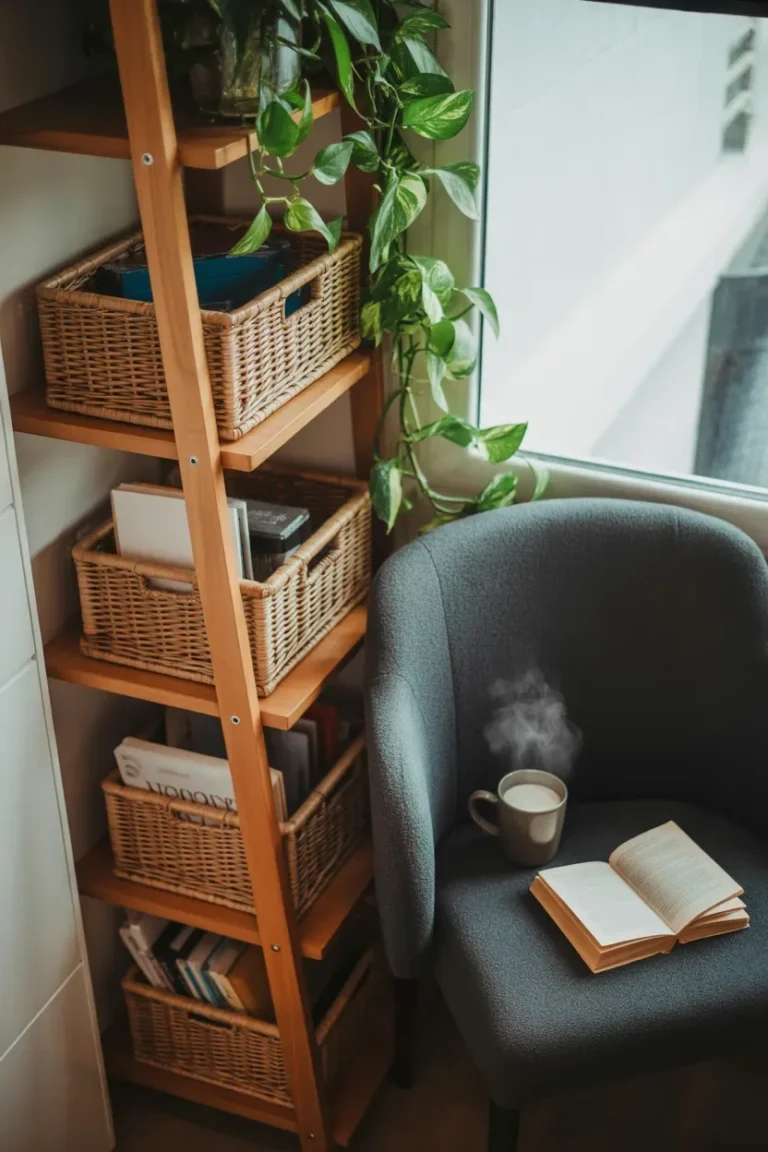
7. The Built-In Shelving Feature Wall
What You’re Seeing
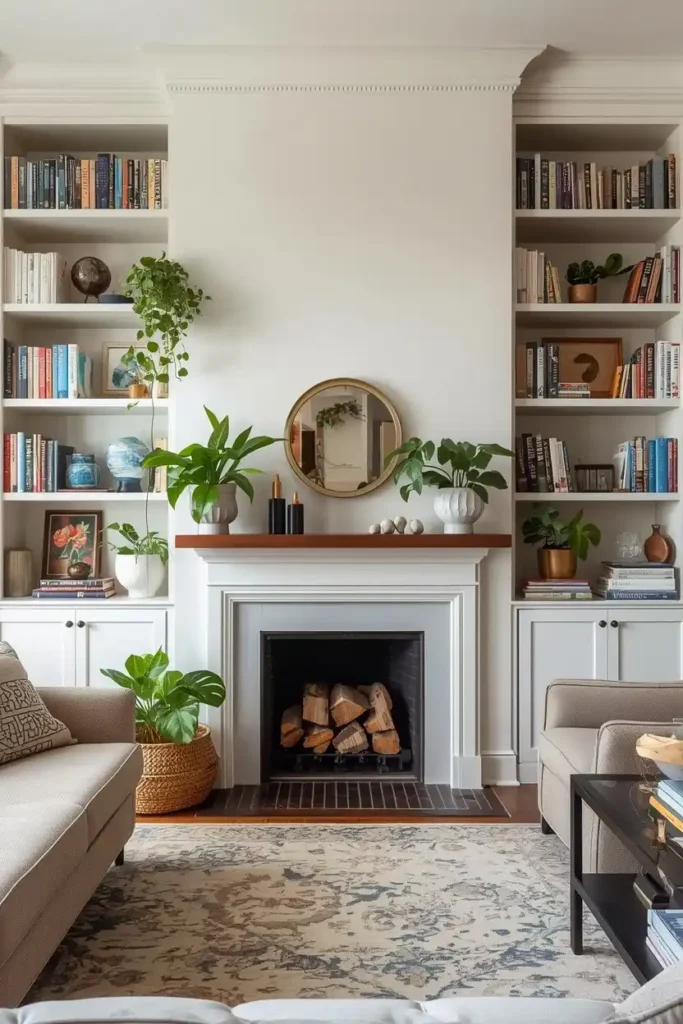
Floor-to-ceiling built-in shelving flanking a central television or fireplace, filled with a curated mix of books, plants, and decorative objects arranged with intentional negative space.
Design Breakdown
Built-ins turn a functional storage need into the room’s main design feature, combining architecture and styling into a single cohesive wall.
Expert Tip
Style shelves in odd-numbered groupings and vary height and depth of objects rather than lining everything up evenly — it reads as curated instead of cluttered.
Why It Works
Built-in storage increases a room’s function while giving it a custom, high-end look that’s difficult to achieve with freestanding furniture alone.
Best For
- Large spaces
- Luxury homes
- Families
Common Mistake To Avoid
Overfilling every shelf. Leave visible breathing room on at least a third of the shelving to avoid a cluttered, overstuffed look.
Quick Wins
- Adds significant functional storage
- Increases perceived home value
- Pairs well with our 15 Brilliant Bookshelf Styling With Lots Of Books
You May Also Like:
- Scandinavian Living Room Ideas
- Cozy Living Room Ideas
- Black Accent Wall Living Room Ideas
- 10 Modern Living Room Design Ideas
- Empty Corner Decoration Ideas
8. The Woven Textile Feature Wall
What You’re Seeing
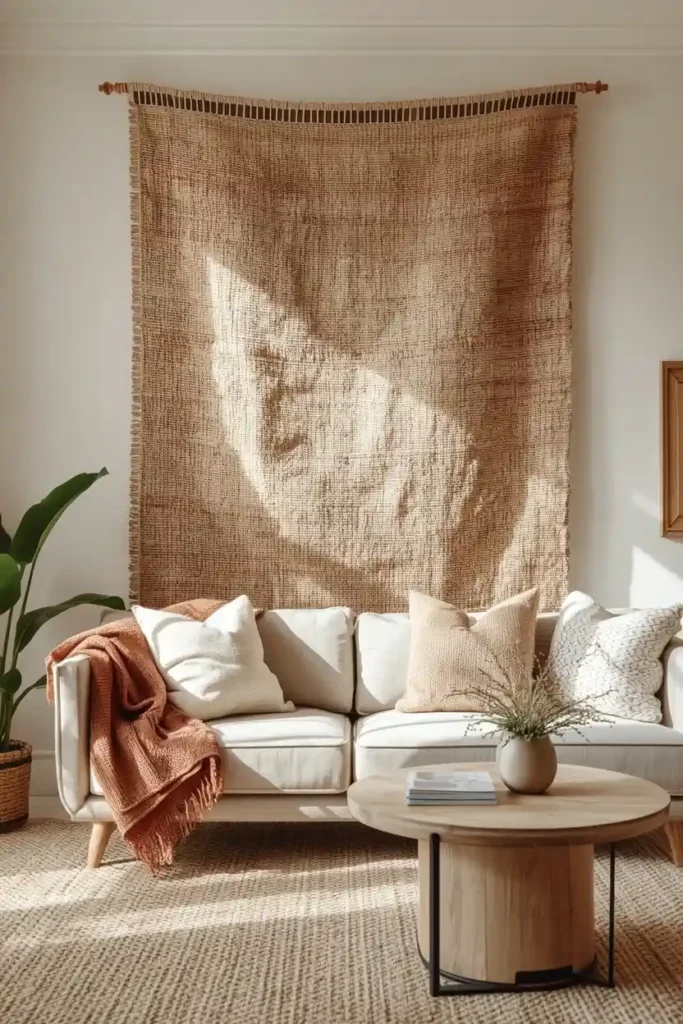
A large woven tapestry, macrame hanging, or fabric panel mounted across a significant portion of the wall, adding softness and texture behind the sofa or seating area.
Design Breakdown
Textile feature walls bring warmth and acoustic softness to a room, offering an alternative to paint or wallpaper that also helps dampen sound in open-plan living spaces.
Expert Tip
Choose a piece slightly wider than your sofa so the proportions feel balanced rather than floating awkwardly above a smaller piece of furniture.
Why It Works
Soft, textured materials absorb sound and add tactile warmth, making a room feel noticeably cozier compared to a hard-surfaced painted or tiled wall.
Best For
- Small spaces
- Renters
- Budget makeovers
Common Mistake To Avoid
Hanging a textile piece too high above the sofa, which creates an awkward visual gap rather than a cohesive grouping.
Quick Wins
- No painting or permanent installation required
- Adds sound-dampening benefits in open layouts
- Pairs well with our Fabric Wall Decor Ideas
Most people don’t know this: textile feature walls solve an acoustic problem most people don’t even realize they have. One thing I’ve learned from working through open-concept living rooms is that hard surfaces like large windows, tile floors, and bare walls create noticeable echo, and a large woven or fabric piece can measurably soften that without a single structural change.
This simple change can completely transform the room.
9. The Mixed-Material Accent Wall
This simple change can completely transform the room.
What You’re Seeing
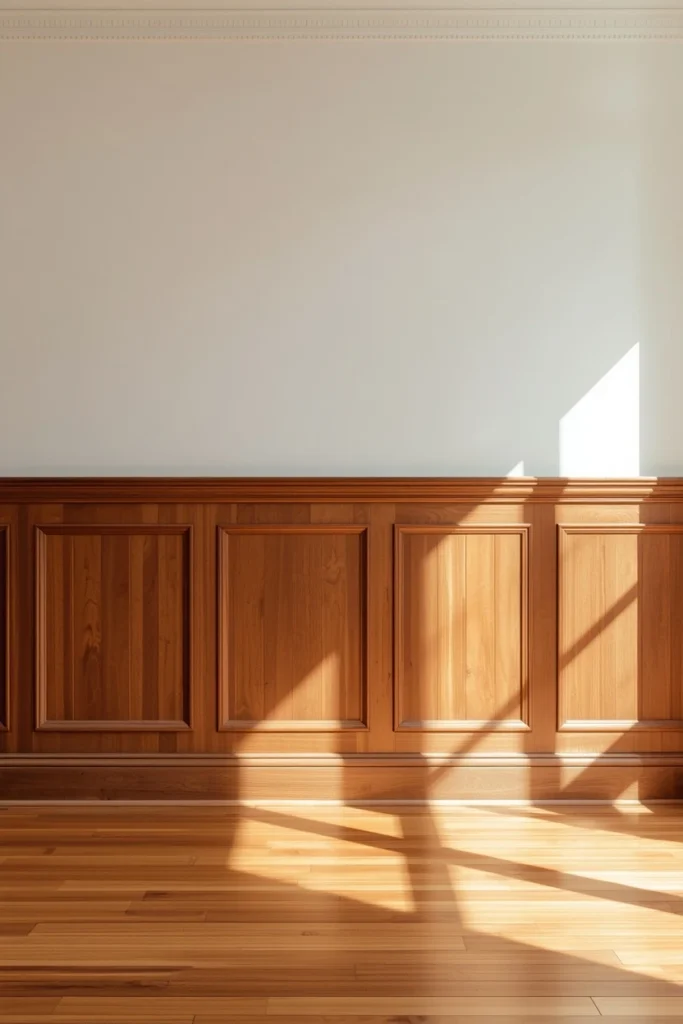
A single wall combining two materials, like a lower section of wood paneling topped with a painted upper wall, or stone paired with a warm wood shelf ledge.
Design Breakdown
Mixing materials on one wall adds sophistication and visual interest without requiring a single bold color or pattern choice.
Expert Tip
Keep the transition line at a consistent height, such as chair-rail level, so the combination reads as intentional rather than accidental.
Why It Works
Layered materials create depth the eye naturally finds more interesting than a single flat surface, which is why designers frequently reach for this approach in higher-end living rooms.
Best For
- Large spaces
- Luxury homes
- Families
Common Mistake To Avoid
Choosing two materials with clashing undertones — always check that your wood, stone, or paint choices share a similar warm or cool base tone.
Quick Wins
- Adds a custom, designer-level look
- Works well with both traditional and modern furniture
- Pairs well with our Wall Paneling Ideas for the lower section detailing
What’s your biggest challenge right now — choosing a bold color, or just figuring out where to start? This final idea tends to answer both.
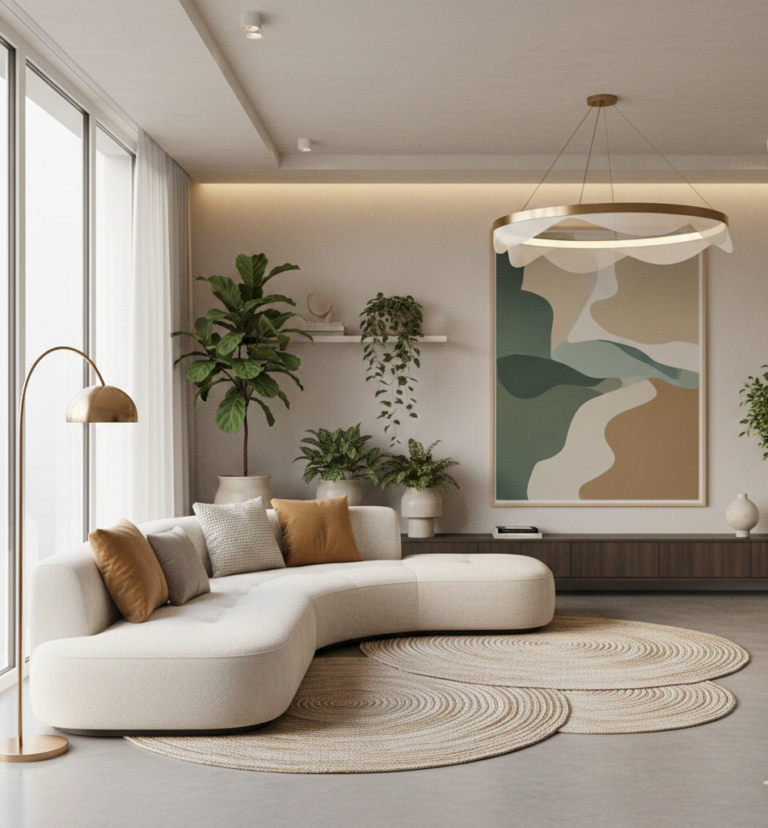
10. The Statement Art Mural Feature Wall
What You’re Seeing
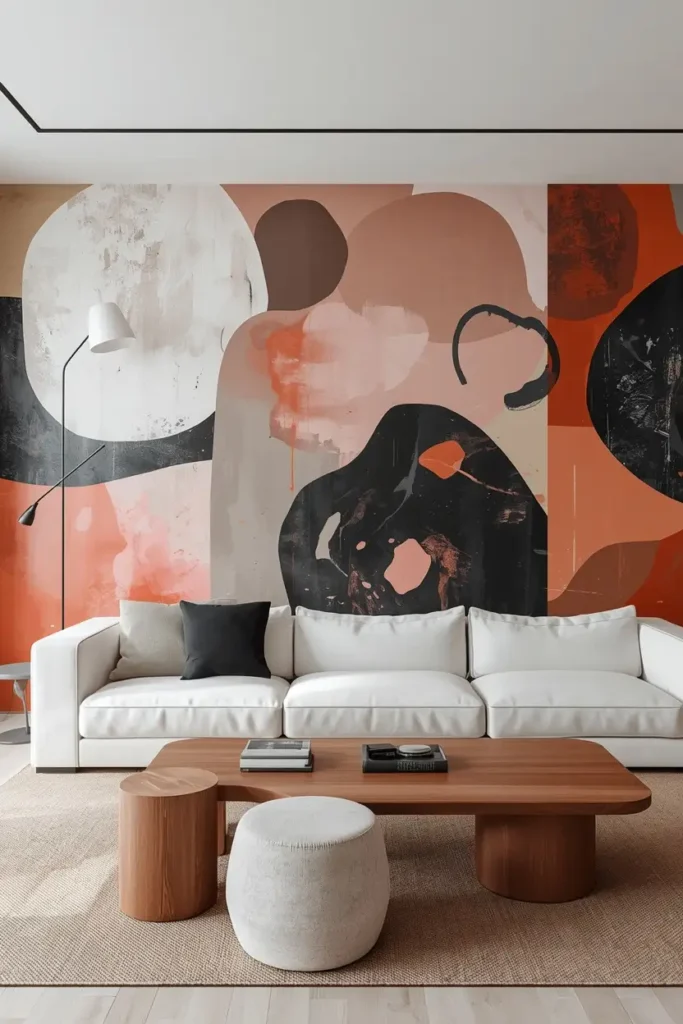
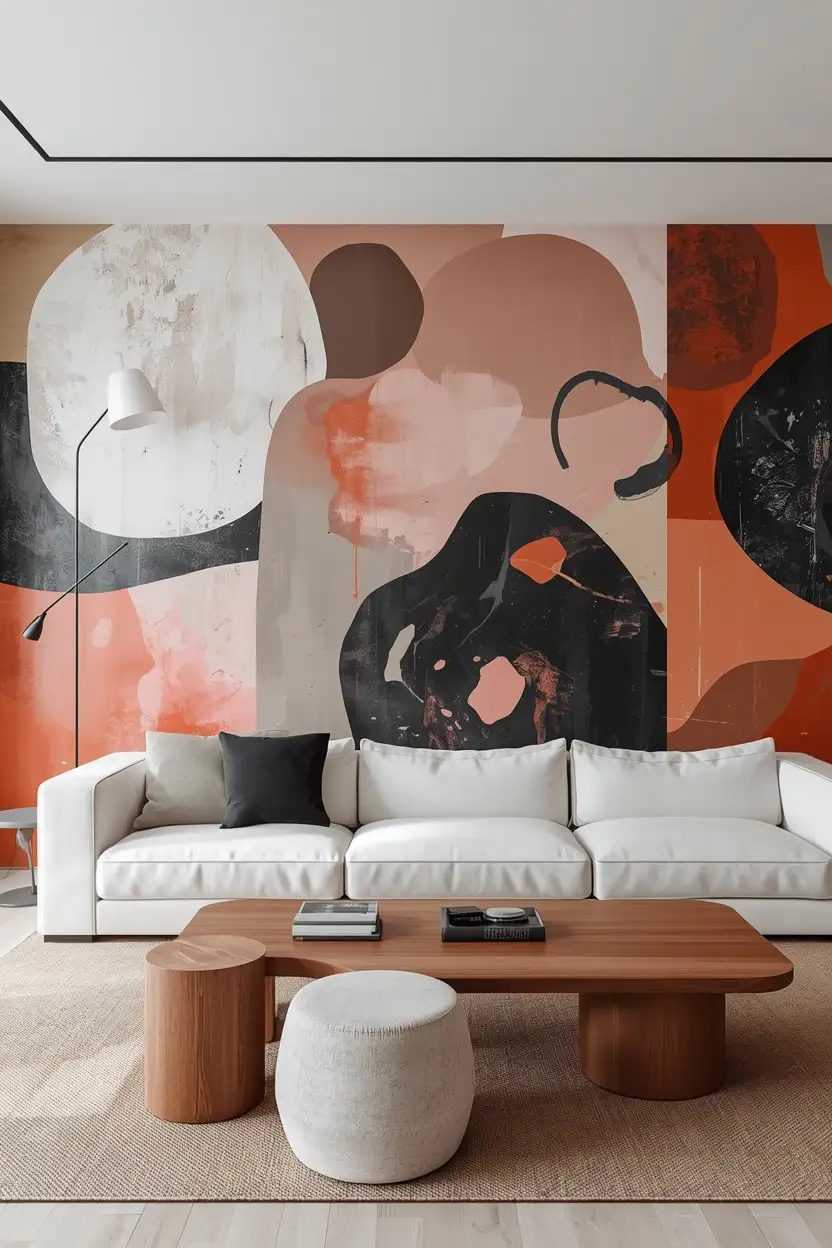
A large-scale hand-painted or printed mural covering an entire wall, ranging from an abstract landscape to a bold graphic pattern, serving as the room’s single largest visual statement.
Design Breakdown
Instead of combining multiple smaller elements, this final idea commits fully to one large-scale piece of art as the entire feature wall, letting everything else in the room stay simple by comparison.
Expert Tip
Keep the rest of the room’s furniture and accessories deliberately understated when using a mural — this style needs visual breathing room to have its full impact.
Why It Works
A single, large-scale piece of art creates an immediate emotional reaction and gives the whole room a clear, unmistakable personality that smaller decor choices rarely achieve alone.
Best For
- Large spaces
- Luxury homes
- Budget makeovers
Common Mistake To Avoid
Adding too much competing decor elsewhere in the room, which fights with the mural instead of letting it stand as the singular statement.
Quick Wins
- Creates an unmistakable, one-of-a-kind focal point
- Removable mural options exist for renters
- Pairs well with our Diy 3d Wall Art Ideas for smaller complementary pieces nearby
Let me know which one is your favorite — I’d genuinely love to hear which wall in your home is calling out for this treatment.
Related Living Room and Wall Decor Ideas
Picture yourself walking into a living room where one wall instantly tells you what the whole room is about. If this list has you inspired, these related guides are the natural next step:
- Living Room Wallpaper Ideas
- Media Wall Ideas
- Wall Paneling Ideas
- 10 Best Wall Molding Ideas
- Tv Wall Ideas
- Fireplace Ideas
- Tall Wall Decor Ideas
- Modern Dark Living Room Ideas
Final Thoughts on Living Room Feature Wall Ideas
If there’s one thing worth taking from these 10 living room feature wall ideas, it’s this: the wall carries far more design weight than most people give it credit for.
The board and batten wall, the moody dark paint, the built-in shelving — every one of these works because it gives the room a clear focal point instead of letting the eye wander with nothing to land on.
Think about how much easier the rest of your living room decisions become once that one wall is doing its job.
My honest advice? Pick just one feature wall idea from this list and commit to it this month — not the whole room, just one wall done well. A single finished feature wall will teach you more about your space’s potential than five half-considered updates ever could.
So — which of these living room feature wall ideas matches the flat, forgettable wall your living room has been quietly waiting on?
If you loved this list, our guide on Media Wall Ideas is a natural next stop, especially if your feature wall is going to double as your television’s backdrop.
And if you’re wondering what comes after the wall is finished, keep an eye out for our upcoming guide on styling a living room around a single statement piece — it might be the missing piece that pulls the whole room together.
Frequently Asked Questions About Living Room Feature Wall Ideas
1. What is the cheapest living room feature wall idea to start with? A bold paint color is typically the most affordable option, often costing under fifty dollars in supplies for a single wall.
2. Which wall should I choose as my feature wall? Choose the wall you see first when entering the room or the one directly behind your main seating area for the biggest visual impact.
3. Are removable wallpaper feature walls good for renters? Yes, removable wallpaper is specifically designed to install and remove without damaging the wall underneath, making it ideal for rental homes.
4. How do I choose a color for a dark accent wall? Test your chosen color on a large poster board and observe it at different times of day before committing to the full wall.
5. Do feature walls work in small living rooms? Yes, ideas like a gallery wall, textile hanging, or a single bold paint wall work especially well in smaller spaces without overwhelming the room.
6. How much does a board and batten feature wall typically cost? Most DIY board and batten walls cost between one hundred and three hundred dollars in materials, depending on wall size and wood choice.
7. Can I combine two feature wall ideas in one room? It’s generally best to commit to one strong feature wall per room to avoid competing focal points, though a mural or accent wall can be styled alongside subtle built-ins.
8. What lighting works best with a feature wall? Wall sconces or picture lighting highlight texture on paneled or stone walls, while warm-toned bulbs help paint and wallpaper colors read richer.
9. Are dark feature walls a passing trend? Dark accent walls have remained a popular design choice across multiple years, especially when paired with warm lighting and natural materials.
10. What’s the easiest feature wall idea for a beginner? A gallery wall is widely considered the easiest starting point, since it requires no painting or construction and can be built entirely from art you may already own.