10 Easy Low Maintenance Small Garden Design Ideas That Will Transform Your Outdoor Space
This article was created in line with Trends Oraa’s research and content standards.
You stare at your tiny backyard and feel a little defeated. It’s just… there. Bare, boring, and begging for something better.
Here’s the good news — you don’t need a sprawling estate or a landscape architect on speed dial. With the right small garden design ideas, even the tiniest patch of outdoor space can become a genuine sanctuary you’ll actually want to spend time in.
In this guide, I’m sharing 10 gorgeous, low-maintenance garden ideas that are completely beginner-friendly, budget-conscious, and — most importantly — realistic for real people with real lives. By the time you reach the end, you’ll have a clear game plan for your own dream garden.
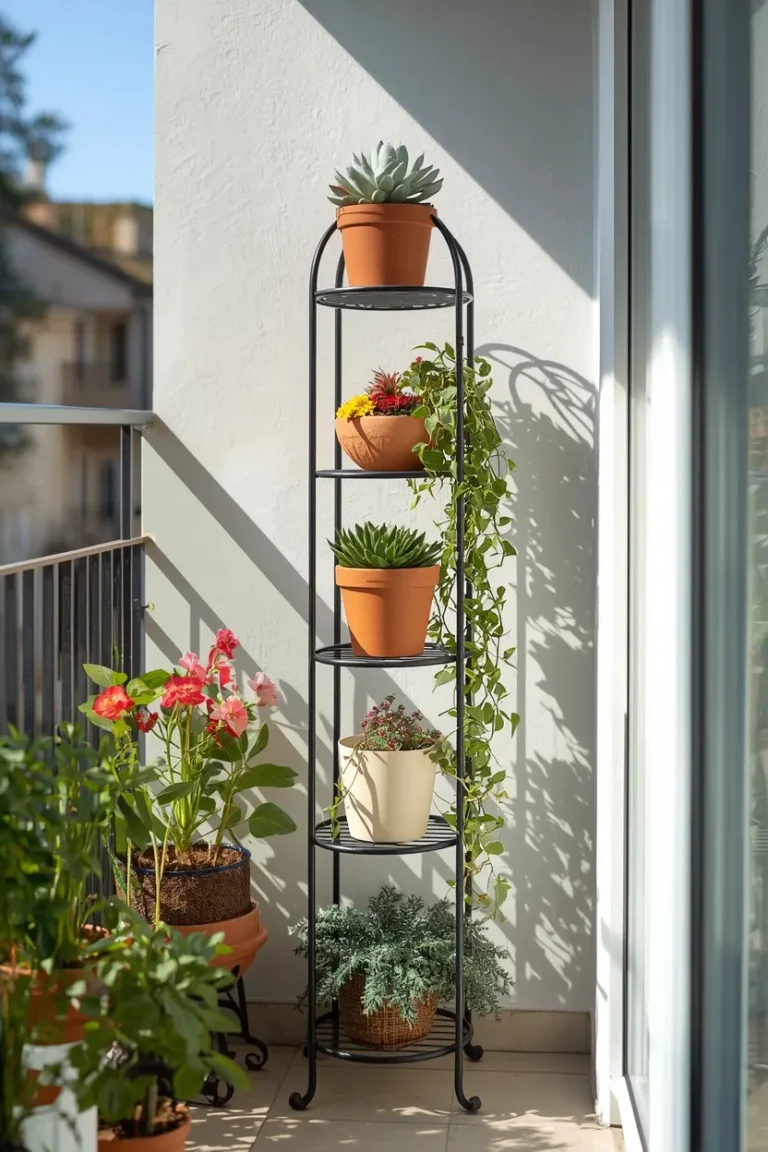
You might also love our viral guide on Balcony Garden Ideas — perfect if you’re working with a smaller footprint!
And trust me, idea #7 alone is worth bookmarking this page. Keep scrolling.
Why Low Maintenance Matters in Small Garden Design
Most of us fall in love with the idea of a lush garden, plant everything in sight on a sunny Saturday, and then quietly watch it all die by October.
Sound familiar?
The secret to a garden you’ll actually love long-term is designing it to work with your lifestyle — not against it. Low maintenance doesn’t mean boring. It means smarter plant choices, intentional layouts, and materials that age beautifully without constant babying.
Now let’s get into the good stuff.
1. The Gravel and Ornamental Grass Garden
What You’re Working With
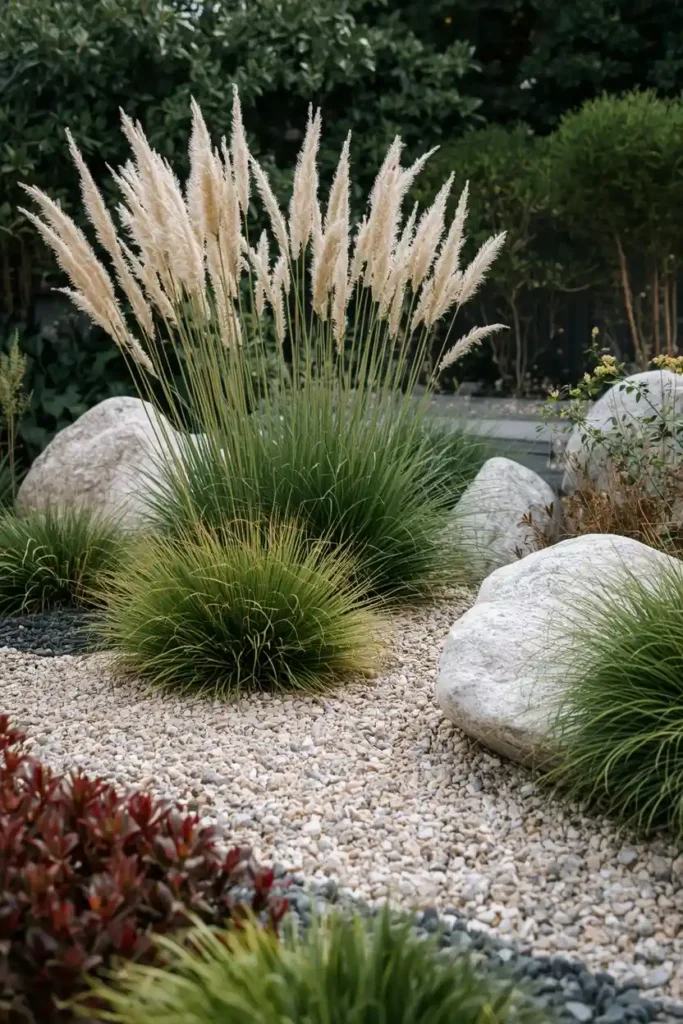
Picture a clean, modern garden bed filled with fine pea gravel or decomposed granite, punctuated by tall, swaying ornamental grasses like Karl Foerster feather reed grass or blue oat grass. A few strategically placed boulders give it a natural, sculptural feel, while low-growing sedums fill in the gaps with color.
This style photographs beautifully and holds up through every season — which is exactly why it goes viral on Pinterest every single spring.
Expert Tip: Lay a high-quality landscape fabric beneath your gravel before installing it. This dramatically cuts down on weeding without stopping the natural drainage that makes this design work.
Why It Works
Ornamental grasses are some of the toughest, most forgiving plants you can grow. They tolerate drought, poor soil, and neglect better than almost anything. The gravel mulch suppresses weeds and retains moisture at the root zone, so you’re not out there watering every other day.
This design also creates incredible movement and sound in the garden — the grasses whisper and wave in the breeze, giving your space a living, breathing quality that static plants can’t match. It’s low effort with a very high visual payoff.
Which of these styles feels most like “you” — modern and minimalist, or lush and layered? Drop your answer in the comments — I’d love to know!
2. The Raised Bed Kitchen Garden
What You’re Working With
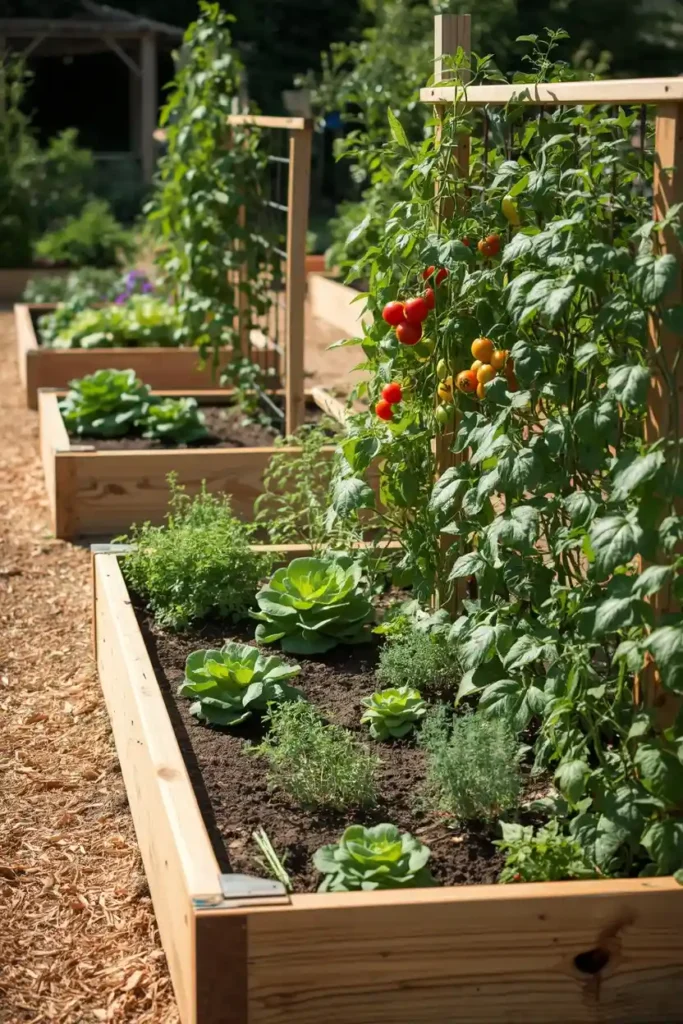
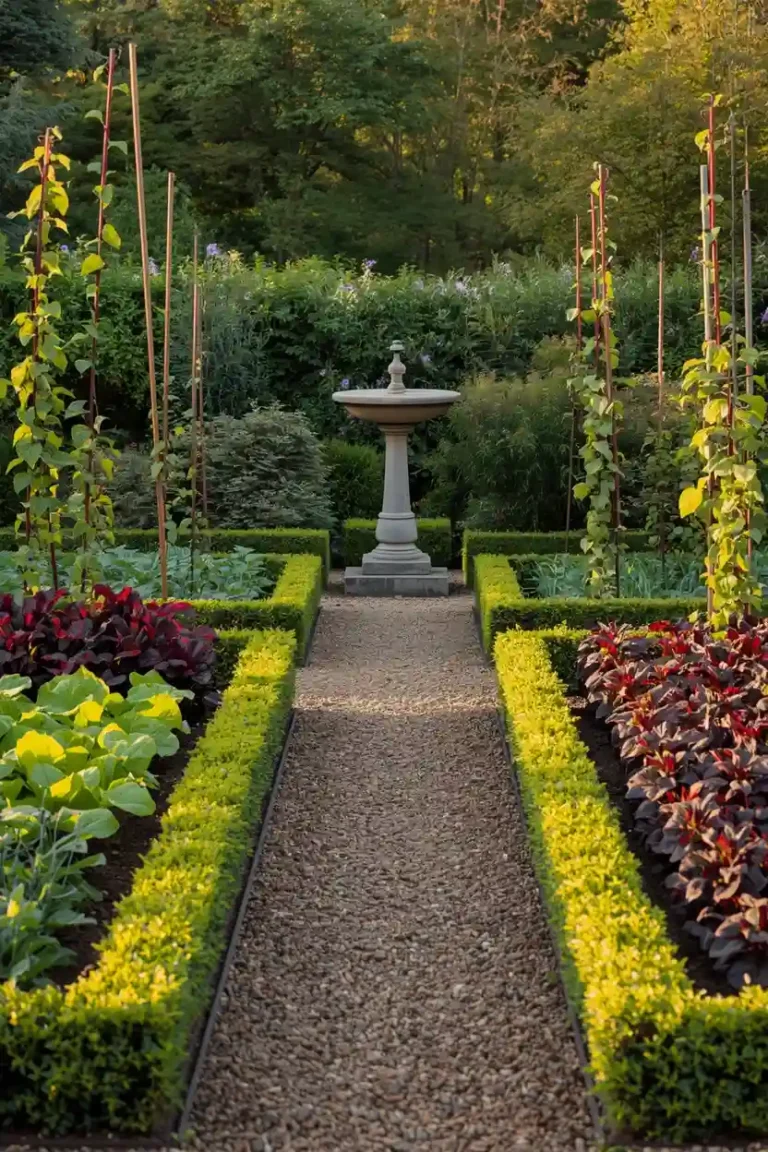
A neat row of cedar raised beds — ideally 4 feet wide so you can reach the center without stepping in — filled with rich, dark soil and bursting with herbs, cherry tomatoes, lettuces, and a few climbing beans on a simple trellis. Clean mulch paths between beds keep mud off your shoes and weeds in check.
This is one of the most functional small garden design ideas you can implement, and it looks incredibly tidy year-round.
Expert Tip: Build or buy beds that are at least 10–12 inches deep. Deeper beds = better drainage, warmer soil, fewer pests, and more root space. It makes an enormous difference in how productive and easy your garden is to manage.
Why It Works
Raised beds are the ultimate cheat code for easy gardening. You control the soil quality completely, which means fewer weeds, better drainage, and healthier plants from day one. Because everything is contained and elevated, it’s also much more comfortable to tend — no bending down to ground level.
The visual neatness of raised beds also makes even a chaotic mix of vegetables look organized and intentional. There’s a reason every design-forward vegetable garden you see on Pinterest uses them. Check out our guide on DIY Elevated Garden Bed Plans for step-by-step instructions to build your own!
3. The Shade-Loving Container Garden
What You’re Working With
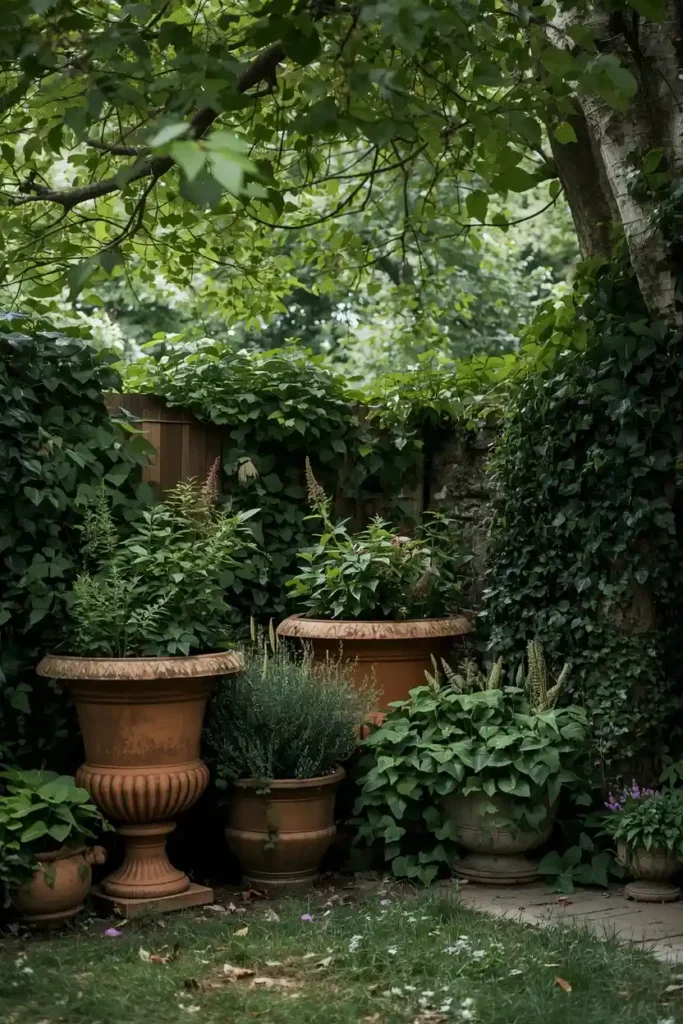
A collection of large, statement containers in varying heights — think terracotta urns, sleek concrete pots, and a wooden barrel or two — planted with lush hostas, astilbes, heucheras, and trailing ivy. Grouped together near a shaded fence or under a mature tree, this creates a layered, cottage-style display that thrives precisely where most people give up.
Expert Tip: Always choose containers with drainage holes, and add a layer of perlite to your potting mix. Shade-loving plants are especially prone to root rot in waterlogged soil, so drainage is non-negotiable.
Why It Works
One of the biggest frustrations with small gardens — especially in suburban settings — is that they often have significant shade from fences, buildings, or trees. Most people see shade as a problem. This design turns it into a feature.
Hostas and heucheras are incredibly low maintenance once established. They come back every year, they spread gently (giving you free plants to divide and move), and they provide reliable, beautiful foliage even when they’re not in bloom. This is a set-it-and-enjoy-it approach to gardening.
You might also love these ideas for Foolproof Perennials That Thrive in the Shade!
But here’s the important part…
The next few ideas move into design territory that most people overlook entirely. These are the ideas that make a small garden feel much larger than it actually is. Keep reading.
4. The Vertical Green Wall
What You’re Working With
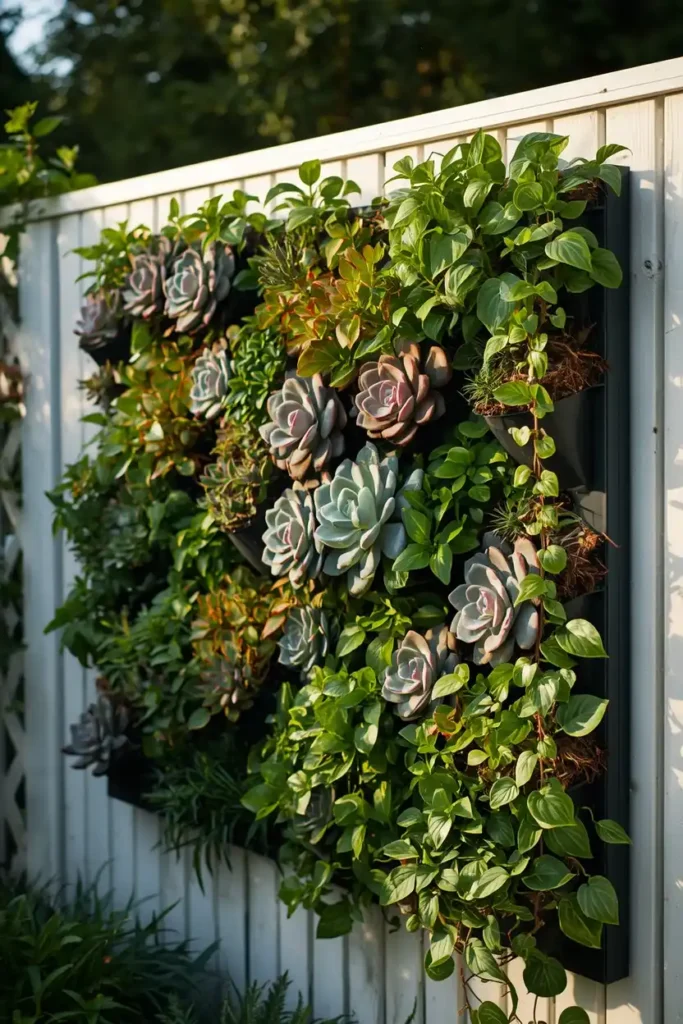
A living wall panel — or even a simple DIY version using pallet wood pockets — mounted on a fence or exterior wall, filled with trailing succulents, pothos, ferns, and small herbs. Combined with a few wall-mounted planters at different heights, this turns a plain, forgotten fence into a jaw-dropping focal point.
Expert Tip: Succulents are the absolute easiest plants for a vertical garden. They store water in their leaves, so they forgive a missed watering or two without drama. Start with echeverias, sedums, and sempervivums for a no-fail vertical display.
Why It Works
In a small garden, horizontal space is limited — so you go vertical. A green wall draws the eye upward, which makes the garden feel taller and more dynamic. It also adds significant insulation to exterior walls and can even help reduce noise from the street.
From a maintenance standpoint, once your succulents are established and your irrigation (even a simple drip line on a timer) is in place, this garden practically takes care of itself. The visual impact is completely disproportionate to the effort involved. Quite frankly, it’s one of the most dramatic transformations possible in a tiny space.
5. The Low-Maintenance Wildflower Meadow Patch
What You’re Working With
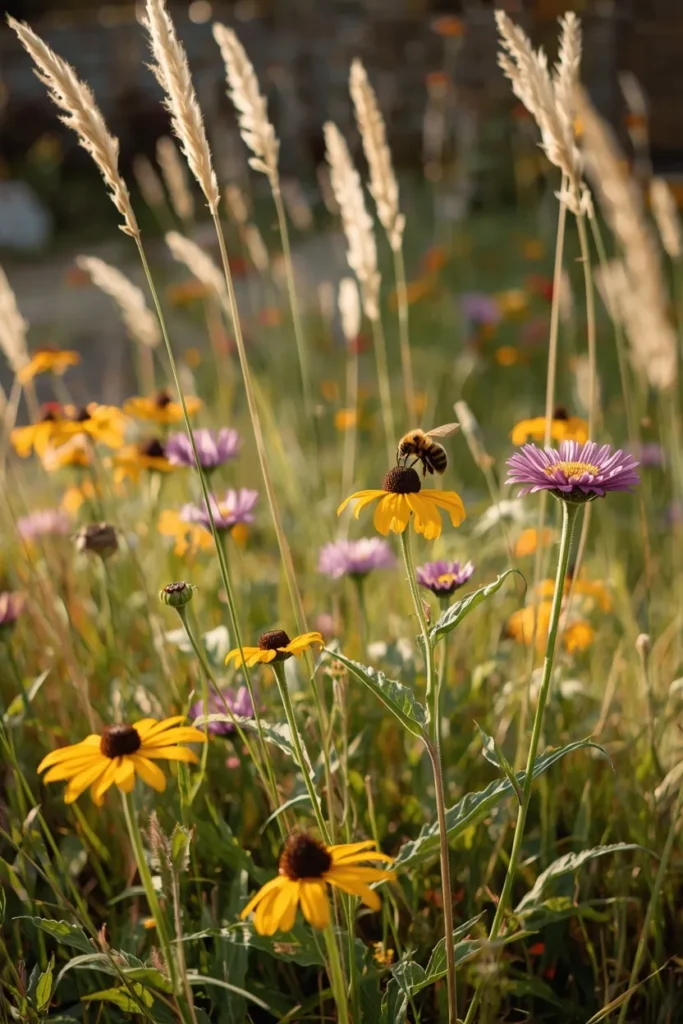
Even a small 4×6-foot patch of garden can be transformed into a mini wildflower meadow. Imagine a casual, naturalistic mix of black-eyed Susans, coneflowers, rudbeckia, and native grasses swaying together — with a simple gravel or mulch border keeping it contained and intentional rather than weedy.
Expert Tip: Choose a native wildflower seed mix specific to your USDA hardiness zone. Native plants are adapted to your local climate and soil, which means they need far less water, fertilizer, and fuss than exotic ornamentals.
Why It Works
Here’s where it gets interesting — a wildflower patch is actually designed to be left alone. The whole philosophy is low intervention. You sow once, and nature does the rest. Each year the patch self-seeds and returns, slowly improving as the most successful species take over.
It also attracts pollinators — bees, butterflies, and hummingbirds — which brings your garden to life in a way that manicured lawns simply can’t compete with. It’s ecological gardening that’s genuinely gorgeous, and it requires almost none of the work of a traditional flower bed.
Deep Dive: Low Maintenance Garden on a Budget — What to Spend and Where to Save
Before we dive into the final five ideas, let’s talk money. Because one of the biggest blockers for people who want to redesign their garden is the fear that it’ll cost a fortune.
It doesn’t have to.
Where to Spend:
Soil is worth the investment. Buy quality raised bed mix or amend your existing soil generously with compost. Everything you grow will reflect the quality of the soil underneath it — it’s the one place you don’t want to cut corners.
Perennial plants over annuals. Perennials come back every year, so the initial cost pays off repeatedly. Hostas, coneflowers, ornamental grasses, sedum — these are one-time purchases that give back for a decade.
Landscape fabric under gravel or mulch. Cheap fabric breaks down in two years and creates a mess. Spend a little more on commercial-grade fabric and it’ll last 10+ years.
Where to Save:
Start seeds from packets instead of buying established plants. A packet of wildflower seeds costs under $5 and fills a large bed. Trays of annuals at a nursery can cost $30+ for the same coverage.
Buy containers secondhand. Flea markets, Facebook Marketplace, and even curbside are full of beautiful old terracotta pots that look better with age than new plastic ones.
DIY raised beds from cedar fence boards. A single 8-foot cedar picket board is around $3–5 at most home improvement stores. Four boards give you a perfectly sized 4×4 raised bed for under $20.
See our DIY Cedar Planter Box Under $5 guide for the full build!
Divide and multiply. Once your perennials are established, divide them in spring or fall and replant the divisions elsewhere. You’ll double your plants for free every few years.
Realistic Budget Breakdown for a Small Garden Makeover:
Gravel/mulch (1–2 cubic yards): $40–80. Landscape fabric (50 sq ft): $15–25. Cedar raised bed materials: $20–40 per bed. Soil/compost: $30–60 per bed. Perennial plants (4–6): $30–60. Seeds and annuals: $10–20. Containers (secondhand): $10–30.
Total realistic budget: $155–$315 for a complete small garden transformation. That’s genuinely achievable, and it’ll look like you spent three times as much.
Most people don’t know this — the gardens that look the most expensive on Pinterest are usually built on a tight budget with patient, strategic plant choices and really good soil. The “rich” look comes from layering textures and heights, not from splurging on rare plants.
6. The Zen Gravel and Stone Garden
What You’re Working With
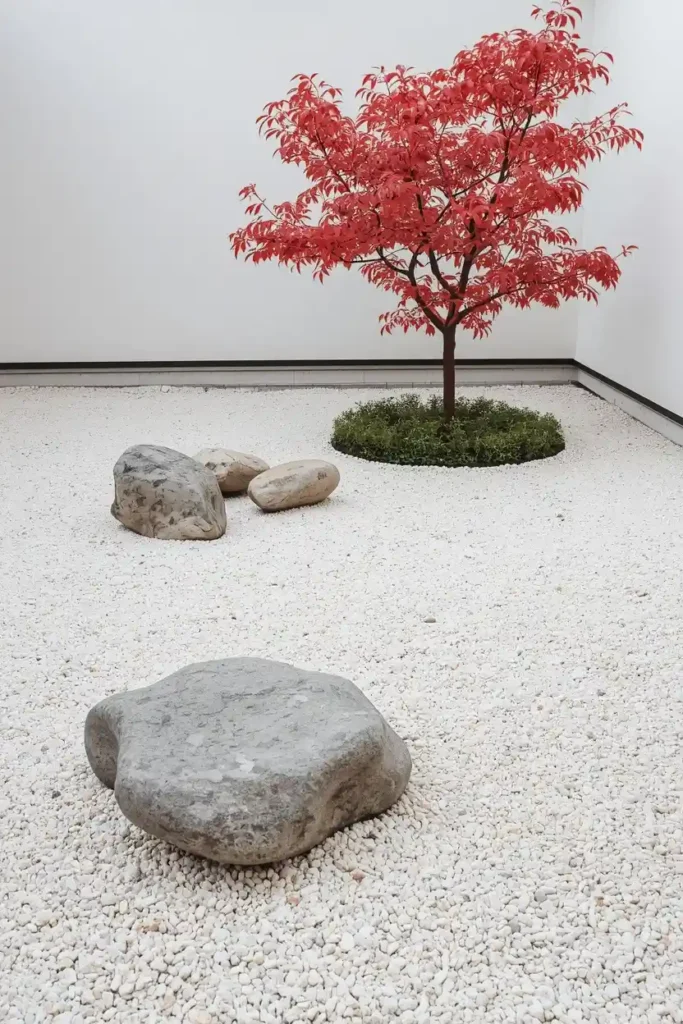
A raked gravel garden with a few carefully chosen river stones or boulders, perhaps a single sculptural Japanese maple or bamboo clump, and clean edging in timber or steel. This is the epitome of “less is more” — every element is intentional, and the space between elements is as important as the elements themselves.
Expert Tip: Use fine, light-colored Cotswold or pea gravel for the most authentic look. Rake it weekly in a simple pattern — it takes five minutes and becomes a meditative ritual rather than a chore.
Why It Works
A Zen garden requires almost zero maintenance in the traditional plant sense. There’s no watering, no deadheading, no fertilizing — just occasional raking and weeding at the edges. For people who love visual beauty but genuinely don’t have time for plant care, this style is a revelation.
It also works in full sun or shade, in any climate, in any size space. The stones and gravel look beautiful in winter when everything else is dormant. If you have a particularly challenging spot — maybe a side passage between houses, or a dry, sunny corner where nothing seems to grow — a Zen gravel garden is often the perfect solution.
7. The Cottage Garden Flower Border
What You’re Working With
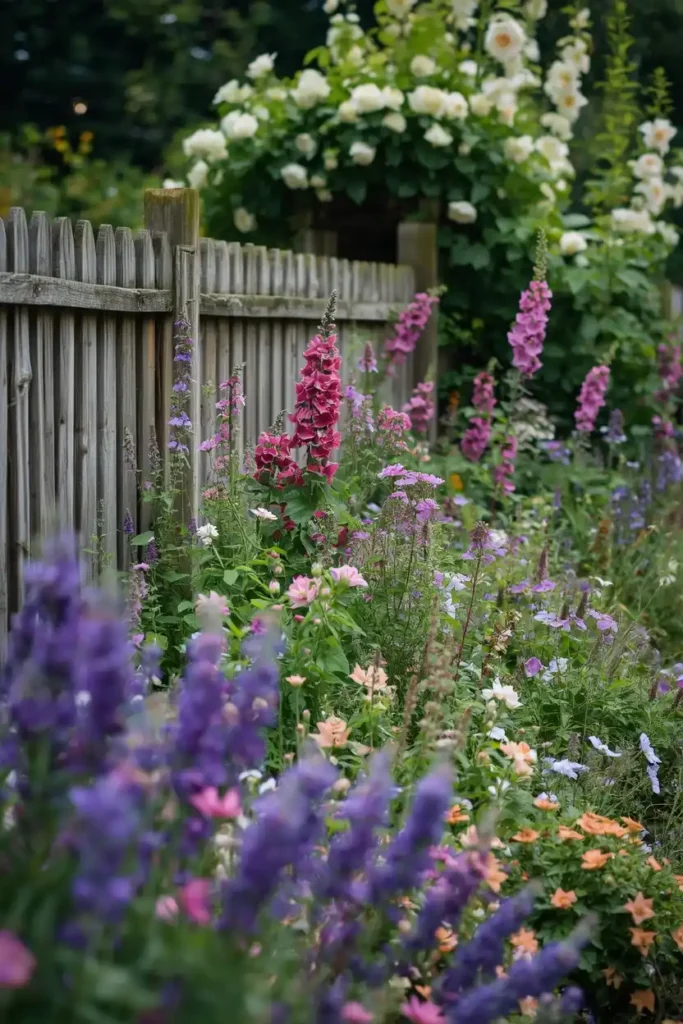
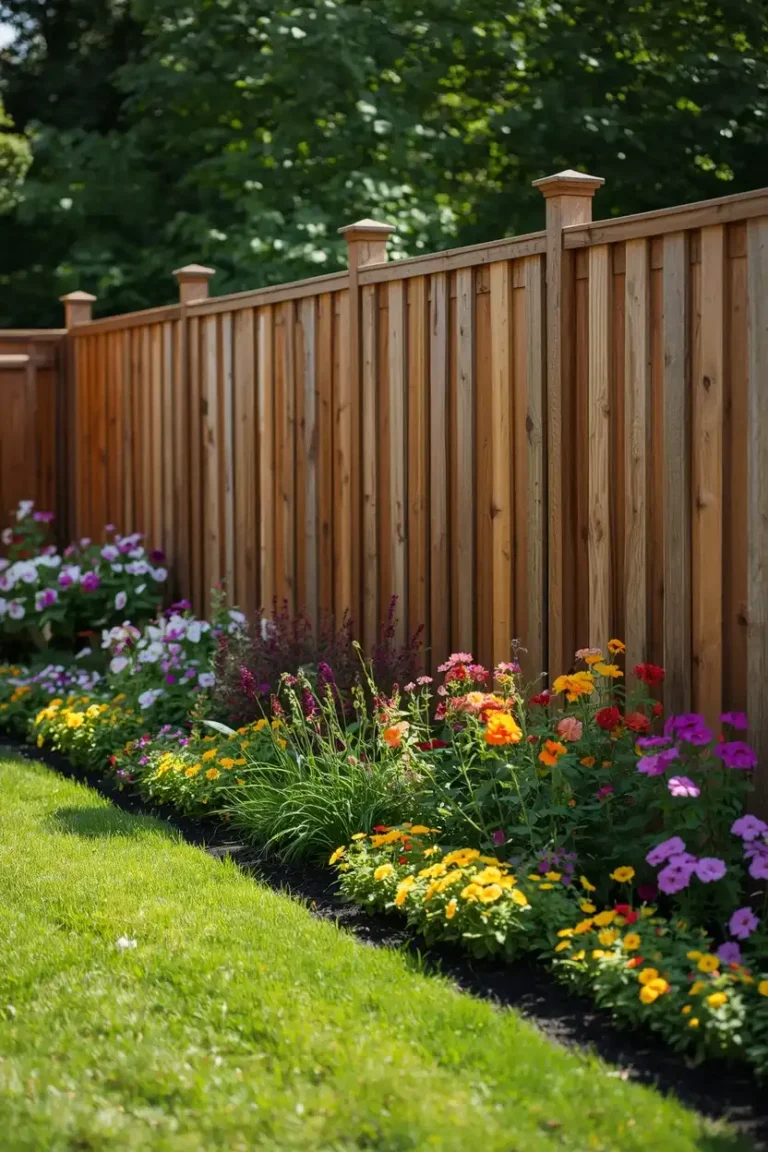
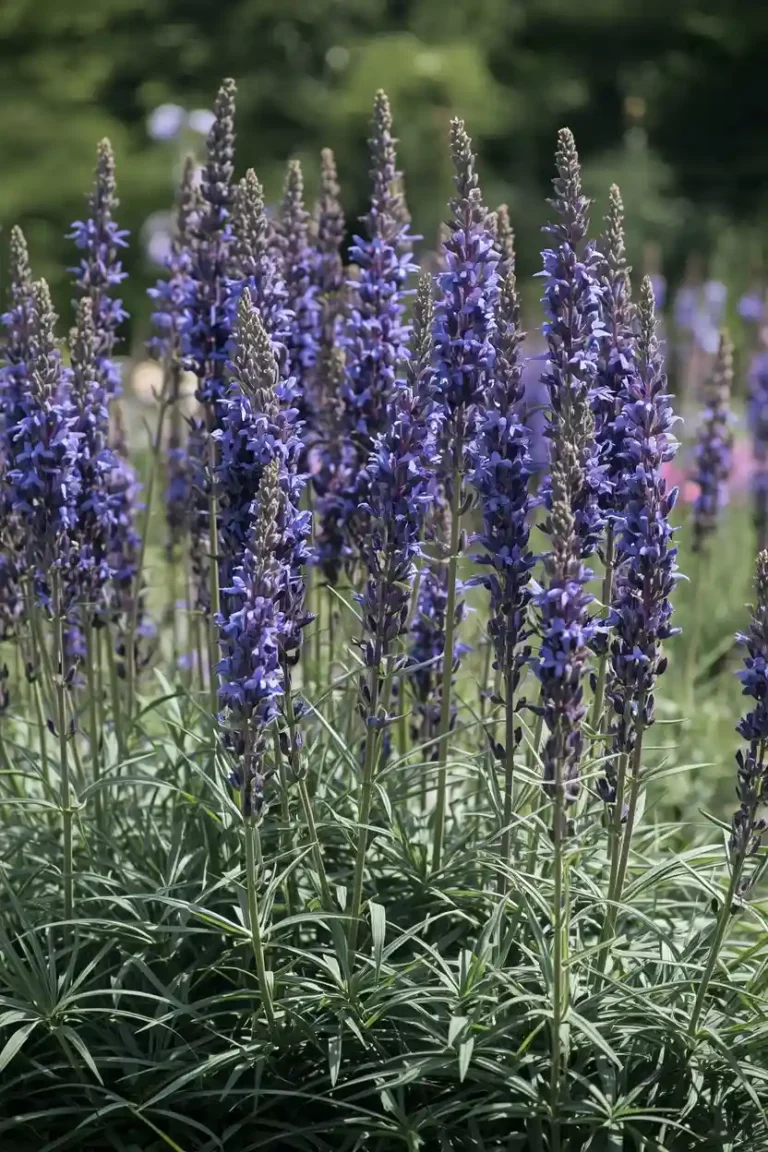
A lush, layered flower border running along a fence or wall, packed with cottage-garden favourites: lavender at the front, salvia and catmint in the middle, and tall roses or foxgloves at the back. The “controlled chaos” look is the whole point — a riot of colour and texture that looks effortless even though it’s been thoughtfully planned.
Expert Tip: Plant in groups of three or five rather than one of everything. Drifts of the same plant create impact that a single specimen never can. It also makes weeding easier because you know exactly what’s supposed to be there.
Why It Works
Cottage garden plants are, by nature, tough and resilient. Lavender thrives on neglect and poor soil. Catmint blooms for months and self-seeds. Salvia comes back reliably year after year and pollinators adore it. This style looks romantic and high-effort, but the plants themselves do most of the work once established.
The layered height structure also means you get colour and interest at every level, and as earlier bloomers fade, later ones take their place — so the border looks full and lively from May through October. It’s easily one of the most rewarding small garden design ideas for anyone who loves flowers but hates high maintenance.
What season do you most want your garden to shine — spring, summer, or fall? Tell me below — it’ll help you decide which plants to prioritize!
Now, avoid this mistake…
A lot of people design their garden for one perfect moment — usually July at peak bloom — and then wonder why it looks sad and bare for eight months of the year. Plan for year-round interest by choosing a mix of spring bulbs, summer perennials, fall grasses, and winter structure plants. Your garden should look intentional in December, not just June.
8. The Patio Pot Garden
What You’re Working With
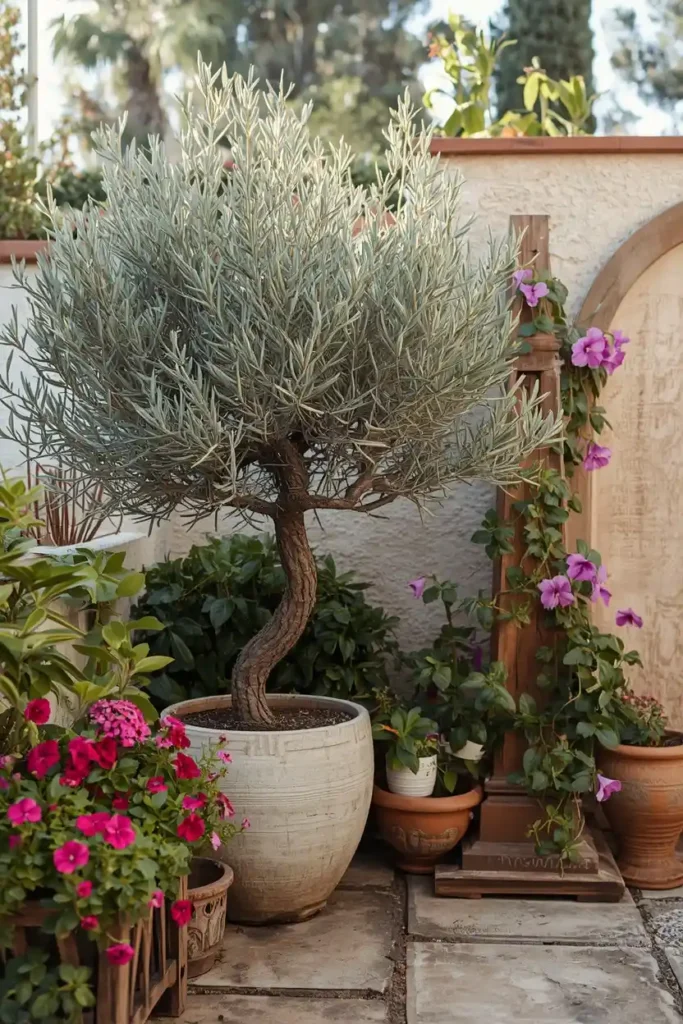
A small paved patio completely transformed by a collection of generously planted containers — a large olive tree as a focal point, surrounded by trailing petunias, upright agapanthus, and a fragrant jasmine climbing a simple obelisk. Every corner has a pot, every pot has purpose, and the result is a living room that happens to be outside.
Expert Tip: Feed container plants with a slow-release granular fertilizer at the start of the season, then top up with liquid tomato feed every two weeks through summer. Containers are constantly being flushed of nutrients by watering, so they need feeding more than ground-planted beds.
Why It Works
Pots are the most flexible of all small garden design ideas because they can be rearranged, replaced, and refreshed seasonally without any digging or replanting of borders. When a pot looks past its best, move it to a less prominent spot. When something new comes into flower, bring it front and centre.
For renters especially, this approach is a game-changer. You’re not making permanent changes to the garden — you’re bringing it to life with portable, moveable pieces you can take with you when you leave.
9. The Fern and Moss Shade Garden
What You’re Working With
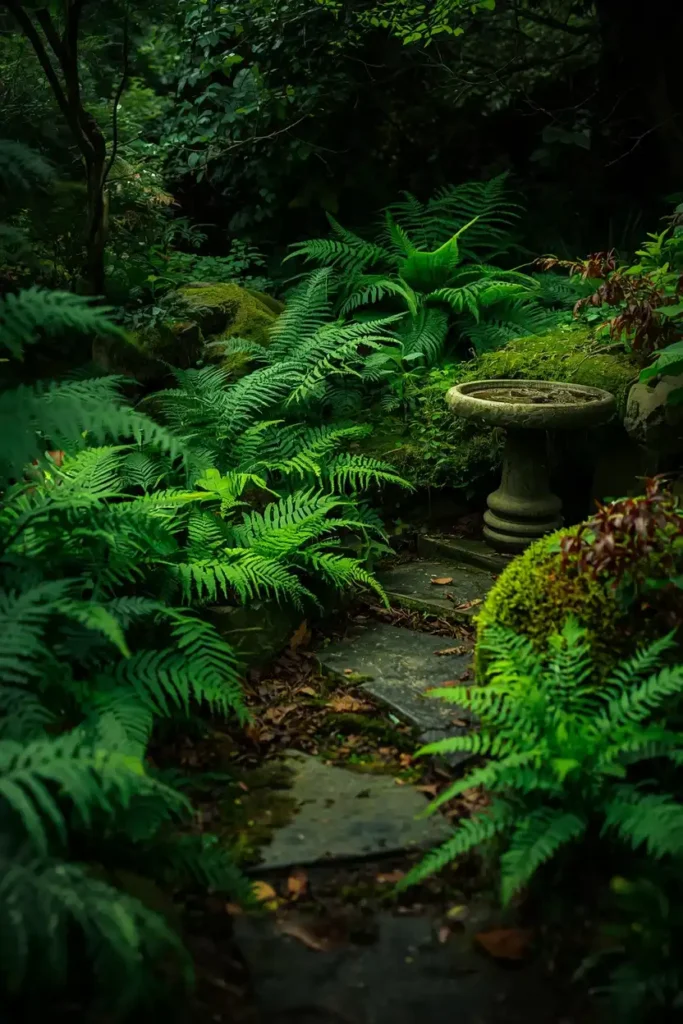
A deeply shaded corner transformed into a woodland oasis with layers of ferns (Japanese painted ferns, lady ferns, and autumn ferns are all stunning), creeping moss between stepping stones, and a few spring bulbs tucked in to add early colour before the ferns unfurl. A simple birdbath or stone feature anchors the space.
Expert Tip: Don’t fight the shade. Lean into it. Shade gardens feel cooler, more serene, and more private than sunny gardens — they’re genuinely magical spaces, especially in summer heat. Work with what you have rather than trying to change it.
Why It Works
Ferns are ancient, resilient, and extraordinarily low maintenance. Once planted in the right conditions — shade, moisture-retentive soil — they come back bigger and more beautiful every year without any help from you. Moss, once established, is essentially zero maintenance and creates that ethereal, forest-floor aesthetic that’s wildly popular right now.
This design is particularly perfect for gardens in the Pacific Northwest, the Northeast, or any region with humid summers. It transforms what most people see as a problem space into the most atmospheric corner of the entire garden.
10. The Edible Landscape
What You’re Working With
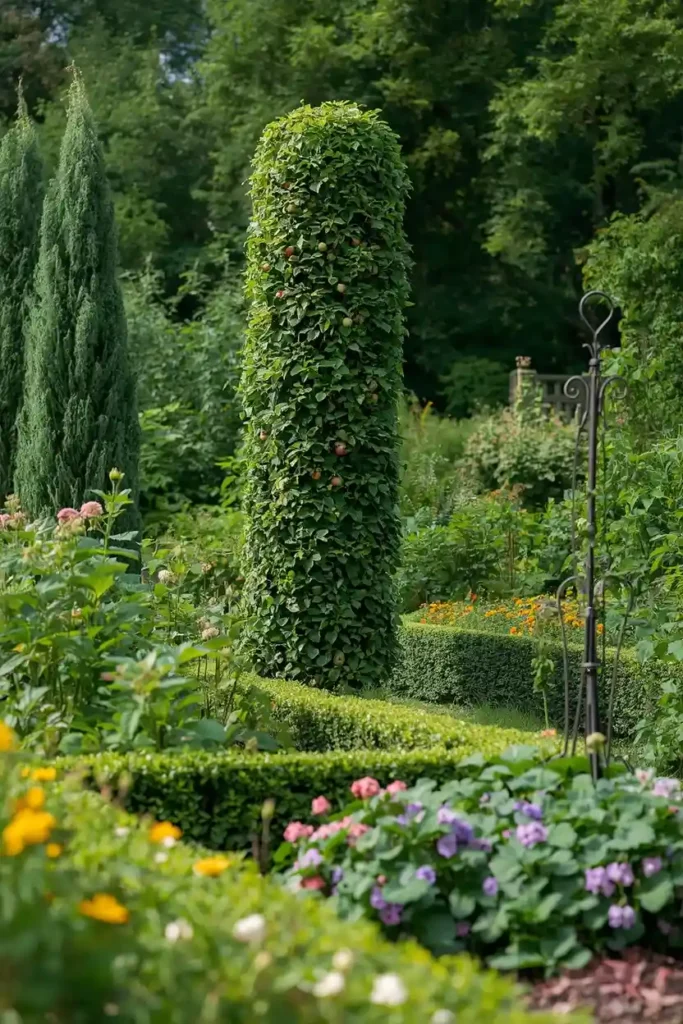
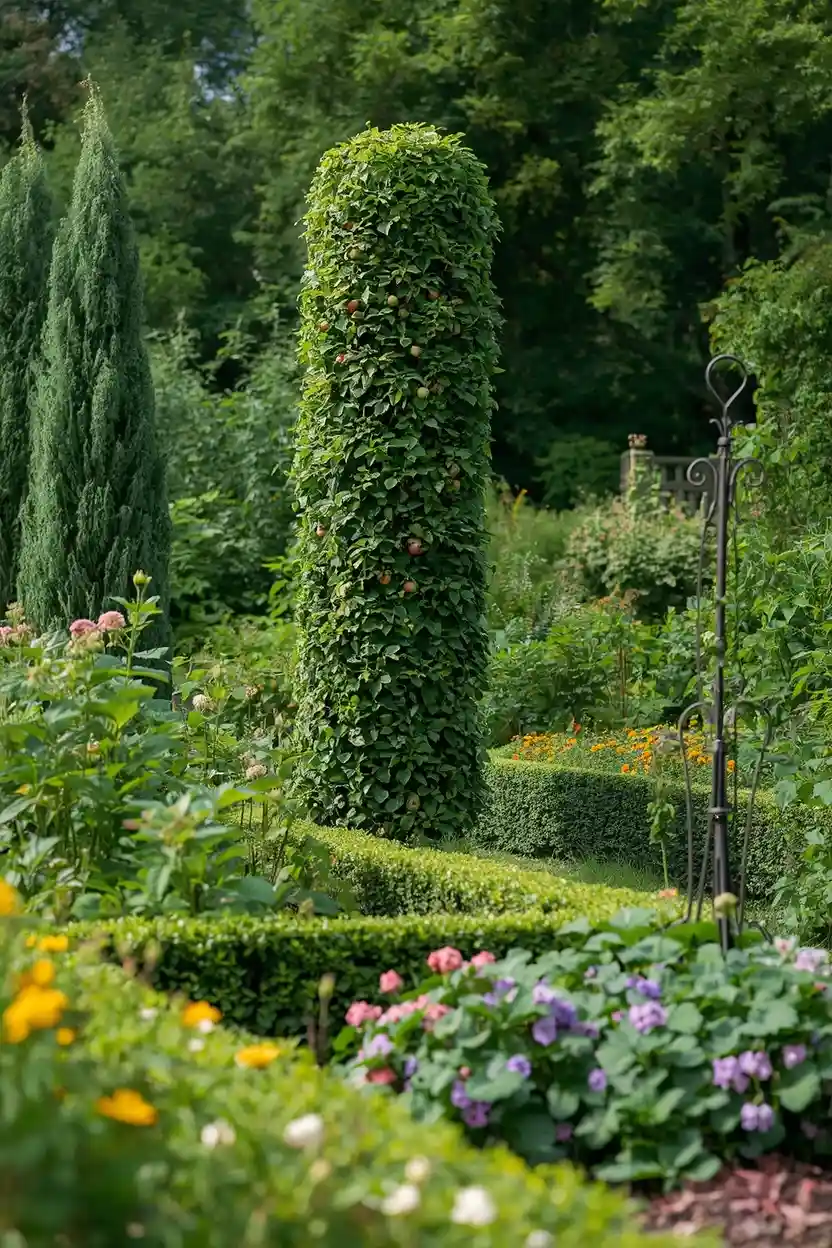
A front or back garden that blends food production seamlessly with ornamental planting — blueberry bushes used as a hedge, a columnar apple tree as a focal point, strawberries as a ground cover, and climbing beans on a decorative obelisk. Beautiful and productive, this approach makes every square inch earn its keep.
Expert Tip: Choose dwarf or columnar fruit tree varieties specifically bred for small spaces. They produce real, full-sized fruit but stay compact — perfect for gardens where a standard apple tree would take over entirely.
Why It Works
The edible landscape concept is one of the most exciting shifts in home gardening right now. Instead of separating vegetables into a utilitarian patch and flowers into a pretty border, you blend them together. Herbs become ornamental ground covers. Fruit bushes become structural hedges. Vegetables grow in beautiful raised beds that look as designed as any flower garden.
You also get the practical payoff — fresh herbs, fruit, and vegetables steps from your kitchen — without giving up any of the visual beauty. It’s the ultimate dual-purpose small garden design idea, and it makes your outdoor space feel genuinely meaningful rather than just decorative.
You’ll love our guide on Creative Ladder Herb Gardening Ideas on a Budget to get started!
Quick Design Principles for Small Gardens (That Most People Ignore)
Here are a few bonus principles that will make any of the above ideas work even better in your specific space.
Use mirrors strategically. A weatherproof outdoor mirror on a fence or wall doubles the perceived size of the space — especially effective in narrow side passages.
Create a focal point. Every great small garden has one thing the eye is drawn to — a statement pot, a sculpture, a tree, a water feature. Without a focal point, the eye doesn’t know where to land and the space feels cluttered.
Keep pathways clear and generously sized. In a small garden, a too-narrow path feels cramped and uncomfortable. Aim for at least 24 inches wide for a functional path, 36 inches if possible.
Limit your colour palette. In a small space, too many colours creates visual chaos. Choose two or three main colours and repeat them throughout. White and green with touches of purple is a classic that never fails.
Layer heights. Low plants at the front, mid-height in the middle, tall at the back — or tall structures in the centre surrounded by lower planting. This gives the garden depth and dimension that flat, single-height planting simply can’t achieve.
Let’s Pull It All Together
If you’ve made it this far, you clearly care deeply about creating an outdoor space that’s genuinely beautiful and genuinely manageable — and that’s exactly the right mindset for success.
The best small garden design is the one that fits your life, your light conditions, your budget, and your personal taste. You don’t need all ten of these ideas — you just need one or two executed really well.
Start small. Pick one bed, one corner, one container. Do it right. Build from there.
Here’s my honest encouragement: the difference between a garden that you love and one that overwhelms you is almost always about design before planting. Spend time on the layout, the materials, and the plant choices upfront — and everything else gets so much easier.
Which of these 10 ideas are you most excited to try? Let me know in the comments — I genuinely want to hear your plans!
And if you’re ready to take your outdoor transformation further, don’t miss our guide on Small Front Yard Landscaping Ideas for even more inspiration — your curb appeal is about to go through the roof.
You’ve got this. Go make something beautiful.