10 Vintage Chair Styles That Instantly Upgrade Any Room
This article was created in line with Trends Oraa’s research and content standards.
Most people don’t realize this.
A single chair can make or break an entire room.
That’s why their space never feels finished, no matter how much they spend on the rest.
The good news? Fixing it is easier than you think, and it usually doesn’t cost what you’d expect.
Vintage chair styles have this strange power. They carry history, texture, and personality that brand-new furniture just can’t fake. One well-chosen piece can turn a flat, builder-grade living room into something that actually feels like you live there.
You might also love our guide on hanging chair design ideas if you’re craving something a little more playful and unexpected for your reading nook.
In this guide, I’m walking you through ten vintage chair styles that designers keep coming back to, why they work, and exactly where each one belongs in your home. Keep scrolling, because the order matters more than you’d think.
Why Vintage Chair Styles Are Having a Major Moment
Before we dive in, here’s something worth knowing.
Vintage doesn’t mean outdated. It means tested.
These chair styles have survived decades of design trends because the proportions, the materials, and the comfort actually hold up. That’s not nostalgia talking. That’s just good design.
Most people don’t know this, but a lot of “new” furniture trends right now are just reissues of mid-century and antique originals. So when you buy vintage, you’re often getting the real version of something everyone else is paying more for in a knockoff.
Let’s get into the styles.
1. The Bentwood Chair
What You’re Seeing
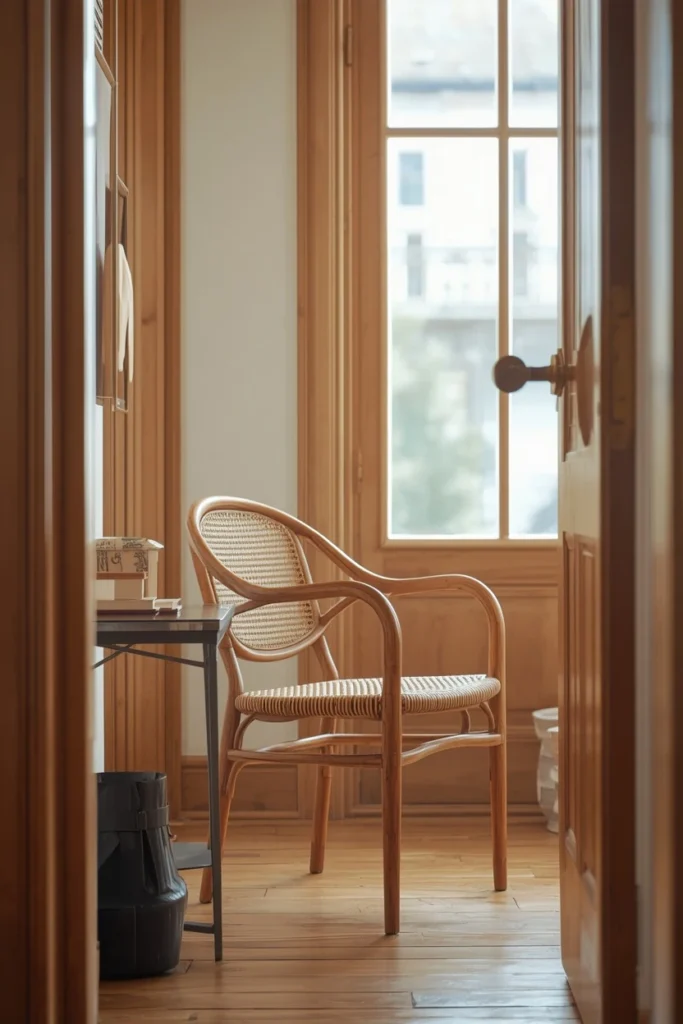
Picture a chair with slim, curved wooden arms that loop and twist almost like ribbon frozen in motion. The seat is often woven cane, and the whole frame has a warm honey or dark walnut tone. It looks light, almost like it could float.
Design Breakdown
Bentwood chairs were made using a steaming process that let craftsmen bend solid wood into elegant curves without cutting or joining pieces. That’s why the lines flow so smoothly, there are no harsh joints breaking up the silhouette.
Expert Tip
Pair one bentwood chair with a heavier, modern table. The contrast between delicate curves and solid bulk makes both pieces look more intentional.
Why It Works
The open, airy frame keeps small rooms from feeling cluttered, while the curved lines soften a space full of straight-edged furniture.
Best For
- Small spaces
- Renters
- Budget makeovers
Common Mistake To Avoid
Don’t shove a bentwood chair into a corner where the curves get hidden. These chairs need breathing room to show off their shape.
Quick Wins
- Use as an accent chair near a window
- Add a cane seat cushion for comfort
- Pair with brass or wood-tone tables
- Works beautifully in a reading corner
Imagine walking into your entryway and seeing one of these tucked beside a small console table, catching the afternoon light through its woven seat.
2. The Wingback Chair
What You’re Seeing
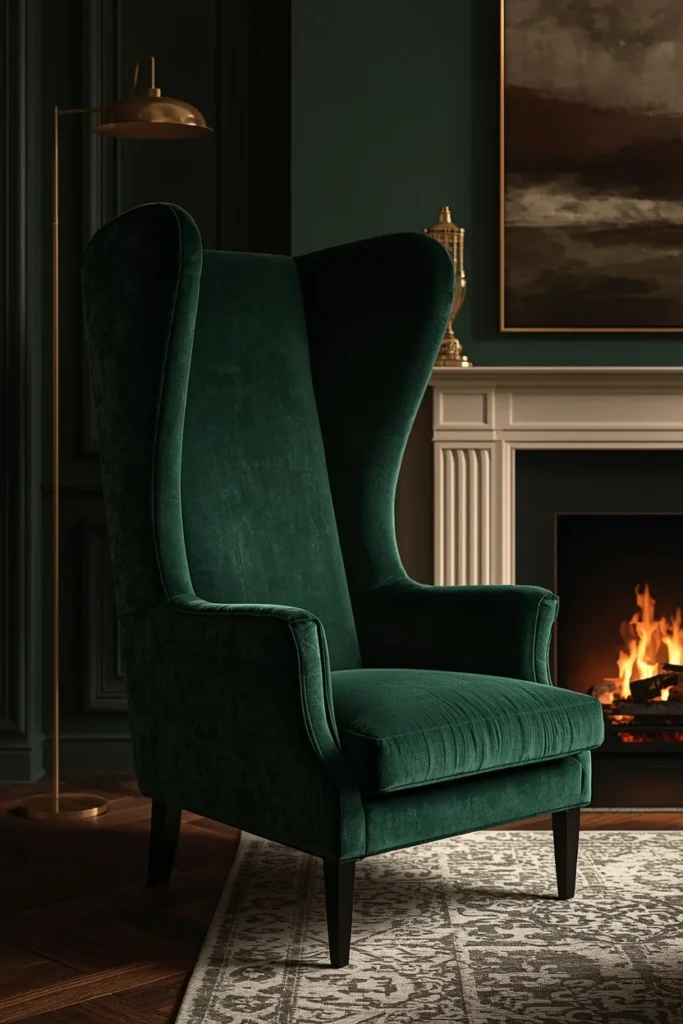
A tall, upholstered chair with high “wings” that curve forward on either side of the headrest, almost like it’s hugging whoever sits in it. Deep, plush, and usually finished in a rich fabric like velvet or tweed.
Design Breakdown
Originally designed centuries ago to block drafts and trap heat near a fireplace, the wingback’s tall sides aren’t just decorative. They’re functional architecture that happens to look incredible.
Expert Tip
Choose a bold fabric, not a safe neutral. Wingbacks were made to be statement pieces, so a deep emerald or burgundy will do more for your room than beige ever could.
Why It Works
The height and structure draw the eye upward, making ceilings feel taller and rooms feel grander, even in modest homes.
Best For
- Luxury homes
- Large spaces
- Families
Common Mistake To Avoid
People often buy a wingback that’s too small for the room. This chair needs visual weight to make sense, scale it up rather than down.
Quick Wins
- Add a matching ottoman for a complete look
- Use as a reading chair near natural light
- Choose a fabric with texture for depth
- Pair with a brass floor lamp
But here’s the important part. The wingback only works if it has space to be the focal point. Don’t crowd it.
Expert Insight: One thing I’ve learned about wingbacks After styling dozens of living rooms, I’ve noticed people underestimate how much a single wingback chair can anchor a room. It doesn’t need a matching set. In fact, one striking wingback paired with a plain sofa often photographs better and feels more curated than a perfectly matched living room set ever could. Confidence in one piece beats uniformity every time.
Most people waste more space than they realize when they try to fill every corner with furniture. Sometimes the most powerful design move is restraint, and that’s exactly what makes the next chair style so interesting.
3. The Windsor Chair
What You’re Seeing
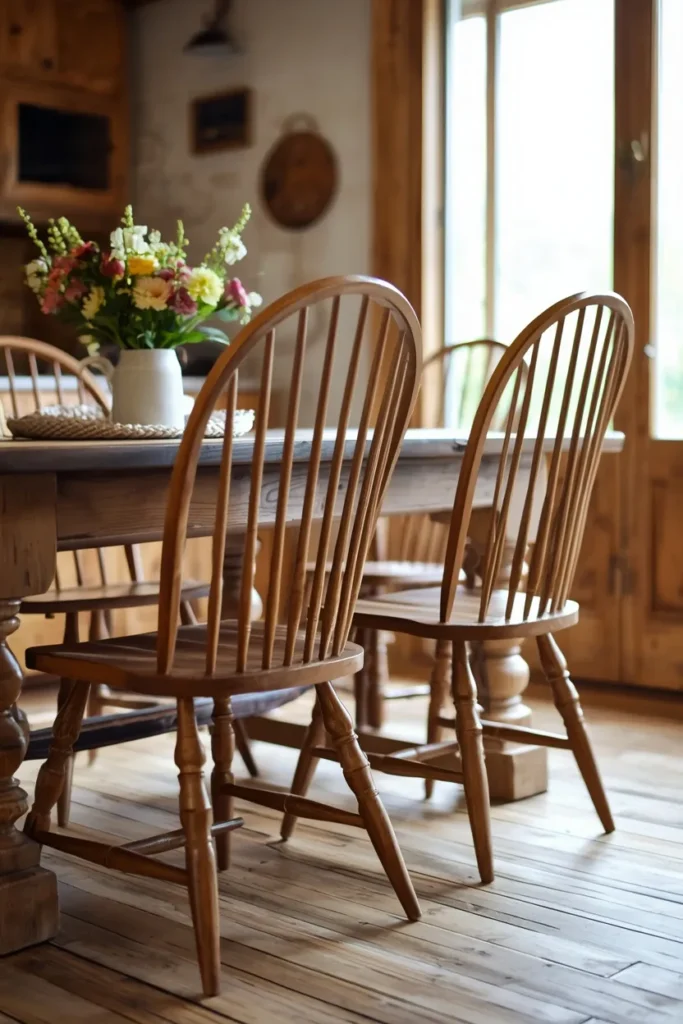
A wooden chair with spindle-back detailing, a curved top rail, and turned legs that splay slightly outward for stability. Usually unfinished or stained wood, sometimes painted black or sage green.
Design Breakdown
Windsor chairs date back to 18th-century England and were prized for being lightweight yet sturdy, thanks to their saddle-shaped seats and steam-bent spindles.
Expert Tip
Mix Windsor chairs with a farmhouse table instead of matching wood chairs. The slight imperfection in tone makes the table look collected over time, not bought as a set.
Why It Works
The spindle design lets light pass through the chair, so a whole set of them around a table won’t visually overwhelm a room the way solid-back chairs can.
Best For
- Families
- Budget makeovers
- Renters
Common Mistake To Avoid
Buying a full matching set new defeats the purpose. Hunt for a few mismatched originals instead, it’s cheaper and far more charming.
Quick Wins
- Mix and match finishes for a collected look
- Use as dining chairs or extra seating
- Add a sheepskin throw for softness
- Works well painted or left natural
This is where many homeowners make a mistake. They think vintage chairs need to match perfectly. They don’t. The next idea proves that even further.
You May Also Like:
- Country Farmhouse Decor Ideas
- Dining Room Ideas
- Rustic Kitchen Ideas
- Kitchen Table Ideas
- Modern Farmhouse Dining Room Ideas
4. The Eames-Style Lounge Chair
What You’re Seeing
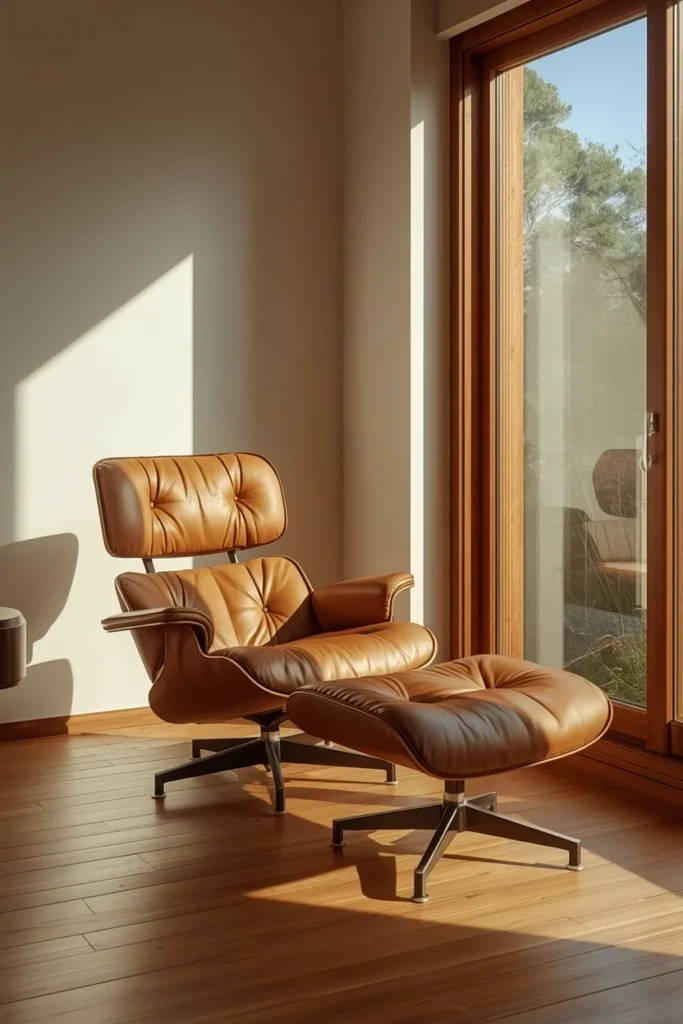
A molded plywood shell chair with leather cushions, sitting on a sleek wood or metal base, often paired with a matching ottoman. Mid-century clean lines, but with serious comfort built in.
Design Breakdown
This style revolutionized furniture by molding wood into curved shapes that hug the body, blending sculpture with function in a way that was radical for its time.
Expert Tip
If budget allows, splurge on this piece over almost anything else in the room. It’s the kind of chair that makes an entire space look more expensive than it is.
Why It Works
The warm leather and wood combination creates a cozy focal point without feeling bulky, since the shell design keeps the silhouette slim.
Best For
- Luxury homes
- Large spaces
Common Mistake To Avoid
Placing it in a high-traffic walkway. This chair invites lounging, so it needs a dedicated, quieter spot to actually get used.
Quick Wins
- Position near a window for natural light
- Pair with a simple side table
- Add the matching ottoman if possible
- Keep surrounding decor minimal
For more inspiration on this exact style, check out our deep dive on Eames chair ideas, it covers placement tips I didn’t have room to include here.
Picture yourself sinking into one of these after a long day, the leather slightly worn in, the chair tilting back just enough to feel like permission to relax.
5. The Slipper Chair
What You’re Seeing
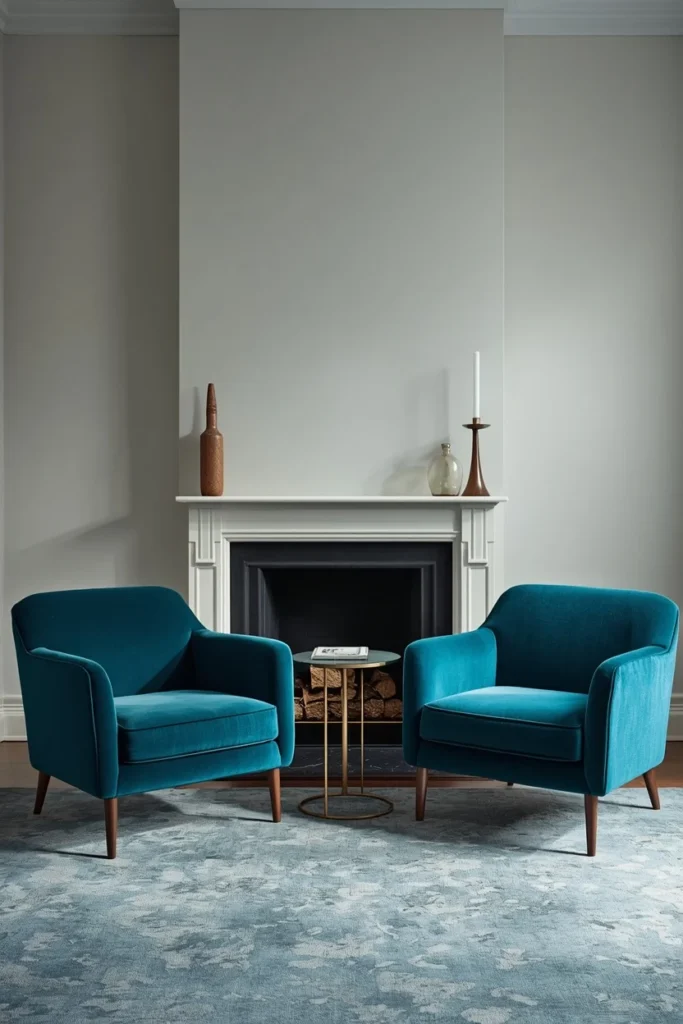
A low, armless chair with a tailored upholstered back and seat, often in a bold print or solid jewel tone. No bulky frame, just clean fabric lines sitting close to the ground.
Design Breakdown
Slipper chairs were originally designed for bedrooms, low enough to slip on shoes comfortably, hence the name. Their lack of arms makes them visually lighter than most accent chairs.
Expert Tip
Use slipper chairs in pairs flanking a fireplace or window. Symmetry with this style reads as intentional, not matchy.
Why It Works
Without bulky arms, the chair takes up less visual space, making it perfect for rooms where you want seating without the heaviness.
Best For
- Small spaces
- Renters
- Budget makeovers
Common Mistake To Avoid
Choosing a fabric that’s too busy for a small room. Bold prints work best when the rest of the space stays fairly calm.
Quick Wins
- Use in pairs for symmetry
- Choose performance fabric for durability
- Add a small side table beside each chair
- Works in bedrooms, living rooms, or hallways
Expert Insight: Here’s where it gets interesting Slipper chairs are one of the most underrated vintage finds because people assume “armless” means “less comfortable.” In reality, the low profile makes them incredibly easy to style around. I’ve used them in awkward corners that couldn’t fit a full armchair, and they instantly solved the problem. If you’re working with an oddly shaped room, this is the style to search for first.
Don’t skip the next tip, because this next chair style might be the most photographed one on this entire list, and for good reason.
6. The Peacock Chair
What You’re Seeing
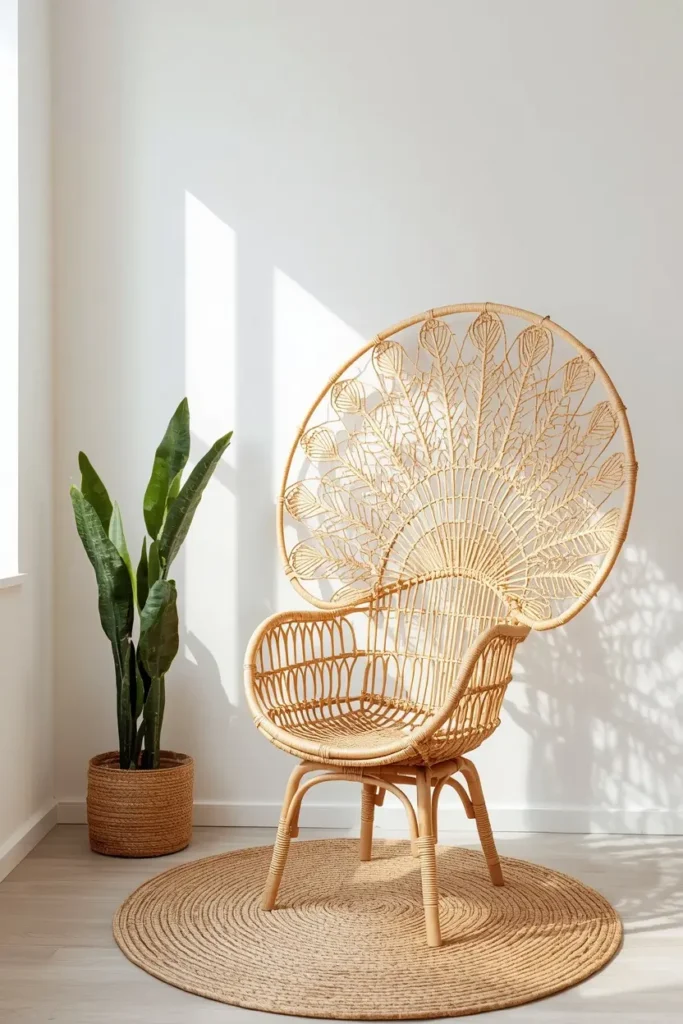
A dramatic, oversized wicker or rattan chair with a fan-shaped back that radiates outward like, well, a peacock’s tail. Often left natural-toned or painted white for a fresh update.
Design Breakdown
Originally handwoven in the Philippines and popularized in bohemian interiors, the peacock chair’s exaggerated silhouette makes it impossible to ignore, in the best way.
Expert Tip
Let this chair stand alone. It doesn’t need a busy backdrop, in fact, a plain wall makes the silhouette pop even more dramatically.
Why It Works
The dramatic shape creates an instant focal point, which is exactly why it photographs so well for Pinterest and Instagram-worthy corners.
Best For
- Large spaces
- Luxury homes
- Renters
Common Mistake To Avoid
Overcrowding it with too many plants or accessories nearby. The chair is the statement, let it be seen clearly.
Quick Wins
- Place against a plain wall for contrast
- Add one floor plant nearby, not several
- Use a round jute rug underneath
- Works indoors or on a covered porch
The next idea is one designers secretly love, because it solves a problem most people don’t even realize they have.
You May Also Like:
- Indoor House Plants Aesthetic Ideas
- Girly Apartments Ideas
- Reading Corner Ideas
- Vintage Porch Decor Ideas
- Small Balcony Decor Ideas
The Real Cost of Buying Vintage Chairs (Buying Guide)
This is the part most blog posts skip, but it’s the part that actually saves you money.
Buying vintage chair styles isn’t as simple as walking into a store and paying a price tag. There’s a strategy to it, and knowing it ahead of time will save you from overpaying or, worse, ending up with a chair that falls apart in six months.
Where to actually find good vintage chairs:
- Estate sales (best prices, but you need to move fast)
- Local auction houses (great for higher-end pieces like wingbacks)
- Facebook Marketplace and Craigslist (hit or miss, but worth checking weekly)
- Architectural salvage shops (curated, but pricier)
- Vintage furniture restorers (already refinished, costs more but saves labor)
What you should expect to pay:
- Bentwood or Windsor chairs: $40–$150 depending on condition
- Slipper chairs: $80–$250, more if reupholstered
- Wingback chairs: $150–$600, original vs. reissue makes a big difference
- Eames-style lounge chairs: $400–$2,000+ for true vintage originals
- Peacock chairs: $100–$400 depending on size and material
Think about how much easier this gets once you know what to look for. Here’s exactly what to check before buying:
- Frame stability. Gently rock the chair. Wobbling means loose joints, which can sometimes be fixed but should lower the price.
- Wood condition. Look for deep cracks, not just surface scratches. Scratches refinish easily. Cracks are structural.
- Upholstery smell. Musty odors usually mean it’s been stored somewhere damp, which can mean hidden mold.
- Springs and padding. Sit in it. If it feels like sitting on the floor, the padding is likely shot and will need replacing.
- Original vs. reproduction. Reissues aren’t bad, they’re often more affordable and just as functional, but you should know which one you’re paying for.
Common mistakes buyers make:
- Buying online without asking for extra photos of the joints and underside
- Assuming “vintage” automatically means valuable
- Skipping a budget for reupholstery costs, which can add $150–$500 per chair
- Falling for a beautiful photo without checking real dimensions
Would you choose function or style if you had to pick just one? With vintage chairs, you actually don’t have to choose. That’s the whole point of this guide, finding pieces that nail both.
7. The French Provincial Chair
What You’re Seeing
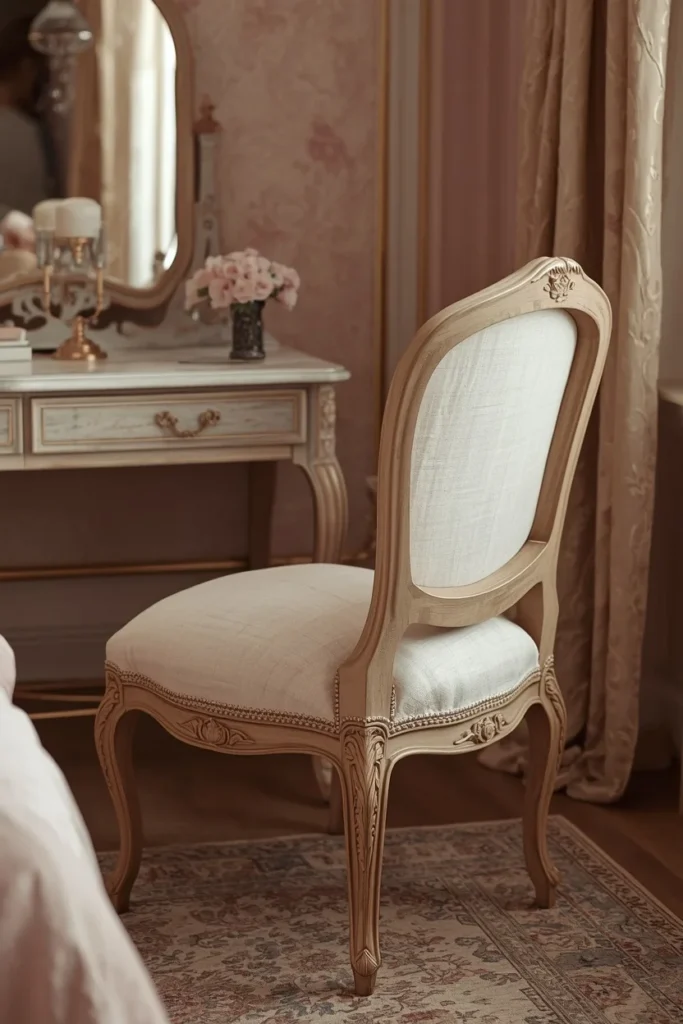
An elegant chair with carved wood detailing, often a cabriole leg with a slight curve, and an upholstered seat and back in a soft, romantic fabric like linen or toile.
Design Breakdown
Rooted in 18th-century French design, these chairs balance ornate carving with a refined, lighter touch than their more dramatic Baroque cousins.
Expert Tip
Reupholster in a modern, simple fabric instead of a traditional floral print. The carved wood does the “vintage” talking, so the fabric can feel current.
Why It Works
The mix of classic woodwork with updated fabric creates a transitional look that bridges old and new, which is exactly what most modern homes are chasing right now.
Best For
- Luxury homes
- Large spaces
- Budget makeovers
Common Mistake To Avoid
Leaving the original, often dated, upholstery fabric untouched. A simple reupholster job transforms this chair completely.
Quick Wins
- Reupholster in solid linen or velvet
- Use as an accent chair, not a full set
- Pair with modern art for contrast
- Add at a vanity or small desk
Visualize the difference a single recovered French Provincial chair makes sitting at a plain desk, the carved legs catching light while the fabric feels fresh and current.
You May Also Like:
- Dressing Table Ideas
- Vanity Ideas Bedroom
- Feminine Bedroom Ideas
- Small Desk Ideas
- Classy Bedroom Ideas
8. The Shaker Chair
What You’re Seeing
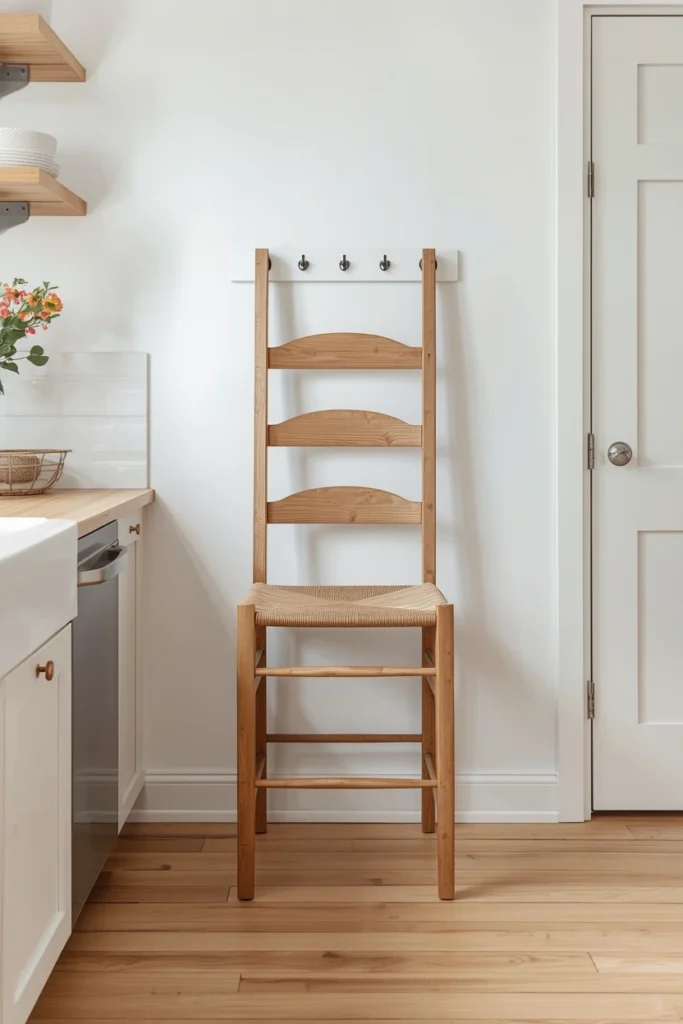
A simple, ladder-back wooden chair with woven tape seating, completely free of ornamentation. Clean lines, lightweight frame, often hung on pegboard rails when not in use, exactly as it was originally designed.
Design Breakdown
Shaker furniture was built around the belief that beauty comes from function, not decoration. Every curve and joint exists for a structural reason, not a stylistic one.
Expert Tip
Use Shaker chairs anywhere you need extra seating without visual clutter. Their minimal frame disappears into a room rather than competing with it.
Why It Works
The understated design works in almost any style of home, modern, farmhouse, traditional, because it never tries to be the star of the room.
Best For
- Small spaces
- Renters
- Budget makeovers
- Families
Common Mistake To Avoid
Painting over the original finish without checking if it’s a valuable, signed piece first. Some Shaker originals are worth far more unaltered.
Quick Wins
- Hang on wall pegs to save floor space
- Use as flexible extra seating
- Pair with simple woven seat cushions
- Works in kitchens, offices, or entryways
Expert Insight: Most people don’t know this Shaker chairs are some of the most functional vintage pieces you can own because they were quite literally designed to be hung on the wall when not in use. If you’re in a small apartment or rental, this single feature solves a storage problem most other chair styles can’t. It’s a 200-year-old solution to a problem we’re all still dealing with today.
This simple change can completely transform the room, and it costs almost nothing to try.
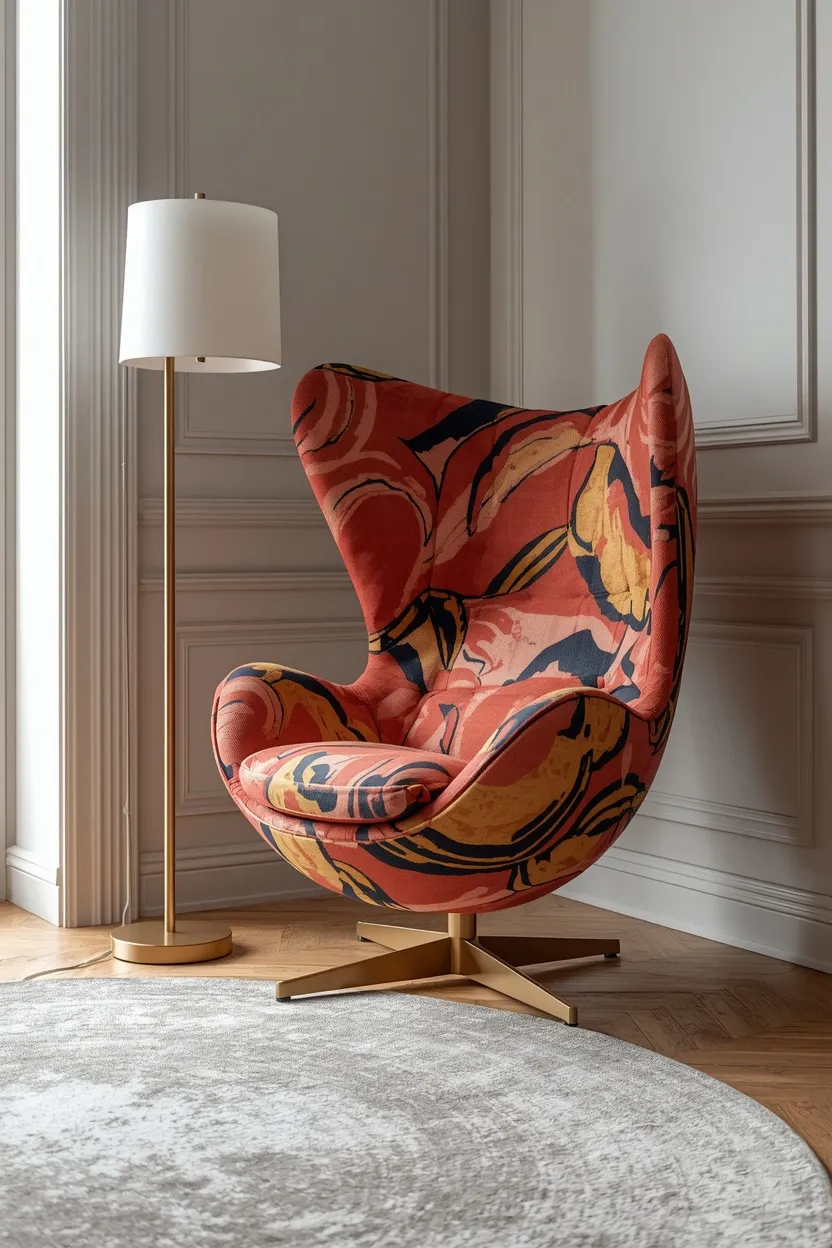
9. The Egg Chair
What You’re Seeing
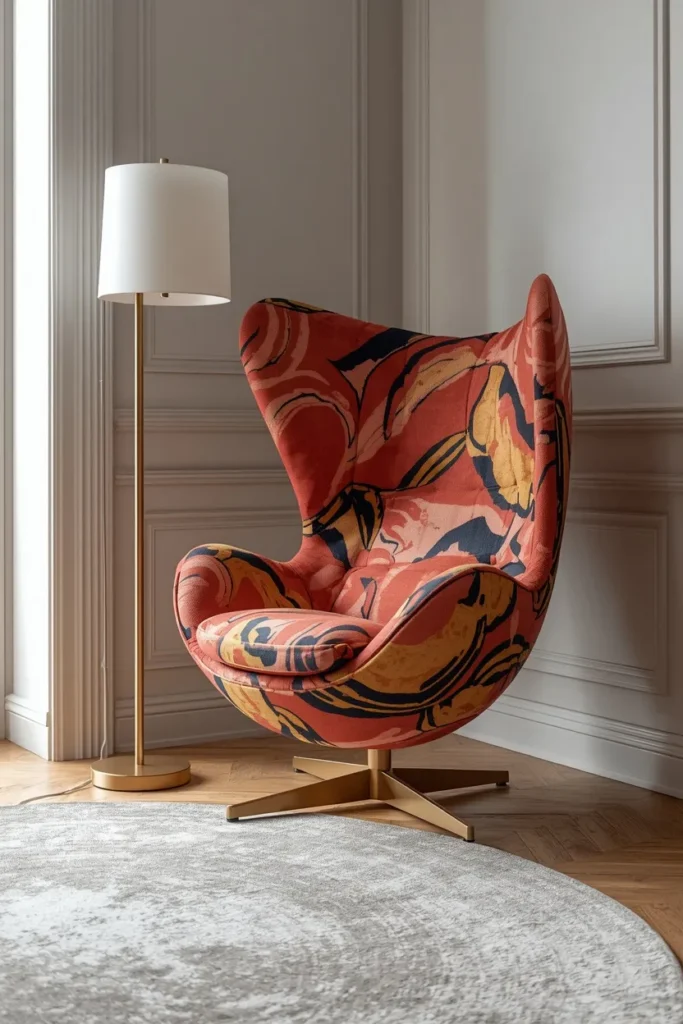
A rounded, cocoon-shaped chair on a swiveling pedestal base, fully upholstered to wrap around the sitter like a shell. Often in bold fabric or leather, sometimes with a matching ottoman.
Design Breakdown
Designed in the mid-20th century to create a private “room within a room,” the enclosed shape was meant to offer both comfort and a sense of personal space in open-plan interiors.
Expert Tip
Use this chair as a single dramatic accent rather than mixing it with other statement pieces. It needs to be the visual hero of its corner.
Why It Works
The enclosed shape creates a psychological sense of privacy and comfort, which is part of why this chair has remained popular for decades despite its bold look.
Best For
- Large spaces
- Luxury homes
Common Mistake To Avoid
Placing it in a cramped corner where the swivel function can’t actually be used. This chair needs clearance to do what it’s designed to do.
Quick Wins
- Add a floor lamp beside it for a reading nook
- Choose a fabric that contrasts the wall color
- Pair with a round rug to anchor the space
- Leave at least two feet of clearance around it
Here’s where it gets interesting. The next style on this list is one most people walk past without realizing how versatile it actually is.
You May Also Like:
10. The Rattan Bistro Chair
What You’re Seeing
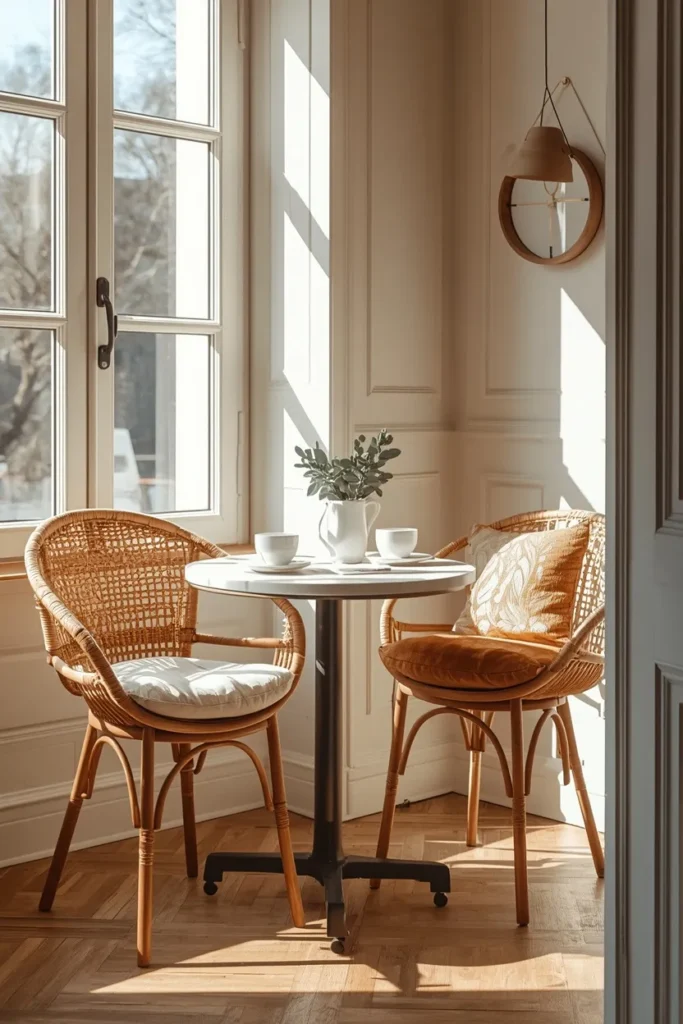
A lightweight chair woven from natural rattan or cane, with a slightly curved back and simple, airy construction. Often found in cafe-style pairs around a small round table.
Design Breakdown
Rattan bistro chairs became iconic through European cafe culture, prized for being durable, stackable, and breathable in warm climates, while still looking effortlessly chic.
Expert Tip
Use these indoors, not just outdoors. They work beautifully in a sunroom or breakfast nook, bringing texture without weighing the room down.
Why It Works
The natural material adds warmth and texture to a space, balancing out cooler materials like glass, metal, or stone that dominate so many modern kitchens.
Best For
- Small spaces
- Budget makeovers
- Renters
- Families
Common Mistake To Avoid
Leaving rattan chairs outside in direct, harsh weather year-round. Without care, the material dries out and becomes brittle far faster than it should.
Quick Wins
- Use in pairs around a small bistro table
- Add a tied-on cushion for comfort
- Bring indoors during harsh weather
- Mix with metal or glass tables for contrast
Picture yourself enjoying coffee at a small table with two of these chairs catching morning light, the woven texture adding warmth that a plain metal chair never could.
The following idea surprised me the most when I first started researching vintage styles: how often people overlook rattan entirely in favor of more “obvious” vintage picks. Don’t make that mistake.
Related Seating & Living Room Ideas
If any of these vintage chair styles sparked something for you, here are a few more guides worth exploring before you go.
- Bedroom Chair Style Ideas
- Recliner Chair Ideas
- Dorm Room Chair Ideas
- Window Seat Ideas
- Cozy Living Room Ideas
- Scandinavian Living Room Ideas
- Mid-Century Modern Living Room Ideas
- Camping Chair Design Ideas
What’s your biggest challenge right now when it comes to choosing furniture that actually fits your space? Sometimes the answer isn’t a bigger budget, it’s just the right style.
Final Thoughts on Choosing Your Vintage Chair Style
If there’s one thing I hope you take away from this list, it’s that vintage chair styles aren’t just decor, they’re personality.
The bentwood chair brings lightness. The wingback brings drama. The Shaker chair brings quiet function. Every single style on this list solves a different problem, which is exactly why mixing them works so well.
Here’s my honest advice: don’t try to buy all ten at once. Pick the one style that solved a problem you’ve been dealing with in your own home, whether that’s a cramped corner, a boring dining set, or a living room that feels too matchy, and start there this week.
Which design would you try first? Let me know which one is your favorite, because I’m always curious whether people lean toward the dramatic statement pieces or the quiet, functional ones.
If vintage seating got you thinking about the rest of your living room, you might want to explore how the right sofa pairs with these chair styles next. A great chair can get overshadowed fast by the wrong sofa choice, and that’s a mistake worth avoiding before you commit to a full room refresh.
There’s one more category of vintage furniture that I think deserves its own deep dive, and it might surprise you how much it overlaps with everything we just covered. Keep an eye out for that one, because once you start noticing vintage chair styles in real spaces, you’ll start seeing the next category everywhere too.