10 DIY Garden Landscape Ideas That Actually Transform Your Yard
This article was created in line with Trends Oraa’s research and content standards.
Most homeowners don’t realize this.
Their yard isn’t boring because of bad taste — it’s boring because of one missing layer.
That’s why the same patchy grass and empty flower bed have looked “almost done” for three summers straight.
The good news? Closing that gap takes a weekend, not a full landscaping budget.
If you’ve been hunting for DIY garden landscape ideas that go beyond another round of mulch, you’re in the right place. You might also love our guide on Small Front Yard Landscaping Ideas if your space is tight and you want ideas built specifically for smaller footprints — it pairs perfectly with everything coming up below.
This isn’t a list of vague inspiration photos. These are 10 real, buildable DIY garden landscape ideas broken down piece by piece, so you know exactly what you’re looking at, why it works, and what mistake to avoid on your first attempt.
Let’s get into it.
Why DIY Garden Landscape Ideas Are Worth Your Weekend
Here’s the thing nobody tells you about landscaping: the biggest transformations rarely come from the biggest budgets.
They come from layering — height, texture, and structure stacked in the right order.
But here’s the important part: most people skip structure entirely and jump straight to plants, which is exactly why their yard never quite “clicks.”
The ideas below fix that, one layer at a time.
1. The Dry Creek Bed Landscape
What You’re Seeing
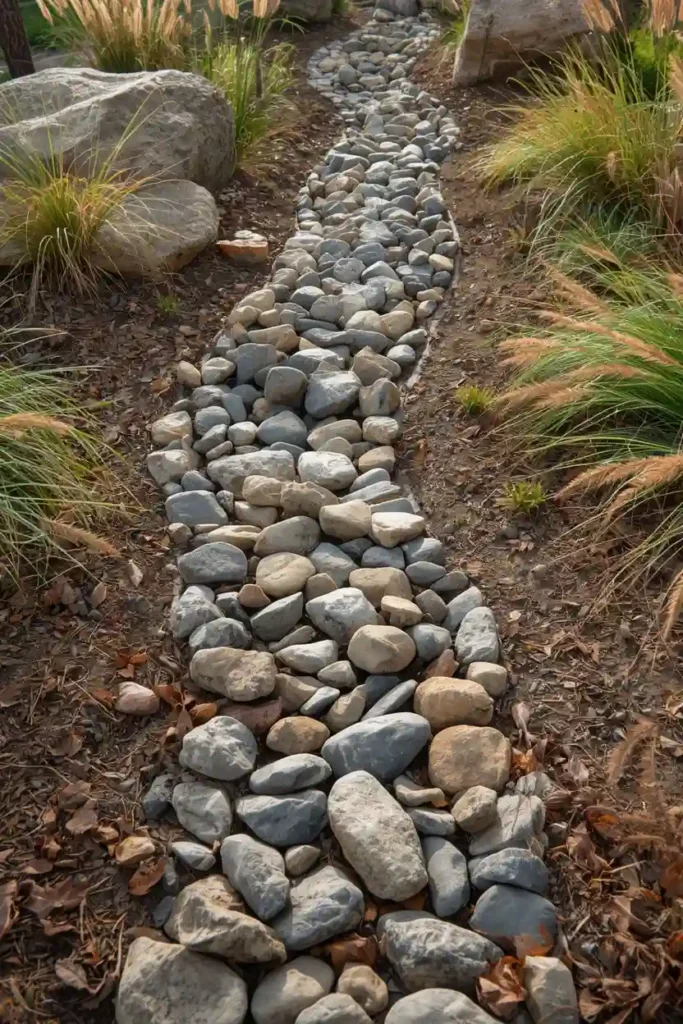
A winding, natural-looking path of river rocks cutting through a garden bed, flanked by ornamental grasses and a few larger boulders positioned like they’ve always belonged there.
Design Breakdown
A dry creek bed solves two problems at once — it handles drainage in low spots that pool water, and it adds a strong visual line through an otherwise flat yard. The trick is variation: mixing rock sizes so it reads as natural, not poured.
Expert Tip
Layer landscape fabric underneath the rocks before you place them, and always slope the bed slightly toward the lowest point of your yard so it actually functions during heavy rain.
Why It Works
Curved lines are inherently more calming to the eye than straight ones, and a creek bed gives your landscaping a sense of movement without adding any maintenance.
Best For
- Large spaces
- Budget makeovers
- Families
Common Mistake To Avoid
Using rocks that are all the same size — it instantly looks artificial. Mix pea gravel, medium stones, and a few statement boulders for a believable result.
Quick Wins
- Solves drainage issues without hiring a contractor
- Zero ongoing maintenance once installed
- Works beautifully paired with our 15 DIY French Drain Ideas
2. The Raised Bed Border Landscape
What You’re Seeing
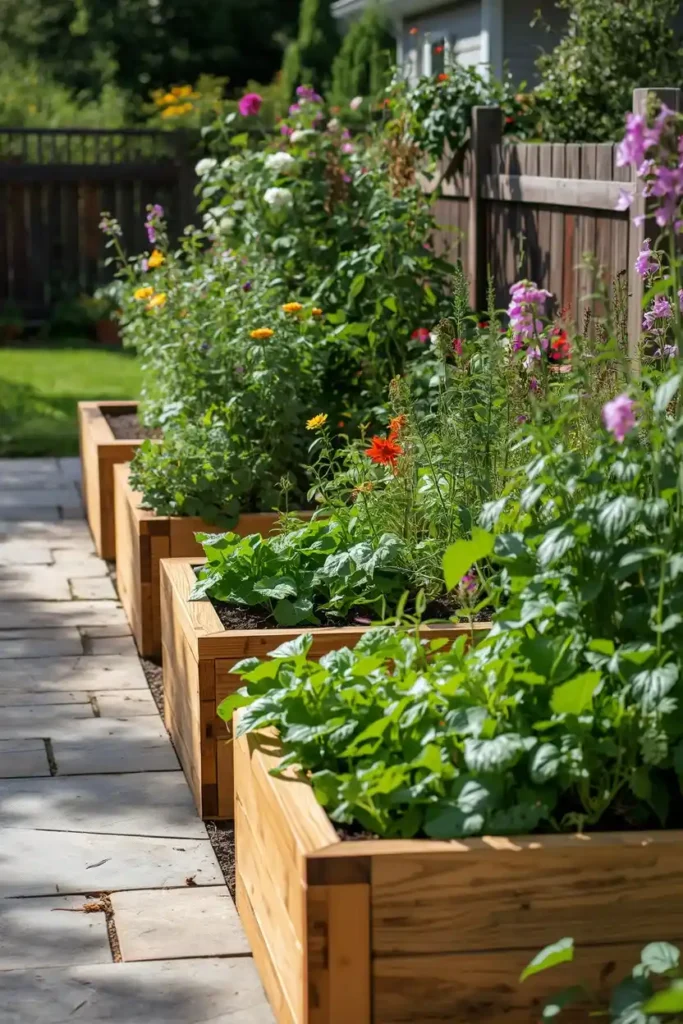
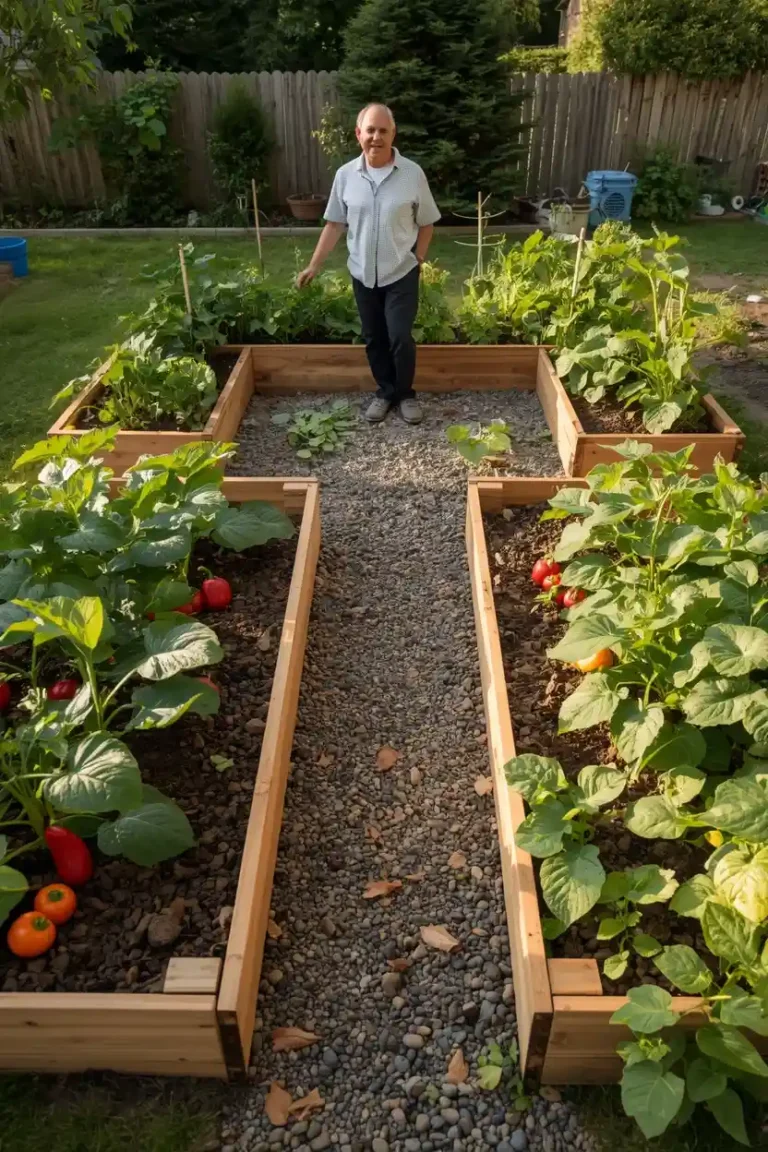
A row of cedar raised garden beds lining the edge of a patio, filled with a mix of vegetables, herbs, and trailing flowers spilling slightly over the wooden edges.
Design Breakdown
Raised beds do more than grow food — used as a border, they create a clean architectural line between “lawn” and “garden,” which instantly makes a yard look intentional instead of accidental.
Expert Tip
Stagger the heights slightly (12, 18, and 24 inches) instead of building them all identical — it adds visual interest without any extra cost.
Why It Works
Defined borders give the eye a place to rest, which is why landscapes with raised bed edges consistently photograph better and feel more finished than open, undefined lawns.
Best For
- Small spaces
- Families
- Budget makeovers
- Renters
Common Mistake To Avoid
Building beds too wide to reach the center comfortably. Keep them under four feet wide if accessible from only one side.
Quick Wins
- Pairs perfectly with our DIY Elevated Garden Bed Plans
- Doubles as functional vegetable or herb space
- Easy to build in a single weekend
<div class=”expert-insight-box”>
Most people don’t know this: the single biggest reason a DIY landscape looks “off” isn’t plant choice — it’s inconsistent edging. One thing I’ve learned from walking dozens of backyards is that a clean, continuous edge (whether it’s steel, stone, or a raised bed frame) does more visual heavy lifting than expensive plants ever will. If your yard still feels unfinished after adding new plants, check your edges before you buy anything else. </div>
Most people waste more space than they realize.
3. The Gravel Patio Landscape
What You’re Seeing
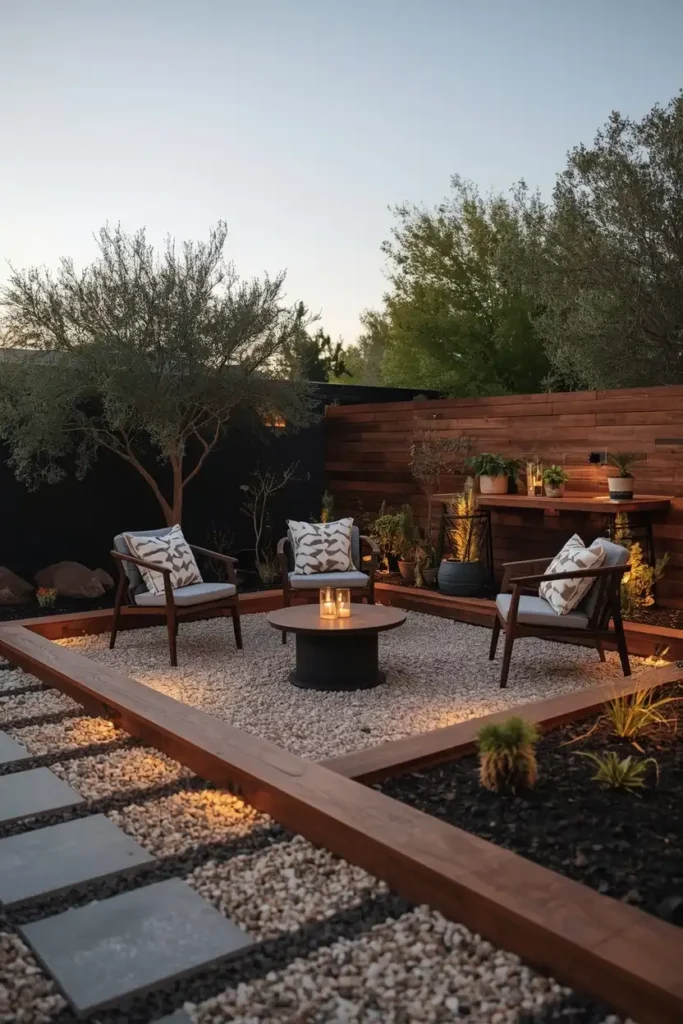
A relaxed outdoor seating area paved with compacted gravel instead of pavers, framed by a low wooden edge and surrounded by drought-tolerant plantings.
Design Breakdown
Gravel patios are one of the most forgiving DIY landscape projects because there’s no cutting, no leveling perfection required, and no grout lines to maintain — just a compacted base and consistent depth.
Expert Tip
Use a paver base layer beneath the gravel and compact it in stages, not all at once, to avoid uneven settling after the first hard rain.
Why It Works
The texture and sound of gravel underfoot adds a sensory layer most yards are missing, and the loose material handles heat and drainage better than solid concrete in most climates.
Best For
- Budget makeovers
- Large spaces
- Renters
Common Mistake To Avoid
Skipping the edging. Without a border, gravel migrates into the lawn within a season and creates an ongoing cleanup headache.
Quick Wins
- Costs a fraction of a poured concrete patio
- No specialized tools required
- Pairs well with our Paver Patio Ideas if you want a hybrid look
You May Also Like:
- Small Garden Design Ideas
- Tiny Garden Ideas
- Garden Shed Landscaping Ideas
- Diy Fence Ideas
- Outdoor Fire Pit Design Ideas
Mid-Article Deep Dive: The Complete DIY Garden Landscape Planning Guide
Here’s where it gets interesting — because before you touch a shovel, a few planning decisions determine whether your landscape lasts five years or falls apart after one season.
Step 1: Assess your yard’s actual conditions first.
- Note which areas get full sun, partial shade, and full shade — most failed landscaping projects come from mismatched plant choices, not poor design.
- Watch where water naturally pools after rain before deciding on drainage solutions like a dry creek bed or French drain.
- Check your soil type, since sandy, clay, and loam soil all behave differently under raised beds, gravel, and plantings.
Step 2: Decide your layout before buying anything.
- Sketch your yard on paper first — even a rough drawing prevents the common mistake of buying materials for a layout that doesn’t fit.
- Decide on a focal point (a fire pit, a raised bed cluster, a seating area) and build the rest of the landscape around it.
- Leave clear walking paths at least two to three feet wide between planted areas.
Step 3: Budget realistically by project type.
- Budget tier ($50–150): mulch refresh, a small gravel path, a single raised bed, DIY stepping stones.
- Mid tier ($150–400): a full dry creek bed, a cedar raised bed border, a small gravel patio.
- Higher tier ($400+): a DIY pergola, a retaining wall, a multi-zone landscape with lighting.
Step 4: Choose materials that match your climate.
This is where many homeowners make a mistake — they choose materials based on Pinterest photos from a completely different climate zone. Cedar rots faster in humid regions, gravel shifts more in freeze-thaw climates, and drought-tolerant plants struggle in consistently wet soil. Always match your material and plant choices to your actual growing zone, not just the aesthetic you saw online.
Step 5: Build in phases, not all at once.
- Start with structure first (edging, beds, hardscaping) before adding plants.
- Add one “zone” per weekend rather than attempting the entire yard in one push.
- Leave room in the budget and layout for adjustments once you see how the space is actually used.
Common mistakes to avoid at the planning stage:
- Skipping a drainage plan, which is the top reason DIY landscaping projects fail within the first year.
- Overplanting a new bed, not accounting for how much plants spread once mature.
- Ignoring existing utility lines before digging for a retaining wall or French drain.
Would you choose function or style first when you start your own project? The next few ideas actually manage to deliver both.
4. The Vertical Trellis Wall Landscape
What You’re Seeing
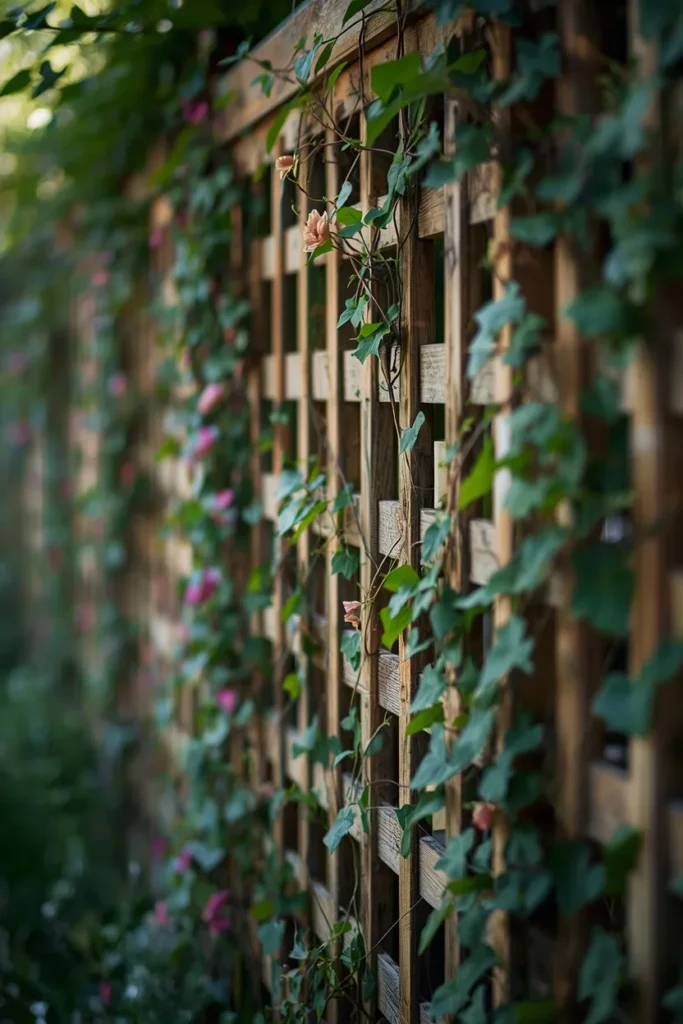
A wooden trellis wall mounted along a fence line, dense with climbing vines and flowering plants, transforming a plain fence into a living green backdrop.
Design Breakdown
Vertical landscaping solves the number one complaint in small yards — lack of ground space — by moving the visual interest upward instead of outward.
Expert Tip
Choose fast-growing but non-invasive climbers like clematis or climbing hydrangea, and always attach trellis panels a few inches off the fence to allow airflow behind the vines.
Why It Works
Vertical greenery softens hard structures like fences and walls, and it adds privacy without the cost or footprint of a full privacy hedge.
Best For
- Small spaces
- Renters
- Budget makeovers
Common Mistake To Avoid
Attaching trellis panels directly against the fence surface, which traps moisture and speeds up wood rot on both structures.
Quick Wins
- Adds privacy without blocking light entirely
- Pairs naturally with our DIY Garden Trellis Ideas
- Great option for renters since panels can be removable
Imagine walking into your backyard and seeing a wall of green instead of a bare fence line — that shift alone changes how the entire space feels.
5. The Fire Pit Gathering Landscape
What You’re Seeing
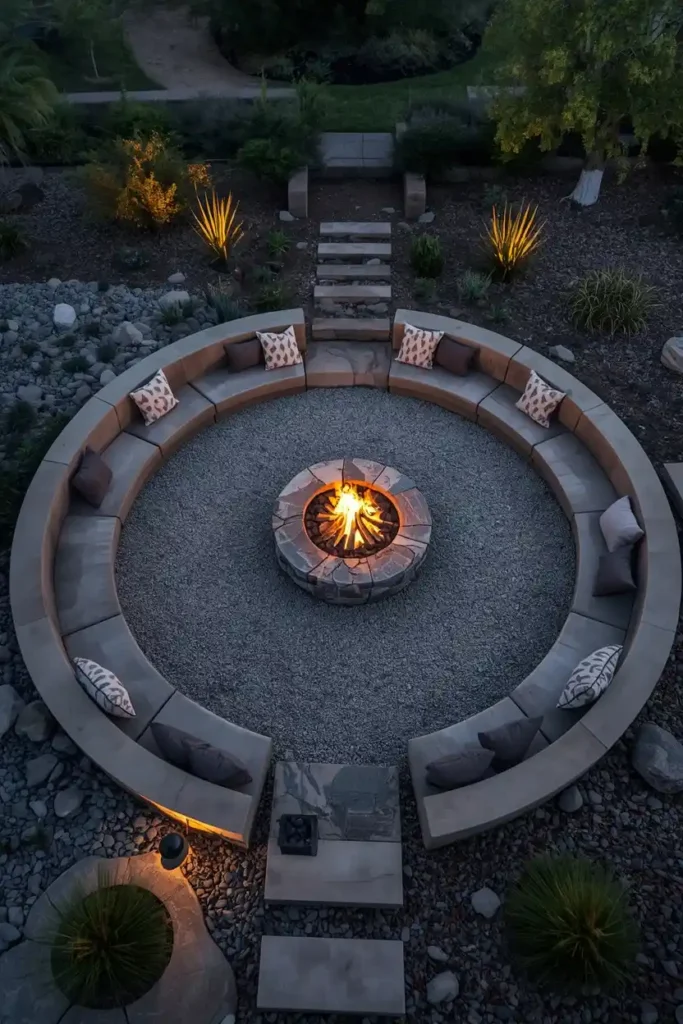
A circular gravel or paver patio centered around a stone fire pit, surrounded by low seating and a ring of drought-tolerant plantings that soften the hard edges.
Design Breakdown
A fire pit landscape works because it gives your yard a destination — a reason to walk to the far end of the garden instead of just looking at it from the porch.
Expert Tip
Keep the fire pit at least ten feet from any structure, fence, or overhanging tree branch, and check local regulations before building anything permanent.
Why It Works
Gathering spaces extend how long people actually use a yard, especially into the evening — and evening use is exactly what most landscaping designs forget to plan for.
Best For
- Large spaces
- Families
- Luxury homes
Common Mistake To Avoid
Placing seating too close to the fire pit itself. Leave enough clearance for comfortable heat distance and easy walking room around the circle.
Quick Wins
- Extends outdoor living time into cooler evenings
- Doubles as a natural focal point for the whole yard
- Pairs well with our Outdoor Fire Pit Design Ideas
<div class=”expert-insight-box”>
Here’s where it gets interesting: fire pit landscapes consistently rank as the highest “return on regret” project among DIYers, meaning almost nobody who builds one wishes they hadn’t. One thing I’ve learned watching these builds unfold is that the seating arrangement matters more than the fire pit material itself — a beautiful stone pit surrounded by uncomfortable seating gets used far less than a simple pit with generous, comfortable seating around it. </div>
The next idea changes everything.
6. The Terraced Slope Landscape
The next idea is one designers secretly love.
What You’re Seeing
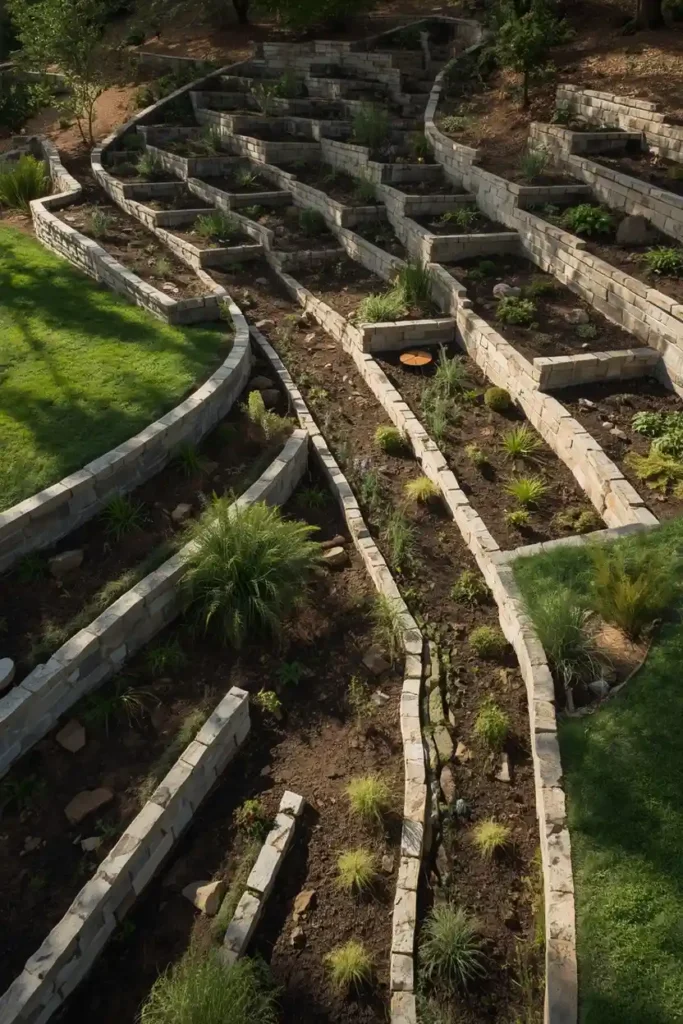
A sloped section of yard transformed into stepped terraces using low retaining walls, each level planted with a different texture — groundcover on top, shrubs in the middle, and taller perennials at the base.
Design Breakdown
Terracing solves the two biggest complaints about sloped yards — erosion and unusable space — by converting a single steep hill into several flat, plantable levels.
Expert Tip
Build from the bottom up, and always include a small gap or weep holes in retaining walls so water can drain through instead of building pressure behind the wall.
Why It Works
Terraced landscapes turn “wasted” sloped ground into some of the most visually dynamic space in the yard, since each level creates a new sightline from the house.
Best For
- Large spaces
- Luxury homes
Common Mistake To Avoid
Skipping proper drainage behind the retaining wall — this is the leading cause of wall failure after heavy rain.
Quick Wins
- Turns unusable slope into functional planting space
- Pairs naturally with our DIY Retaining Wall Ideas
- Reduces erosion and soil runoff long term
Which of these ideas would work best in your yard so far?
7. The Cutting Garden Border Landscape
What You’re Seeing
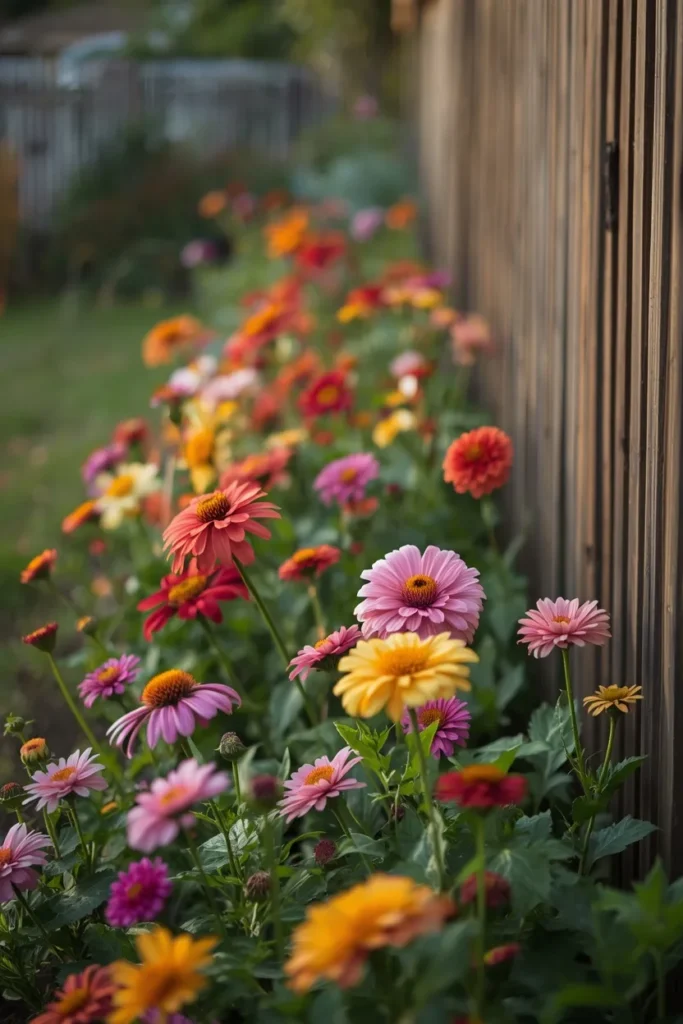
A dedicated strip along a fence or walkway planted in organized rows of zinnias, dahlias, and cosmos, clearly designed for cutting rather than just viewing.
Design Breakdown
Unlike a decorative flower bed, a cutting garden is planted in rows specifically so you can harvest blooms without disturbing the overall look of the bed.
Expert Tip
Plant in succession — a few seeds every two weeks — so you get continuous blooms all season instead of one big flush that fades fast.
Why It Works
This idea gives your landscaping a functional purpose beyond aesthetics, which means it earns its space in a yard even when it’s not in full bloom.
Best For
- Families
- Budget makeovers
- Large spaces
Common Mistake To Avoid
Planting too densely for airflow, which increases the risk of powdery mildew on flowers like zinnias and dahlias.
Quick Wins
- Provides fresh cut flowers all season
- Pairs beautifully with our Cut Flower Garden Layout Ideas
- Easy to expand row by row each year
You May Also Like:
- West Facing Garden Design Ideas
- 15 Cheap Front Yard Flower Bed Ideas
- Vintage Garden Decor Ideas
- What Is Topsoil Uses And Benefits For Garden
- Top Soil Mistakes To Avoid For A Healthier Garden
8. The River Rock Ground Cover Landscape
What You’re Seeing
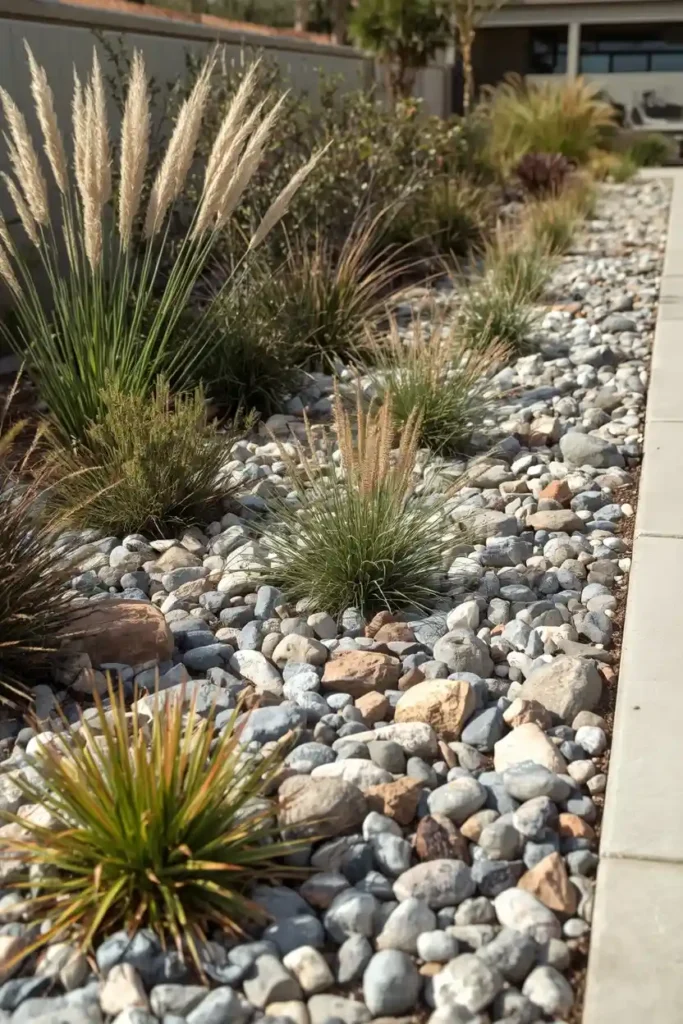
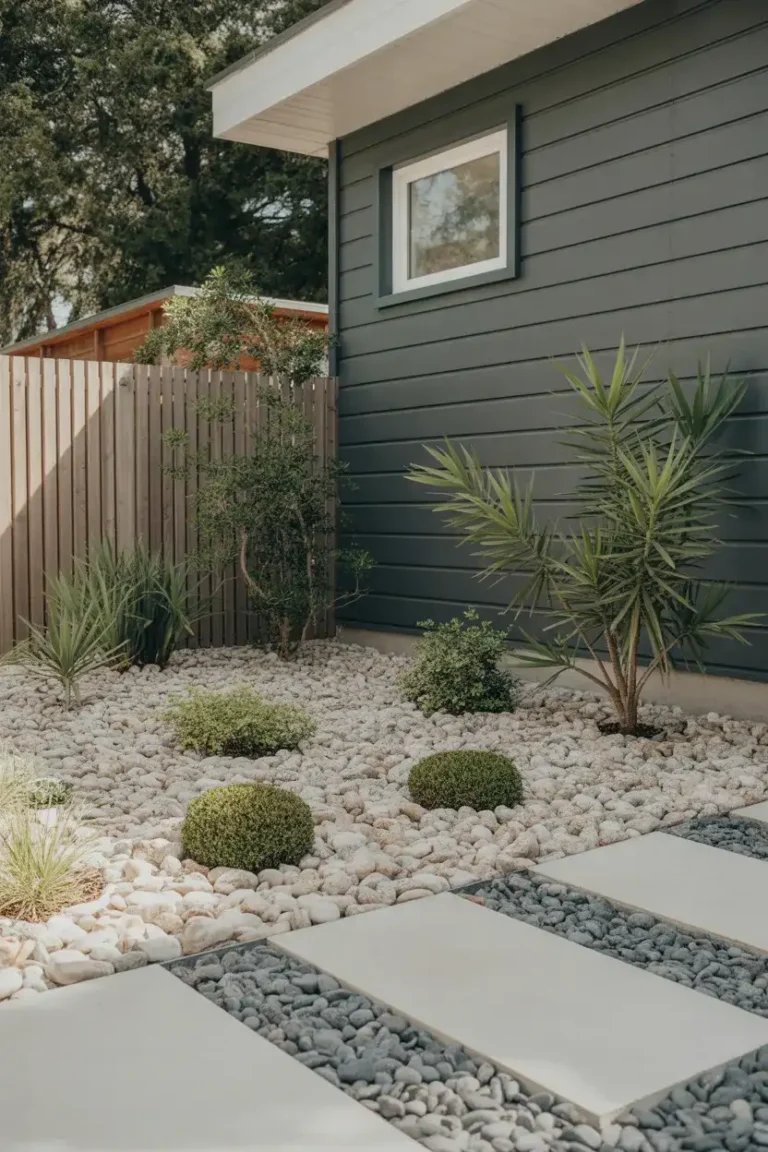
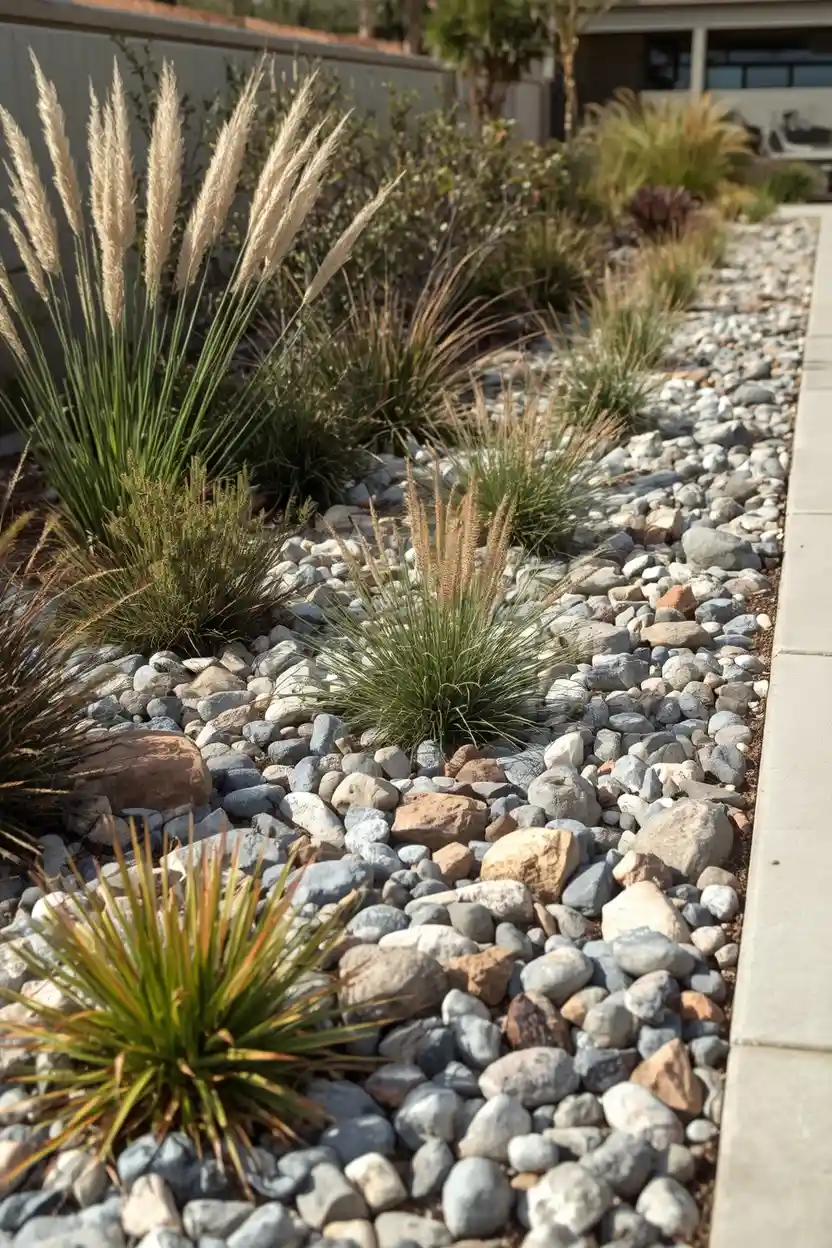
A wide bed of river rock in varying sizes replacing traditional mulch, dotted with drought-tolerant shrubs and ornamental grasses for texture.
Design Breakdown
River rock ground cover is one of the most requested DIY garden landscape ideas for a reason — it drastically cuts down on watering, weeding, and mulch replacement while still looking intentional and modern.
Expert Tip
Lay a thick layer of landscape fabric first, and choose a rock size between one and three inches for the best balance of coverage and drainage.
Why It Works
Unlike mulch, river rock never breaks down or needs replacing, which makes it one of the lowest true-maintenance landscaping choices available for a DIY budget.
Best For
- Budget makeovers
- Large spaces
- Renters
Common Mistake To Avoid
Placing rock directly against the house foundation without a buffer — it can trap moisture against siding and cause long-term damage.
Quick Wins
- Pairs perfectly with our 10 Genius Front Yard River Rock Landscaping Instead Of Mulch Ideas
- Cuts watering needs significantly
- Virtually eliminates ongoing mulch costs
<div class=”expert-insight-box”>
Most people don’t know this: river rock landscaping isn’t just a low-maintenance swap — it changes the entire microclimate of a bed. One thing I’ve learned from tracking these projects is that rock absorbs and radiates heat differently than mulch, which means your plant selection needs to shift slightly toward heat-tolerant varieties near larger rock areas, especially in south or west-facing beds. </div>
This simple change can completely transform the room.
9. The Pergola Shade Landscape
This simple change can completely transform the room.
What You’re Seeing
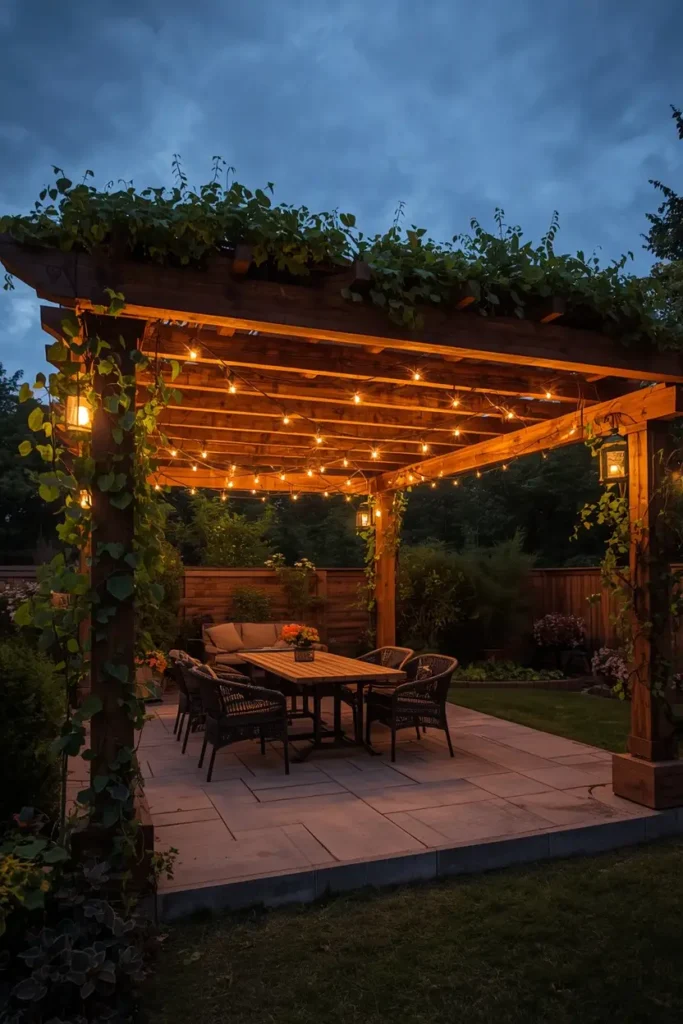
A freestanding wooden pergola positioned over a patio or seating area, with climbing vines beginning to weave through the top beams and string lights draped between posts.
Design Breakdown
A pergola adds architectural height to a landscape without fully enclosing the space, creating filtered shade that makes an outdoor area usable even during the hottest part of the day.
Expert Tip
Set your posts in concrete footings at least two feet deep, and check local codes before building anything attached to your house.
Why It Works
Height changes how a yard feels from the inside out — a pergola creates a defined “room” outdoors the same way a ceiling defines a room indoors.
Best For
- Large spaces
- Luxury homes
- Families
Common Mistake To Avoid
Undersizing the structure. A pergola that’s too small for the seating beneath it looks awkward and provides little actual shade.
Quick Wins
- Pairs directly with our 8 Easy Steps To Build A DIY Pergola
- Adds usable shade without blocking the whole yard
- Increases outdoor living space through peak summer heat
What’s your biggest challenge right now — space, budget, or knowing where to even start? This final idea tends to solve for all three.
10. The Multi-Zone Whole Yard Landscape
What You’re Seeing
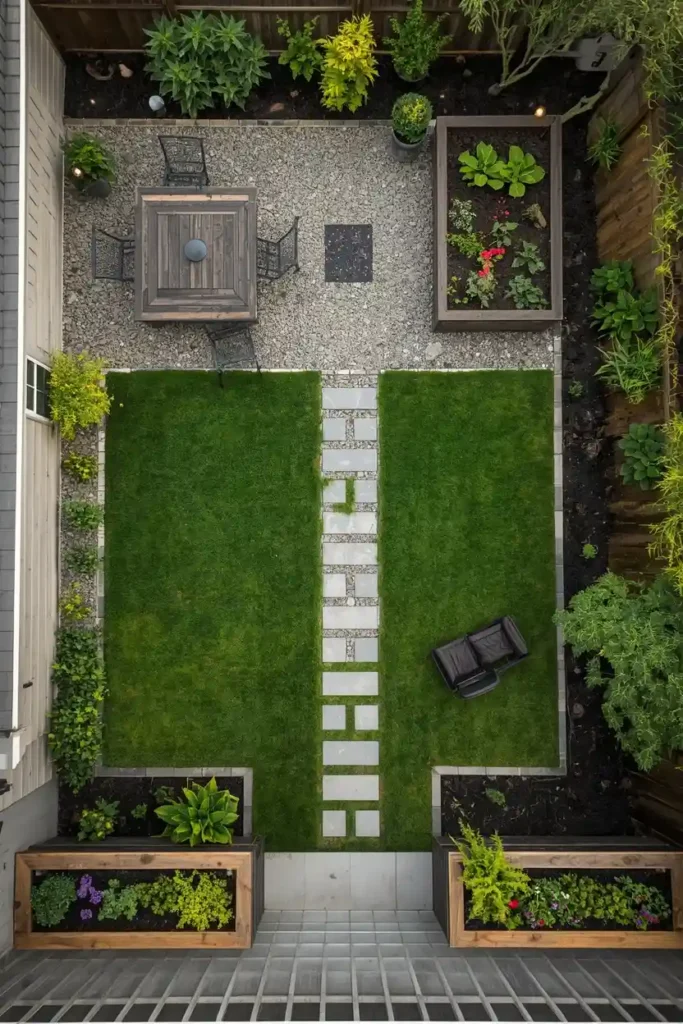
A full backyard divided into distinct zones — a gravel seating area, a raised bed vegetable section, a cutting garden border, and a stone walkway connecting them all — each area visually distinct but flowing naturally into the next.
Design Breakdown
Instead of choosing one single idea, this final concept treats the entire yard as a series of connected rooms, each with its own purpose, tied together with a consistent material palette like the same stone or gravel throughout.
Expert Tip
Pick one unifying material (a specific stone color, a repeated plant, or a consistent edging style) and use it across every zone — it’s what makes a multi-zone yard feel cohesive instead of chaotic.
Why It Works
Zoned landscapes give every member of a household a reason to use the yard differently, which dramatically increases how often the space actually gets used.
Best For
- Large spaces
- Families
- Luxury homes
Common Mistake To Avoid
Trying to build every zone in one season. Start with one anchor zone and expand gradually, both for your budget and your energy.
Quick Wins
- Grows in phases as budget allows
- Pairs beautifully with our 10 Walkway Ideas To Install By Yourself Cheaply
- Gives every family member their own favorite corner of the yard
Let me know which one is your favorite — I’d genuinely love to hear which zone matches your own backyard.
Related Garden and Outdoor Landscaping Ideas
Picture yourself enjoying a full season of small, manageable weekend projects instead of one overwhelming renovation. If this list has you inspired, these related guides are the natural next step:
- Garden Ideas
- Vegetable Garden Ideas
- Small Balcony Garden Ideas
- Balcony Garden Ideas
- Diy Cedar Planter Box Under 5
- Tomato Trellis Ideas
- 15 Cheap Garden Projects Using Twigs
- 15 Stunning Diy Yard Art Crafts Ideas
Final Thoughts on DIY Garden Landscape Ideas
If there’s one thing worth taking from these 10 DIY garden landscape ideas, it’s this: structure always comes before decoration.
The dry creek bed, the raised bed border, the terraced slope — every one of these hits harder because it solves a real problem first and looks good second.
Think about how much easier the rest of your landscaping decisions become once drainage, edging, and layout are already handled.
My honest advice? Pick one zone of your yard and commit to finishing it this week — not the whole yard, just one corner done well. A single finished zone will teach you more about your space than five half-started ones ever could.
So — which of these DIY garden landscape ideas matches the problem your yard has been quietly dealing with for years?
If you loved this list, our guide on Garden Shed Landscaping Ideas is a natural next stop, especially if your landscaping plans include tucking a shed or storage structure into the layout.
And if you’re wondering what comes after the hardscaping is done, keep an eye out for our upcoming guide on seasonal planting rotations — it might be the missing piece that keeps your new landscape looking finished all year long.
Frequently Asked Questions About DIY Garden Landscape Ideas
1. What is the cheapest DIY garden landscape idea to start with? A gravel patio or a single raised bed border are among the most affordable starting points, often costing well under $150 in materials.
2. Do I need a permit for DIY garden landscaping projects? Small projects like raised beds or gravel paths typically don’t require permits, but retaining walls, pergolas, and fire pits often do — always check local codes first.
3. How do I fix a yard that floods after rain? A dry creek bed or a French drain are two of the most effective DIY solutions for redirecting standing water away from problem areas.
4. What plants work best for low-maintenance landscaping? Drought-tolerant perennials, ornamental grasses, and native plants suited to your growing zone require the least ongoing care.
5. How long does a typical DIY landscaping project take? Smaller projects like a raised bed or gravel path can be completed in a single weekend, while terracing or a pergola may take several weekends.
6. Can I landscape a sloped yard myself? Yes — terracing with low retaining walls is one of the most common DIY approaches to converting a steep slope into usable, plantable space.
7. What is the best ground cover to replace grass? River rock, mulch, and low-growing groundcovers like creeping thyme are popular low-maintenance alternatives to traditional lawn.
8. How do I keep a DIY landscape looking finished over time? Consistent edging and a repeated material palette across different zones are the two biggest factors in a landscape aging well.
9. Is a fire pit landscape safe to build myself? Yes, as long as you maintain proper clearance from structures and vegetation and check local fire code requirements before building.
10. What’s the easiest first project for a landscaping beginner? A raised bed border is widely considered the easiest starting project — low cost, minimal tools, and a clear visual impact within a single weekend.